
Senior Living Communities That Need Barber Services


Adult Coloring Book

Shower Chair for Elderly

Puzzle Book for Seniors
Senior living communities that need barber services are increasingly partnering with mobile barbers to enhance resident quality of life. These services promote dignity, social connection, and personal care in a familiar, stress-free environment.
Key Takeaways
- Barber services improve resident well-being: Regular grooming boosts confidence, reduces anxiety, and supports mental health in seniors.
- Mobile barbers meet accessibility needs: On-site or in-room services eliminate transportation challenges for mobility-limited residents.
- Communities benefit from resident satisfaction: Offering barber services increases retention, referrals, and overall community appeal.
- Barbers trained in elder care are essential: Sensitivity to cognitive conditions, hearing loss, and physical limitations ensures safe, respectful service.
- Partnerships create win-win opportunities: Barbers gain steady clients; communities offer valued amenities without staffing overhead.
- Flexible scheduling supports routine: Weekly or bi-weekly visits help maintain consistency and familiarity for residents.
- Technology simplifies booking and billing: Digital platforms streamline appointments, payments, and feedback for families and staff.
📑 Table of Contents
- Why Senior Living Communities Need Barber Services
- The Rise of Mobile Barber Services in Senior Living
- What Makes a Great Barber for Seniors?
- How Communities Can Partner with Barber Services
- The Business Case for Barber Services
- Success Stories: Communities Making a Difference
- The Future of Barber Services in Senior Living
- Conclusion
Why Senior Living Communities Need Barber Services
Imagine a world where getting a haircut means navigating stairs, waiting for a ride, or feeling overwhelmed in a noisy salon. For many seniors, especially those in assisted living or memory care communities, this is daily reality. That’s why senior living communities that need barber services are turning to innovative, compassionate solutions—like mobile barbers—to bring grooming back into residents’ lives.
Personal grooming isn’t just about looking good. For older adults, it’s tied to dignity, routine, and emotional well-being. A fresh haircut can spark joy, improve self-esteem, and even encourage social interaction. Yet, many communities overlook this essential service, leaving residents to go months without a trim. The result? Frustrated families, declining morale, and missed opportunities to enhance quality of life.
The good news? More communities are recognizing the value of on-site barber services. Whether it’s a weekly visit from a licensed barber or a dedicated salon space within the facility, these services are becoming a cornerstone of holistic care. They’re not just convenient—they’re transformative.
The Emotional Impact of Grooming on Seniors
Let’s be honest: aging can be tough on confidence. Hair thins, skin changes, and mobility declines. But a simple haircut can make a surprising difference. Studies show that regular grooming reduces feelings of isolation and depression in older adults. It’s a small act with big emotional returns.
For residents with dementia or Alzheimer’s, familiar routines—like sitting in a barber’s chair—can provide comfort and reduce agitation. A trusted barber who knows their preferences becomes part of their support system. One resident at a memory care facility in Ohio shared, “When Joe comes every Thursday, I feel like myself again. He remembers my favorite style and always asks about my granddaughter.”
Even for independent seniors, grooming is a form of self-care. It signals, “I matter.” When communities invest in barber services, they send a powerful message: we see you, we value you, and we’re here to help you thrive.
Barriers to Traditional Grooming
So why don’t more seniors get regular haircuts? The barriers are real and often underestimated.
Transportation is a major hurdle. Many seniors no longer drive, and public transit isn’t always accessible. Even family visits can’t always include a trip to the barbershop. For those in wheelchairs or with balance issues, navigating a busy salon is risky and stressful.
Then there’s cost. While some families cover grooming expenses, others rely on limited budgets. Without insurance coverage for non-medical services, haircuts become a luxury—not a necessity.
And let’s not forget sensory overload. Bright lights, loud dryers, and crowded waiting rooms can be overwhelming, especially for those with hearing aids or cognitive challenges. A traditional salon environment isn’t always senior-friendly.
These challenges highlight why senior living communities that need barber services are seeking alternatives. On-site or mobile options remove these barriers, making grooming safe, affordable, and stress-free.
The Rise of Mobile Barber Services in Senior Living

Visual guide about Senior Living Communities That Need Barber Services
Image source: seniorservicesofamerica.com
Mobile barber services are revolutionizing senior care. Instead of residents traveling to a salon, the salon comes to them—right inside their community. These services are flexible, personalized, and designed with seniors in mind.
A mobile barber typically arrives with a portable chair, clippers, scissors, and sanitizing supplies. They set up in a common area, private room, or even at a resident’s bedside. Appointments are scheduled in advance, often weekly or bi-weekly, to maintain consistency.
One such service, “Shear Comfort,” operates in over 50 senior communities across the Midwest. Their barbers are trained in elder sensitivity and dementia care. “We don’t just cut hair,” says founder Maria Lopez. “We build relationships. We listen. We adapt.”
How Mobile Barbers Work
Mobile barber services follow a simple, efficient model:
1. **Scheduling:** Communities or families book appointments via phone, email, or online platforms. Some services offer automated reminders.
2. **Setup:** The barber arrives at a designated time, often during low-activity hours to minimize disruption.
3. **Service:** Haircuts, beard trims, and shaves are performed with care. Barbers use quiet tools and gentle techniques.
4. **Sanitization:** All equipment is cleaned between clients, following health and safety guidelines.
5. **Payment:** Fees are collected on-site or billed monthly. Many services accept private pay, long-term care insurance, or veteran benefits.
This model is cost-effective for communities. Instead of hiring a full-time stylist, they pay per service or per resident. It’s also scalable—barbers can serve multiple communities in a region.
Benefits for Residents and Families
The advantages of mobile barber services go beyond convenience.
For residents, it’s about comfort and familiarity. They stay in their home environment, surrounded by staff and peers they know. No travel, no waiting rooms, no anxiety.
For families, it’s peace of mind. They know their loved one is being cared for with dignity. Many services offer photo updates or notes after each visit, so families stay connected.
And for staff? It’s one less task on their plate. Caregivers don’t have to assist with grooming or coordinate transportation. They can focus on medical and emotional support.
One family member in Florida shared, “Before mobile barbers, my mom hadn’t had a haircut in six months. Now, she looks forward to her visits. It’s changed her mood completely.”
What Makes a Great Barber for Seniors?
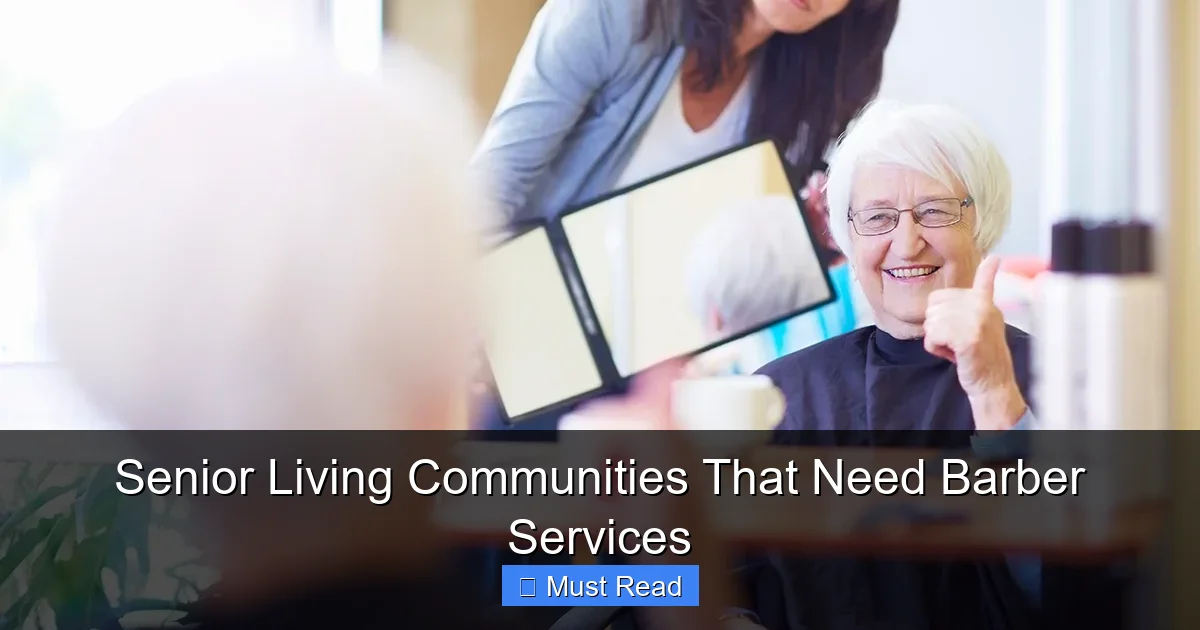
Visual guide about Senior Living Communities That Need Barber Services
Image source: seniorservicesofamerica.com
Not all barbers are created equal—especially when working with older adults. Senior living communities that need barber services should look for professionals with specific skills and qualities.
Patience and Empathy
Seniors may move slowly, repeat questions, or need extra time to communicate. A great barber listens without rushing. They understand that a haircut isn’t just about hair—it’s about connection.
For example, a resident with Parkinson’s might tremble during a cut. A skilled barber will adjust their technique, use supportive positioning, and offer reassurance. They don’t see limitations—they see people.
Training in Elder and Dementia Care
Look for barbers who’ve completed training in senior-specific needs. This includes understanding cognitive decline, sensory sensitivities, and communication strategies.
Some organizations, like the National Association for Home & Hospice Care, offer certification programs for mobile groomers. These cover topics like infection control, mobility assistance, and recognizing signs of distress.
Barbers trained in dementia care know how to redirect, validate feelings, and use calming language. They avoid sudden movements and respect personal space.
Adaptability and Creativity
Every senior is different. Some prefer classic styles; others want something modern. Some have thinning hair; others have thick beards.
A great barber adapts. They bring photos for reference, offer gentle suggestions, and respect preferences. They might use clippers instead of scissors for safety, or a neck drape to prevent irritation.
They also problem-solve. If a resident can’t sit upright, they might use a reclining chair or perform the cut while the person is in bed. If hearing is an issue, they use gestures or written notes.
Professionalism and Reliability
Consistency matters. Residents thrive on routine. A barber who shows up on time, every time, builds trust.
They also maintain high hygiene standards. Tools are sanitized, hands are washed, and surfaces are cleaned. This is especially important in communal living settings.
And they communicate well—with residents, families, and staff. If a resident seems unwell or agitated, they know when to pause or reschedule.
How Communities Can Partner with Barber Services

Visual guide about Senior Living Communities That Need Barber Services
Image source: media.allure.com
Bringing barber services into a senior living community doesn’t have to be complicated. With the right approach, it’s a smooth, rewarding process.
Assessing the Need
Start by surveying residents and families. Ask:
– How often would you like a haircut?
– Would you prefer on-site or in-room service?
– Are there specific concerns (mobility, anxiety, etc.)?
You might discover that 70% of residents want monthly cuts, or that several have dementia and need gentle handling. This data helps tailor the service.
Finding the Right Provider
Look for mobile barbers with experience in senior care. Check reviews, ask for references, and request a trial visit.
Questions to ask:
– Are you licensed and insured?
– Do you have training in elder care?
– What’s your cancellation policy?
– Do you accept insurance or VA benefits?
Some communities partner with local cosmetology schools. Students gain experience; residents get affordable service. It’s a win-win.
Setting Up the Space
You don’t need a full salon. A quiet corner with a chair, mirror, and power outlet works. Ensure the area is wheelchair accessible and well-lit.
For privacy, use a screen or curtain. For safety, keep cords out of walkways and have a staff member nearby during visits.
Promoting the Service
Let residents and families know about the new amenity. Use newsletters, bulletin boards, and family meetings.
Highlight benefits: “No more trips to the salon! Our mobile barber comes every Tuesday.”
Offer a launch event—like a “Grooming Day” with free trims and refreshments. It builds excitement and encourages sign-ups.
Managing Logistics
Create a schedule that works for everyone. Avoid meal times, therapy sessions, or busy activity hours.
Use a sign-up sheet or digital tool to track appointments. Some communities use apps like Calendly or Square Appointments.
Set clear policies: How far in advance can you book? What’s the fee? Is tipping allowed?
And always gather feedback. After a few months, ask residents: “How was your experience?” Use insights to improve.
The Business Case for Barber Services
Beyond resident happiness, barber services make financial sense for senior living communities.
Increased Resident Satisfaction and Retention
Happy residents stay longer. Families are more likely to recommend a community that offers thoughtful amenities.
A study by the National Investment Center for Seniors Housing & Care found that lifestyle services—like grooming—are top factors in choosing a community. They signal quality and attention to detail.
Competitive Advantage
In a crowded market, small differentiators matter. Offering barber services sets your community apart.
Imagine two similar facilities. One has a pool and bingo. The other has a pool, bingo, and a weekly barber. Which feels more caring?
Low-Cost, High-Impact Investment
Mobile barber services require minimal upfront cost. No need to hire staff, buy equipment, or renovate space.
Communities typically pay per service—say, $25 per resident per visit. If 20 residents book monthly, that’s $500. Compare that to a full-time stylist’s salary and benefits.
And the ROI? Happier residents, fewer complaints, and stronger word-of-mouth.
Partnership Opportunities
Barber services can lead to other collaborations. Some mobile groomers also offer nail care, shaves, or even light massage.
Others partner with veteran organizations, offering free services to former service members.
These partnerships enhance your community’s reputation and expand your service offerings.
Success Stories: Communities Making a Difference
Real-world examples show how barber services transform lives.
Sunset Gardens, Arizona
This 120-resident assisted living community introduced a mobile barber service in 2022. Within six months, resident satisfaction scores rose by 30%.
One resident, 82-year-old Frank, had refused haircuts for years due to anxiety. The barber visited him in his room, played soft music, and took breaks when needed. “Now I look forward to it,” Frank said. “It’s like having a friend.”
Harmony Hills Memory Care, Oregon
At this dementia-focused facility, barbers trained in cognitive care use visual cues and calming techniques. They avoid sudden noises and always introduce themselves.
Staff report fewer behavioral incidents on barber days. “It’s like a reset button,” said a nurse. “Residents are calmer, more engaged.”
Veterans Haven, Texas
This community partners with a veteran-run barber service. Barbers are former military members who understand the unique needs of older vets.
They offer free monthly cuts and host “Salute to Service” events. “It’s not just a haircut,” said one veteran. “It’s respect.”
The Future of Barber Services in Senior Living
As the senior population grows, so will the demand for personalized care. Barber services are no longer a luxury—they’re a necessity.
Technology Integration
Apps and platforms will make booking easier. Families can schedule, pay, and receive updates in real time.
Some services are testing video consultations, so barbers can preview needs before arriving.
Expanded Services
Expect to see more holistic offerings: scalp treatments, beard oils, even aromatherapy during cuts.
Some barbers are adding wellness checks—not medical, but observing mood, skin condition, or signs of neglect.
Policy and Insurance Changes
Advocates are pushing for insurance coverage of grooming services as part of long-term care. If successful, it could make these services more accessible.
Community-Wide Impact
When seniors feel good, communities thrive. Barber services foster dignity, connection, and joy.
They remind us that care isn’t just about health—it’s about humanity.
Conclusion
Senior living communities that need barber services are not just meeting a practical need—they’re enriching lives. From boosting confidence to reducing isolation, grooming plays a vital role in holistic care.
Mobile barbers offer a flexible, compassionate solution. They bring expertise, empathy, and consistency to residents’ doorsteps.
For communities, the benefits are clear: happier residents, stronger reputations, and a competitive edge.
The future is bright. With innovation, training, and heart, barber services will become a standard—not a surprise—in senior living.
So if you’re part of a community, consider this: the next time a resident smiles after a haircut, remember—it’s more than a trim. It’s dignity. It’s care. It’s home.
Frequently Asked Questions
Do senior living communities typically offer barber services?
Many communities now offer or partner with mobile barber services, but it’s not yet universal. Demand is growing as families recognize the importance of grooming for well-being.
Are mobile barbers licensed and insured?
Yes, reputable mobile barbers are licensed cosmetologists or barbers with liability insurance. Always verify credentials before hiring.
Can barber services help residents with dementia?
Absolutely. Barbers trained in dementia care use gentle techniques, familiar routines, and calming communication to reduce anxiety and build trust.
How much do mobile barber services cost?
Prices vary by region and service, but typically range from $20 to $40 per visit. Some accept long-term care insurance or veteran benefits.
Can barbers provide services in a resident’s room?
Yes, most mobile barbers offer in-room service for residents with mobility issues or medical conditions. They bring portable equipment and adapt to the space.
How often should seniors get haircuts?
Every 4 to 6 weeks is ideal for most, but frequency depends on hair type, growth, and personal preference. Consistency helps maintain routine and dignity.