
Senior Citizen Transit Identification Card


Moen 18 Inch Shower Grab Bar

Amazfit Bip 6 Smart Watch, 1.97" AMOLED Display, GPS

Goodbaby No-Touch Forehead Thermometer for Adults and Kids
A Senior Citizen Transit Identification Card is a special ID issued to older adults that allows reduced or free fares on public transportation. This card not only saves money but also ensures dignified access to healthcare, shopping, and social activities. Eligibility varies by city or state, so checking local requirements is essential before applying.
Imagine hopping on your local bus without worrying about fare changes or carrying cash. For millions of Americans over 60, this isn’t just a dream—it’s reality thanks to the Senior Citizen Transit Identification Card. This special ID card is more than just plastic with your name on it; it’s a key that opens doors to affordable mobility, independence, and community connection. Whether you’re heading to the doctor, visiting family, or enjoying a day out at the park, this card helps make those trips easier and more affordable.
The concept behind the card is simple: recognize the needs of aging populations while supporting equitable access to public infrastructure. As cities grow and transit systems expand, many municipalities have introduced programs to ensure seniors aren’t left behind due to cost barriers. That’s where the Senior Citizen Transit ID comes in. It’s recognized nationwide, though specific rules vary by city or county. But one thing stays the same—it’s all about empowering older adults to stay mobile, engaged, and connected.
Key Takeaways
- What It Is: A government-issued identification card designed specifically for senior citizens to use with public transit systems.
- Eligibility: Typically available to individuals aged 60 or 65+, depending on the issuing city or state.
- Benefits: Offers discounted or free rides on buses, trains, subways, and paratransit services.
- Application Process: Usually requires proof of age, residency, and sometimes income verification.
- Renewal & Replacement: Cards often need renewal every 1–5 years and can be replaced if lost or damaged.
- Additional Perks: May qualify holders for other senior discounts beyond transit (e.g., museums, utilities).
- Accessibility: Widely accepted across most major U.S. cities, including New York, Chicago, Los Angeles, and more.
📑 Table of Contents
- What Exactly Is a Senior Citizen Transit ID?
- Who Qualifies for a Senior Citizen Transit ID?
- How to Apply for Your Senior Citizen Transit ID
- Benefits Beyond Free Rides
- Common Myths About the Senior Citizen Transit ID
- Tips for Making the Most of Your Card
- Renewal and Replacement Policies
- State-by-State Overview
- Conclusion: More Than Just a Discount
What Exactly Is a Senior Citizen Transit ID?
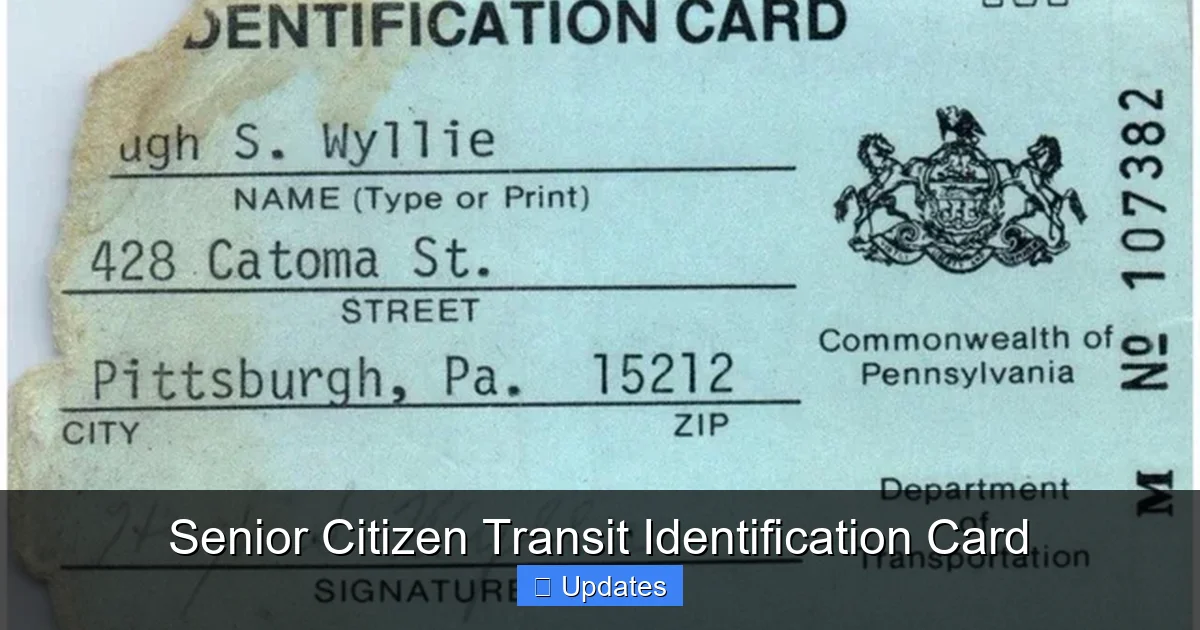
A Senior Citizen Transit Identification Card is an official document issued by local or regional transit authorities to eligible seniors. Think of it as a discount pass wrapped inside a durable ID card. Unlike regular transit cards that require daily or monthly payments, this card often allows unlimited rides at a reduced rate—or even free travel—within certain zones or entire transit networks.
How Does It Differ From Regular Transit Passes?
Most public transit systems offer daily tickets, weekly passes, or monthly subscriptions. But these can add up quickly—especially for someone making frequent trips. The Senior Citizen Transit ID replaces or enhances those options by offering long-term savings. For example, instead of paying $2 per ride, a senior might pay just $20 for unlimited monthly travel. Or, in some cities like San Francisco or Portland, the card grants completely free access.
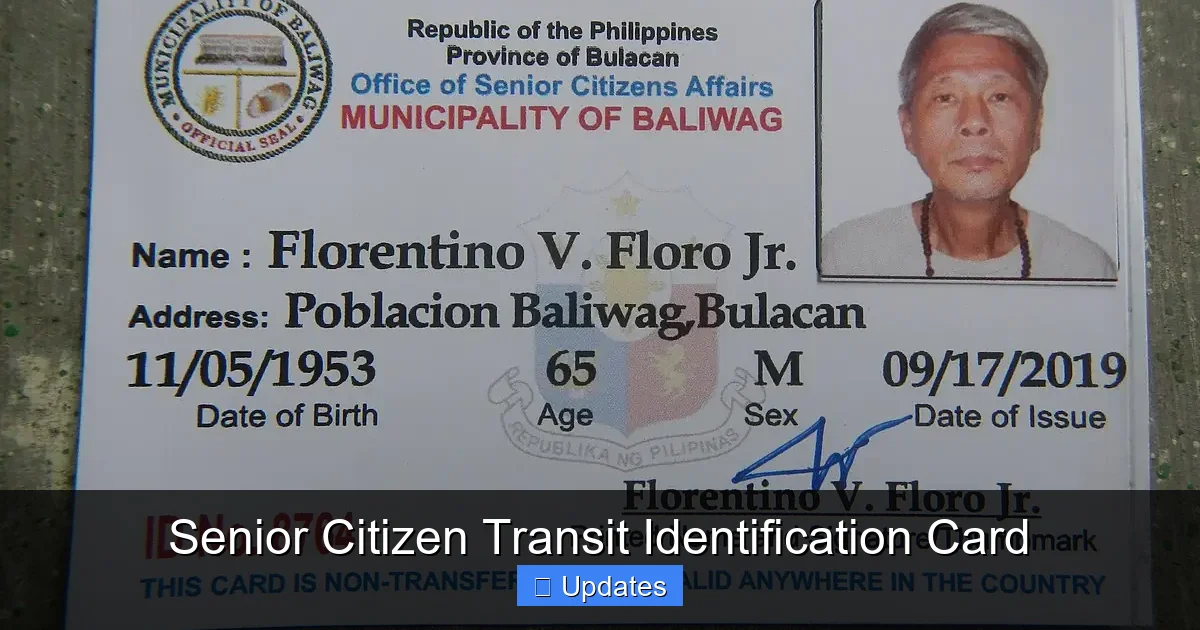
Another difference is durability and recognition. While standard transit passes expire after a set period or fall apart after heavy use, the Senior Citizen ID is typically made from sturdy materials and includes photo identification. This means it doubles as proof of age and residency—a bonus when entering senior centers, voting booths, or accessing healthcare.
Is It Available Everywhere?
Yes—but availability depends on your location. Major metropolitan areas such as New York City (MTA), Chicago (CTA), Washington D.C. (WMATA), and Los Angeles (LA Metro) all issue similar cards. Smaller towns may not have formal programs, but neighboring counties or states often do. Always check with your local Department of Motor Vehicles (DMV), aging services office, or public transit agency to confirm coverage.
Who Qualifies for a Senior Citizen Transit ID?
Eligibility criteria vary, but most programs follow a basic framework. Generally, applicants must meet minimum age requirements and demonstrate residency within the service area. Let’s break down what you’ll usually need:
Visual guide about Senior Citizen Transit Identification Card
Image source: picclickimg.com
Age Requirements
The most common threshold is 60 years old, though many cities raise it to 65, aligning with Social Security retirement age. Some rural or suburban areas even accept applicants at 55, especially if they live in designated low-income zones. For context, see our related article: At What Age Am I Considered a Senior Citizen?
Residency Proof
You’ll typically need to show documents proving you live within the transit district. Acceptable items include utility bills, lease agreements, voter registration records, or driver’s license showing your current address. If you’re new to the area, temporary residency may suffice during processing.
Income Verification (Optional)
Some agencies offer enhanced discounts for low-income seniors. In those cases, you might submit tax returns, pension statements, or SNAP benefit letters. However, income-based discounts aren’t universal—many cities provide base-level benefits regardless of earnings.
Other Considerations
If you’re disabled or receiving disability benefits (like SSDI), you may qualify earlier than age-based limits. Veterans and Native Americans sometimes receive priority processing. And don’t assume “retiree” status alone qualifies you—proof of age and residence remains mandatory.
How to Apply for Your Senior Citizen Transit ID
The application process is straightforward, but preparation makes all the difference. Here’s a step-by-step guide to help you get started:
Visual guide about Senior Citizen Transit Identification Card
Image source: 3.bp.blogspot.com
Gather Required Documents
- Government-issued photo ID (driver’s license, passport)
- Proof of age (birth certificate, Social Security card)
- Residence documentation (utility bill, rental agreement)
- (Optional) Income verification if seeking additional discounts
- Completed application form (available online or in person)
Visit the Right Office
Many applications begin at the DMV, but some cities route seniors through transit offices directly. Check your local transit authority’s website first. For California residents, the process is detailed here: California Senior Citizen ID Card.
Complete the Application
Fill out the form carefully. Include full legal name, date of birth, contact info, and preferred mailing address. Double-check spelling—mistakes can delay approval. Online applications often include digital uploads for documents, reducing trip frequency.
Attend an Interview (If Required)
Not all agencies require face-to-face meetings, but some do for identity confirmation. Bring your original documents to verify copies. Wear comfortable shoes and allow extra time—staff prioritize thoroughness over speed.
Pay the Fee (If Applicable)
Fees range from $0 to $25, depending on location and whether you request expedited service. Many programs waive fees for very low-income applicants. Never skip payment—even small amounts must be submitted to activate the card.
Wait for Processing
Processing times vary: 3–10 business days online, up to two weeks in-person. Track your status via email or phone. Once approved, your card arrives by mail—usually within 7–14 days.
Activate and Start Using!
Follow activation instructions (often calling a toll-free number). Then, carry your card everywhere! Present it when boarding buses, trains, or entering fare gates. Keep it visible—transit staff may ask to see it randomly.
Benefits Beyond Free Rides
While discounted transit is the headline perk, the Senior Citizen Transit ID unlocks several hidden advantages:
Visual guide about Senior Citizen Transit Identification Card
Image source: filipiknow.net
Access to Other Senior Programs
In many cities, holding the card qualifies you for library discounts, museum entry deals, or even reduced gym memberships. For instance, Philadelphia’s SEPTA Senior ID also works at the Franklin Institute. Check with your local Area Agency on Aging for bundled benefits.
Enhanced Safety and Recognition
Criminals or imposters can’t easily mimic the card—it’s professionally printed with holograms and watermarks. Plus, transit drivers and security personnel are trained to recognize it as valid ID. This adds peace of mind during commutes.
Streamlined Travel Planning
With one card covering multiple routes, planning errands becomes simpler. No more juggling cash, tokens, or separate metro cards. Just grab your wallet, pull out the ID, and go.
Support for Caregivers
If you’re assisting a parent or loved one, knowing their transit ID details helps in emergencies. Store emergency contacts on the back or keep a digital copy in your phone’s photos folder.
Common Myths About the Senior Citizen Transit ID
Like any popular program, misconceptions abound. Let’s clear them up:
Myth #1: “It’s Only for People Who Can’t Afford Regular Fares”
False. Even fixed-income retirees with modest savings benefit. A $20 monthly pass saves $240 yearly versus $480 in single-ride costs.
Myth #2: “You Must Be Completely Disabled”
No. Age and residency are primary factors. Mobility issues may qualify you earlier, but they’re not required.
Myth #3: “The Card Works Nationwide”
Partially true. While the design resembles others, each city sets its own rules. A Boston card won’t work in Atlanta unless both participate in reciprocity agreements.
Myth #4: “It Replaces Your Driver’s License”
Nope. It complements it. Always carry both for ID verification.
Myth #5: “Applications Are Only Online”
Wrong. Many offices still accept paper forms and in-person visits—especially helpful for those unfamiliar with technology.
Tips for Making the Most of Your Card
Maximize value with these smart strategies:
- Register Early: Apply 2–3 months before anticipated first use to avoid delays.
- Keep It Accessible: Clip it to your keychain or store in a dedicated wallet slot.
- Update Address Promptly: Notify the transit agency if you move within the service zone.
- Report Loss Immediately: Most cards can be deactivated remotely to prevent fraud.
- Use During Off-Peak Hours: Avoid rush times if possible—crowds mean less time fumbling for the card.
- Ask About Reciprocity Agreements: Some cities let you use your card elsewhere temporarily.
For more tips on applying broadly—not just transit-specific—see: How Apply For Senior Citizen Card.
Renewal and Replacement Policies
Don’t wait until your card expires! Renewal windows open 30–60 days before expiration. Look for renewal notices in the mail or email. Late renewals may incur fees or temporary suspension.
If lost or stolen, report it right away. Replacement fees apply ($5–$15), but proof of loss (police report, bank statement showing purchase) can reduce charges. Emergency replacements are available at select transit centers—call ahead to confirm.
State-by-State Overview
While federal guidelines don’t exist, patterns emerge across regions:
- California: LA Metro offers a “Senior Fare” card; San Francisco Muni provides free rides with Medicare cards plus ID.
- New York: MTA Reduces fare to $2 for seniors over 65 with proper ID.
- Texas: Houston METRO issues a “Golden Pass” for unlimited travel at half-price.
- Florida: Miami-Dade offers discounted fares for ages 65+.
- Pennsylvania: SEPTA in Philly grants free rides with valid senior ID.
Always verify current rates—they change annually based on budget approvals. Visit your local transit site or call customer service for updates.
Conclusion: More Than Just a Discount
The Senior Citizen Transit Identification Card is far more than a piece of plastic. It’s a symbol of dignity, independence, and inclusion. For older adults, reliable transportation means staying healthy, maintaining relationships, and participating fully in community life. Without it, small tasks—like picking up groceries or attending medical appointments—can become overwhelming obstacles.
By investing just a little time to apply and understand the process, you unlock years of savings and convenience. And remember: you’ve earned this benefit through decades of hard work and contribution. Don’t let outdated assumptions or myths stop you from claiming what’s rightfully yours.
If you’re unsure where to start, begin with your local transit authority’s website. They’ll guide you through eligibility, documents, and next steps. And if you live in California, our detailed breakdown of the process is available here: Senior Citizen Id Card California.
Stay mobile. Stay independent. And most importantly—stay connected.
Frequently Asked Questions
Can I use my Senior Citizen Transit ID card outside my home city?
It depends on reciprocity agreements. Some cities accept each other’s cards, but not all. Check with your transit provider or visit What Age Is Considered Senior Citizen In USA for regional comparisons.
Do I need to show proof of income to get the card?
Only if you’re applying for enhanced discounts based on financial need. Standard senior transit cards are available regardless of income. See Nassau County Senior Citizen Property Tax Exemption Income Limits for examples of income-based programs.
How long does it take to receive my Senior Citizen Transit ID?
Typically 7–14 days after approval. Processing speeds vary by location—online applications are faster than in-person submissions.
What should I do if my card gets damaged or lost?
Report it immediately to prevent misuse. Most agencies offer replacement cards for a small fee (usually $5–$15). Bring original documents when picking up the new one.
Is there a grace period for renewing my Senior Citizen Transit ID?
Yes—most agencies allow renewal up to 90 days before expiration without penalty. After that, late fees may apply, and service could be suspended until renewed.
Can family members of seniors apply for discounted transit too?
Usually not. These cards are strictly for the eligible senior. However, some cities offer companion passes or youth discounts—check local policies.