
How Apply for Senior Citizen Card


Easy Grip Knife Set

Spill-Proof Adult Cup

Adult Coloring Book
Applying for a senior citizen card is a simple process that opens doors to valuable discounts, transportation perks, and community programs. You’ll need proof of age, residency, and sometimes income verification, depending on your location. This guide walks you through every step—from confirming eligibility to submitting your application—so you can start enjoying your benefits right away.
Key Takeaways
- Eligibility varies by location: Most regions define senior citizens as those aged 60, 65, or 70, so check your local rules before applying.
- Required documents typically include: government-issued ID, proof of age (birth certificate), and sometimes proof of residence.
- The application process differs by state or city: Some offer online portals, while others require in-person visits to municipal offices or senior centers.
- A senior citizen card unlocks real savings: Discounts on transit, utilities, entertainment, prescriptions, and more.
- Renewal is usually required annually or biennially: Keep your information updated to avoid losing access to benefits.
- Some cards also serve as identification: Useful during travel, banking, or accessing healthcare services.
📑 Table of Contents
- How To Apply For Senior Citizen Card: A Complete Guide
- What Is a Senior Citizen Card?
- Who Qualifies for a Senior Citizen Card?
- Gathering Your Required Documents
- Where and How to Apply
- Processing Time and Receiving Your Card
- Using Your Senior Citizen Card Wisely
- Renewing Your Senior Citizen Card
- Special Considerations for Travelers
- What If You Can’t Afford the Fee?
- Final Thoughts
How To Apply For Senior Citizen Card: A Complete Guide
If you’re approaching retirement age or have already stepped into it, you’ve probably heard about the benefits of having a senior citizen card. But what exactly is it, and how do you go about getting one? Whether you’re looking for discounted public transport fares, lower utility rates, or access to exclusive senior events, this special card can make life easier and more affordable. In this detailed guide, we’ll walk you through everything you need to know—from eligibility requirements to submitting your application—so you can confidently claim your benefits.
Many people assume that turning 65 automatically qualifies them for a senior card, but the rules vary depending on where you live. Some cities and states set the cutoff at 60, others at 65, and a few even go higher. That’s why the first step isn’t filling out paperwork—it’s understanding whether you qualify in your specific area. Once you confirm your status, the next move is gathering the right documents and choosing the best way to submit your request. We’ll break down each stage so nothing gets overlooked.
What Is a Senior Citizen Card?
A senior citizen card is an official identification issued by local governments or authorized organizations to individuals who meet certain age criteria. It serves multiple purposes beyond just proving age. For many seniors, it’s their gateway to reduced prices on everyday expenses and enhanced quality of life. Think of it as a membership pass to a world designed with older adults in mind.

Visual guide about How Apply for Senior Citizen Card
Image source: i.ytimg.com
Types of Benefits You Might Receive
The perks attached to your card depend heavily on your location, but common advantages include:
- Transportation discounts: Reduced fares on buses, subways, and sometimes even intercity trains.
- Utility bill reductions: Some providers offer lower rates for heating or electricity for eligible seniors.
- Healthcare savings: Access to discounted medications, vision exams, or preventive care programs.
- Entertainment deals: Movie theaters, museums, and amusement parks often honor senior pricing.
- Tax exemptions: Certain property or income tax breaks may be available.
In some places, like California, the card doubles as a full-fledged ID document—valid for driving, voting, or opening bank accounts. This makes it especially useful if you’re traveling domestically or need to prove your identity without carrying multiple cards.
Who Qualifies for a Senior Citizen Card?
Before diving into forms and paperwork, let’s clarify who actually qualifies. While the general consensus leans toward ages 60–65, definitions aren’t universal. In the United States, for example, Medicare eligibility begins at 65, which often aligns with when most states issue their senior IDs. However, cities like New York allow applications starting at 55 in certain boroughs.

Visual guide about How Apply for Senior Citizen Card
Image source: maharafi.com
To determine your eligibility accurately, consider these factors:
- Age requirement: Check your state or county’s official website. If you’re unsure how old you need to be to qualify as a senior citizen, resources like this article provide clear comparisons across different U.S. regions.
- Citizenship/residency status: Most programs require U.S. citizenship or legal permanent residency.
- Residence verification: You’ll likely need to show you live within the issuing jurisdiction.
Keep in mind that some programs target low-income seniors specifically. If financial need is part of your situation, look into additional assistance programs that might complement your senior card benefits.
Gathering Your Required Documents
Once you’ve confirmed you qualify, the next hurdle is collecting the right paperwork. Missing even one document can delay processing—sometimes by weeks. Don’t worry though; most requests ask for only three to five items, all of which are standard.
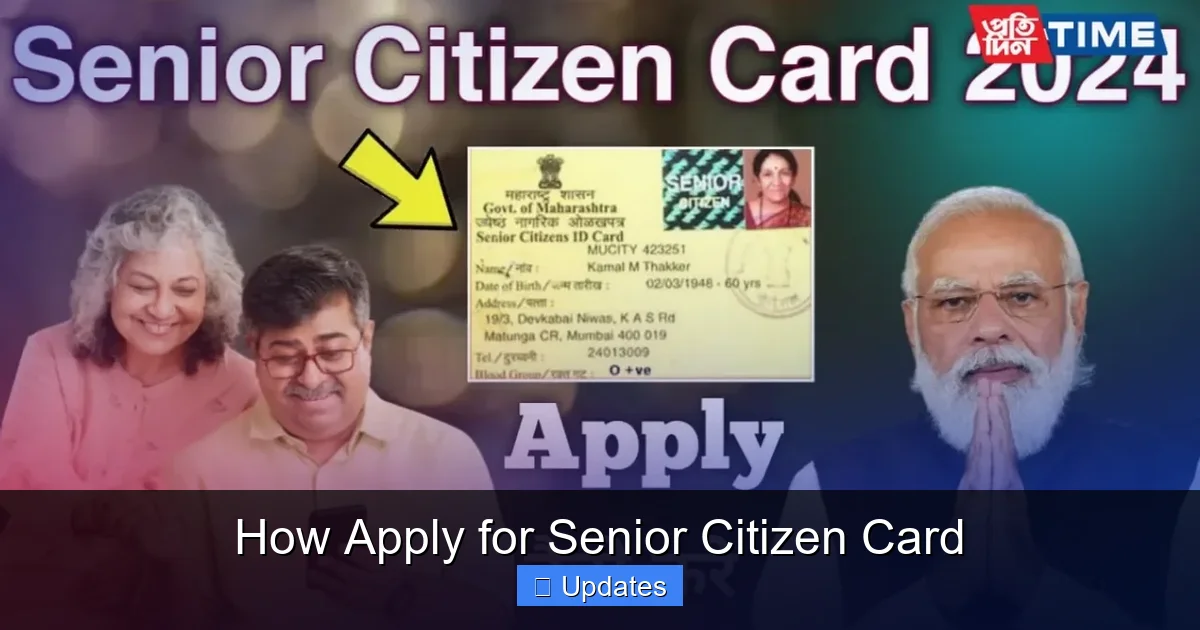
Visual guide about How Apply for Senior Citizen Card
Image source: img-cdn.publive.online
Commonly Needed Items
While specifics vary, here’s what you’ll almost always need:
- Proof of Age: Original or certified copy of your birth certificate. If yours was lost, contact the vital records office in your state of birth.
- Government-Issued Photo ID: Driver’s license, passport, or state ID card. Make sure it hasn’t expired.
- Proof of Residency: Utility bill, lease agreement, or mortgage statement showing your current address.
- Social Security Number: Usually listed on your Social Security card or W-2 form.
- Completed Application Form: Available online or at local offices.
For added peace of mind, make photocopies of everything before submitting. Some agencies keep digital copies, but having backups ensures you won’t lose originals during mailing or drop-offs.
Where and How to Apply
Now comes the exciting part: actually applying! The method depends on your location, but options generally fall into three categories: online, by mail, or in person.
Online Applications
Several states now offer digital submission portals. For instance, California residents can apply for their California Senior Citizen Identification Card directly through the DMV website. These platforms usually require uploading scanned copies of your documents and paying a small fee (often waived for low-income applicants).
Advantages of going digital include:
- Faster processing times (usually under two weeks)
- Ability to track your application status
- Convenience—no trips to government buildings
If you’re not tech-savvy, don’t stress! Many libraries and senior centers host free computer labs with staff willing to help walk you through the process.
Mail-In Applications
In areas without robust online systems, paper forms are still common. You’ll download or request the application from your local government site, fill it out neatly, attach your documents, and send it via certified mail. Include a self-addressed envelope if you want confirmation of receipt.
Tip: Double-check that all fields are completed accurately before sealing your envelope. Illegible handwriting or missing signatures will cause delays.
In-Person Submissions
Some municipalities insist on face-to-face interactions, particularly for first-time applicants. Visit your nearest city hall, county clerk’s office, or designated senior center. Staff there can verify your documents on-site and answer any last-minute questions.
This route works best if you prefer personal interaction or need accommodations due to mobility issues. Plus, you’ll receive your temporary card immediately while waiting for the permanent version to arrive by mail.
Processing Time and Receiving Your Card
After submission, patience becomes key. Processing durations range from 5 business days to six weeks, depending on volume and location. Urban centers with high demand may take longer than rural towns.
Here’s what to expect:
- Temporary Proof: If you applied in person, you might get a printed receipt valid until your permanent card arrives.
- Mail Delivery: Cards come in sturdy envelopes with tracking numbers in some cases. Keep an eye out for USPS notifications.
- Digital Versions: A few states issue mobile-friendly PDFs or QR codes you can save to your phone.
Once received, store your card securely—but not too securely! You’ll need to present it whenever claiming discounts, so leave a copy at home alongside your wallet. Also, note the expiration date. Renewal reminders usually arrive by mail or email, but it pays to mark your calendar anyway.
Using Your Senior Citizen Card Wisely
Getting the card is half the battle; using it effectively is the rest. Here’s how to maximize your savings:
Know Where to Use It
Not every business honors senior discounts universally. Always call ahead or check the establishment’s website. Some restaurants only offer deals Monday through Thursday, while pharmacies may require the card at checkout—not entry.
Pro tip: Carry your card everywhere, even when running quick errands. You never know when a surprise discount awaits!
Stay Updated on Policy Changes
Benefit structures evolve. A fare reduction that worked last year might increase next month. Subscribe to newsletters from your local transit authority or aging department to stay informed.
Also, revisit your needs annually. Maybe you no longer use public transport but could benefit from senior housing subsidies instead.
Renewing Your Senior Citizen Card
Most cards expire after one to two years. Renewal procedures mirror the original application—just faster and sometimes automated. Watch for renewal notices in the mail or through your online account.
If you’ve moved since your last application, update your address promptly. Otherwise, you risk receiving correspondence at an outdated location—or worse, missing critical updates about new benefits.
Special Considerations for Travelers
Planning a trip? Your senior card can simplify logistics. Airlines, hotels, and tour operators frequently offer age-based pricing, but policies differ widely. Research destination-specific rules early. For international travel, remember that foreign governments don’t recognize U.S. senior cards—so pack your passport alongside it.
Domestically, however, your card shines brightest. Amtrak, Greyhound, and regional bus lines accept it for discounted fares. Even national parks waive entrance fees for holders of valid senior IDs.
What If You Can’t Afford the Fee?
Good news: many programs waive application or replacement fees for qualifying low-income seniors. Documentation typically includes recent pay stubs, pension statements, or SNAP award letters. When in doubt, ask the issuing agency—they’re used to handling hardship cases and often have flexible solutions.
Additionally, some nonprofits cover costs entirely. Organizations like the National Council on Aging run outreach initiatives to help seniors navigate bureaucracy without added expense.
Final Thoughts
Obtaining your senior citizen card isn’t rocket science—but skipping steps or misinterpreting requirements can cost you time and money. By following this guide, you’ll streamline the process and start reaping rewards sooner. Remember, these benefits exist because society recognizes your contributions and wants to support your well-being in return.
Whether you’re celebrating your 60th birthday or already enjoying golden years, take pride in knowing you’re entitled to dignity, comfort, and value. And hey—if you ever help another senior through this process, you’re doing everyone a favor. After all, sharing knowledge keeps our communities strong.
Frequently Asked Questions
How old do I need to be to apply for a senior citizen card?
Eligibility age varies by location—most U.S. states begin at 65, but some cities allow applications starting at 55 or 60. Check your local government’s guidelines. For a breakdown by region, see this resource.
Do I need to pay a fee to get my senior citizen card?
Many jurisdictions charge a nominal fee, but low-income seniors often qualify for waivers. Fees typically range from $5 to $25. Contact your issuing agency for details on exemptions.
Can I use my senior citizen card for discounts outside my home state?
Yes! Most cards honor benefits nationwide, especially for transportation and healthcare. However, always confirm with individual businesses—discounts aren’t guaranteed everywhere.
What happens if I lose my senior citizen card?
Report the loss immediately and request a replacement. Most places allow online or in-person reissuance, though you may need to pay a small replacement fee unless exempt.
Is my senior citizen card accepted as official identification?
In some states like California, yes—it serves as valid ID for driving, banking, and voting. Other regions limit its use to discount purposes only.
How long does it take to receive my senior citizen card after applying?
Processing times vary from 5 days (for in-person submissions) to up to 6 weeks (mail or online). Track your application via the agency’s portal or customer service line.