
Recumbent Bike vs Upright Bike for Seniors


Adjustable Walker with Wheels

Electric Recliner Lift Chair

Orthopedic Sandals
Choosing between a recumbent bike vs upright bike is a big step toward staying active at home. Both machines offer great heart health benefits without the harsh impact of running or jogging. They keep your joints moving and help you build stamina safely indoors.
The right choice depends heavily on your mobility, joint health, and daily balance. Some seniors need deep back support, while others need a machine that fits in a small corner. Let us look closely at which design offers the best comfort and safety for older adults.
Quick Comparison
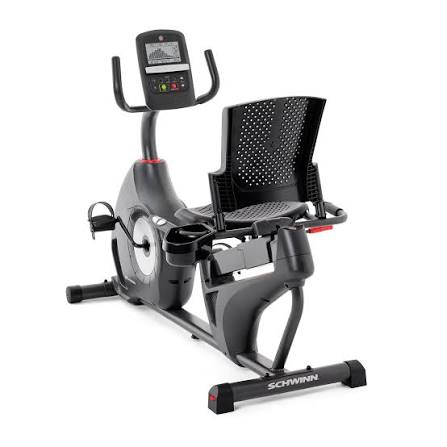
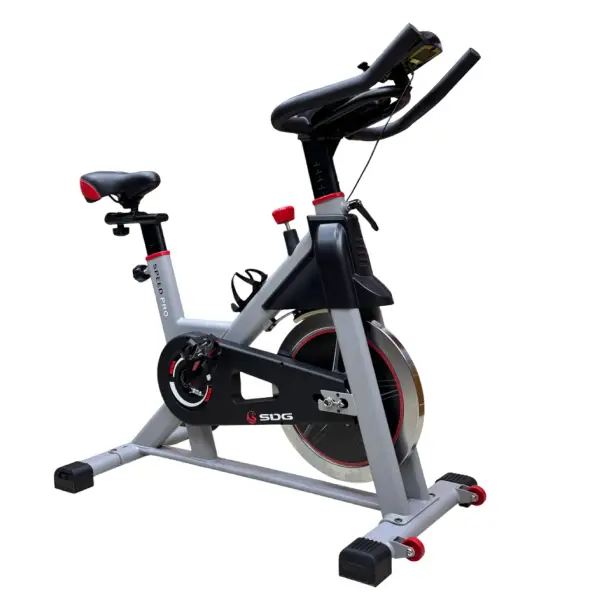
A recumbent bike is usually the safest and most comfortable choice for most seniors. It has a wide, chair-like seat with full back support. The pedals sit out in front of you, which reduces sharp strain on the knees, hips, and lower back. An upright bike takes up much less floor room and gives a classic cycling feel. However, it requires much better balance and a stronger core to use safely.
At-a-Glance Comparison
Here is a quick look at how these two exercise bikes compare. Review the core differences below to see what fits your body and your home space best.
| Feature | Recumbent Bike | Upright Bike |
| Seating Style | Wide chair with a backrest | Smaller saddle seat |
| Body Position | Reclined and fully supported | Upright or leaning forward |
| Joint Impact | Very low impact | Low impact |
Recumbent Bike Review
A recumbent bike places the rider in a relaxed, seated position. This design is highly popular in physical therapy clinics, hospitals, and senior living centers around the world.
Ease of Use
Most models feature a low, step-through frame. This means you do not have to lift your leg high in the air to get on the bike. You just sit down like you are taking a seat in a normal living room chair. The display screens are usually right in front of your face. You do not have to bend your neck down to read your speed or your time. Pedaling feels very smooth and requires zero upper body effort.
Key Strengths
- Provides excellent lower back and spine support.
- Wide seat is very comfortable for long exercise sessions.
- Step-through frame greatly reduces the risk of tripping.
- Places far less stress on the knee and hip joints.
- Leaves your hands completely free to read a book or hold a tablet.
Potential Drawbacks
- Takes up a lot of floor space in a bedroom or den.
- Often heavier and much harder to push around the house.
- Does not engage your core or stomach muscles very much.
Upright Bike Review
An upright bike mimics the exact feel of a standard outdoor bicycle. You sit directly above the pedals and hold onto tall handlebars in front of you.
Ease of Use
You must lift your leg over the frame to get on the seat. The seat sits higher up from the floor. You must lean forward slightly to reach the grips. This forward position requires some arm and core strength to hold your body up while you pedal. It is a more active posture that demands basic balance skills.
Key Strengths
- Takes up very little space in your home or apartment.
- Mimics the natural, familiar feel of riding a real bike.
- Engages stomach and back muscles to keep you steady.
- Lighter frame is much easier to roll into a closet.
- Usually costs slightly less money than larger reclined bikes.
Potential Drawbacks
- The small bicycle saddle can cause severe hip pain during long rides.
- Requires good standing balance to mount and dismount safely.
- Leaning forward can hurt your neck and lower back over time.
Ease of Use for Seniors
Getting on and off the equipment is often the biggest hurdle for older adults. A recumbent bike is much easier for seniors with stiff joints. You simply sit down. The low profile keeps you close to the ground, which feels very safe and secure. You never feel like you might tip over.
An upright bike requires you to step high over the body of the machine. You must balance on one foot for a brief moment. This can be tricky if you have bad knees or poor balance. However, an upright bike is easier to store away. If you need to move the bike daily so guests can walk through a room, the lighter upright model might be easier for you to manage.
Performance Comparison
Both machines provide wonderful cardiovascular workouts. They get your heart rate up, improve blood flow, and help you burn calories. The main difference lies in how they work your muscles during the ride.
A recumbent bike targets your hamstrings and lower glutes. It isolates your leg muscles because your upper body is completely resting against the pad. An upright bike gives a more full-body feel. You must use your core to stay upright. You also use your arms to brace yourself on the handles. Both give a great sweat, but the upright bike demands slightly more whole-body physical effort.
“Comfort is the secret key to consistency. The best exercise bike is simply the one you can ride comfortably for twenty minutes without any pain.”
Comfort, Accessibility, and Senior-Friendly Design
Comfort often decides whether an exercise routine lasts a week or a year. A recumbent bike wins easily in this category. The large, padded backrest supports the spine. Seniors with arthritis or back pain often find this is the only way they can pedal comfortably. It limits lower back fatigue entirely.
Upright bikes use standard bicycle saddles. These narrow seats can cause severe soreness after just a few minutes. Some seniors try to fix this by buying a thick gel seat cover. Still, the forward-leaning posture can strain the neck and shoulders. You have to look up to watch television, which can pinch neck nerves.
Features Comparison
Most modern exercise bikes come with very similar digital features. Here is how the physical and digital traits compare side-by-side for an older adult.
| Feature | Recumbent Bike | Upright Bike |
| Seat Style | Bucket seat with backrest | Standard narrow saddle |
| Handlebars | By the seat and the screen | Front of the screen only |
| Frame Design | Long and low to the ground | Tall and compact |
Price, Maintenance, and Long-Term Value
Exercise bikes require very little daily maintenance. You mostly just need to wipe down the seat and the screen after you sweat. Occasionally, you might need to use a wrench to tighten the pedals.
Upright bikes often cost slightly less because they use less metal and less plastic in the frame. You can find good models for a very fair price. Recumbent bikes are larger and more complex to build. They usually cost a bit more money up front. Both offer great long-term value because they have very few moving parts to break. A good bike can easily last ten years with basic care.
Here is a look at the basic cost and upkeep factors to keep in mind.
| Cost Factor | Recumbent Bike | Upright Bike |
| Upfront Price | Usually higher | Usually lower |
| Power Needs | Often needs a wall plug | Often uses batteries |
| Wear and Tear | Seat fabric may wear out | Pedal straps may snap |
Who Should Choose a Recumbent Bike?
- Choose this bike if you suffer from chronic lower back pain.
- Choose this bike if you have arthritis in your knees or your hips.
- Choose this bike if you worry about losing your balance or falling.
- Choose this bike if you want to read or watch TV comfortably while riding.
- Choose this bike if you need a step-through frame for very easy access.
Who Should Choose an Upright Bike?
- Choose this bike if you want a machine that takes up very little room.
- Choose this bike if you do not have severe joint pain or back pain.
- Choose this bike if you want to engage your core muscles while you ride.
- Choose this bike if you are used to riding a traditional outdoor bicycle.
- Choose this bike if you are on a tight budget and want a simple machine.
Final Verdict
Both machines offer a great way to stay active indoors during bad weather. However, one style is usually much better for the daily needs of older adults.
- Best for most seniors: Recumbent Bike
- Best for limited home space: Upright Bike
- Best for joint and back pain: Recumbent Bike
- Best value for a tight budget: Upright Bike
- Best for overall ease of use: Recumbent Bike
Scoring Summary
Here is a simple look at how these two machines compare across key senior needs. Review these numbers to help guide your final choice.
| Category | Recumbent Bike | Upright Bike |
| Ease of Use | 9/10 | 7/10 |
| Senior-Friendly Design | 10/10 | 6/10 |
| Space and Storage | 5/10 | 9/10 |
How We Evaluate Products
We look at exercise equipment through a very specific lens. We focus heavily on factors that matter to seniors. We look closely at ease of use, joint impact, and overall body comfort. Safety is always our top priority. We evaluate how easy a machine is to mount, operate, and maintain over time. We do not focus on extreme sports metrics. Instead, we look for practical, reliable value for daily home use.
Senior-Specific Buying Considerations
- Physical Effort: Will the seat height make it hard to get on? Look for low, step-through designs.
- Controls: Are the screen numbers large and bright? Look for simple, easy-to-push buttons.
- Seat Size: Does the seat provide enough thick padding for sensitive hips?
- Storage: Do you have a dedicated spot for the bike, or must you move it daily?
- Weight Limit: Always check the maximum weight limit on the box to ensure total frame stability.
Common Buying Mistakes
- Buying an upright bike without realizing how hard the small seat feels on the hips.
- Ignoring the heavy weight of a recumbent bike when you live in an upstairs apartment.
- Paying extra money for fancy touchscreens when you only want a simple, quiet workout.
- Forgetting to measure the floor space in your living room before ordering a large machine.
- Choosing a bike based only on the cheapest price, resulting in a wobbly, unsafe frame.
Safety
Safety should always come first when exercising at home. Always make sure the bike sits on a flat, even floor surface. Place it on a thick rubber mat to prevent sliding on wood floors. Make sure all power cords are tucked away safely so they do not become tripping hazards.
If you have a known heart condition, severe osteoporosis, or serious joint issues, please consult a healthcare professional before starting a new cycling routine. Always take your time getting off the machine. Stand up slowly to avoid sudden dizziness.
Here is a quick look at the main safety factors for both styles.
| Safety Factor | Recumbent Bike | Upright Bike |
| Fall Risk | Very low | Moderate |
| Knee Strain | Minimal | Moderate |
| Posture Safety | High support | Requires good core |
Conclusion
The choice between a recumbent bike and an upright bike comes down to your personal comfort and your floor space. A recumbent bike is widely considered the best choice for older adults. The large backrest, wide seat, and low step-through frame make it safe and painless to use daily. It actively protects the lower back and minimizes harsh stress on aging knees.
An upright bike is still a great tool for seniors who lack space and have very good balance. It provides an excellent workout with a very small footprint in the room. However, the small seat and forward posture can cause deep discomfort over time. For the safest, most sustainable daily habit, the reclined option usually wins.
