
Optimized Senior Living Assisted Living and Memory Care Loveland


Bedside Commode Chair

Large Print Keyboard

Non-Slip Bathroom Mat
Optimized senior living in Loveland blends personalized assistance with independence, creating a supportive environment for aging adults. It goes beyond basic care by integrating wellness programs, secure memory care neighborhoods, and a focus on purposeful living. Choosing the right community means finding a partner that prioritizes safety, engagement, and family collaboration.
Choosing a senior living community is one of the most significant and emotionally charged decisions a family can make. It’s a journey filled with questions, concerns, and a deep desire to ensure your loved one is safe, respected, and happy. In Loveland, Colorado, the landscape of senior care has evolved dramatically. The old model of institutional, task-oriented care has given way to a new philosophy: optimized senior living assisted living and memory care Loveland. This isn’t just a buzzword; it represents a holistic, resident-centered approach that integrates assistance, healthcare, wellness, and community into a seamless, dignified lifestyle. This guide will walk you through what optimized care truly means, how to evaluate Loveland communities, and how to make a confident, compassionate choice for your family’s future.
Key Takeaways
- Optimized care is personalized: It tailors support to individual needs, preferences, and health goals, moving away from a one-size-fits-all model.
- Safety and security are foundational: Modern communities feature thoughtful design, 24/7 staffing, and emergency response systems specifically for assisted living and memory care.
- Purpose and engagement are non-negotiable: A robust calendar of social, cognitive, and physical activities is essential for combating isolation and maintaining vitality.
- Memory care requires specialized expertise: Look for communities with dedicated neighborhoods, staff trained in dementia care, and therapeutic programming designed for cognitive impairment.
- Family partnership is key: The best communities view families as part of the care team, offering transparent communication, support groups, and involvement opportunities.
- Financial planning must be thorough: Understand the fee structure (rent vs. care levels), what insurance or benefits may apply, and the long-term financial commitment.
📑 Table of Contents
- What Does “Optimized” Really Mean in Senior Living?
- Assisted Living in Loveland: Supportive Independence
- Memory Care: Specialized Expertise for Cognitive Challenges
- Why Loveland? The Community Advantage
- How to Choose the Right Optimized Community for Your Loved One
- Financial Planning: Understanding the Investment in Care
- The Real Cost of Not Optimizing
What Does “Optimized” Really Mean in Senior Living?
The term “optimized” signals a shift from passive care to active enhancement of daily life. It means every aspect of the community—from its physical layout to its daily schedule—is intentionally designed to promote well-being, independence, and joy. An optimized senior living assisted living and memory care Loveland community operates on the principle that aging is not a decline to be managed, but a stage of life to be enriched.
The Pillars of an Optimized Approach
You can identify an optimized community by its commitment to these core pillars:
- Person-Centered Care Plans: Care is not dictated by a standard checklist. It begins with a deep conversation—listening to the resident’s life story, hobbies, routines, and goals. A former gardener might have planter boxes on their patio. A retired teacher may volunteer to read to preschoolers in the community’s intergenerational program. The care plan supports the person, not just the diagnosis.
- Holistic Wellness: Wellness encompasses more than physical health. Optimized communities offer programs for cognitive stimulation (like brain games or music therapy), emotional well-being (counseling, meditation groups), social connection (clubs, outings), and spiritual fulfillment (chaplain services, nature walks).
- Proactive Health Management: With on-site wellness nurses, regular health screenings, and partnerships with local physicians, these communities aim to prevent crises. Medication management is handled with precision, and changes in condition are communicated swiftly to families and doctors.
- Empowering Environment: The architecture and interior design eliminate hazards, promote wayfinding (especially crucial for memory care), and create beautiful, homelike spaces. Corridors are short, lighting is ample, and outdoor gardens are secure and inviting.
Assisted Living in Loveland: Supportive Independence
Assisted living is designed for seniors who need help with activities of daily living (ADLs) like bathing, dressing, medication, or mobility, but do not require the intensive medical care of a nursing home. In Loveland, optimized assisted living elevates this model.
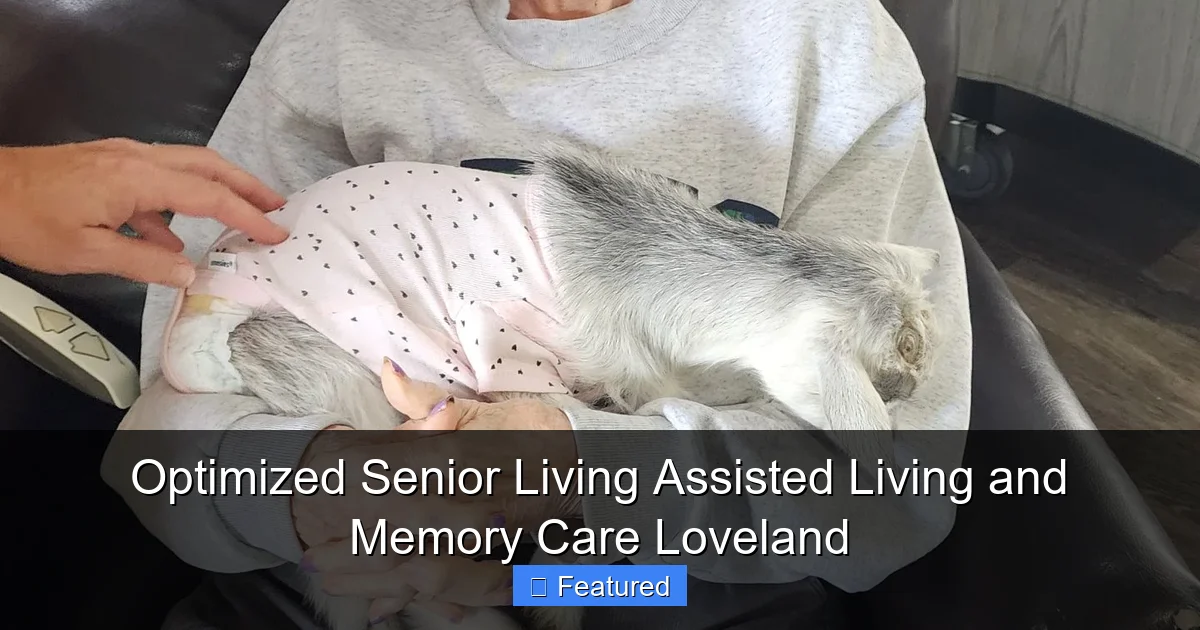
Visual guide about Optimized Senior Living Assisted Living and Memory Care Loveland
Image source: optimizedseniorliving.com
Beyond “Help”: Fostering Autonomy
The goal of assistance is to enable independence, not create dependence. Staff are trained as “care partners” who encourage residents to do what they can. For example, a resident who can dress themselves but needs buttons fastened is given the time and space to try first, with help only where needed. This preserves dignity and physical ability. You’ll notice this in communities that offer a choice of apartments, flexible meal times, and a la carte services so families only pay for what is truly needed. To understand the fundamental distinction between this and other levels of care, it’s helpful to review a resource like this guide on what assisted living is.
A Day in an Optimized Assisted Living Community
Imagine a typical Tuesday: Morning begins with coffee and a newspaper in the sunlit lobby. After a chef-prepared breakfast (with options), a resident might join a water aerobics class at the indoor pool, attend a book club, or work on a puzzle in the art studio. Lunch is a social event with multiple menu choices. The afternoon could involve a trip to the Loveland Museum or a gardening club. The support is always there—a discreet reminder about an afternoon medication, a gentle hand with a coat—but it doesn’t dominate the day. The focus is on living, not on being cared for.
Memory Care: Specialized Expertise for Cognitive Challenges
For families facing Alzheimer’s disease or other dementias, memory care is a critical consideration. This is more than assisted living with a secured door; it is a deeply specialized environment. Optimized senior living assisted living and memory care Loveland communities that excel in this area invest significantly in staff training, environmental design, and therapeutic programming.
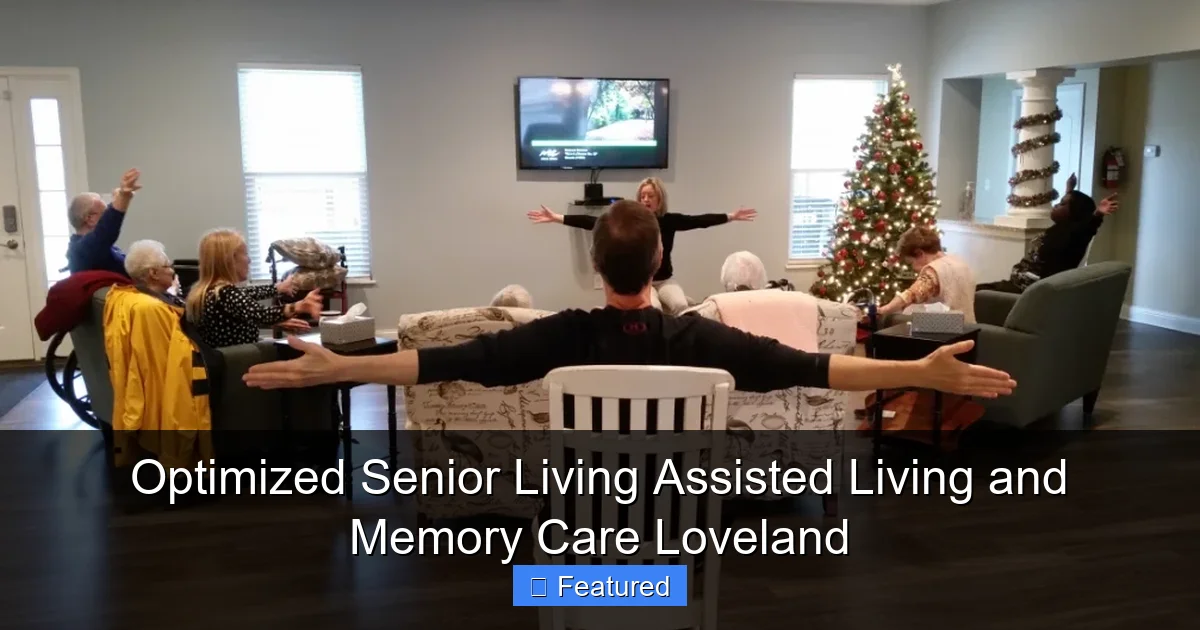
Visual guide about Optimized Senior Living Assisted Living and Memory Care Loveland
Image source: optimizedseniorliving.com
Understanding Dementia Progression
Dementia is progressive, and needs change. An optimized memory care program is adaptable. Early-stage residents may need more cognitive engagement and social opportunities to slow decline, while late-stage residents require more sensory-based, soothing interactions and extensive support with all ADLs. Look for communities that can clearly articulate their approach for each stage of the disease journey. Exploring the nuanced services available for memory loss senior care in other regions can provide a helpful benchmark for what comprehensive, tailored support looks like.
Therapeutic Design and Secure Freedom
The memory care neighborhood is a masterpiece of intuitive design. Color-coded corridors, large memory boxes outside apartments filled with personal photos, and secure, looping outdoor paths reduce anxiety and wandering risks. The environment is calm, with minimal confusing stimuli. Yet, within this secure perimeter, residents enjoy maximum safe freedom. They can walk to the garden, join a sing-along, or sit with a therapy dog without fear of getting lost. This balance of security and autonomy is paramount.
Why Loveland? The Community Advantage
Loveland isn’t just a location; it’s an integral part of the optimized living equation. The city’s size offers a strong sense of community while providing access to top-tier medical facilities like McKee Medical Center and the Anschutz Medical Campus in nearby Aurora. Its natural beauty—the foothills, the nearby Boyd Lake State Park—provides unparalleled opportunities for therapeutic outdoor activities, from gentle strolls to wildlife viewing.
A Culture of Engagement
Loveland has a vibrant arts scene (the Loveland Museum/Gallery, the Benson Sculpture Garden) and a calendar full of community events (Art in the Park, the Valentine Re-Mailing Program). An optimized community leverages these local assets, organizing regular outings that keep residents connected to the wider world. This intergenerational exposure is powerful for memory care residents and adds richness for all.
The Supportive Ecosystem
Being part of a larger metropolitan area like Northern Colorado means families have access to additional support services. From elder law attorneys to financial planners specializing in long-term care, the ecosystem is robust. Furthermore, the concentration of senior living communities in the area fosters healthy competition, driving innovation and higher standards in optimized senior living assisted living and memory care Loveland.
How to Choose the Right Optimized Community for Your Loved One
With several excellent options, how do you select the right one? This requires detective work and trust in your instincts.
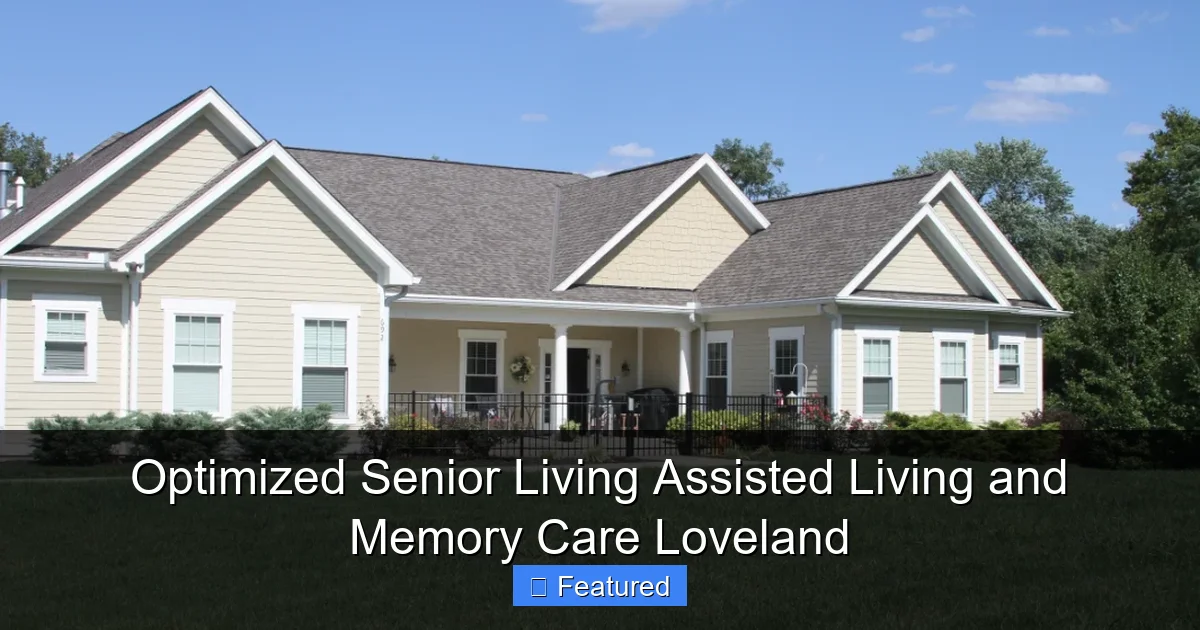
Visual guide about Optimized Senior Living Assisted Living and Memory Care Loveland
Image source: optimizedseniorliving.com
The Two-Visit Rule (At Least)
Never decide based on one tour. First, schedule a daytime visit unannounced. Observe the energy. Are staff interacting with residents warmly, or are they clustered at the nurse’s station? Is the common area lively or quiet and empty? What does it smell like? (A clean, home-like scent is good; a strong urine smell is a red flag). Then, schedule a second visit in the evening or on a weekend to see a different operational rhythm. During both visits, talk to current residents and their families if possible. Their unfiltered experience is the most valuable review you can get.
Ask the Right Questions
Move beyond brochure questions. Ask:
- “Can you tell me about a resident whose care plan was recently adjusted because you learned something new about them?” (Tests person-centeredness).
- “What is your staff turnover rate for caregivers in the memory care unit?” (High turnover disrupts relationships, which is critical for dementia care).
- “Describe a typical conflict between two residents. How is it resolved?” (Reveals philosophy and training).
- “What happens if my loved one’s needs increase significantly in 6 months? How will the care plan and costs change?” (Tests transparency and flexibility).
Trust Your Gut
After your research, ask yourself: Did the staff seem genuinely happy to be there? Did the administrator make eye contact and answer questions directly, or were they vague and salesy? Does the environment feel like a home or an institution? Your emotional response is a vital data point.
Financial Planning: Understanding the Investment in Care
High-quality, optimized care is an investment. Costs in Loveland vary widely based on community, apartment size, and level of care. Assisted living typically ranges from $3,500 to $6,000+ per month. Memory care, due to higher staffing ratios and specialized programming, adds a $1,000 to $3,000+ premium. Understanding the fee structure is crucial.
Decoding the Pricing Model
Most communities use one of two models:
- All-Inclusive: A single monthly fee covers rent, meals, housekeeping, and a base level of care. Additional services (like more extensive bathing assistance) cost extra. This model offers predictability.
- Fee-for-Service: A lower base rent for the apartment, with separate, itemized charges for each care service (e.g., $X per hour for dressing assistance). This can be more affordable initially but costs can escalate quickly if needs increase.
Exploring Payment Sources
It’s vital to understand what resources are available. While Medicare does not cover long-term assisted living, it may cover some short-term rehabilitation stays. Medicaid (in Colorado, the Old Age Pension program) may assist with costs for those who qualify financially and have significant care needs. Long-term care insurance is a primary payer for many. Veterans and their spouses may qualify for the VA’s Aid and Attendance benefit, a significant monthly stipend. Consulting with a senior financial advisor or elder law attorney is a wise step to navigate these complex options and protect assets.
The Real Cost of Not Optimizing
It’s worth considering the cost of choosing the wrong community. A poorly matched environment can lead to increased falls, untreated depression, faster cognitive decline, and family strife. The “savings” from a less expensive, non-optimized community can be obliterated by the need for more frequent hospitalizations or a premature move to a higher level of care. The goal is to find the *right* level of support to maintain health and happiness, which ultimately provides the best value.
Frequently Asked Questions
How much does optimized senior living assisted living and memory care cost in Loveland?
Costs vary significantly. For assisted living, expect $3,500 to $6,000+ monthly. Specialized memory care typically adds $1,000 to $3,000+ to that base. Pricing depends on apartment size, community amenities, and the specific level of care required. Always request a detailed, all-inclusive fee schedule.
What is the main difference between assisted living and memory care in Loveland?
Assisted living supports daily activities and medication management for those who are generally cognitively intact. Memory care is a specialized, secured environment within or adjacent to an assisted living community, designed specifically for Alzheimer’s and dementia. It features enhanced staff training, therapeutic programming, and a secure, intuitive layout to ensure safety and reduce anxiety for residents with cognitive impairment.
When is the right time to consider memory care for a loved one?
Consider memory care when safety becomes a concern at home (wandering, leaving the stove on), when caregiver stress is overwhelming, or when the person with dementia is increasingly isolated, agitated, or unable to manage daily routines. A diagnosis of mid-stage dementia is often the trigger point for needing this 24/7 specialized environment.
What should I look for regarding staff in an optimized Loveland community?
Look for low turnover, which indicates a healthy workplace. Ask about specific dementia care training (like the Teepa Snow or Naomi Feil methods). Observe interactions: do staff know residents by name and engage them in conversation? The caregiver-to-resident ratio should be clearly stated, and it should be higher in the memory care neighborhood.
Can I visit my loved one in memory care anytime?
Yes, visiting is encouraged at any reasonable hour. However, some communities have set visiting hours for memory care to maintain a calm, predictable routine for residents, especially during evenings when “sundowning” (increased confusion) can occur. The best communities welcome families as care partners and offer flexible, supportive visiting policies.
What types of activities are essential in an optimized community?
Look for a robust, daily calendar that includes a mix of social (coffee clubs, happy hours), cognitive (brain games, book discussions), physical (chair yoga, walking groups), and sensory (music, art, pet therapy) activities. For memory care, activities should be failure-free, engaging multiple senses, and tied to long-term memory (like baking, gardening, or listening to music from their youth).