
New Standard Senior Living at Millville Photos


Sock Aid for Seniors

Smart Digital Photo Frame

Anti-Glare Reading Glasses
Photos are your window into daily life at New Standard Senior Living at Millville. This guide teaches you to look beyond staged marketing images. We reveal what authentic community photos should show, how to decode them, and why they’re critical for your decision. Learn to spot the difference between polished brochures and genuine resident happiness to choose the right home with confidence.
Let’s be honest. When you’re researching senior living for yourself or a loved one, the first thing you click on is the photo gallery. You want to *see* the place. You want to picture yourself or your parent having coffee in the dining room, gardening on the patio, or laughing in the activity room. But here’s the crucial question: what are you really looking at when you browse New Standard Senior Living at Millville photos?
In today’s digital age, every community has a sleek website with beautiful pictures. But the gap between marketing glamour and daily reality can feel like a chasm. Your ability to read between the pixels of these photos is one of your most powerful tools for making a safe, happy, and informed choice. This isn’t about being cynical; it’s about being smart. We’re going to turn you into a savvy photo detective, specifically for evaluating communities like New Standard Senior Living at Millville.
Key Takeaways
- Authenticity Over Polish: Seek photos showing genuine resident interaction, not just pristine, empty rooms. Candid moments reveal true community culture.
- Look for Consistency: A mix of professional and resident-taken shots across different areas and times indicates transparency.
- Details Matter: Zoom in on small touches like personal items on shelves, worn furniture, and activity supplies to gauge lived-in comfort.
- Virtual Tours Complement Photos: Use 360° walkthroughs to gauge spatial flow and size, which flat photos can misrepresent.
- Ask About Photo Recency: Communities that update their galleries regularly, especially post-renovations, show pride and current reality.
- Photos Are a Starting Point: They should prompt specific questions for your tour, not replace an in-person visit.
- Beware of Stock Imagery: Generic, overly perfect photos that lack community-specific details are a red flag for lack of transparency.
📑 Table of Contents
- Why Photos Matter More Than the Brochure (Ever)
- The Anatomy of an Authentic Community Photo
- Decoding What You See: A Resident’s Perspective
- Beyond Static Images: The Rise of Virtual Experiences
- The Ethics of Senior Living Photography: Consent & Dignity
- Your Photo-Powered Decision Checklist
- Conclusion: Seeing is Believing, But Understanding is Deciding
Why Photos Matter More Than the Brochure (Ever)
Words are easy to craft. “Vibrant community,” “caring staff,” “resort-style amenities.” These phrases are standard. A photograph, however, is a claim of evidence. It’s a snapshot of a moment the community chose to share with the world. That choice is incredibly telling.
The Emotional Blueprint
Photos bypass our logical filters and speak directly to our emotions. A picture of a resident genuinely smiling while playing cards with friends creates an instant, visceral feeling of “that could be me.” A stunning picture of a chef’s plated meal makes your stomach anticipate good food. You’re not just seeing a room; you’re feeling a potential future. This emotional blueprint is why photo galleries are the most visited page on any senior living website. The key is ensuring that blueprint is built on a real foundation, not a fantasy.
When you look at New Standard Senior Living at Millville photos, you’re subconsciously assessing three things: 1) Safety & Cleanliness (Are floors polished? Are corners clutter-free?), 2) Social Vitality (Do people look engaged? Are there group activities?), and 3) Personalization (Can residents bring their own furniture? Are there personal touches?). A great photo gallery will answer these questions visually.
The “Stock Photo” Trap
Here’s a major red flag. If the people in the photos look like they’re from a generic stock image website—too perfectly diverse, too staged, with backgrounds that don’t match the specific architecture of Millville—be wary. Authentic communities use photos of their actual residents and their actual spaces. The smiles might be a little less perfect, the lighting a little more natural, but the reality is 1000% more valuable. You’re investing in a home, not a stock photo portfolio.
The Anatomy of an Authentic Community Photo
So, what separates a powerful, authentic photo from a hollow marketing shot? It’s all in the details. As you scroll through any gallery, including for New Standard Senior Living at Millville, put on your detective glasses.
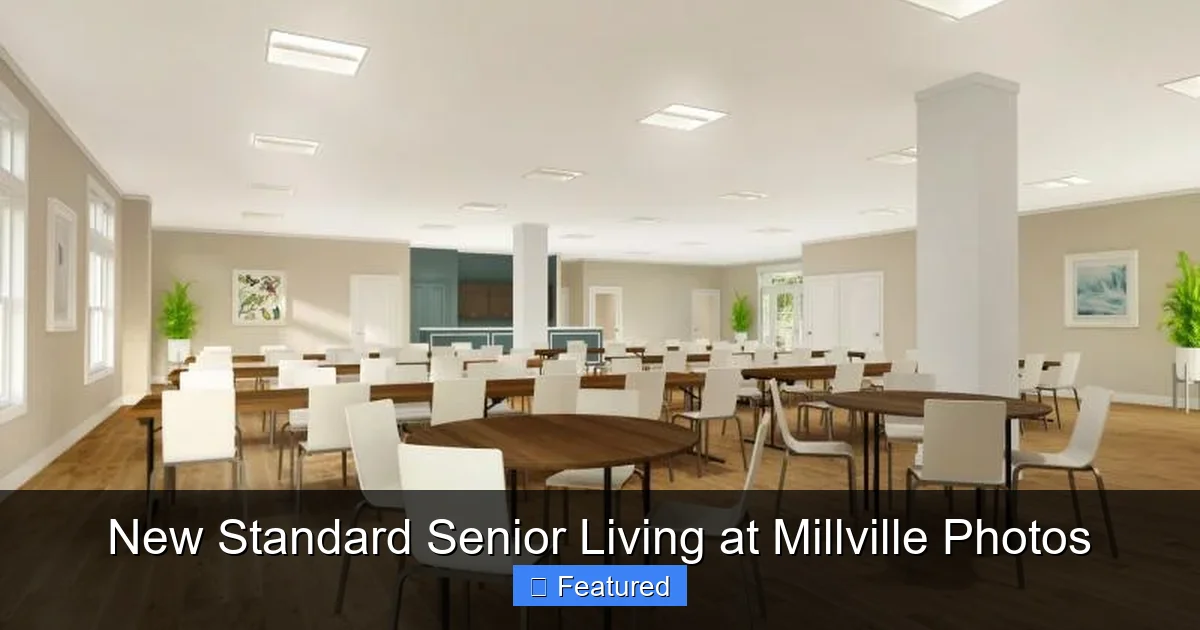
Visual guide about New Standard Senior Living at Millville Photos
Image source: seniorliving.com
The “Lived-In” Test
Look for the beautiful mess of life. Is there a half-knitted scarf on an armchair in the craft room? Are there a few magazines on a coffee table in the lounge? Is there a personal photo on a nightstand in a resident apartment sample? These aren’t flaws; they are proof. They show that people actually *use* these spaces. An empty, sterile room with everything angled perfectly for the camera is a room no one lives in. Ask yourself: does this look like a home, or a showroom?
The People, Not Just the Place
A community is its people. A gallery that is 90% empty rooms and 10% staged group shots is telling you something. You want to see a majority of photos featuring residents. But not just posed headshots. Look for:
- Candid Moments: Someone concentrating on a puzzle, a group sharing a laugh over a meal, a resident and staff member having a quiet conversation.
- Diverse Activities: Not just bingo. Look for fitness classes, gardening, book clubs, music therapy, religious services, and quiet contemplation areas. This shows a robust, person-centered activity program.
- Natural Interactions: Do staff members look engaged and happy? Are they interacting with residents, or just standing in the background? Staff morale is visible in photos.
This is where comparing to other communities can be insightful. Take a look at the photo galleries for places like Avery Point Senior Living Community or Cardigan Ridge Senior Living. Notice the balance between environment and human connection. That balance is what creates a true “home.”
Decoding What You See: A Resident’s Perspective
Now, let’s get practical. You’re looking at a photo from the New Standard Senior Living at Millville website. What does it mean?
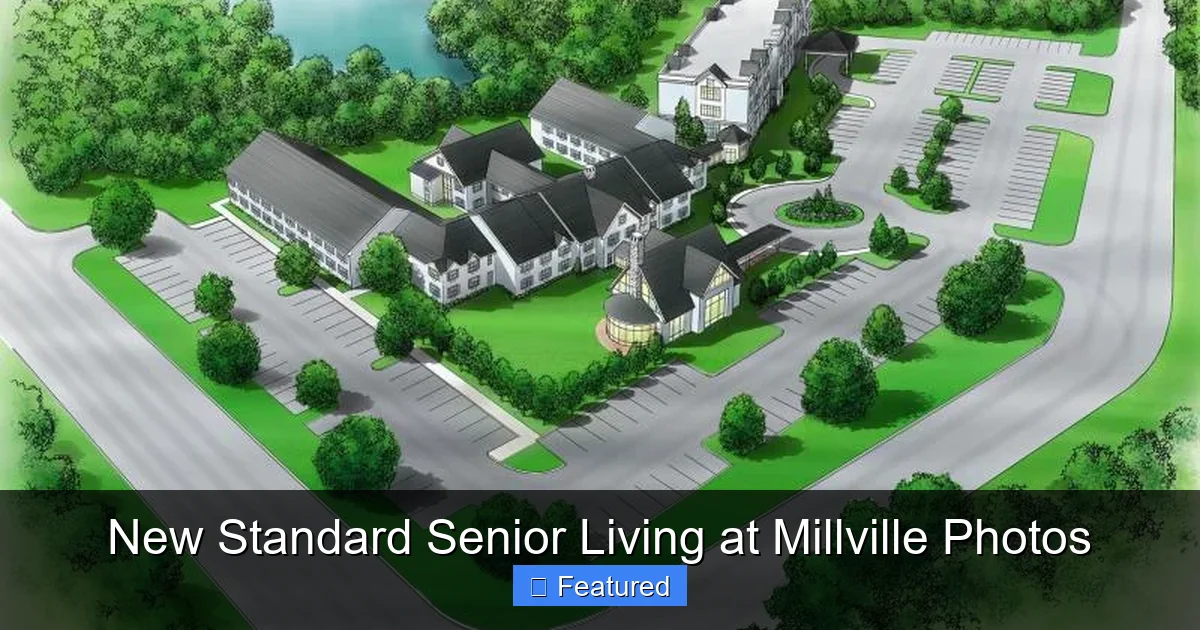
Visual guide about New Standard Senior Living at Millville Photos
Image source: seniorliving.com
The Apartment/Suite Sample
These are often model units. That’s fine, but decode them carefully.
- Furniture: Is it standard issue (all the same) or does it look like a mix that suggests residents bring their own pieces? The latter is a huge plus for personalization.
- Size & Layout: Use a virtual tour (more on that next) to get real dimensions. Photos can make a small room look large through wide-angle lenses. Measure your own furniture and picture it in the space.
- Storage: Open closet doors. Are there adequate shelves and hanging space? Look for kitchen cabinet depth. Storage is a constant senior living challenge.
The Common Areas: The Heart of the Community
This is where life happens.
- The Dining Room: Is it set for a meal? Do tables have different configurations (for couples, for larger groups)? Is there a choice of seating (booths, tables, chairs by the window)? A rigid dining setup can feel institutional.
- Activity & Lounges: Are there multiple, distinct spaces? A quiet library nook, a bustling game room, a cozy TV lounge. One mega-room often means noise and lack of choice.
- Outdoor Spaces: Are they accessible? Are there shaded seating, walking paths, gardening plots? Look for railings, smooth surfaces, and plenty of places to sit and enjoy fresh air.
The “Invisible” Clues
Sometimes the most important things aren’t in the frame.
- Lighting: Is it warm and inviting, or harsh and fluorescent? Natural light is a huge quality-of-life factor.
- Art & Décor: Is it generic, or does it feel curated? Local art, resident-created pieces, and varied décor suggest a community that invests in creating a unique, non-institutional atmosphere.
- Technology: Look for visible Wi-Fi signs, charging stations, TV remotes, and emergency call systems. This shows modern integration.
Remember, the goal of senior living is to maintain independence and engagement. The environment should support that. If the photos feel like a hospital or a hotel lobby, that’s a significant signal. You want a place that feels like a neighborhood. For some, the level of care needed might mean considering a more medical model, but for independent or assisted living, the home-like environment is paramount.
Beyond Static Images: The Rise of Virtual Experiences
Photos are 2D. A community is 3D. This is where virtual tours (360° walkthroughs) become your best friend. A good virtual tour, often powered by platforms like Matterport, allows you to click your way through hallways, peer into rooms, and get a real sense of scale and flow.

Visual guide about New Standard Senior Living at Millville Photos
Image source: seniorliving.com
Why a Virtual Tour is Non-Negotiable
You cannot judge the size of a living room from a wide-angle photo. That “spacious” suite might feel cramped once you walk in. A virtual tour helps you:
- Gauge Traffic Flow: Are hallways wide enough for a walker or wheelchair? Is the path from the apartment to the dining room logical and short?
- Assess Noise Levels: While you can’t hear, you can see flooring materials. Carpet in hallways muffles sound; tile echoes. You can also see if activity rooms are adjacent to quiet areas.
- Find the “Hidden” Spaces: Discover where the family visiting room is, how far the laundry room is from apartments, and where the staff stations are located.
If New Standard Senior Living at Millville offers a virtual tour, use it. Navigate it slowly. Click on every “tag” that explains features. This is the closest you can get to being there without a flight. Treat it as a preliminary walkthrough. If a community doesn’t offer a virtual tour in this day and age, that’s a legitimate question to ask why during your inquiry.
Matching Photos to the Tour
Here’s a pro tip: While watching the virtual tour, have the photo gallery open on another screen. Does the lounge you’re walking through look exactly like the lounge in the photo? Does the color of the walls match? This cross-referencing tests consistency. If the virtual tour shows a different, perhaps more worn, reality than the polished photos, that’s a serious discrepancy you must address directly with the sales director. Transparency is key.
The Ethics of Senior Living Photography: Consent & Dignity
This is a deeply important, often overlooked, aspect. When you see photos of residents, you should be able to assume their consent and dignity were respected.
Looking for Signs of Respect
Authentic, ethical photography in senior living should:
- Avoid “Othering”: Photos shouldn’t portray residents as frail or pitiable. They should show capability, joy, friendship, and engagement.
- Show Diversity Naturally: A community should reflect the diversity of its surrounding area. But this diversity should be organic, not forced into a single “perfect” group shot.
- Protect Privacy: You should rarely, if ever, see a photo taken from behind a resident looking into a private apartment window or bathroom. Public spaces are fair game with consent; private spaces are not.
If a community uses photos, they should have a clear media consent policy for residents and families. You can ask about this. It speaks volumes about their values and respect for resident autonomy. The best communities, like those highlighted in guides such as Celebrate Senior Living of Niles or Lutheran Senior Services Laclede Groves, are proud of their resident-centered culture and it shows in their imagery.
Your Photo-Powered Decision Checklist
Armed with this new lens, create a systematic approach. Don’t just scroll; analyze.
Step 1: The Initial Scan (5 minutes)
Look at the overall feel. Is it warm or cold? Are there many photos of people? Do the colors feel inviting? This is your gut check.
Step 2: The Detail Dive (15 minutes)
Open 10-15 photos in tabs. Zoom in on corners. Look at floors, windows, furniture textures. Note the variety of activities shown. Is there a balance of quiet and lively spaces?
Step 3: The Consistency Check (5 minutes)
Compare two photos of the same space taken from different angles or at different times. Does the décor match? Does the wear and tear seem consistent? This fights against selective “best angle” staging.
Step 4: The Question Generation (Ongoing)
Let the photos spark your questions for the tour. “I saw a photo of the craft room—what kinds of projects do residents do?” or “I noticed the dining room has booths; are those for everyone or just for certain meal times?” This shows the sales team you’ve done your homework and are serious.
Finally, use photos to facilitate family discussions. Show the gallery to siblings or adult children who can’t tour with you. Ask, “What do you think Mom would feel most at home in?” Visuals create a shared reference point, making the decision-making process less abstract and more collaborative.
Conclusion: Seeing is Believing, But Understanding is Deciding
The New Standard Senior Living at Millville photos are your first, most accessible conversation with the community. They are a promise of a lifestyle. Your job is to determine if that promise is rooted in reality. By learning to decipher the language of authentic photography—seeking the “lived-in” details, valuing candid human moments, leveraging virtual tours for scale, and respecting ethical representation—you transform from a passive browser into an active, empowered investigator.
This journey isn’t about finding a perfect, Instagram-ready life. It’s about finding a genuine, comfortable, and engaging home where real people live real lives. The right photos will give you a hopeful, realistic glimpse into that future. Use them to build your shortlist, formulate your deepest questions, and ultimately, to walk into your chosen community with your eyes wide open and your heart ready to see the true potential. The perfect photo isn’t the one with the best lighting; it’s the one that makes you think, “I can see myself here, truly.”
Frequently Asked Questions
How can I tell if photos of New Standard Senior Living at Millville are staged or authentic?
Look for “lived-in” details like personal items on shelves, natural candid interactions between residents, and a variety of everyday activities. Staged photos often feature perfectly arranged, empty rooms with people posing unnaturally. Authentic galleries mix professional shots with more casual, moment-driven imagery.
Should I trust the virtual tour as much as an in-person visit?
A virtual tour is an excellent preliminary tool for understanding layout, size, and flow, but it cannot replicate sensory details like smell, ambient sound, or the feel of a space. Use it to narrow your choices and formulate questions, but an in-person visit is always essential for the final decision.
What should I do if the online photos look much nicer than what I see on the virtual tour?
This is a significant red flag for inconsistency. During your in-person tour, directly and politely ask about the discrepancy. For example, “I noticed the lounge in the virtual tour looks a bit different from the website photos. Has there been a recent update or change?” Their answer will tell you a lot about their transparency.
How often should a senior living community update its photo gallery?
Ideally, galleries should be updated at least seasonally to reflect changing activities and décor, and immediately after any major renovations. A gallery that looks exactly the same for two years suggests stagnation or a lack of pride in the current state of the community.
Can I use these photos to help my parent who is resistant to moving visualize the option?
Absolutely. Showing photos is a powerful way to reduce fear and build familiarity. Focus on photos that match their interests—a library nook for a reader, a garden for a gardener, a woodworking shop for a handyman. Let the visuals start the conversation about a possible new chapter.
Are there copyright issues with sharing or saving these community photos?
Yes, photos on a community’s website are copyrighted material owned by the community or their photographer. You can save them for personal reference and to share with immediate family involved in the decision, but you should not republish them on social media, blogs, or other public platforms without explicit permission.