
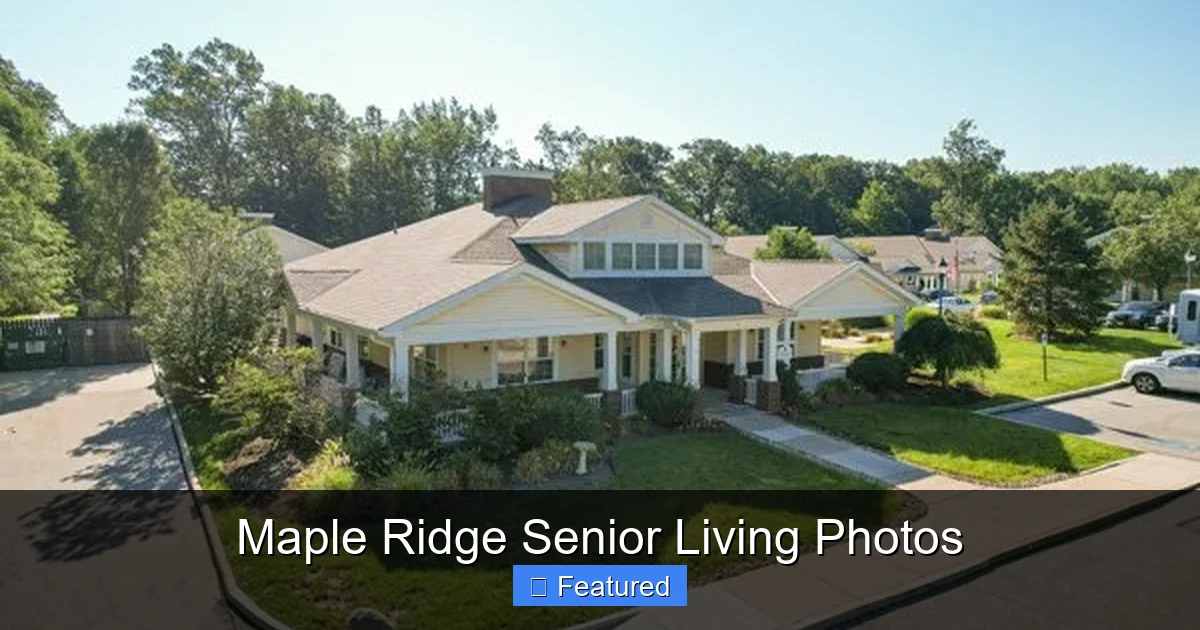
Maple Ridge Senior Living Photos


Bed Exit Alarm Sensor

Non-Slip Bathroom Mat

Toilet Safety Rails
Photos are your first real glimpse into a senior living community. Maple Ridge Senior Living photos offer an unfiltered view of daily life, spaces, and resident engagement. Learning to read these images critically helps you assess safety, comfort, and community culture before scheduling a visit, saving time and ensuring the community aligns with your expectations.
Choosing a senior living community is one of the most significant and emotional decisions a family can make. You’re not just selecting a building; you’re choosing a new home, a social circle, and a support system for your loved one. In today’s digital age, your search often begins long before you step through the front doors. It begins with a click, with a scroll through a gallery of images meant to sell a dream. This is where Maple Ridge Senior Living photos become an incredibly powerful—and sometimes misleading—tool. Understanding how to interpret these images is a critical skill for any family navigating this journey. This guide will transform you from a passive viewer into a discerning investigator, teaching you exactly what to look for, what to question, and how to use visual evidence to make a confident, informed choice.
We live in a world of carefully curated Instagram feeds and professional real estate photography. It’s easy to be swayed by a stunning shot of a beautifully set dining table or a perfectly lit lounge chair. But the true story of a community is often found in the corners, in the expressions of the residents, and in the little details that marketing teams might overlook. Maple Ridge Senior Living photos, when viewed with a trained eye, can tell you about the community’s priorities, its maintenance standards, and the genuine happiness of its residents. They can answer questions brochures gloss over: Is the furniture comfortable and functional? Do the common areas feel lively or like a museum? Is the outdoor space accessible and inviting? Let’s dive deep into the visual narrative and learn to read between the pixels.
Key Takeaways
- Authenticity Over Polish: Prioritize photos that show genuine, un-staged moments of resident life over overly curated marketing images.
- Details Matter: Examine photos for cleanliness, maintenance, natural lighting, and accessibility features like handrails and flooring.
- Compare Contextually: Use photos to compare Maple Ridge not just to other communities, but to the specific needs and preferences of your loved one.
- Virtual Tours Complement Photos: Video walkthroughs provide spatial context that still images cannot, revealing flow and scale.
- Ask for Recent & Specific Images: Don’t hesitate to request current photos of specific apartments, dining rooms, or activity areas you’re interested in.
- Look for Resident Engagement: Photos showing genuine interaction, smiles, and participation in activities are strong indicators of community morale.
- Photos Are a Screening Tool: They help narrow down options efficiently, but an in-person visit remains irreplaceable for the final decision.
📑 Table of Contents
- The Power of the Picture: Why Visuals Trump Brochures in Senior Living
- Decoding the Scene: A Checklist for Evaluating Maple Ridge Senior Living Photos
- What Quality Photos Reveal (and What They Hide) About Community Life
- Using Photos as a Comparative Tool: Maple Ridge vs. The Rest
- Practical Tips for the Photo-Driven Search: From Screen to Reality
- Beyond Static Images: The Rise of Virtual Tours and Video
- The Final Verdict: Photos as a Starting Point, Not the Finish Line
The Power of the Picture: Why Visuals Trump Brochures in Senior Living
Words can promise anything. “Vibrant community,” “resort-style amenities,” “caring staff”—these are common phrases on any senior living website. But a photograph is a document of reality, or at least a curated slice of it. When you look at Maple Ridge Senior Living photos, you are seeing evidence. The question is, what kind of evidence is it? The most valuable photos are those that capture unscripted moments: a resident laughing with a friend in the library, a staff member patiently helping someone with a puzzle, sunlight streaming through a clean window onto a well-worn but cozy armchair. These images speak to the lived experience, not the marketed ideal.
The Difference Between Marketing Shots and Candid Moments
Develop a split-screen mentality in your mind. On one side, you have the “marketing shot”: a flawless model (often not an actual resident) smiling in a perfectly arranged room with generic, expensive-looking furniture. The lighting is soft, the angles are perfect, and everything is spotless. This shot tells you about the community’s budget for professional photography, but very little about daily life. On the other side, you have the “candid moment”: perhaps a slightly cluttered activity room with art supplies on a table, residents engaged in a conversation that looks genuine, a hallway with a walker parked beside a door. This shot tells you about the community’s rhythm, its priorities (activity over perfection), and its resident population. When browsing Maple Ridge Senior Living photos, actively seek out the latter. They are the gold standard for truthful insight.
Ask yourself: Do the people in the photos look like they belong there? Are their expressions natural? Is the environment livable, or does it look like a showroom? A community that proudly displays many candid, authentic photos is often more confident in its day-to-day reality. This transparency is a huge positive sign.
Decoding the Scene: A Checklist for Evaluating Maple Ridge Senior Living Photos
Now, let’s get tactical. You need a systematic way to examine each image. Think of yourself as a detective, and every photo is a clue. Here is a practical, room-by-room checklist to apply to any Maple Ridge Senior Living photos you encounter.

Visual guide about Maple Ridge Senior Living Photos
Image source: maple-ridge.seniorlivinginstyle.com
Common Areas: The Heart of Community Life
Start with the social hubs—the main lounge, dining room, library, and activity rooms. These are the most photographed spaces for a reason.
- Atmosphere & Layout: Does the space feel open and welcoming, or cramped and segmented? Is furniture arranged for conversation (chairs in clusters) or just for formal display (all facing one way)? Look for multiple seating options: cozy armchairs, small tables for two or four, and larger tables for groups. A variety suggests the community caters to different social preferences.
- Lighting & Cleanliness: Are the lights warm and inviting, or harsh and fluorescent? Natural light is a huge plus. Check for dust on surfaces, stains on carpets, or fingerprints on glass. A well-maintained common area is non-negotiable for a quality community.
- Resident Presence: Are there residents in the photos? More importantly, are they engaged with each other or just sitting passively? Look for body language: leaning in, making eye contact, participating in an activity. A room full of empty, perfect furniture is a red flag.
- Accessibility: Can you see clear pathways? Are there potential trip hazards like uneven rugs or electrical cords stretched across walkways? Look for the presence of handrails on walls, especially near transitions in flooring or steps.
Resident Apartments: Your Private Sanctuary
Apartment photos are crucial, but they are also the most likely to be staged. Be extra critical here.
- Size & Flow: Use known objects for scale. Is there room for a comfortable chair, a small sofa, a bed, and a dresser without feeling crowded? Can you visualize a walker or wheelchair turning in the space? Pay attention to door widths and bathroom entries.
- Storage: Look for closets—are they deep and well-organized in the photo? Is there sufficient kitchen counter space and cabinet room? Storage is a perennial issue in downsizing; ample, smart storage is a major asset.
- Natural Light & Views: Do the windows look large? Can you see what’s outside? A pleasant view (trees, gardens, a quiet street) dramatically improves quality of life. A window looking directly into a neighbor’s apartment or a blank wall is less desirable.
- Finishes & Condition: Examine the flooring (is it low-pile carpet for easier mobility?), the countertops, and the fixtures. Do they look new, well-maintained, or dated and worn? This indicates the community’s investment in its inventory.
- Personalization Potential: Does the room look like a blank canvas, or is it so filled with standard furniture that there’s no room for a resident’s own belongings? The ability to make a space feel personal is key to feeling at home.
Dining & Nutrition: More Than Just a Meal
Food is a cornerstone of senior living satisfaction. Photos of meals can reveal a lot.
- Presentation & Variety: Does the food look appetizing and varied? Is it colorful (a sign of vegetables and fresh ingredients) or monochrome (often starches and processed items)? Look for photos of actual plated meals, not just empty tables with salt and pepper shakers.
- Setting: Is the dining room bright and cheerful? Are tables set nicely? Do residents appear to be enjoying their meals and conversing? A dining experience that feels like a restaurant, not a cafeteria, is a strong indicator of a community that cares about the full resident experience.
- Special Diets: Can you find any photos that suggest accommodations for dietary needs—like a diabetic-friendly dessert option, a pureed meal, or a kosher/halal plate? This shows a commitment to individualized care.
Outdoor Spaces: Vital for Wellbeing
Access to the outdoors is not a luxury; it’s essential for mental and physical health, especially for mobility-limited seniors.
- Accessibility: Are pathways smooth, wide, and free of steps? Are there benches or seating areas placed at regular intervals? Are ramps present where needed? The best outdoor spaces are easily navigable with a walker or wheelchair.
- Engagement: Is the space designed for activity? Look for gardens (raised beds for gardening), walking paths, putting greens, or shaded patios with tables. A simple patch of grass is underutilized potential.
- Safety & Maintenance: Is the fencing secure? Are railings on decks and porches sturdy and at an appropriate height? Is the landscaping neat and free of tripping hazards like exposed roots or uneven pavers?
- Ambiance: Does the space feel peaceful and inviting, or exposed and noisy? Look for trees, flowers, and water features that create a calming environment.
What Quality Photos Reveal (and What They Hide) About Community Life
With your checklist in hand, you can start to synthesize information. A collection of quality Maple Ridge Senior Living photos should paint a consistent, coherent picture. Let’s explore what that picture should reveal.
Visual guide about Maple Ridge Senior Living Photos
Image source: mycaringplan.s3.amazonaws.com
The Pulse of Resident Life
The most telling photos are those of activities. Look beyond the calendar of events and into the images. Are activity rooms filled with people? Do the photos show a range of abilities—some residents participating actively, others observing comfortably? Is there evidence of intergenerational programs (children visiting), outings, and diverse clubs (book, gardening, crafts)? A vibrant community will have photos that show a spectrum of engagement, not just the “highlights.” Also, look for photos of residents socializing informally—in hallways, by the coffee station. This organic interaction is the bedrock of a strong community culture. If all activity photos look staged with residents sitting politely but not interacting, it may indicate a lack of genuine social cohesion.
Staff: The Invisible Architects of Home
Staff are often absent from marketing photos, which is a huge missed opportunity. When you do see staff in Maple Ridge Senior Living photos, scrutinize their presence.
- Interaction: Are they crouching to speak with a resident at eye level? Are they smiling and engaged, or standing at a distance looking official? Look for moments of assistance—helping with a coat, guiding a walk, sharing a laugh.
- Diversity & Presence: Do you see a diverse staff representing various ages and backgrounds? Do they appear to be present in common areas, or only in staged “care” shots? A visible, approachable staff is a sign of a healthy environment.
- Ratio: While hard to judge from photos, if you see one staff member surrounded by a large, chaotic group of residents in an activity, it might indicate understaffing. Conversely, staff who seem to have meaningful, one-on-one or small group interactions signal adequate staffing levels.
The Subtle Signs of Maintenance and Pride
The condition of the environment is a direct reflection of management’s pride and financial health. Your detective work pays off here.
- The Corners: Check the edges of rooms in photos. Is baseboard clean? Are vents dust-free? Are ceiling corners cobweb-free? These are areas cleaning staff might miss if they are rushed or understaffed.
- Flooring: Is carpeting in common areas plush and clean, or matted and stained? Is vinyl or laminate flooring free of scuffs and scratches? Worn flooring can be a sign of high traffic and low maintenance budgets.
- Furniture Condition: Upholstery on chairs and sofas should be clean, without prominent tears or sagging. Tables should be stable. This shows whether furniture is replaced or repaired regularly.
- Small Details: Are light fixtures intact and clean? Are window treatments (blinds, curtains) in good repair? Are bulletin boards updated with current information, or are they dusty with old flyers? These small details accumulate to create an atmosphere of care or neglect.
Using Photos as a Comparative Tool: Maple Ridge vs. The Rest
Photos are not just for evaluating one community in isolation; they are a powerful tool for comparison. When you look at Maple Ridge Senior Living photos alongside images from other communities, the differences become starkly clear. This comparative approach helps you define what matters most to your family.

Visual guide about Maple Ridge Senior Living Photos
Image source: d13iq96prksfh0.cloudfront.net
Creating Your Own Comparison Matrix
Open a spreadsheet or a simple document. List the communities you’re considering across the top. Down the side, list your key criteria: Apartment Size & Layout, Common Area Atmosphere, Outdoor Space, Activity Variety, Dining Appeal, Perceived Cleanliness, Resident Demographics (Do they look like your loved one’s peer group?). As you browse each community’s photo gallery, score them on each criterion. Be brutally honest. This matrix will quickly highlight which communities consistently deliver a better visual experience and align with your priorities. For example, you might notice that Maple Ridge’s apartment photos show more natural light than a competitor, but that competitor’s activity photos show more resident engagement. This matrix helps you weigh these trade-offs.
What to Do When Photos Are Scarce or Suspect
What if a community’s photo gallery is tiny, outdated, or looks like it only contains professional stock images? This is a significant red flag. It suggests they are not proud of their current state, are under-investing in marketing, or have something to hide. Your response should be to:
- Request Specific, Recent Photos: Email or call and ask for recent, un-staged photos of specific areas: “Can you send photos of the east wing hallway as it looks today?” or “Do you have any pictures from last week’s bingo night?” Their willingness (or refusal) to accommodate this request tells you a lot.
- Use Google Street View & Satellite: Look up the address. The exterior view on Google Maps can tell you about the building’s condition and the neighborhood. Satellite view shows the size and layout of the grounds.
- Check Resident & Family Reviews on Third-Party Sites: Sites like Caring.com, SeniorAdvisor.com, or even Google Reviews often have photos uploaded by residents and families. These are often the most authentic, unfiltered images available. Look for consistency between these and the official photos.
If a community cannot or will not provide basic visual evidence, proceed with extreme caution. This lack of transparency is often a symptom of deeper issues.
Practical Tips for the Photo-Driven Search: From Screen to Reality
Armed with your analysis, how do you use this information practically? Your goal is to turn virtual observations into targeted, in-person questions.
Formulating Your Visit Agenda Based on Photos
Do not walk into a tour cold. Your photo review has already given you a foundation. Use it.
- Point of Reference: “I saw a photo of the sunroom on your website. It looked lovely. Could we start our tour there so I can see it in person?” This shows you’ve done your homework and keeps the tour focused on areas you care about.
- Asking the “Why”: “I noticed in several photos of the activity room, there seemed to be a lot of residents with walkers. Is the community particularly popular with residents who have mobility challenges, or is that just how the photos turned out?” This question addresses resident demographics and community culture.
- Verifying Impressions: “The photos of the apartments made the bathrooms look quite spacious. Could we see a model apartment so I can verify the dimensions and layout myself?” This transitions from virtual to physical verification.
- Probing for Context: If a photo showed a resident looking isolated, you could ask, “I’m curious about community engagement. Can you tell me about initiatives you have to ensure all residents, including those who are more introverted, feel included?”
The Critical “Smell Test” and Other Sensory Checks
Photos can’t capture smell, sound, or touch. Your in-person visit must compensate for this sensory gap. After your photo analysis, you will have a mental list of things to verify.
- Smell: Does it smell clean? Or is there a persistent odor of disinfectant, perfume, or, worst of all, urine? A clean smell is a sign of good housekeeping and ventilation.
- Sound: What is the noise level? Is there a constant, distressing alarm or call bell ringing? Do you hear happy chatter, or is it eerily quiet or filled with the blaring TV from the main lounge? Observe how staff respond to call bells—is there a prompt, helpful reaction?
- Touch & Feel: Is the furniture in common areas comfortable or stiff? Is the flooring even underfoot? Run your hand along a windowsill. Is it dusty? These tactile clues confirm or contradict what you saw in photos.
- Temperature: Is the building comfortably heated/cooled? Stuffy or drafty rooms can indicate HVAC problems and resident discomfort.
Your photo research has prepared you to notice these things. You’re not just walking in blind; you’re going in with a hypothesis to test.
Beyond Static Images: The Rise of Virtual Tours and Video
The senior living industry is catching up. Many communities, including those like Maple Ridge, now offer 360-degree virtual tours and video walkthroughs. These are game-changers, but they come with their own set of rules for interpretation.
How to Navigate a 360-Degree Tour
A 360-degree tour lets you control the viewpoint. Use this power!
- Look Up and Down: Don’t just look straight ahead. Check the ceiling for water stains or outdated fixtures. Look at the floor for wear and tear.
- Zoom In: Zoom in on textures: the weave of a sofa, the grout between tiles, the finish on a handrail. This reveals quality and maintenance.
- Check the Edges: Navigate to the corners of rooms and the ends of hallways. These are often the least photogenic but most telling spots for dust and neglect.
- Assess Flow: Move from room to room. Is the transition smooth? Are there abrupt changes in flooring that could be tripping hazards? How far is the reception desk from the main elevator? Virtual tours reveal the spatial logic (or lack thereof) of a floor plan in a way still photos cannot.
Video Walkthroughs: The Good, The Bad, and The staged
Video adds motion and sound, bringing you closer to reality. A good video will have a natural pace, ambient sound (chatter, music, clinking dishes), and show multiple angles of a space. A bad video will be a rapid, slick montage set to overly dramatic music, showing only the most perfect 5-second clips of each room. Be wary of the latter—it’s designed to overwhelm your senses, not inform them. A truly helpful video might even include short interviews with residents or staff. Listen for their tone and what they say about daily life. Does it sound scripted or genuine?
Whether using Maple Ridge Senior Living photos, virtual tours, or videos, your goal is to build a complete mental model. The static image gives you detail, the 360 tour gives you context, and the video gives you atmosphere. Combine all three to form the most accurate prediction possible of what living there would actually feel like.
The Final Verdict: Photos as a Starting Point, Not the Finish Line
After all this analysis, it’s easy to think you can make a decision from your laptop. You cannot. The ultimate test is always the in-person visit, but now you will be the most prepared visitor they’ve ever had. Your visit has a specific mission: to confirm, challenge, and enrich the story told by the photos.
Go with your checklist. Go with your comparison matrix. Go with your list of questions born from your photo scrutiny. During the tour, consciously compare the reality to the imagery. Does the real dining room feel as warm as the photo? Is the activity room as lively, or quieter? Are the staff as engaging? This is where you validate your digital detective work.
Ultimately, Maple Ridge Senior Living photos are a screening tool. They help you eliminate communities that clearly won’t meet basic visual standards for cleanliness, safety, or vibe. They help you prioritize communities that show promise. They equip you with the knowledge to ask smarter questions and notice what others might miss. In the complex, emotional process of choosing senior care, that level of preparedness is invaluable. It transforms you from a anxious shopper into a confident advocate for your loved one’s future home.
Remember, the best community for your family is the one where the photos, the virtual tour, and the in-person experience all tell the same consistent story: a story of a clean, safe, vibrant, and caring environment where your loved one can truly thrive. Use every tool at your disposal—especially the powerful tool of the image—to find that story.
Frequently Asked Questions
How recent should Maple Ridge Senior Living photos be?
They should ideally be from the last 3-6 months. Communities change. Ask the sales team directly when the photos were taken, especially for common areas. If they can’t tell you or only have images older than a year, be skeptical. Request current images of specific spaces you’re interested in before your visit.
What is the biggest red flag to watch for in Maple Ridge Senior Living photos?
The biggest red flag is a complete absence of residents in common area and activity photos. Empty, staged spaces suggest a lack of community engagement or that the community is uncomfortable showing its actual residents. A second major red flag is poor image quality itself—blurry, poorly lit, or obviously outdated photos indicate a lack of investment in marketing, which often reflects a lack of investment in the property overall.
Can I trust the floor plans shown with apartment photos?
Always verify in person. While many floor plans are accurate, some can be “not to scale” or omit details like closets or the exact placement of fixtures. Use the photos to get a sense of room size and window location, but measure yourself during a tour. Also, ask if the photo shows a specific model apartment or if it’s a representative shot that might be slightly larger or smaller than the actual unit available.
How can I use photos to assess safety features?
Look closely at bathrooms and hallways. In bathroom photos, check for grab bars in the shower and by the toilet. Are they securely mounted? Is there a roll-in shower or a high threshold? In hallway photos, look for handrails on both sides. Check flooring transitions—are there sudden changes in height or material that could cause trips? Also, note the width of doorways and corridors to assess wheelchair or walker accessibility.
Should I be concerned if all the residents in photos look very similar (e.g., all very fit, all using walkers)?
Yes, this can be a concern. A healthy senior living community usually has a diverse mix of residents at different activity levels and with varying care needs. If all photos show only highly active, independent residents, it might indicate a community that is not equipped or welcoming for those with higher care needs. Conversely, if all residents appear very frail or are all in wheelchairs, it may be a higher-acuity care facility that might not be the right fit for someone seeking an active independent living lifestyle. Look for a realistic spectrum.
What should I do if the Maple Ridge Senior Living photos look great but online reviews are mixed?
This is a common and critical scenario. Excellent photos with mixed reviews suggest a community that invests in its image but may have operational issues that don’t show in pictures—such as staff turnover, management problems, inconsistent food quality, or billing disputes. In this case, your in-person visit and your questions to current residents (if possible) become even more important. Ask the sales director directly about the themes in negative reviews and ask for their response. Their transparency (or lack thereof) will be very telling.