
Low Income Senior Housing Staten Island Ny


GPS Tracker for Elderly

Electric Food Chopper

Non-Slip Bathroom Mat
Finding low income senior housing in Staten Island, NY is more than just a place to live—it’s about dignity, independence, and peace of mind. With rising living costs and limited retirement savings, many older adults face tough choices about where they can afford to call home. Fortunately, there are several affordable housing programs specifically designed for seniors on fixed incomes. This guide walks you through everything you need to know about accessing subsidized senior housing on Staten Island, from eligibility rules to application tips and available resources. Whether you’re a current resident or planning your future, this information could help secure a safe, welcoming, and affordable living environment.
Key Takeaways
- Low income senior housing in Staten Island offers subsidized rent and supportive services. These programs help eligible residents pay only 30% of their income toward rent, making housing more affordable for those with limited financial means.
- Eligibility is based on age, income, and residency requirements. Applicants must typically be at least 62 years old, meet income limits set by the U.S. Department of Housing and Urban Development (HUD), and reside in New York State.
- There are both public housing and private developments that serve seniors. While NYC Housing Authority manages some properties, many affordable senior housing communities are run by nonprofit developers with HUD funding.
- The waiting list process can be lengthy but varies by program. Some Staten Island senior housing options have active waitlists, while others offer immediate availability through lottery systems or priority access for certain groups.
- Supportive services may include meals, transportation, and health screenings. Many low income senior housing communities provide additional benefits like on-site social workers, wellness programs, and community activities.
- Applying early and staying informed increases your chances of securing housing. Keep track of deadlines, required documents, and follow up regularly with housing authorities or property managers.
- Resources like the NYC Office of Aging and local senior centers can offer guidance. Community organizations often host workshops and one-on-one assistance sessions to help seniors navigate the application process.
Finding a safe, comfortable, and affordable place to live as a senior shouldn’t feel impossible—especially when you’re living on a fixed income. For many older adults on Staten Island, the dream of stable housing becomes a reality through low income senior housing programs. These aren’t just buildings with lower rent; they’re thoughtfully designed communities that recognize the unique needs of aging New Yorkers.
Living on Staten Island means enjoying a quieter pace of life, easy access to parks, and strong neighborhood connections. But for seniors facing financial challenges, even routine expenses like rent, utilities, and healthcare can become overwhelming. That’s where subsidized housing comes in. It levels the playing field, allowing older adults to focus less on money worries and more on staying active, connected, and healthy.
Whether you’re considering moving now or planning ahead, understanding your options for low income senior housing in Staten Island, NY is essential. This guide breaks down everything you need—eligibility, types of housing, how to apply, and what support is available. Let’s explore how you can find a home that fits your budget and lifestyle.
Key Takeaways
- Understanding low income senior housing staten island ny: Provides essential knowledge
📑 Table of Contents
- What Is Low Income Senior Housing?
- Types of Affordable Senior Housing on Staten Island
- How to Qualify for Low Income Senior Housing in Staten Island
- Step-by-Step Guide to Applying for Low Income Senior Housing
- Support Services and Amenities in Staten Island Senior Housing
- Common Challenges and How to Overcome Them
- Tips for Making the Most of Your New Home
- Conclusion: A Brighter Future Awaits
What Is Low Income Senior Housing?
Low income senior housing refers to residential communities specifically designed for adults aged 55 and over—often 62+—who qualify based on income level. These properties receive federal or state funding (usually through HUD or the New York City Housing Authority) to keep rents affordable. In most cases, tenants pay no more than 30% of their monthly income toward rent, regardless of the actual market rate.
Unlike regular apartments, these housing communities often include added benefits such as:
– On-site meal programs
– Transportation services
– Health and wellness clinics
– Social activity rooms
– Assistance with daily living tasks
The goal isn’t just shelter—it’s creating environments where seniors can thrive. Many of these communities also partner with local nonprofits to offer legal aid, counseling, and job training for family members.
For seniors on Staten Island, this type of housing can mean the difference between isolation and engagement, between stress and security. And because Staten Island has its own unique mix of public and private developments, there are multiple pathways to finding a fit.
Types of Affordable Senior Housing on Staten Island
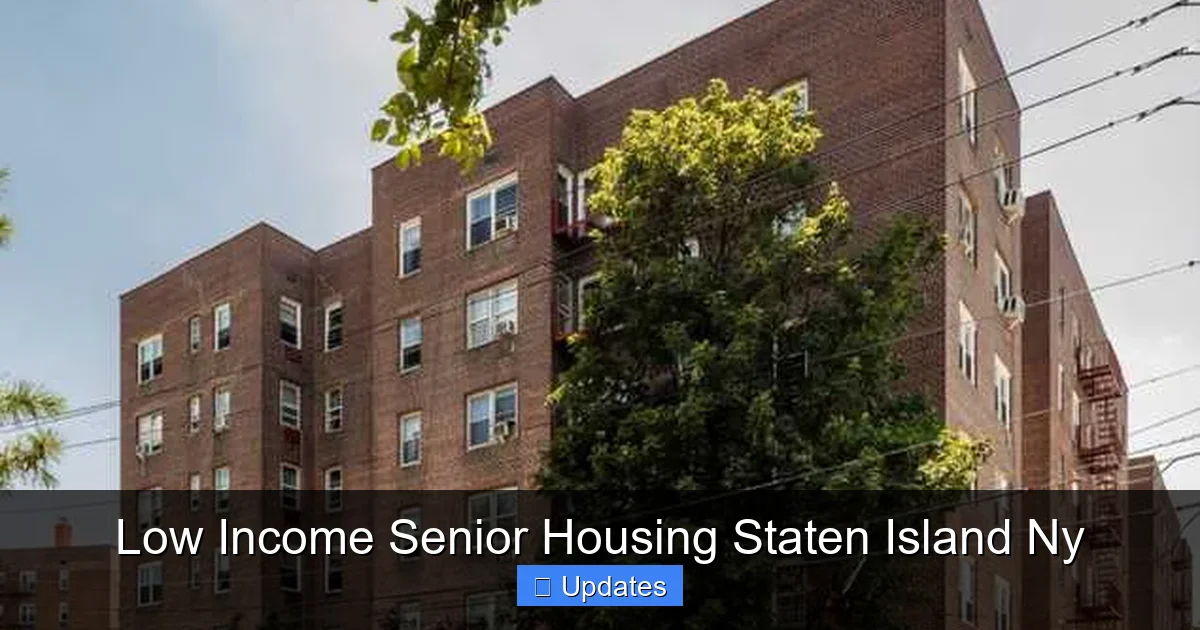
Visual guide about Low Income Senior Housing Staten Island Ny
Image source: lowincomehousing.us
Not all low income senior housing looks the same. On Staten Island, you’ll find several models tailored to different needs and preferences. Understanding these differences helps you choose the best option for your situation.
Public Housing Managed by NYCHA
The New York City Housing Authority (NYCHA) operates several senior-focused developments across Staten Island. These are fully public housing projects with rent calculated strictly by income. Tenants must meet strict income caps—typically under $40,000 annually for a one-person household—and be at least 62 years old.
Examples include:
– Stapleton Houses: A large development near the ferry terminal with units for seniors.
– Graham Avenue Senior Housing: Located in the Tompkinsville area, this site offers studio and one-bedroom units with supportive services.
While waitlists for NYCHA properties can be long (sometimes several years), they remain one of the most reliable sources for affordable housing.
HUD-Subsidized Private Developments
Many private landlords and nonprofit organizations build and manage senior housing with HUD subsidies. These aren’t owned by the city, but they still follow federal affordability rules. Properties like Richmond Towers or Bloomfield Gardens offer modern amenities and often have shorter wait times than public housing.
These communities usually require background checks and proof of income but may offer more flexibility in terms of unit size and location. They’re especially popular because they combine affordability with comfort.
Continuing Care Retirement Communities (CCRCs)
Though pricier upfront, some CCRCs on Staten Island include low-income assistance programs or sliding-scale fees. These communities provide lifelong care—from independent living to assisted care—making them ideal for those who want long-term stability.
However, CCRCs rarely qualify as “low income” unless special subsidies apply. Most residents pay full price unless they participate in specific grant-funded programs.
How to Qualify for Low Income Senior Housing in Staten Island
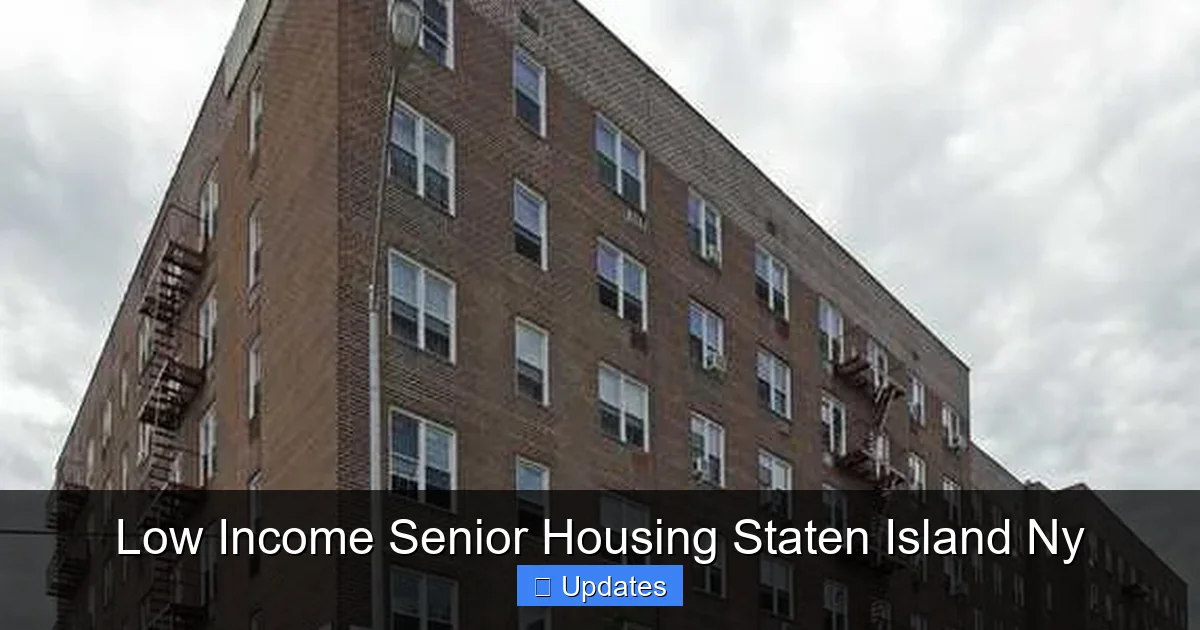
Visual guide about Low Income Senior Housing Staten Island Ny
Image source: lowincomehousing.us
Qualifying for affordable senior housing involves meeting three main criteria: age, income, and residency. Here’s what each one means:
Age Requirement
Most programs require applicants to be at least 55 or 62 years old. The higher threshold (62+) is common because it aligns with Social Security eligibility and Medicare benefits. Some newer developments accept residents starting at 55, especially if they have disabilities.
Income Limits
Income limits vary slightly by program but generally cap at around 50% of the area median income (AMI). As of recent HUD guidelines:
– For a one-person household: max ~$38,000/year
– For two people: max ~$43,000/year
Important note: Only gross income counts—not savings or assets—unless applying for certain disability-based waivers.
Residency Requirements
You must either live in New York State currently or plan to move within 60 days of approval. Preference is sometimes given to Staten Island natives or longtime residents.
Additional factors like criminal history or eviction records may affect eligibility, but many programs make exceptions for minor offenses unrelated to tenant safety.
Step-by-Step Guide to Applying for Low Income Senior Housing
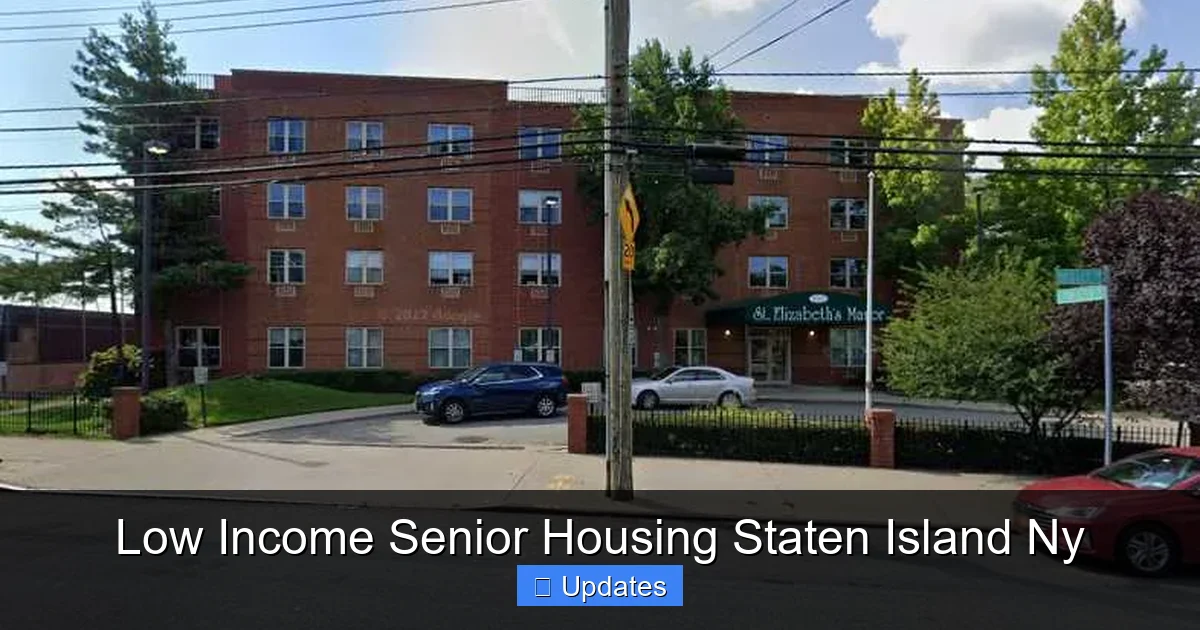
Visual guide about Low Income Senior Housing Staten Island Ny
Image source: lowincomehousing.us
Ready to apply? Follow these steps to increase your chances of success:
1. Research Available Properties
Start by visiting the official NYC Housing Connect portal or contacting the NYC Office of Aging. They maintain updated lists of open applications for Staten Island senior housing.
Also reach out to local senior centers—like the Staten Island Center for Independent Living—which often host info sessions and application workshops.
2. Gather Required Documents
Be prepared with:
– Proof of age (birth certificate or passport)
– Social Security cards for all household members
– Recent tax returns or pay stubs
– Bank statements (last 2–3 months)
– Lease agreements or utility bills showing current address
If you’re disabled, include medical documentation or a letter from a doctor confirming your condition.
3. Submit Your Application
Applications are usually online via NYC Housing Connect, though paper forms may be available at community boards. Double-check all fields before submitting—incomplete apps get rejected automatically.
Some properties allow walk-in interviews; call ahead to confirm.
4. Wait and Follow Up
Waitlist times vary widely—from a few months to over two years. Sign up for email alerts if the system allows. If your status changes, update your contact info immediately.
Avoid duplicate applications—they cancel your spot!
5. Attend Orientation and Lease Signing
Once selected, attend mandatory orientation sessions covering house rules, maintenance requests, and emergency procedures. Bring a friend or family member if possible.
Lease agreements typically last one year and renew automatically unless you break terms.
Support Services and Amenities in Staten Island Senior Housing
Beyond affordable rent, many low income senior housing communities offer valuable extras. These services help residents maintain independence and quality of life.
Meal Programs
On-site cafeterias or meal delivery services reduce grocery costs and ensure balanced nutrition. Some programs even accommodate dietary restrictions like diabetes-friendly or low-sodium meals.
Transportation Assistance
Free or discounted shuttles connect residents to medical appointments, grocery stores, and senior centers. This is especially helpful since public transit on Staten Island is limited compared to Manhattan.
Health and Wellness Activities
Regular blood pressure checks, flu shots, and fitness classes promote physical health. Mental wellness programs—like art therapy or grief support groups—are also common.
Social Engagement Opportunities
From bingo nights to book clubs, these communities foster friendships and combat loneliness. Volunteer opportunities let seniors give back while staying active.
Case Management and Counseling
Trained staff help residents access benefits like Medicaid, SNAP, or utility assistance. Legal aid clinics assist with wills, power of attorney, and elder abuse prevention.
These comprehensive supports make low income senior housing more than just a roof—it’s a lifeline.
Common Challenges and How to Overcome Them
Even with the right intentions, navigating affordable housing can be frustrating. Here’s how to tackle the most frequent obstacles:
Long Waitlists
Solution: Apply to multiple properties simultaneously. Also consider adjacent boroughs—like Brooklyn or Queens—where waitlists might be shorter due to higher demand.
Limited Availability
Solution: Look into “no-waiting-list” programs. Occasionally, new construction opens or vacancies occur unexpectedly. Stay alert to local news and community bulletin boards.
Complex Paperwork
Solution: Ask for help! The NYC Office of Aging offers free application assistance at senior centers. Volunteers can review forms and explain confusing sections.
Language Barriers
Solution: Many agencies provide interpreters in Spanish, Chinese, and other languages. Don’t hesitate to request language support during interviews or orientations.
Remember: persistence pays off. Rejection doesn’t mean failure—it’s part of the process. Keep trying, stay organized, and lean on community resources.
Tips for Making the Most of Your New Home
Once you’ve secured housing, here’s how to settle in smoothly:
– Introduce yourself to neighbors and building staff—relationships matter!
– Attend at least one event per month to build connections.
– Report maintenance issues promptly using the proper channels.
– Review your lease annually to understand renewal terms.
– Explore nearby parks, libraries, and senior centers to expand your social circle.
Also, keep copies of important documents in a secure place. Consider setting up automatic bill payments to avoid late fees.
And don’t forget: many housing communities welcome pets—check policies beforehand if that matters to you.
Conclusion: A Brighter Future Awaits
Securing low income senior housing in Staten Island isn’t easy, but it’s absolutely possible. With careful planning, patience, and the right resources, you can find a place that’s not only affordable but enriching. These communities prove that aging doesn’t have to mean sacrificing comfort, safety, or joy.
By taking advantage of available programs and staying proactive, you’re investing in your well-being today and tomorrow. Whether you’re looking for a cozy studio near the water or a vibrant community with friends, Staten Island offers promising options.
Start exploring your choices now. Reach out to the NYC Office of Aging, visit local senior centers, and don’t shy away from asking questions. You deserve a home where you feel respected, supported, and free to enjoy your golden years.
And remember: you’re not alone. Thousands of Staten Island seniors have walked this path before you—and found real happiness along the way.
Frequently Asked Questions
What age do I need to be to qualify for low income senior housing in Staten Island?
Most programs require applicants to be at least 62 years old. However, some private developments accept residents starting at 55, especially if they have disabilities or mobility needs.
How much rent will I pay in low income senior housing?
Tenant rent is typically capped at 30% of your monthly income. For example, if you earn $2,000 per month, your rent would likely be around $600 or less, depending on the specific property’s subsidy structure.
Are there any low income senior housing options without a waiting list on Staten Island?
Occasionally, new properties open or unexpected vacancies occur, allowing immediate occupancy. Monitoring NYC Housing Connect and calling property managers directly can help you catch these rare opportunities.
Can I bring my pet into low income senior housing?
Policies vary by building, but many allow small pets like cats or dogs. Always check with the property manager before bringing an animal, as breed or size restrictions may apply.
What if I lose my job or income suddenly?
Report changes in income to your housing provider within 30 days. They’ll reassess your rent based on your new situation. Emergency assistance programs may also be available through NYC agencies.
Is there transportation from senior housing to hospitals or grocery stores?
Yes, many Staten Island senior housing communities offer free or discounted shuttle services to medical facilities, pharmacies, and supermarkets. Contact your building management for schedules and routes.
