
Low Income Senior Housing Ontario Ca


Page Magnifier Sheet

Lap Desk for Reading

Button Hook Dressing Aid
Finding low income senior housing in Ontario, California can be challenging but not impossible. With the right information and support, older adults can access safe, affordable, and dignified living options. This guide walks you through local programs, eligibility requirements, and practical steps to secure housing assistance tailored for seniors on a fixed income.
Finding a safe, comfortable, and affordable place to live as a senior shouldn’t feel overwhelming—especially when you’re living on a fixed income. For older adults in Ontario, California, navigating the world of low income senior housing can seem daunting at first. But with the right guidance and resources, it’s absolutely possible to find a home that meets your needs without breaking the bank.
The Inland Empire has seen growing demand for affordable senior housing over the past decade, thanks in part to an aging population and rising living costs. Fortunately, both public and private organizations have stepped up to fill this gap. Whether you’re looking for a one-bedroom apartment near downtown Ontario or a quiet community in a nearby neighborhood, there are options designed specifically for seniors who need financial assistance.
This article will walk you through everything you need to know about accessing low income senior housing in Ontario, CA. We’ll cover eligibility rules, how to apply, what kinds of housing are available, and even share real-life tips from seniors who’ve successfully moved into affordable homes. Let’s get started.
Key Takeaways
- Ontario offers several subsidized senior housing options: From HUD-assisted apartments to nonprofit-run communities, there are multiple pathways to affordability.
- Eligibility is based on income and age: Most programs require applicants to be 62 or older and meet strict income limits tied to Area Median Income (AMI).
- Waiting lists are common: Due to high demand, many low income senior housing units in Ontario have lengthy wait times—plan early and apply to multiple programs.
- Additional benefits may be available: Seniors in these homes often qualify for rent subsidies, meal programs, transportation, and healthcare support.
- Local nonprofits provide critical assistance: Organizations like the San Bernardino County Housing Authority and community action agencies can guide applicants through the process.
- Home-based care alternatives exist: If traditional housing isn’t accessible, in-home support services can help seniors age safely in their current residences.
- Stay proactive and informed: Regularly check updates from housing authorities and advocacy groups to catch new openings or policy changes.
📑 Table of Contents
- Understanding Low Income Senior Housing in Ontario, CA
- Types of Affordable Senior Housing Available in Ontario
- How to Qualify for Low Income Senior Housing in Ontario
- The Application Process Explained
- Tips for Success When Seeking Low Income Senior Housing
- Support Services Beyond Housing
- Common Challenges and How to Overcome Them
- Conclusion: Hope Is Within Reach
Understanding Low Income Senior Housing in Ontario, CA
Senior housing in Ontario isn’t just about finding a roof over your head—it’s about building a community, staying connected, and maintaining independence. That’s why most low income senior housing programs prioritize more than just affordability. They also focus on safety, accessibility, social engagement, and access to healthcare.
In Ontario, California, these housing options typically fall under two main categories: federally funded programs and locally managed developments. The U.S. Department of Housing and Urban Development (HUD) plays a big role in funding many of these projects through its Section 202 Supportive Housing program. At the same time, local agencies like the San Bernardino County Housing Authority oversee additional initiatives tailored to residents of the Inland Empire.
What makes low income senior housing different from regular apartments? First, rent is capped at a percentage of your monthly income—usually no more than 30%. Second, tenants must meet specific age and income thresholds. And third, many properties offer extra services such as meals, transportation, wellness checks, or on-site medical staff.
For many seniors, this combination of affordability and support makes all the difference. It allows them to avoid homelessness, maintain their health, and enjoy their golden years with dignity.
Types of Affordable Senior Housing Available in Ontario
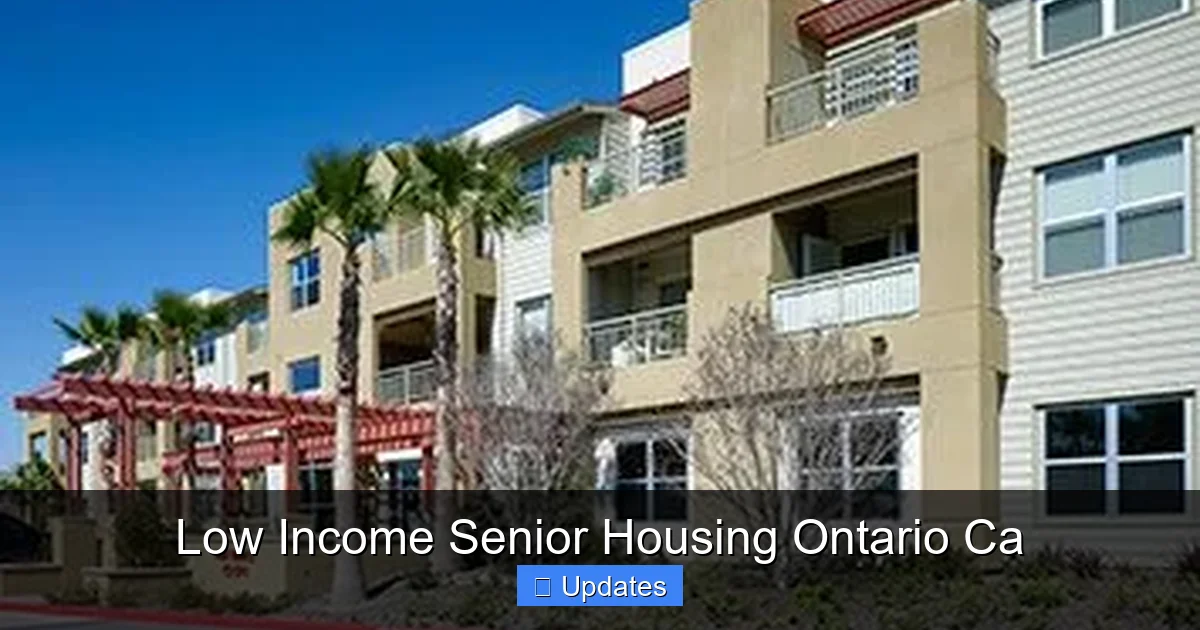
Visual guide about Low Income Senior Housing Ontario Ca
Image source: publichousing.com
You might assume that “affordable” means “cheap”—but in reality, low income senior housing refers to units where rent is adjusted based on what you can afford, not simply set at rock-bottom prices. Here are some of the most common types of housing available to seniors in Ontario:
1. HUD-Assisted Senior Apartments
These are federally funded complexes where a portion of the units are reserved for seniors earning below 50% of the Area Median Income (AMI). Tenants pay only a small percentage of their income toward rent, and the rest is covered by HUD subsidies. Examples include Sunset Gardens and Maplewood Senior Residences, both located within easy driving distance of Ontario’s medical centers.
2. Nonprofit-Developed Communities
Organizations like Episcopal Community Services and Catholic Charities operate affordable senior housing across Southern California. These communities often include communal dining rooms, activity centers, and partnerships with local clinics. Some even offer assisted living features if mobility becomes an issue.
3. Public Housing Units
Managed by the San Bernardino County Housing Authority, public housing offers another route for qualifying seniors. While availability fluctuates, these units are among the most stable and regulated options available.
4. Congregate Housing with Support Services
Some buildings combine independent living with on-demand help—think housekeeping, medication reminders, or emergency response systems. These are ideal for seniors who want autonomy but still appreciate having backup when needed.
Each type has its own application process, waitlist policies, and amenities. The key is to explore all possibilities and apply broadly.
How to Qualify for Low Income Senior Housing in Ontario
Visual guide about Low Income Senior Housing Ontario Ca
Image source: s3.amazonaws.com
Qualifying for low income senior housing in Ontario, CA involves meeting several criteria. Let’s break them down step by step:
Age Requirement
Most programs require applicants to be at least 62 years old. However, exceptions exist for disabled individuals under 62, so don’t assume you’re too young or too old to qualify.
Income Limits
Your gross monthly income must fall below a certain threshold—typically between 30% and 50% of the AMI for your household size. For example, if you live alone and earn more than $3,200 per month (as of 2024 estimates), you may exceed the limit. Larger households face higher caps, but every extra person increases your allowable income.
Citizenship or Legal Status
You must be a U.S. citizen or have eligible immigration status. Proof of residency and Social Security numbers for all household members are usually required during application.
Background Checks & Credit History
While income matters most, landlords and agencies may review credit reports and criminal history. A clean record improves your chances, but minor infractions won’t automatically disqualify you.
Preference Points System
Many housing authorities use a priority system that favors those most in need—such as veterans, survivors of domestic violence, or individuals transitioning from nursing homes. Applying early helps, but understanding how preference points work gives you a strategic edge.
It’s important to note that even if you don’t qualify right now, you can reapply once your circumstances change (e.g., reduced pension income or widowhood).
The Application Process Explained
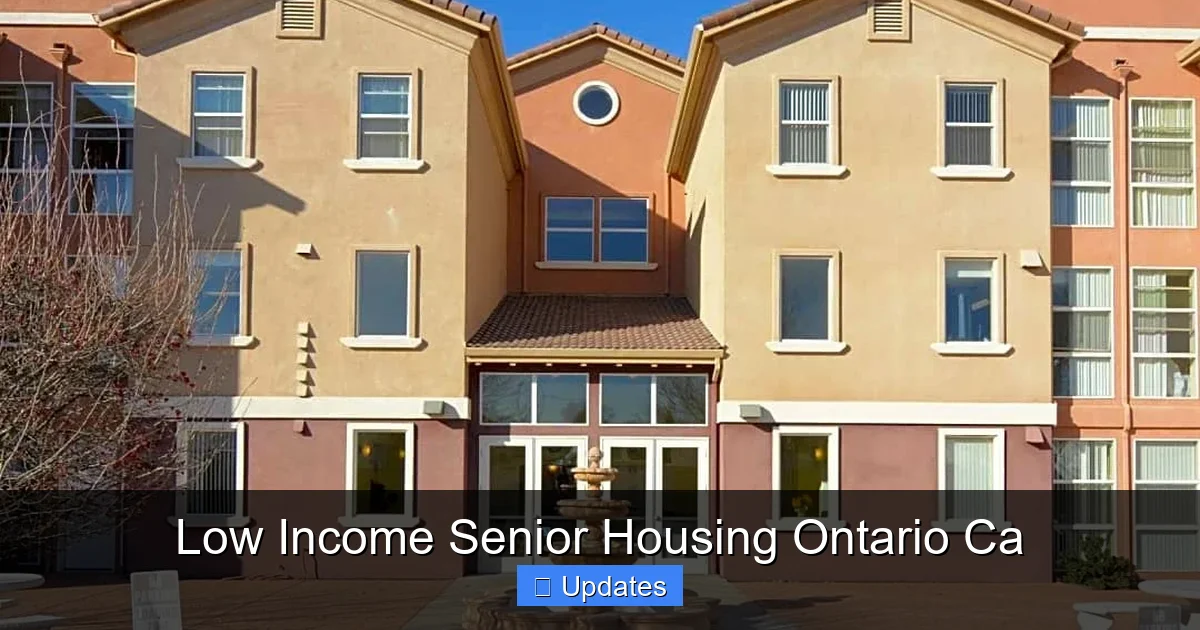
Visual guide about Low Income Senior Housing Ontario Ca
Image source: lowincomehousing.us
Applying for low income senior housing doesn’t have to be confusing. Here’s what to expect:
Gather Required Documents
Before starting your application, collect proof of identity, income (Social Security statements, pension stubs, etc.), residency, and any disabilities. Having everything ready speeds up the process significantly.
Submit Applications Early and Widely
Don’t put all your eggs in one basket. Apply to as many qualifying properties as possible. Even if a waiting list is long, being on multiple lists increases your odds. Be sure to follow each property’s specific instructions—some require online forms, others paper applications.
Attend Interviews or Orientations
After submitting your paperwork, you may be invited for an interview or orientation session. Use this chance to ask questions and confirm details about lease terms, service fees, and community rules.
Wait Patiently—and Stay Engaged
Waiting lists can take months or even years. But stay involved! Call occasionally to update contact info and express continued interest. Sometimes vacancies open up unexpectedly, and agencies prioritize responsive applicants.
Pro tip: Keep copies of all submitted materials and note dates of submission. This protects you if disputes arise later.
Tips for Success When Seeking Low Income Senior Housing
Navigating the housing search can feel isolating—but you’re not alone. Many seniors have walked this path before you. Here are proven strategies to boost your success:
Work With a Case Manager
Agencies like the Inland Regional Center or Older Adults Resource Center offer free case management. They help match you with appropriate housing, assist with paperwork, and connect you to additional services like Meals on Wheels or transportation vouchers.
Visit Properties in Person
Never rely solely on photos or descriptions. Walk through potential homes, talk to current residents, and assess noise levels, maintenance quality, and accessibility features.
Ask About Waitlist Priority
Some properties give preference to seniors who are homeless, frail, or relocating from unsafe neighborhoods. Knowing these nuances lets you tailor your approach.
Consider Nearby Cities
If Ontario’s options are limited, look at neighboring towns like Rancho Cucamonga or Upland. You might find shorter waitlists without sacrificing proximity to family or doctors.
Stay Updated on New Developments
New affordable senior housing projects are announced regularly. Sign up for newsletters from the San Bernardino County Housing Authority or follow local news outlets to hear firsthand.
Remember: persistence pays off. One day, a spot will open up—and being prepared makes all the difference.
Support Services Beyond Housing
Affordable housing is just the beginning. Many seniors benefit from wraparound services that improve quality of life and reduce hospital visits. In Ontario and surrounding areas, consider exploring:
– **Meals on Wheels**: Delivers nutritious meals daily to homebound seniors.
– **Transportation Vouchers**: Provided through county programs to help with doctor appointments and grocery shopping.
– **Home Health Aides**: Trained professionals who assist with bathing, dressing, and medication management.
– **Legal Aid Clinics**: Free or low-cost help with estate planning, power of attorney, and elder abuse cases.
These resources aren’t always included in rent—but they’re worth seeking out independently. Your local Area Agency on Aging (AAA) is a great starting point.
Common Challenges and How to Overcome Them
Despite best efforts, barriers remain. Here’s how to tackle them head-on:
Long Waiting Lists
Solution: Apply early, stay engaged, and diversify your options. Also, consider transitional housing or short-term rentals while you wait.
Limited Availability
Solution: Look into shared housing arrangements (roommate situations) or smaller studio units. Flexibility opens doors.
Language Barriers
Solution: Seek bilingual staff or volunteers. Many agencies have Spanish-speaking representatives ready to assist.
Mental or Physical Disabilities
Solution: Request reasonable accommodations during application. ADA-compliant units and adaptive equipment are often available upon request.
Don’t let obstacles discourage you. Every challenge has a workaround—and advocates are here to help.
Conclusion: Hope Is Within Reach
Finding low income senior housing in Ontario, CA requires effort, patience, and smart strategy—but it’s far more attainable than most people realize. By understanding eligibility rules, applying broadly, and leveraging community resources, you can secure a safe, welcoming, and affordable home in your later years.
Whether you dream of a peaceful courtyard garden, easy access to healthcare, or simply a place where you feel truly at home, the right housing option exists. Start today: gather your documents, reach out to local agencies, and begin your journey toward stable, dignified living.
And remember—you deserve comfort, security, and connection in your golden years. With the right support, that future is not only possible; it’s already unfolding, one application at a time.
For more guidance on similar programs nationwide, check out our articles on Low Income Senior Housing Vancouver WA, Low Income Senior Housing St Paul Mn, and How To Qualify For Low Income Senior Housing. Your next chapter starts now.
Frequently Asked Questions
What age do I need to be to qualify for low income senior housing in Ontario, CA?
Most programs require applicants to be at least 62 years old. However, disabled individuals under 62 may qualify under special provisions. Always verify with the specific housing authority or property manager.
How much income can I make and still qualify for affordable senior housing?
Income limits vary by household size and are typically set at 30–50% of the Area Median Income (AMI). For example, a single senior may earn up to around $3,200/month in 2024. Larger households have higher thresholds.
Are there waiting lists for low income senior housing in Ontario?
Yes, most affordable senior housing options have active waiting lists due to high demand. Some properties report wait times of 1–3 years. Applying early and to multiple programs improves your chances.
Can I bring my pet into low income senior housing?
Pet policies differ by property, but many modern senior housing communities now allow small pets. Check with individual managers—some require deposits or limit animal sizes.
Is there assistance available if I need help paying rent?
Yes—many low income senior housing units use HUD subsidies to cap rent at 30% of income. Additional aid may come from state programs or charitable foundations.
What should I do if I can’t find affordable senior housing in Ontario?
Consider nearby cities like Rancho Cucamonga or Upland, explore shared housing, or look into in-home care services. Local agencies can also suggest transitional options while you wait.