
Low Income Senior Housing Montana


REHAND Walking Cane - Foldable, Adjustable, Collapsible

AUVON Plug-in LED Night Light 4 Pack, Motion & Dusk to Dawn Sensor
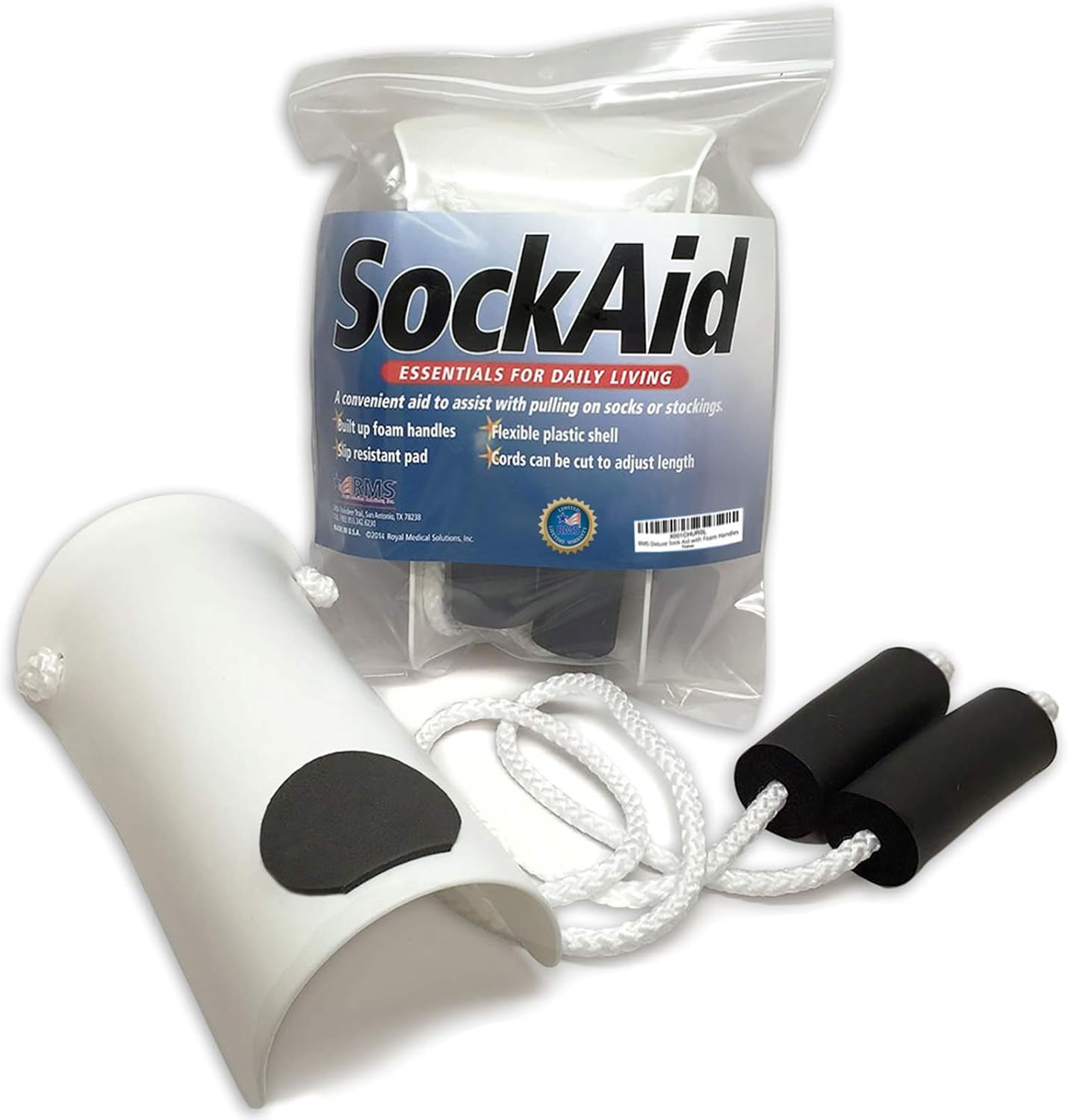
RMS Deluxe Sock Aid with Foam Handles
Finding safe, affordable housing as a low-income senior in Montana can feel overwhelming—but you’re not alone. This guide walks you through state and federal programs, local nonprofits, and practical tips to secure dignified living options. From Medicaid waivers to USDA rural housing loans, Montana offers several pathways for seniors on fixed incomes to access quality care and community.
Finding a safe, comfortable place to call home becomes even more important as we age—especially when retirement savings are limited. For many low-income seniors across Montana, the dream of stable, affordable housing feels just out of reach. But there’s good news: Montana has a growing network of supportive housing options designed specifically for older adults on fixed incomes. Whether you’re living in Bozeman, living in Kalispell, or calling Great Falls home, there are resources available to help you find dignity, security, and community.
In this article, we’ll walk you through everything you need to know about low income senior housing Montana. From understanding eligibility requirements to navigating application processes, and from learning about supportive services to exploring alternative arrangements, we’ve got you covered. You’ll also discover real-world examples of successful placements, insider tips from case managers, and how to advocate for yourself throughout the journey. Let’s get started!
Key Takeaways
- Montana offers multiple low-income senior housing programs: These include HUD Section 202 Supportive Housing, USDA Rural Development housing, and Montana Housing Division initiatives tailored for older adults.
- Eligibility is based on income, age, and residency: Most programs require applicants to be 62 or older, live at or below 50–80% of area median income, and reside in Montana.
- Waiting lists are common but sometimes have openings: Some communities like Helena, Missoula, and Billings maintain active waitlists; others offer no-wait options under specific criteria.
- Support services are often included: Many affordable senior housing units provide meal programs, transportation, wellness checks, and social activities at no extra cost.
- Nonprofit organizations can help navigate the process: Groups like Montana Association of Area Agencies on Aging (M4A3) and local senior centers offer free assistance with applications and referrals.
- Rural areas may have fewer options but greater need: Remote towns often rely on mobile clinics and telehealth to supplement limited physical housing infrastructure.
- Applying early and being persistent increases your chances: Keep detailed records, follow up regularly, and ask about alternate waiting list strategies.
📑 Table of Contents
- Understanding Low-Income Senior Housing in Montana
- Top Locations for Low-Income Senior Housing in Montana
- How to Apply for Low-Income Senior Housing
- Financial Assistance & Additional Resources
- Practical Tips for Success
- Success Stories from Montana Seniors
- Final Thoughts: You Deserve Dignity in Your Golden Years
Understanding Low-Income Senior Housing in Montana
Low-income senior housing refers to subsidized rental units or assisted living facilities that accept residents whose income falls below certain thresholds—usually set by the U.S. Department of Housing and Urban Development (HUD). In Montana, these programs aim to ensure that older adults can age in place with minimal financial stress while still receiving basic needs like meals, transportation, and health monitoring.
Unlike private market rentals, which can quickly become unaffordable for retirees relying solely on Social Security or pensions, subsidized senior housing offers rent levels tied directly to income—often as low as 30% of what a person actually earns. That means if you make $1,800 per month, your monthly rent might only be $540 instead of the $1,200+ you’d likely pay otherwise.
Montana takes pride in its commitment to rural accessibility too. While major cities like Missoula and Billings host larger complexes, smaller towns such as Miles City, Havre, and Whitefish benefit from mobile outreach programs and partnerships with regional agencies. The goal? No matter where you live in the Treasure State, help should never be more than a phone call away.
Types of Affordable Senior Housing Available
There isn’t just one type of low-income senior housing—there are actually several models tailored to different needs, budgets, and locations. Here’s a quick breakdown:
– **HUD Section 202 Supportive Housing**: Federally funded projects managed by non-profits, offering one- to four-bedroom apartments with optional service coordinators.
– **USDA Rural Development Multi-Family Housing**: Subsidized rentals in small towns, frequently including utilities and maintenance services.
– **Montana Housing Division Programs**: State-administered vouchers and project-based subsidies for qualifying households.
– **Assisted Living Facilities (ALFs)**: More intensive care settings that combine housing with daily living assistance, often accepting Medicaid waivers.
– **Continuing Care Retirement Communities (CCRCs)**: Premium-priced but long-term guaranteed care—some include sliding-scale pricing for lower-income members.
Each model has unique rules around wait times, resident responsibilities, and available amenities. Your best bet is to contact a local Area Agency on Aging (AAA), who can match your situation to the right fit.
Who Qualifies for Low-Income Senior Housing?
Eligibility hinges on three main factors: age, income, and residency. Generally speaking:
– You must be at least 62 years old (though some exceptions exist for disabled individuals under 62).
– Your annual household income cannot exceed 50% of the area median income (AMI)—or sometimes up to 80% depending on the program.
– You must be a legal resident of Montana.
To put it in perspective, here’s how AMI compares in key Montana counties as of 2023:
| County | 50% AMI (Single Person) |
|————–|————————–|
| Gallatin | $32,450 |
| Missoula | $31,900 |
| Yellowstone | $34,100 |
| Cascade | $29,800 |
If your income exceeds these numbers slightly, don’t panic—some programs allow modest overages if you demonstrate urgent need or participate in supportive services.
Top Locations for Low-Income Senior Housing in Montana
Visual guide about Low Income Senior Housing Montana
Image source: lowincomehousing.us
While Montana is known for its wide-open spaces and tight-knit communities, urban centers tend to have more housing density—and thus more options. However, rural areas aren’t left behind thanks to creative solutions like shared housing cooperatives and faith-based sponsorships.
Below are some of the most accessible regions for finding subsidized senior housing:
Bozeman & Gallatin County
Bozeman boasts the largest concentration of dedicated senior housing in western Montana. Notable developments include:
– **The Commons at Riverfront Park**: A HUD-funded complex offering studio and one-bedroom units with on-site nursing support.
– **Gallatin Senior Center Residences**: Partnered with Meals on Wheels, this facility includes meal delivery and activity programming.
Both sites maintain active waitlists, so applying early is crucial. According to Gallatin County AAA staff, they receive over 200 applications annually but only house around 60 seniors due to limited funding.
Missoula & Western Montana
Missoula serves as a hub for western Montana seniors seeking affordable housing. Popular choices include:
– **Hilltop Commons**: Run by Catholic Charities, this property accepts Section 8 vouchers and has no waiting list for applicants earning under $25,000/year.
– **St. Joseph’s Villa**: An ALF that participates in Montana’s Elderly/Disabled Waiver Program, covering personal care costs for eligible residents.
One resident, Dorothy R., shared her story: “I’d been couch-surfing between my daughter’s houses until I found Hilltop Commons. Now I pay $420/month and get breakfast every morning. It changed my life.”
Billings & Eastern Montana
Though slightly farther east, Billings offers robust options thanks to its status as Montana’s largest city:
– **Parkview Terrace**: A USDA-backed development with subsidized rents and weekly wellness visits from visiting nurses.
– **Bethany House**: Operated by Lutheran Social Services, this facility provides both independent and assisted living tiers.
Eastern Montana towns like Miles City and Glendive rely heavily on mobile health units and telemedicine to bridge gaps in physical infrastructure—but housing itself remains a challenge due to sparse population density.
Rural Montana: Creative Solutions
For those willing to relocate or consider alternative setups, rural Montana presents opportunities through:
– **Shared Housing Cooperatives**: Groups of seniors pool resources to rent larger homes and split costs evenly.
– **Faith-Based Sponsorships**: Churches and synagogues sometimes sponsor individual units within existing properties.
– **Seasonal or Part-Time Arrangements**: Some seniors choose to downsize to tiny homes or cabins during warmer months and return to family during winter.
Keep in mind that while rural housing may lack elevators or paved sidewalks, many communities prioritize accessibility and neighborly support.
How to Apply for Low-Income Senior Housing
Visual guide about Low Income Senior Housing Montana
Image source: assets.website-files.com
The application process varies by provider, but most follow similar steps:
Step 1: Gather Required Documents
Before contacting any housing authority, prepare these materials:
– Proof of age (birth certificate or driver’s license)
– Recent bank statements
– Pay stubs or pension award letters
– Social Security benefit verification letter
– Medical records (if applying for waiver-based care)
– Lease agreements (if currently renting)
Step 2: Contact Your Local Area Agency on Aging
Every county in Montana has an AAA office staffed with case managers trained to assist seniors. They’ll review your documents, confirm eligibility, and submit your application on your behalf—free of charge.
For example, if you live in Flathead County, reach out to:
**Northwest Montana Area Agency on Aging**
Phone: (406) 756-4200
Website: www.nmaaa.org
They’ll also connect you with transportation services to attend interviews or move-in appointments.
Step 3: Complete the Application
Applications are typically submitted online or via mail. Be thorough—omissions can delay processing by weeks or months. Double-check income calculations, especially if you receive irregular payments (like seasonal work or rental income).
Step 4: Attend Interviews & Home Visits
Many providers conduct background checks and home assessments. Don’t worry—these aren’t meant to judge you, but rather ensure safety standards are met. Mention any mobility issues or medical equipment you use; accommodations can usually be arranged.
Step 5: Wait & Follow Up
Waitlist times vary widely—from a few months in high-demand areas like Missoula to over two years in rural zones. Stay proactive: call monthly, update your info if circumstances change, and ask about alternate listings.
Pro tip: Some communities offer “priority points” for veterans, survivors of domestic violence, or those facing eviction. Make sure to disclose relevant details during intake.
Financial Assistance & Additional Resources
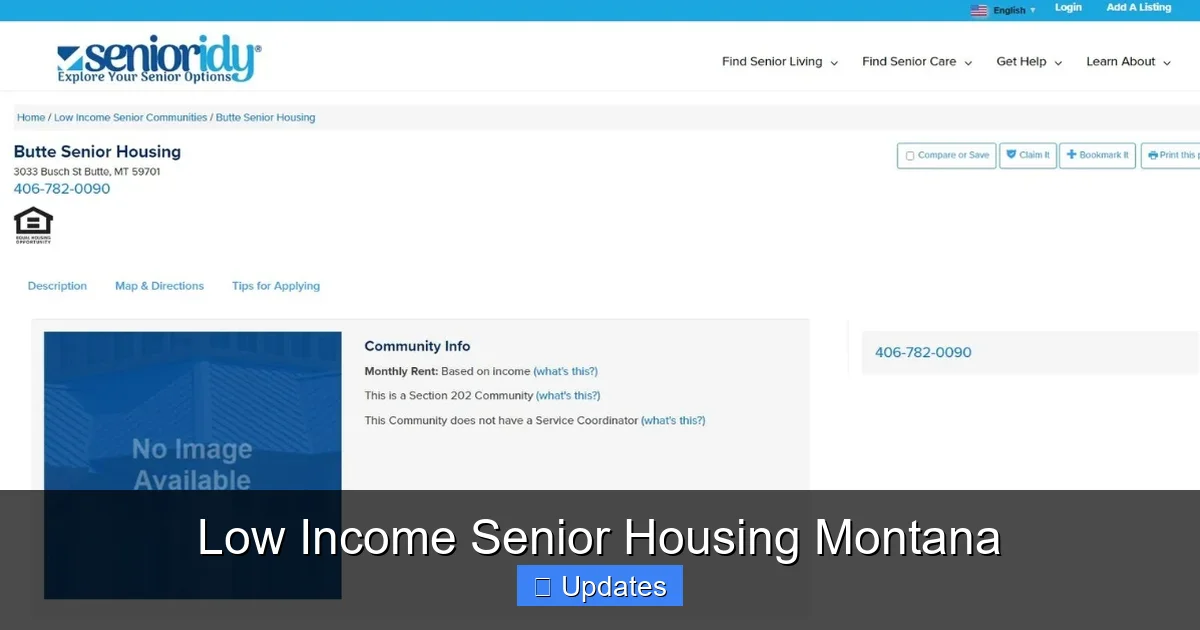
Visual guide about Low Income Senior Housing Montana
Image source: assets-global.website-files.com
Even after securing housing, ongoing expenses like groceries, prescriptions, and utilities can strain tight budgets. Fortunately, Montana offers supplementary aid:
Medicaid Waivers for Seniors
Montana’s Elderly/Disabled Waiver covers in-home services like bathing, dressing, and meal prep for qualifying seniors. To qualify, you must need nursing facility-level care but prefer to stay at home. Income limits align closely with housing programs—around 300% of the federal poverty level.
Utility Assistance Programs
– **Lifeline Program**: Provides discounted phone/internet for low-income households (apply through LifelineSupport.org).
– **Low-Income Home Energy Assistance Program (LIHEAP)**: Offers grants to offset heating bills (contact your local AAA for intake).
Food & Nutrition Support
– **Meals on Wheels**: Delivers hot lunches Mondays–Fridays in most counties (call 1-888-997-2589).
– **Supplemental Nutrition Assistance Program (SNAP)**: Helps purchase groceries (apply online at dphhs.mt.gov/snap).
Transportation Options
Getting to doctor appointments or grocery stores shouldn’t break the bank. Consider:
– **RideShare Montana**: Volunteer-driven rideshare network (ridesharemt.org)
– **Public Transit Passes**: Reduced fares for seniors (check city websites)
– **Medical Transport Vouchers**: Provided by AAAs for essential trips
Remember: combining housing subsidies with these supports dramatically improves quality of life without adding financial burden.
Practical Tips for Success
Navigating senior housing isn’t always straightforward—but experience shows us what works best:
Start Early & Be Persistent
Don’t wait until you’re desperate to apply. Begin researching 6–12 months before you anticipate needing housing. Keep a spreadsheet tracking deadlines, contacts, and document submissions.
Build Relationships with Case Managers
Case managers are your allies. Send thank-you notes after meetings, ask thoughtful questions, and express genuine interest in their guidance. They’re more likely to advocate for you if they see you’re engaged.
Leverage Community Networks
Join local senior centers, church groups, or Facebook forums. Word-of-mouth referrals often lead to faster placement. One Bozeman resident found her current unit through a neighbor who’d moved last year—no formal waitlist involved!
Consider Flexible Living Arrangements
If traditional senior housing doesn’t suit your lifestyle, explore alternatives like accessory dwelling units (ADUs), co-housing models, or even relocating closer to adult children. Sometimes compromise leads to better outcomes.
Stay Informed About Policy Changes
Federal and state budgets shift yearly. Subscribe to newsletters from M4A3 (montana4aging.org) or HUD to catch updates on new funding streams or expanded eligibility rules.
Success Stories from Montana Seniors
Real people have real victories. Take James L., 78, from Helena: After losing his wife and facing foreclosure, he reached out to the Cascade County AAA. Within eight months, he secured a studio at St. Mary’s Place—a HUD 202 property—with rent capped at $380/month. “I thought I’d end up in a shelter,” he says. “Now I have peace of mind.”
Or Evelyn P., 81, in Kalispell: She’d been paying $1,100/month for a cramped apartment. Thanks to a referral from Northwest Montana AAA, she moved into Hilltop Commons and now pays $410—plus gets weekly bingo nights and a ride to dialysis. “It’s not just cheaper,” she laughs. “It’s happier.”
These stories prove that with patience and persistence, affordable senior housing in Montana is achievable—even in tough economic climates.
Final Thoughts: You Deserve Dignity in Your Golden Years
Let’s be honest: aging shouldn’t mean choosing between heat and healthcare. Yet far too many low-income seniors face exactly that dilemma. The good news? Montana’s patchwork of public-private partnerships is slowly closing that gap—one apartment at a time.
Whether you’re reading this in Missoula or Miles City, know that help exists. Reach out to your local AAA, gather your papers, and take that first step. And remember—you’re not asking for charity; you’re claiming a right to safe, affordable shelter as outlined in federal law.
If you’re looking for inspiration, check out our guide on Low Income Senior Housing Mobile Al No Waiting List—it highlights how proactive communities nationwide are solving similar challenges. Or explore Low Income Senior Housing New Mexico to compare regional approaches.
Your journey matters. Let’s build a Montana where every senior—regardless of income—can thrive.
Frequently Asked Questions
What is the average wait time for low-income senior housing in Montana?
Wait times vary significantly by location and program. Urban centers like Missoula or Billings may have waits of 6–18 months, while rural areas could exceed two years. Some properties with no waiting lists exist for extremely low-income applicants.
Can I apply for both HUD Section 202 and USDA housing simultaneously?
Yes, you can apply to multiple programs unless explicitly prohibited by the provider. Applying widely increases your chances of finding suitable housing sooner.
Are pets allowed in low-income senior housing?
Most subsidized senior housing allows small, well-behaved pets—sometimes with weight restrictions. Always verify pet policies before applying, as rules differ by complex.
Do I need to own a car to live in affordable senior housing?
Not necessarily. Many communities offer transportation services, and some AAAs provide ride vouchers for medical appointments or grocery shopping.
What happens if my income increases above the limit?
Providers generally allow temporary overages while helping you transition to another unit or negotiate payment plans. Sudden income spikes rarely result in immediate eviction.
Is there help available for seniors who need memory care?
Yes. Facilities like St. Joseph’s Villa in Missoula specialize in dementia-friendly environments and accept Medicaid waivers for cognitive support services.