
Low Income Senior Housing in Colorado Springs


Audiobook Player

Bathroom Grab Bar Set

Toilet Seat Bidet Attachment
Finding low income senior housing in Colorado Springs can be overwhelming, but you’re not alone. Many older adults rely on government-subsidized programs, nonprofit partnerships, and local resources to access affordable, safe, and welcoming communities tailored to their needs. With rising living costs and limited savings, securing stable housing is more important than ever—and there are real solutions available right here in the Pikes Peak region.
Key Takeaways
- Low income senior housing in Colorado Springs includes federally funded and nonprofit-supported options. These include HUD Section 202 properties, USDA Rural Development homes, and programs run by local nonprofits like Senior Corps and Aging Services of Colorado.
- Income limits vary by household size and program. For example, a one-person household may qualify if income falls below ~$37,000/year under HUD guidelines, while larger families have higher thresholds.
- Waiting lists are common but not universal. Some complexes like The Village at Garden Ridge or Sunflower Village operate without long waits due to high demand and limited availability.
- Supportive services often accompany housing. Meals, transportation, health screenings, and social activities are frequently included, helping residents maintain independence and community connections.
- Applying early and being persistent increases your chances. Keep detailed records, attend eligibility workshops, and follow up regularly with property managers or case workers.
- Alternative options exist beyond traditional apartments. Consider shared housing cooperatives, congregate care centers, or assisted living with sliding-scale fees based on need.
📑 Table of Contents
- Understanding Low Income Senior Housing in Colorado Springs
- Types of Affordable Senior Housing Available in Colorado Springs
- How to Qualify for Low Income Senior Housing in Colorado Springs
- Top Affordable Senior Housing Communities in Colorado Springs
- Tips for Successfully Applying to Low Income Senior Housing
- Beyond Housing: Additional Resources for Colorado Springs Seniors
- Conclusion: Your Path Forward in Colorado Springs
Understanding Low Income Senior Housing in Colorado Springs
As we age, maintaining independence becomes increasingly challenging—especially when financial constraints limit our choices. For many seniors in Colorado Springs, the dream of staying in their own home or moving into a supportive community comes with unexpected hurdles: rising rent, medical expenses, and inflation eroding fixed incomes. That’s where low income senior housing steps in. These aren’t just places to live—they’re lifelines that combine affordability, safety, and dignity.
Colorado Springs offers several pathways to affordable senior housing through federal, state, and local initiatives. Whether you’re looking for a studio apartment near downtown or a ranch-style home in a quieter neighborhood, there are options designed specifically for those earning less than average. Programs like HUD Section 8 vouchers, Low-Income Home Energy Assistance Program (LIHEAP) support, and nonprofit-operated complexes ensure that no senior has to choose between paying rent and buying groceries or medicine.
But navigating this landscape isn’t always straightforward. Eligibility rules differ across programs, waiting lists stretch for years in some areas, and misinformation can lead applicants astray. This guide walks you through everything you need to know—from qualifying criteria and application tips to real-life examples of successful placements in the Springs. By the end, you’ll feel confident knowing where to look, who to call, and how to advocate for yourself during the process.
Types of Affordable Senior Housing Available in Colorado Springs
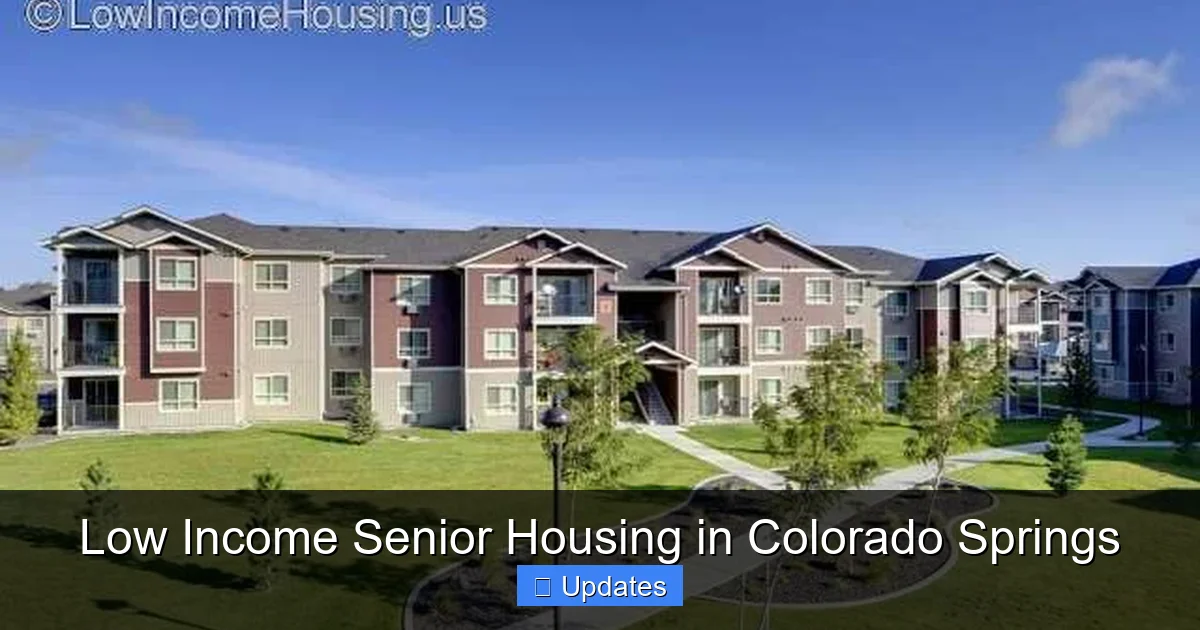
Visual guide about Low Income Senior Housing in Colorado Springs
Image source: lowincomehousing.us
Not all affordable senior housing looks the same. In fact, Colorado Springs offers a diverse mix of housing models tailored to different needs, budgets, and lifestyles. Understanding these distinctions helps you find the best fit—whether you prefer an active adult community, a quiet retirement village, or something in between.
HUD-Section 202 Supportive Housing
Administered by the U.S. Department of Housing and Urban Development (HUD), Section 202 programs provide deeply subsidized units exclusively for very low-income seniors (typically households earning 50% or less of the area median income). Properties like The Village at Garden Ridge in northeast Colorado Springs fall under this category. Residents pay only 30% of their adjusted monthly income toward rent—often resulting in payments as low as $50–$150 per month.
These complexes usually include common areas, meal services, transportation assistance, and access to on-site health clinics. While waitlists can be lengthy, they’re sometimes shorter than expected because many applicants don’t complete applications correctly or miss deadlines.
Public Housing Authorities (PHA)
The Colorado Springs Housing Authority (CSHA) manages several public housing developments zoned for seniors over 62. Units range from efficiency apartments to two-bedroom layouts, all with modern appliances and accessibility features. Unlike private landlords, PHAs cannot discriminate based on source of income—so Social Security, pensions, or disability checks count equally toward eligibility.
One key advantage? CSHA also administers the Housing Choice Voucher (HCV) program, commonly known as Section 8. If you’re placed on a waitlist (which currently exceeds 2,000 households), you’ll eventually receive a voucher allowing you to rent any qualifying unit in the city—not just CSHA-owned buildings.
Nonprofit & Faith-Based Communities
Organizations such as Catholic Charities, Lutheran Family Services, and the YMCA often partner with developers to create affordable senior housing. For instance, St. Mary’s Retirement Community offers both independent living and memory care suites at reduced rates for qualifying seniors. These facilities typically emphasize spiritual wellness, volunteer opportunities, and intergenerational programming.
Another growing trend is co-housing models, where multiple unrelated seniors share common spaces while maintaining private bedrooms and bathrooms. These arrangements reduce costs significantly and foster strong peer networks—something especially valuable in isolated rural pockets of El Paso County.
Rural Development & USDA Programs
Though Colorado Springs itself isn’t classified as rural, surrounding areas like Black Forest or Widefield may qualify for USDA Single-Family Housing Loans or Multifamily Direct Loans. These allow eligible low-income seniors to purchase or rehabilitate homes with minimal down payments and interest rates below market value.
For those open to relocating slightly outside city limits, these options offer permanent ownership instead of renting—a major advantage for long-term stability.
How to Qualify for Low Income Senior Housing in Colorado Springs

Visual guide about Low Income Senior Housing in Colorado Springs
Image source: milehighcre.com
Qualifying isn’t about luck—it’s about meeting clear, objective standards set by funding agencies. Here’s what you need to know before applying:
Eligible Age Requirements
Most programs require occupants to be at least 62 years old, though exceptions exist for disabled individuals under 62 (e.g., those receiving SSDI benefits). Always confirm age cutoffs with individual properties, as some may accept younger tenants if space allows.
Income Limits Explained
HUD uses Area Median Income (AMI) benchmarks updated annually. As of 2024, AMI for a single person in El Paso County is approximately $69,000. To qualify for most subsidized units, your annual household income must be:
– ≤ $34,500 for extremely low-income applicants (under 30% AMI)
– ≤ $43,200 for very low-income applicants (30–50% AMI)
Larger households see proportionally higher caps. For example, a family of four might qualify with up to $60,000 gross income.
Remember: Only *adjusted* income counts toward calculations—meaning certain deductions like medical expenses, childcare, or elderly dependents can lower your effective threshold.
Asset Restrictions & Documentation
While income matters most, assets also play a role. Most programs cap countable assets at $50,000–$75,000 per household (excluding primary residence, vehicles, and retirement accounts). You’ll need bank statements, investment portfolios, and proof of retirement benefits handy when submitting paperwork.
Background Checks & Rental History
Like any rental, affordable senior housing requires clean background checks covering criminal history, eviction records, and creditworthiness. However, policies vary widely. Some nonprofits prioritize rehabilitation over past mistakes, while others enforce strict no-tolerance rules.
Pro tip: Disclose minor infractions upfront—don’t assume they’ll disqualify you automatically. Many managers appreciate honesty and will work with you to address concerns.
Top Affordable Senior Housing Communities in Colorado Springs
Visual guide about Low Income Senior Housing in Colorado Springs
Image source: seniorsite.org
Now that you understand eligibility basics, let’s spotlight five standout properties offering low income senior housing in Colorado Springs. Each provides unique amenities, location advantages, and application processes worth exploring.
The Village at Garden Ridge
Located off North Carefree Circle, this 108-unit HUD Section 202 complex features one- and two-bedroom units with walk-in showers, emergency call systems, and weekly housekeeping. On-site staff coordinate biweekly grocery shuttles, nutrition counseling, and Medicare enrollment help. Monthly rents start around $120—well below market rate for comparable units.
Application priority goes to households earning under $40,000. Waitlist status fluctuates monthly; last reported length was 8 months (as of Q1 2024).
Sunflower Village
Situated near Academy Boulevard, Sunflower Village operates under a partnership between the City of Colorado Springs and Presbyterian/St. Luke’s Health System. It offers 60 studios and efficiencies with kitchenettes, laundry facilities, and secured entryways. What sets it apart? No waiting list! Applicants accepted immediately upon verification of income and residency.
Rent is calculated at 30% of adjusted income, so actual payment varies. Utilities are included, reducing monthly surprises.
Eliza Snow House
Owned by the Colorado Springs Housing Authority, Eliza Snow House serves women aged 62+ experiencing homelessness or extreme poverty. Units include full kitchens, private baths, and access to case management services. Residents participate in life skills workshops, job readiness training, and community gardening projects.
Income eligibility mirrors HUD standards, but preference is given to female-headed households facing economic hardship.
Mountain View Manor
This nonprofit-run facility in the Old North End blends historic charm with modern conveniences. Tenants enjoy shared dining rooms, arts-and-crafts studios, and monthly movie nights. Mountain View accepts referrals from Aging Services of Colorado and requires proof of residency plus income documentation.
While not all units are fully accessible, modifications can be arranged through Colorado’s Assistive Technology Program.
St. Mary’s Retirement Community – Affordable Wing
Part of a larger faith-based campus, St. Mary’s Affordable Wing provides 40 subsidized apartments for seniors earning ≤ 80% AMI. Residents benefit from chaplain visits, bingo tournaments, and discounted bus passes. Applications are processed quarterly; bring three months of pay stubs and utility bills.
Note: This isn’t emergency shelter—tenants must demonstrate stable living conditions.
Tips for Successfully Applying to Low Income Senior Housing
Even with perfect qualifications, getting approved hinges on smart preparation. Follow these proven strategies to maximize your odds:
Gather Documents Ahead of Time
Create a binder with originals and copies of:
– Birth certificates or passports
– Social Security cards
– Recent tax returns
– Pay stubs (last 30 days)
– Bank statements (checking/savings)
– Proof of benefits (Social Security, SSI, pension)
– Medical expense receipts (for deductions)
Having everything ready shaves weeks off processing time and shows seriousness to caseworkers.
Attend Eligibility Workshops
Aging Services of Colorado hosts free monthly sessions at locations like the Downtown Library or Northgate Branch. Attendees learn about HUD forms, asset calculation methods, and how to appeal denials. Staff even assist with filling out initial applications on-site.
Practice Patience—But Stay Persistent
If placed on a waitlist, check in every 60 days. Call property managers politely but firmly: “Hi, I’m [Name], applicant #1234. Could you confirm my position on the waitlist and whether any units opened recently?” Small nudges keep your name visible.
Consider Alternative Entry Points
Some complexes reserve spots for veterans, Native Americans, or survivors of domestic violence. Others offer “bridge” units for temporary relocation during repairs elsewhere. Ask about these niche categories—they could fast-track your move-in.
Leverage Local Advocacy Groups
Contact the Senior Helpline (719-471-7570) or Disability Law Colorado for free legal aid. They’ve helped hundreds navigate confusing paperwork and file timely appeals.
Beyond Housing: Additional Resources for Colorado Springs Seniors
Affordable housing is just one piece of the puzzle. Many seniors also struggle with food insecurity, transportation gaps, or social isolation. Fortunately, Colorado Springs boasts robust support networks addressing these issues holistically.
Meals on Wheels Pikes Peak
Delivers nutritious meals daily to homebound seniors, including diabetic-friendly and kosher options. Eligibility requires being 60+, having mobility limitations, and earning ≤ 185% FPL. Call 719-473-9949 to schedule intake.
Pikes Peak Transit (PPT) Reduced Fare Program
Seniors 60+ ride all PPT routes for just $0.50 per trip. Apply online with proof of age/income. Free transfers encourage exploration of nearby parks, libraries, and healthcare clinics.
Aging Services of Colorado
This umbrella agency coordinates everything from home modification grants to caregiver respite care. Their website lists all subsidized housing partners, utility assistance programs, and senior center calendars. Visit agingcolorado.org or dial 719-471-7570 Monday–Friday, 8 AM–5 PM.
Senior Centers & Recreational Activities
From fitness classes at the Broadmoor World Arena to pottery workshops at the Colorado Springs Fine Arts Center, recreational outlets abound. Many charge sliding-scale fees or waive costs entirely for low-income participants.
Conclusion: Your Path Forward in Colorado Springs
Securing low income senior housing in Colorado Springs doesn’t have to be a solo battle. With the right knowledge, persistence, and community support, you can find a place that feels like home—affordable, accessible, and full of possibility. Whether you choose a bustling urban setting near downtown or a serene retreat on the city’s outskirts, remember: help is available. Reach out to Aging Services, visit a senior center, or simply pick up the phone. The journey begins with one conversation.
And if this article helped clarify your options, consider sharing it with friends or family members who might benefit. Together, we can ensure every older Coloradan has a safe roof overhead and a sense of belonging beneath it.
Frequently Asked Questions
What is the average monthly rent for low income senior housing in Colorado Springs?
Monthly rents typically range from $50 to $300, depending on income level and property. Most residents pay 30% of their adjusted monthly income, which often results in payments well below market rates for similar units.
Are there any senior housing options in Colorado Springs with no waiting list?
Yes! Sunflower Village and select units at Eliza Snow House operate without long waitlists. These properties accept new applicants immediately after verifying income and residency requirements.
Can I apply for low income senior housing if I’m under 62 but disabled?
Absolutely. Many programs accept applicants under 62 if they receive Social Security Disability Insurance (SSDI) or Supplemental Security Income (SSI). Bring medical documentation and benefit letters during application.
Do I need to be a Colorado resident to qualify?
State residency isn’t required for federal programs like HUD Section 202, but some local nonprofits prioritize Colorado Springs residents. Check individual property policies before applying.
What happens if my application gets denied?
You’ll receive written reasons for denial within 30 days. Appeal options exist through the Colorado Housing Appeals Board or local advocacy groups like Disability Law Colorado.
Is pet ownership allowed in low income senior housing?
Policies vary by complex. Most permit small dogs/cats with landlord approval and liability insurance. Service animals are always welcome regardless of breed or size.
