
Low Income Senior Housing in Cary Nc


Automatic Pill Dispenser

Audiobook Player

Easy Grip Knife Set
Low income senior housing in Cary, NC offers vital support for older adults on fixed incomes. These communities provide safe, affordable homes with access to healthcare and daily assistance. With rising living costs, finding affordable senior living in the Research Triangle is essential for maintaining independence and quality of life.
Finding a safe, welcoming home as you age shouldn’t mean choosing between comfort and cost. For many seniors in the Raleigh-Durham-Cary area, especially those living on fixed incomes like Social Security or retirement savings, housing expenses can quickly become overwhelming. That’s where low income senior housing in Cary, NC comes into play. These specially designed communities offer more than just four walls—they provide peace of mind, community connection, and often, on-site support services tailored to older adults.
Cary itself is a vibrant suburban city known for its excellent schools, parks, and proximity to major employment hubs like Research Triangle Park. But even in such a desirable location, affordability remains a concern. Fortunately, several state and federal programs exist to help low-income seniors find dignified housing without sacrificing quality of life. Whether you’re looking for an apartment with meal service, assistance with daily tasks, or simply a quiet neighborhood to call home, there are real options—especially when you know where to look.
In this guide, we’ll walk you through everything you need to know about accessing low income senior housing in Cary, NC. From understanding eligibility rules to navigating application processes and discovering available resources, we’ve got you covered. We’ll also share insider tips from people who’ve been there—and highlight some standout communities worth considering. Let’s get started.
Key Takeaways
- Affordability matters: Low income senior housing in Cary, NC helps seniors stretch their Social Security and pensions to cover rent, utilities, and care.
- Eligibility is income-based: Most programs require applicants to meet both age (62+) and income limits set by HUD or local agencies.
- Supportive services are available: Many properties offer meal plans, transportation, wellness programs, and on-site health screenings.
- Waiting lists can be long: Due to high demand, applying early and exploring multiple options increases your chances of securing a spot.
- Location advantages: Cary offers easy access to medical facilities, shopping, and public transit—key for aging in place.
- Nonprofits play a big role: Organizations like Senior TLC in nearby Gastonia often partner with developers to create subsidized units.
- Apply through official channels: Use HUD’s Housing Choice Voucher program or contact local housing authorities for accurate, up-to-date listings.
📑 Table of Contents
- Understanding Low Income Senior Housing in Cary, NC
- How to Qualify for Low Income Senior Housing in Cary, NC
- Top Low Income Senior Housing Options in and Around Cary, NC
- Tips for Navigating Application Processes and Waitlists
- Financial Planning and Budgeting Tips for Seniors
- Supporting Your Well-Being in Affordable Senior Housing
- Future Outlook for Affordable Senior Housing in the Triangle Region
Understanding Low Income Senior Housing in Cary, NC
When people talk about “low income senior housing,” they usually mean affordable housing specifically designed for adults aged 62 and over whose income falls below certain thresholds. These aren’t just cheaper rentals—they’re intentionally created environments that prioritize accessibility, security, and support.
Most of these housing options are funded through federal programs like Section 202 Supportive Housing for the Elderly, which provides capital advances to nonprofits and public housing authorities to build or rehabilitate housing for very low-income seniors. In North Carolina, the state Department of Commerce and local housing authorities manage distribution of these funds, ensuring they reach those who truly need them.
Unlike typical rental apartments, low income senior housing in Cary, NC often includes features like grab bars in bathrooms, emergency call systems, wheelchair ramps, and communal dining areas. Some even have partnerships with visiting nurses or offer transportation to doctors’ appointments. The goal? To help residents maintain independence while reducing isolation and improving overall well-being.
It’s important to note that “low income” doesn’t always mean extremely poor—it typically refers to households earning less than 50% of the area median income (AMI). For example, as of recent data, a single person making under $41,700 annually might qualify for many programs in the Raleigh metro area. Couples may earn up to around $47,600 and still be eligible. Exact numbers vary by program and household size, so always check current guidelines before applying.
Types of Affordable Senior Housing Available
Not all low income senior housing looks the same. In fact, there are several models tailored to different needs and preferences:
Project-Based Public Housing: These are federally owned complexes managed by local housing authorities. Tenants pay 30% of their adjusted gross income toward rent, with the rest covered by subsidies. Properties like those operated by the Wake County Human Services Department fall into this category.
Section 202 Housing: Built and maintained by nonprofit organizations, these developments combine rental assistance with supportive services such as meals, housekeeping, and wellness checks. Residents usually pay no more than 30% of their income for rent and utilities.
HUD-VASH (for Veterans): If you’re a veteran struggling with homelessness or housing instability, this joint VA-HUD program offers subsidized housing plus case management services.
Rural Development Housing: Though Cary isn’t officially rural, surrounding counties receive USDA funding for senior housing projects. Sometimes these spill over into adjacent parts of Wake County.
Each type has its own application process, wait times, and benefit structures. Some prioritize disabled seniors; others focus solely on income level. Understanding your options helps you target the best fit early on.
Why Cary Is a Smart Place to Age in Place
One reason so many seniors want to stay in Cary is its reputation for safety, cleanliness, and convenience. According to AARP surveys, over 80% of residents feel Cary is one of the most livable cities for older adults in North Carolina. That’s partly due to walkable neighborhoods, accessible public spaces, and top-rated healthcare providers within easy driving distance.
Major medical centers like UNC REX Healthcare, WakeMed Cary Hospital, and Duke Regional Hospital all serve the area, offering geriatric specialists, rehabilitation services, and memory care units. Plus, pharmacies, grocery stores, and banks are plentiful—often within a short trip from residential zones.
Public transportation via GoRaleigh buses connects key areas of Cary to downtown Raleigh and beyond. While not as extensive as in larger cities, it’s sufficient for errands and doctor visits. Ride-sharing apps like Uber and Lyft are also widely used by seniors who prefer door-to-door service.
Another perk: Cary has invested heavily in aging-friendly infrastructure. Curb cuts, widened sidewalks, and benches along popular trails make walking safer and more enjoyable. Community centers host bingo nights, fitness classes, and educational workshops specifically for older adults.
All these factors contribute to why low income senior housing in Cary, NC tends to have shorter vacancy rates and longer tenancy durations compared to higher-cost urban areas. Seniors here don’t have to choose between affordability and accessibility—they can have both.
How to Qualify for Low Income Senior Housing in Cary, NC
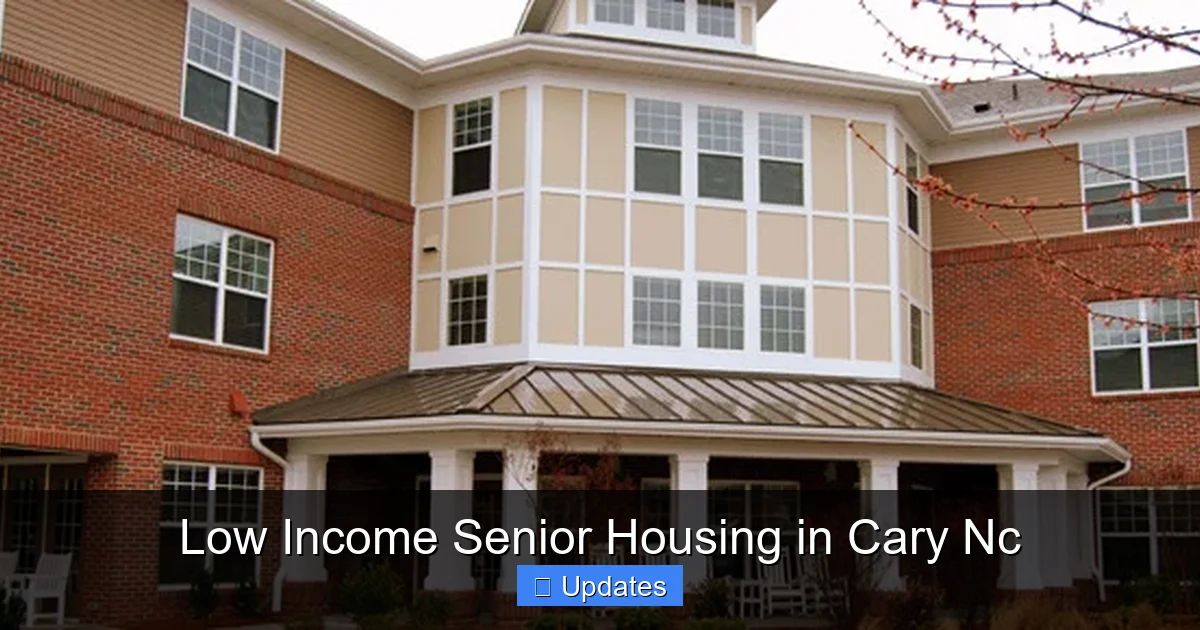
Visual guide about Low Income Senior Housing in Cary Nc
Image source: publichousing.com
The first step toward securing affordable senior housing is understanding whether you qualify. While policies vary slightly between programs, most follow similar criteria:
Age Requirement: You must be at least 62 years old. Some developments accept younger tenants if they have qualifying disabilities (under 62 but disabled), but the majority serve only seniors.
Income Limits: Your annual income must fall below 50% of Cary’s Area Median Income. As of 2024, that threshold is approximately $83,400 for a family of four. However, actual limits for individual seniors are much lower—often under $40,000 per year.
Citizenship/Residency Status: U.S. citizens, nationals, or qualified immigrants may apply. Proof of identity and residency will be required.
Background Checks: Like any rental property, applicants undergo credit and criminal background checks. Eviction history or serious offenses could disqualify you, though minor infractions are sometimes overlooked.
To confirm your eligibility, gather documents such as:
– Social Security statements
– Pay stubs or pension letters
– Bank statements
– Tax returns from the past two years
– Proof of residency (utility bill, lease agreement)
Once verified, you’ll be placed on a waiting list based on date of application and priority status (if applicable). Priority often goes to extremely low-income individuals, frail elders, or those facing eviction.
Pro tip: Don’t assume you won’t qualify just because your income seems high. Some programs reserve units exclusively for seniors below 30% AMI, while others allow up to 80% AMI. Always ask!
Common Misconceptions About Senior Housing Eligibility
Many seniors hesitate to apply because they believe they’re too wealthy or too young. Here’s the truth:
– You don’t have to be destitute to qualify. Even if you own a modest car or have saved $10,000 in a bank account, you may still be eligible—assets are considered separately from income.
– You don’t need to be homeless. Unlike emergency shelters, subsidized senior housing welcomes stable but cash-strapped individuals.
– You don’t lose benefits. Receiving housing assistance won’t affect your Social Security, Medicare, or Medicaid coverage.
If you’re unsure, contact the Wake County Human Services Department or visit their website. Their staff can run preliminary calculations and point you toward the right program.
Top Low Income Senior Housing Options in and Around Cary, NC
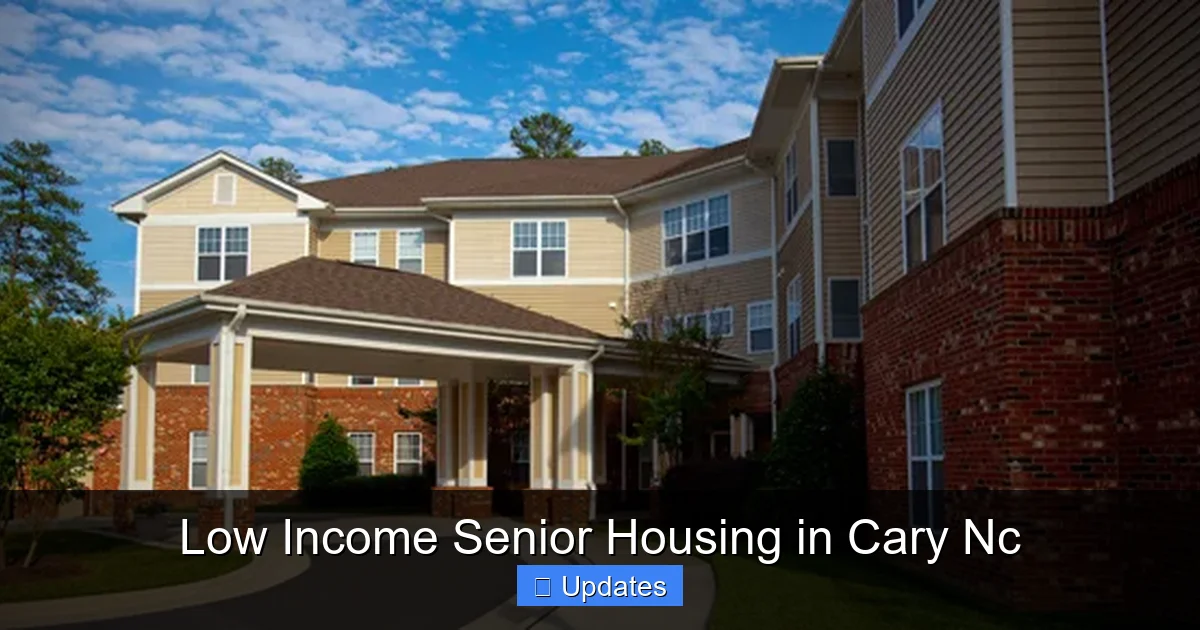
Visual guide about Low Income Senior Housing in Cary Nc
Image source: publichousing.com
While true “Cary-only” properties are limited due to zoning and development pace, several highly rated affordable senior communities are either located directly in Cary or in neighboring towns with easy commutes. Below are some standout choices:
The Villages at Cary Park (Cary, NC)
Managed by McCormack Baron Salazar, this 100-unit complex offers one- and two-bedroom apartments for seniors earning up to 50% AMI. On-site amenities include a beauty salon, exercise room, library, and weekly social events. Residents enjoy free Wi-Fi, scheduled transportation, and access to home-delivered meals through Meals on Wheels.
What sets The Villages apart is its focus on active aging. Monthly workshops cover financial literacy, nutrition, and technology use. There’s also an on-call maintenance team ready 24/7. Rent starts at just $495/month for qualified applicants.
Carriage House Apartments (Morrisville, NC – 5 miles from Cary)
Though technically in Morrisville, Carriage House is so close to Cary it’s practically part of the same neighborhood. This HUD-subsidized community serves low-income seniors with studios and one-bedrooms. Utilities (electricity, water, trash) are included in the rent, which averages $620/month.
Services include bi-weekly housekeeping, group outings, and health fairs hosted by partnering clinics. The building features elevators, secured entrances, and emergency alert systems in every unit.
Senior TLC Housing (Gastonia, NC – 30 minutes away)
This faith-based nonprofit operates several affordable senior complexes across North Carolina, including locations near Charlotte. While not in Cary proper, Senior TLC partners with regional housing authorities to place qualified applicants in units that accept Section 8 vouchers. Amenities range from communal kitchens to volunteer-led craft groups.
Importantly, Senior TLC emphasizes holistic support—mental health counseling, legal aid referrals, and caregiver respite services are often available. Visit their site to learn about current openings.
Wake County Housing Authority Senior Developments
The Wake County Housing Authority manages several affordable senior properties scattered throughout the county. Examples include:
– Holly Springs Senior Village: Located just south of Cary, this 120-unit development offers subsidized rents starting at $380/month. It includes a community garden and partnership with local food banks.
– Apex Senior Commons: Slightly farther out but still accessible via Highway 64, this complex provides assisted living-style support without the full nursing home cost. Activities include book clubs, yoga, and movie nights.
Both sites use a lottery system for new applicants, so signing up early gives you a better chance.
Online Directories and Local Resources
For the most current listings, start with these trusted sources:
– HUD’s Housing Choice Voucher locator
– North Carolina Division of Social Services
– Wake County Human Services
These portals let you search by ZIP code, filter by amenities, and even schedule virtual tours. Staff members are trained to answer questions about waitlists, move-in timelines, and documentation needs.
Tips for Navigating Application Processes and Waitlists

Visual guide about Low Income Senior Housing in Cary Nc
Image source: lowincomerentalsmilwaukee.com
Applying for low income senior housing in Cary, NC can feel daunting—especially if you’re unfamiliar with bureaucracy. But with preparation and patience, it’s absolutely manageable. Here’s how to streamline the process:
Gather Documents Ahead of Time
Don’t wait until the last minute! Collect all necessary paperwork before submitting your application. Missing items delay processing and bump your position further down the list. Keep copies of everything: ID, proof of income, bank statements, and residency documents.
Apply to Multiple Programs Simultaneously
Never put all your eggs in one basket. Submit applications to at least three different housing authorities or nonprofit-managed properties. This increases your odds significantly. For instance, apply to both Wake County and a nearby county like Durham or Johnston—sometimes cross-county programs exist.
Stay Persistent but Polite
Phone calls and emails to housing offices are common. When you contact them, be respectful but firm. Ask for updates every 30–60 days. If your name slips through the cracks, politely remind staff of your pending status.
Consider Alternative Housing Models
If traditional subsidized housing has a long waitlist, explore alternatives like:
– Co-housing arrangements: Sharing space with other seniors to split costs.
– Roommate matching services: Platforms like SeniorHousingMatch.com connect compatible renters.
– Assisted living with sliding-scale fees: Some facilities adjust pricing based on income.
Even temporary solutions can buy time while you wait for permanent housing approval.
Leverage Community Networks
Talk to friends, church groups, or senior centers. Word-of-mouth referrals often reveal hidden opportunities. Many families recommend specific properties based on their own experiences.
Also attend town hall meetings or senior advisory board sessions. These gatherings let you voice concerns directly to decision-makers and stay informed about policy changes affecting affordable housing.
Financial Planning and Budgeting Tips for Seniors
Even with subsidized rent, other expenses add up. Heating bills, groceries, medications, and transportation can strain tight budgets. Here’s how to stretch your dollars further:
Maximize Government Benefits
Ensure you’re receiving all benefits you’re entitled to:
– Supplemental Nutrition Assistance Program (SNAP): Can save $100+ monthly on groceries.
– Energy Assistance Program (EAP): Helps offset winter heating costs.
– Medicare Savings Programs: Cover copays and premiums if income is low enough.
Visit Benefits.gov to apply online or call 1-800-333-4357 for assistance.
Budget Wisely
Track every expense using a simple spreadsheet or app. Allocate funds for essentials first: rent, utilities, prescriptions. Then budget for discretionary spending like entertainment or dining out. Aim to keep non-essential costs below 10% of your total income.
Reduce Utility Costs
Older homes often leak heat or cool air. Seal windows with weather stripping, install programmable thermostats, and switch to LED bulbs. Many utility companies offer discounted rates for seniors—ask your provider about special programs.
Shop Smart
Use coupons, shop at discount grocers, and buy store-brand items. Farmers markets often sell surplus produce at reduced prices later in the day. Consider joining a CSA (Community Supported Agriculture) box program for fresh, affordable vegetables.
Transportation Alternatives
Instead of owning a car, consider:
– Public bus passes ($50–$75/year)
– Ride-share credits through nonprofits
– Walking or biking for short trips
Cutting auto insurance and gas expenses alone can free up hundreds monthly.
Remember: small savings accumulate. Every dollar not spent on housing is a dollar available for health, happiness, and hobbies.
Supporting Your Well-Being in Affordable Senior Housing
Living affordably shouldn’t mean sacrificing joy or connection. In fact, many low income senior housing communities go above and beyond to foster vibrant social lives. Look for properties that emphasize:
– Regular group activities (games, crafts, lectures)
– Fitness classes tailored to seniors (chair yoga, tai chi)
– Volunteer opportunities (food drives, reading programs)
– Pet-friendly policies (therapy animals boost mental health)
On-site staff should also prioritize resident dignity. They’ll respect privacy, encourage autonomy, and respond promptly to requests. If a community feels impersonal or neglectful, trust your instincts—there may be better options nearby.
Mental health matters too. Loneliness affects nearly half of all seniors, according to the National Institute on Aging. Seek out communities with intergenerational programming (e.g., visits from schoolchildren) or buddy systems pairing new residents with established neighbors.
Finally, don’t overlook spiritual support. Chaplains, faith-based volunteers, or meditation groups can enrich daily routines and provide emotional anchor points during tough times.
Future Outlook for Affordable Senior Housing in the Triangle Region
As Baby Boomers continue aging, demand for low income senior housing in Cary, NC and surrounding areas shows no signs of slowing. According to the North Carolina Council on Affairs of the Aging, the state needs to double its current stock of affordable senior units by 2030 to meet projected need.
Fortunately, state lawmakers recognize the urgency. Recent legislation allocates millions toward developing new supportive housing projects and streamlining permitting for nonprofit builders. Local governments are also rezoning commercial areas for mixed-use senior communities.
However, challenges remain. Land costs in fast-growing suburbs like Cary make construction expensive. Zoning restrictions limit density increases. And staffing shortages plague many nonprofits that operate these properties.
Still, advocates remain optimistic. Partnerships between government, private developers, and grassroots organizations are yielding innovative models—like tiny home villages or modular housing pods—that reduce costs without compromising comfort.
For now, the message is clear: if you’re a low-income senior seeking stability and dignity in your golden years, Cary offers real hope. Start today by reaching out to housing counselors, gathering documents, and exploring every avenue. Your future self will thank you.
Frequently Asked Questions
What income level qualifies for low income senior housing in Cary, NC?
Generally, applicants must earn less than 50% of Cary’s Area Median Income—currently around $41,700 for a single person. Some programs reserve spots for those below 30% AMI. Exact thresholds vary by program and household size.
Are there waiting lists for affordable senior housing in Cary?
Yes, most subsidized senior housing uses waiting lists due to high demand. Lengths vary from months to years. Applying early and to multiple programs improves your chances.
Can I bring my pet into low income senior housing?
Many modern properties welcome small pets—dogs under 25 pounds or cats—though breed restrictions and deposits may apply. Always check the specific community’s policy before moving in.
Is transportation provided to medical appointments?
Several Cary-area senior housing complexes offer scheduled transportation to hospitals and clinics. Others partner with local ride-share services or volunteer driver networks.
Do I need to be completely disabled to qualify?
No. While some programs prioritize disabled seniors, most low income senior housing serves all adults aged 62+ regardless of physical ability—as long as income and citizenship requirements are met.
How do I apply for Section 8 housing in Wake County?
Contact the Wake County Housing Authority or visit their website to begin the application. You’ll need to provide proof of income, identity, and residency. Priority may be given to extremely low-income households or those at risk of eviction.