
Low Income Senior Housing High Point Nc


Folding Walking Stick with Seat

Fall Detection Smart Watch

Gardening Kneeler Bench
Finding safe, affordable housing is a top priority for many low-income seniors in High Point, NC. Fortunately, several programs and communities offer subsidized apartments tailored to older adults on fixed incomes. This guide walks you through eligibility, available properties, application tips, and local support services—so you or your loved one can access dignified, stable living without financial strain.
As we grow older, maintaining independence and dignity becomes more important than ever—especially when it comes to finding safe, affordable housing. For many seniors in High Point, North Carolina, navigating the world of low-income senior housing can feel overwhelming. Between rising rent prices, limited mobility, and shrinking budgets, the search for a comfortable place to call home may seem daunting. But you’re not alone. High Point offers a range of programs, shelters, and subsidized apartment complexes specifically designed to support low-income seniors with compassionate care and practical solutions.
This guide dives deep into what low-income senior housing looks like in High Point, NC. You’ll learn about eligibility requirements, how to apply, which neighborhoods offer the best support, and where to turn if you need extra help. Whether you’re applying yourself or helping a parent or friend, this article gives you real-world strategies and insider knowledge so you can make confident decisions about your future housing needs.
Key Takeaways
- Understanding low income senior housing high point nc: Provides essential knowledge
📑 Table of Contents
- What Is Low Income Senior Housing?
- Who Qualifies for Low Income Senior Housing in High Point?
- Where to Find Low Income Senior Housing in High Point, NC
- How to Apply for Low Income Senior Housing in High Point
- Tips for Successfully Navigating the Waiting List
- Additional Support Services for Seniors in High Point
- Frequently Asked Questions About Low Income Senior Housing in High Point, NC
What Is Low Income Senior Housing?
Low income senior housing refers to residential communities or apartment buildings that provide affordable rental options for adults aged 62 or older who meet specific income guidelines. These properties are usually funded or regulated by federal, state, or local agencies—most commonly the U.S. Department of Housing and Urban Development (HUD) or North Carolina Housing Finance Agency (NCHFA). The goal is to ensure that older adults on fixed incomes—like Social Security or pensions—can afford safe, clean, and accessible living spaces without sacrificing other essentials like food or healthcare.
In High Point, NC, these housing options often include one- or two-bedroom units with features such as grab bars, wheelchair accessibility, emergency call systems, and proximity to medical clinics or public transit. Many also offer additional services like meal programs, housekeeping, transportation, and wellness activities. While some are managed by private landlords under strict affordability agreements, others operate as nonprofit or faith-based communities focused on holistic well-being.
One major advantage is that rent is typically capped at 30% of a resident’s monthly income, meaning those earning less than $1,800 per month might pay only $500–$600 for housing. Utilities may be included, further reducing out-of-pocket costs. That said, availability is limited, and competition is fierce—making early preparation essential.
Who Qualifies for Low Income Senior Housing in High Point?
To qualify for most low-income senior housing programs in High Point, you must meet three key criteria:
Age Requirement: Applicants must be at least 62 years old. Some exceptions exist for disabled individuals under 62, but the standard threshold applies widely.
Income Limits: Your gross annual income must fall below the area’s median income level set by HUD. As of 2024, for a one-person household in Guilford County (which includes High Point), the limit is around $39,700. A couple would have an upper limit closer to $45,400. These numbers adjust annually based on inflation and regional cost trends.
Residency & Citizenship: You must be a U.S. citizen or legal permanent resident. Preference is often given to those who reside within Guilford County or nearby areas, though some statewide programs accept applicants from across North Carolina.
It’s important to note that assets—such as savings accounts, retirement funds, or property ownership—are sometimes considered during screening. However, many programs exempt primary residences and certain retirement accounts, recognizing that many seniors rely on liquid cash for emergencies.
If you’re unsure whether you qualify, contact the Guilford County Housing Authority or Senior Resources of Guilford. Both organizations offer free pre-screening consultations and can walk you through the process step-by-step.
Where to Find Low Income Senior Housing in High Point, NC
High Point doesn’t have a single “senior housing district,” but several reputable communities scattered throughout the city cater specifically to older adults. Here are some standout options currently accepting applications or offering waitlist updates:
Sunset Village Apartments: Located near downtown High Point, this HUD-assisted complex provides 80 one-bedroom units for seniors earning up to 50% of the area median income. Amenities include a community room, scheduled bus service, and weekly health screenings. Waiting list status: Open for new applicants as of Q2 2024.
Pine Grove Commons: Managed by a local nonprofit, this 60-unit development focuses on wellness and social engagement. Units feature full kitchens, laundry facilities, and secured entrances. Residents benefit from monthly wellness workshops and volunteer-led companionship programs. Waitlist: Moderate; expect 6–12 months for move-in.
The Oaks at High Point: A newer addition to the market, this property combines affordability with modern design. It serves households with incomes under 60% AMI and includes optional assisted living services for those needing extra support. Contact the leasing office directly for current availability.
Beyond these, consider exploring similar models in St. Paul, MN, where community partnerships enhance accessibility. Also, check out Senior Center High Point NC—not housing itself, but a hub for information, referrals, and even temporary shelter if needed.
For broader comparisons, look at Vancouver, WA’s approach, which emphasizes rapid rehousing for vulnerable seniors. While High Point’s system is more centralized, learning from other cities helps you advocate effectively for improvements.
How to Apply for Low Income Senior Housing in High Point
Applying for subsidized senior housing involves several steps, but breaking them down makes the process manageable. Here’s a practical roadmap:
Step 1: Gather Required Documents
You’ll need proof of age (driver’s license or birth certificate), citizenship (passport or green card), income statements (Social Security letters, pension stubs, bank statements), and residency (utility bill or lease agreement). If you receive Supplemental Security Income (SSI) or Medicaid, bring those award notices too.
Step 2: Complete the Application Form
Visit the website of the North Carolina Housing Opportunities Initiative or contact the Guilford County Housing Authority to request an application. Most forms are now online, but paper copies are available by phone or mail.
Step 3: Submit Along With Supporting Materials
Mail or drop off your completed form with all documents to the address listed. Include a self-addressed stamped envelope for confirmation. Processing usually takes 4–8 weeks.
Step 4: Attend an Interview (If Requested)
Some programs require a brief interview to discuss preferences, special needs, or household composition. Be prepared to answer questions about medical conditions, mobility issues, or preferred amenities.
Step 5: Monitor Your Status Regularly
Once submitted, log into the applicant portal (if available) or call weekly to check progress. Don’t assume silence means approval—follow up proactively.
Pro tip: Ask about priority points systems. Some housing authorities give preference to veterans, survivors, or those experiencing homelessness. If applicable, mention these during your interview.
Also, don’t overlook this detailed guide on qualifying nationwide. Though written for general audiences, its checklist aligns closely with High Point’s standards and saves time during preparation.
Tips for Successfully Navigating the Waiting List
Waiting lists for low-income senior housing can stretch for over a year—sometimes longer. But there are ways to increase your odds of getting noticed faster:
Apply to Multiple Properties: Don’t put all your eggs in one basket. Submit applications to at least 2–3 different communities. Even if they seem similar, each has unique wait times and selection criteria.
Stay Active on the List: If you’re already on a list, confirm your interest every 3–6 months. Inactive applicants may lose their spot.
Leverage Local Advocates: Organizations like Senior Resources of Guilford often host housing workshops and can advocate on your behalf. They may also know about “hidden” openings before they hit public channels.
Consider Backup Plans: Look into shared housing networks or roommate matching services. Sometimes, splitting rent between two compatible seniors opens doors to units previously out of reach.
Attend Housing Fairs: Twice yearly, High Point hosts a Senior Housing Expo where landlords, nonprofits, and government reps gather to discuss opportunities. Bring your application materials and ask questions face-to-face.
Remember, persistence pays off. One resident I spoke with waited nine months—then received a call because another tenant moved abroad unexpectedly. Staying alert and engaged made all the difference.
Additional Support Services for Seniors in High Point
Affordable housing isn’t just about walls and rent—it’s about thriving. Fortunately, High Point offers robust wraparound services to support independent living:
Transportation**: Dial-A-Ride provides free curb-to-curb transport for seniors 60+ within city limits. Call ahead to schedule rides to medical appointments, grocery stores, or social events.
Meal Programs**: The Senior Farmers Market Nutrition Program delivers fresh produce monthly, while Congregate Meals at local centers offer hot lunches at low cost.
Health & Wellness**: Free flu shots, blood pressure checks, and chronic disease management are offered through partnerships with Novant Health and Wake Forest Baptist.
Legal Aid**: Volunteer attorneys from Legal Aid of North Carolina help seniors navigate housing disputes, estate planning, and benefits enrollment.
These resources reduce isolation and prevent crises. When combined with stable housing, they create a foundation for dignity and peace of mind.
Frequently Asked Questions About Low Income Senior Housing in High Point, NC
Can I still own my home and apply for subsidized senior housing?
Yes! Owning a home doesn’t disqualify you, as long as your rental income stays below the limit. Just exclude the value of your primary residence when calculating household income.
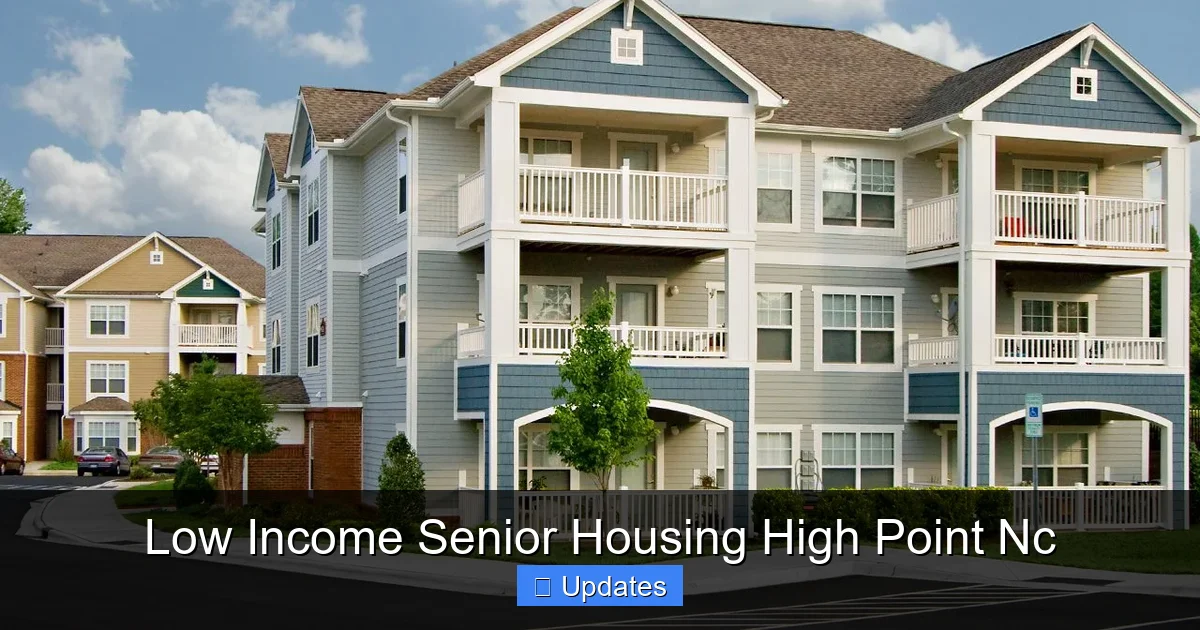
Visual guide about Low Income Senior Housing High Point Nc
Image source: lowincomehousing.us
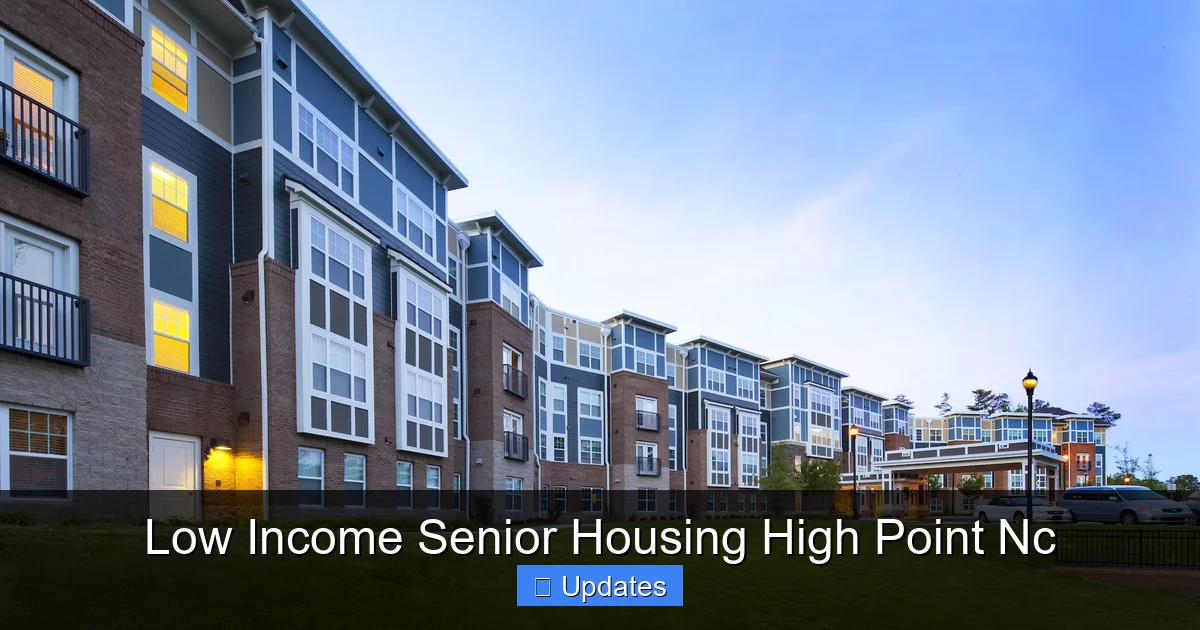
Visual guide about Low Income Senior Housing High Point Nc
Image source: publichousing.com
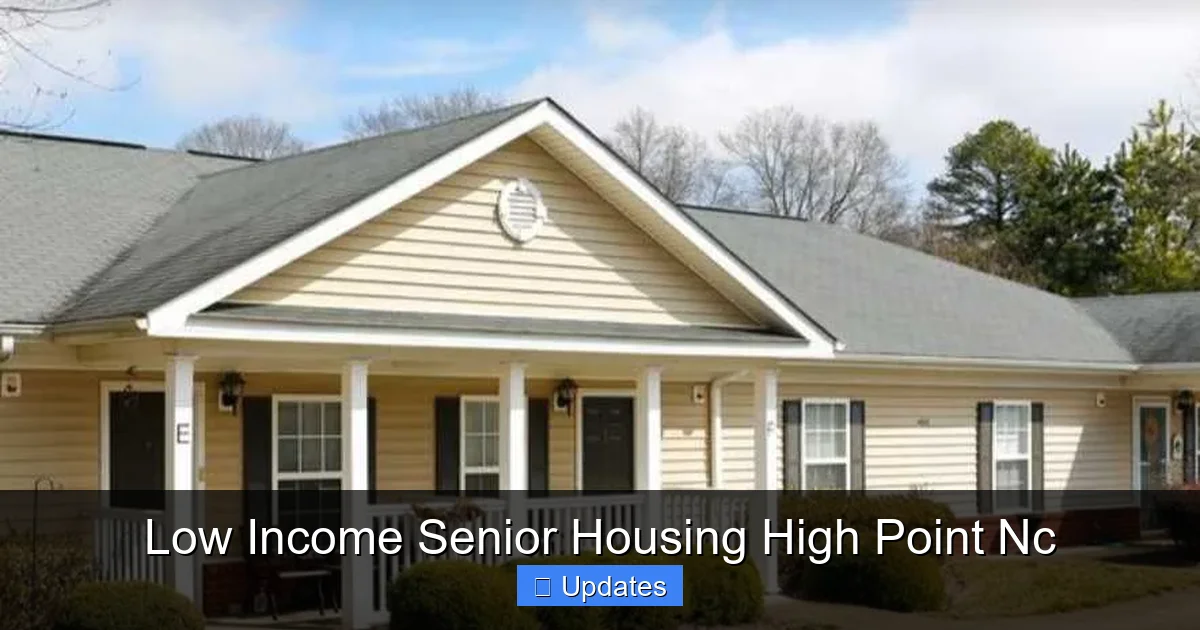
Visual guide about Low Income Senior Housing High Point Nc
Image source: publichousing.com
Are pets allowed in low-income senior housing?
Many communities allow small dogs or cats with proper documentation. Service animals are always permitted. Always ask about pet policies before applying.
What if my income increases slightly above the limit?
Some programs offer “graduated rent” structures where your share rises slowly over time. Others allow temporary hardship exemptions. Discuss this upfront with the housing authority.
Is there help paying first/last month’s rent or security deposits?
Yes—through grants from the NCHFA or nonprofit partners. Ask your caseworker about Security Deposit Assistance Programs.
Can I visit a unit before moving in?
Absolutely. Request a tour during your interview or after being placed on a waitlist. Seeing the space helps ensure it meets your needs.
What happens if I need to leave early?
Most leases allow early termination with 30 days’ notice and a fee. Check your contract carefully, and notify the property manager promptly.
Frequently Asked Questions
What documents do I need to apply for low-income senior housing in High Point, NC?
You’ll need proof of age (birth certificate or driver’s license), citizenship (passport or green card), recent income statements (Social Security, pension, or bank records), and residency (utility bill or lease). Additional documents like medical records may be requested for priority placement.
Are utilities included in low-income senior housing rent?
In many cases, yes—especially in HUD-assisted properties. Water, sewer, trash, and sometimes electricity or internet are bundled into the monthly rent. Always verify this during the application process.
How long does it take to get approved for subsidized senior housing?
Processing typically takes 4–8 weeks after submitting a complete application. However, wait times for occupancy can range from 6 months to over a year depending on demand and property availability.
Can I bring a caregiver or family member into the unit?
It depends on unit size and program rules. Most one-bedroom apartments restrict guests to overnight stays unless they become permanent residents. Larger units may allow occasional caregivers with prior approval.
Is there a way to skip the waiting list entirely?
Not officially, but some properties reserve units for emergency situations (e.g., eviction risk, medical instability). Nonprofit partners like Senior Resources of Guilford can sometimes fast-track urgent cases through advocacy.
What should I do if my application is denied?
Request a written explanation from the housing authority. You may appeal the decision or reapply once you’ve addressed any cited issues. Consider seeking help from Legal Aid of North Carolina or a housing counselor.
