
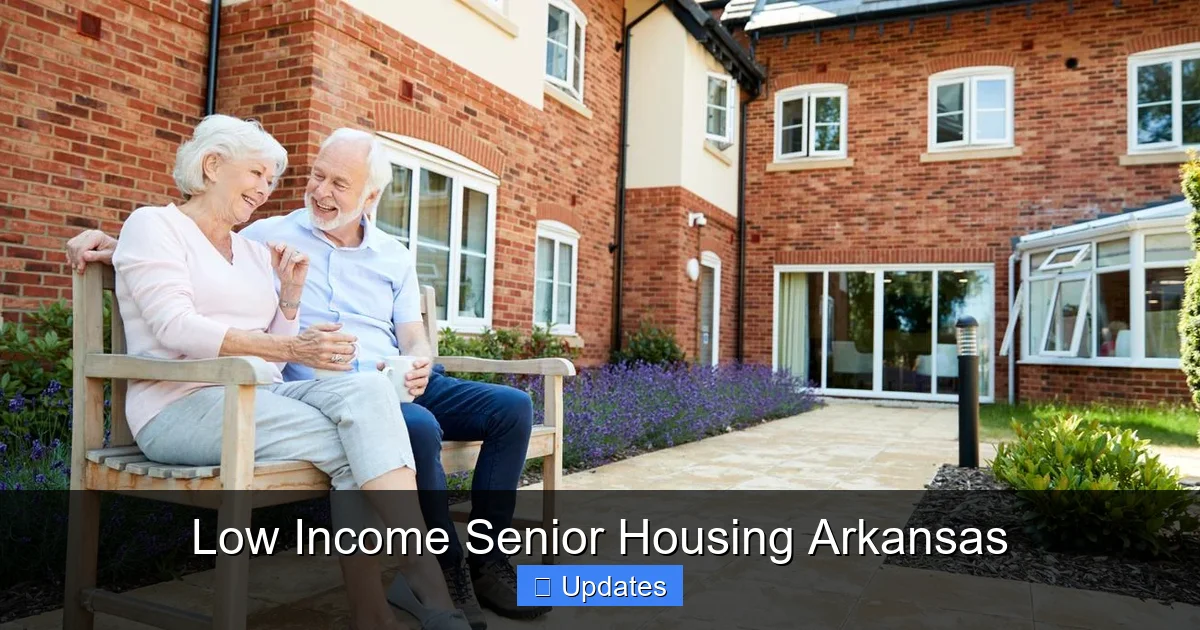
Low Income Senior Housing Arkansas


Talking Clock

Pulse Oximeter Finger Monitor

Shower Chair for Elderly
Finding low income senior housing in Arkansas can be challenging, but several state and federal programs are designed to make quality housing accessible for older adults on fixed incomes. This guide walks you through the key resources, eligibility requirements, and application tips to secure affordable housing tailored to your needs.
Key Takeaways
- Low income senior housing in Arkansas includes both public housing and private nonprofit developments that offer rent subsidies and supportive services.
- Eligibility typically requires being 62 or older and meeting income limits set by the U.S. Department of Housing and Urban Development (HUD).
- Popular programs include HUD Section 202 Supportive Housing for the Elderly and the Arkansas Housing Development Authority (AHDA) programs.
- Waiting lists can be long—some communities have wait times over a year, so applying early is crucial.
- Supportive services like meal delivery, transportation, and health monitoring are often available to enhance independence and safety.
- Local Area Agencies on Aging (AAA) can help navigate applications and connect residents with additional resources.
- Seniors should explore multiple housing types—including congregate, assisted living, and independent living options—to find the best fit.
Living on a fixed income as a senior in Arkansas means every dollar counts—especially when it comes to housing. Many older adults face rising costs for utilities, medical care, and everyday essentials, making it hard to afford safe, comfortable, and stable homes. That’s where low income senior housing in Arkansas comes in. These specialized housing options are designed specifically for adults aged 62 and up who need financial assistance but still want dignity, independence, and access to support services.
Whether you’re looking for a place to call home near family, a community with shared meals and activities, or simply a safe environment with help when needed, Arkansas offers a variety of programs and facilities tailored to meet your needs. From subsidized apartments in Little Rock to affordable senior villages in Hot Springs, the state has resources to help you age with grace and security. In this article, we’ll walk you through everything you need to know—eligibility, how to apply, what to expect, and where to start.
Key Takeaways
- Understanding low income senior housing arkansas: Provides essential knowledge
📑 Table of Contents
- Understanding Low Income Senior Housing in Arkansas
- Top Programs for Low Income Senior Housing in Arkansas
- Finding Low Income Senior Housing Under $500 per Month
- How to Apply for Low Income Senior Housing
- Support Services in Low Income Senior Housing
- Challenges and Waiting Lists
- Resources to Help You Navigate the Process
- Conclusion
Understanding Low Income Senior Housing in Arkansas
Senior housing isn’t just about a roof over your head—it’s about creating a lifestyle that supports health, connection, and peace of mind. In Arkansas, low income senior housing refers to residential options that combine affordability with accessibility and care. These aren’t just budget motels or group homes; they’re thoughtfully designed communities that prioritize safety, comfort, and social engagement.
There are several types of senior housing available across the state:
– **Independent Living Communities**: Ideal for active seniors who want a maintenance-free lifestyle with access to recreational activities, dining, and light support.
– **Assisted Living Facilities**: For those needing help with daily tasks like bathing, dressing, or medication management, but not full-time nursing care.
– **Supportive Housing**: Often government-subsidized apartments with optional services like housekeeping, transportation, and wellness checks.
– **Congregate Housing**: Shared living spaces with communal kitchens and dining areas, common in HUD-funded developments.
Each type serves different needs, but all aim to reduce financial stress while promoting quality of life. And thanks to federal and state funding, many of these options cost less than $500 per month—sometimes even free for qualifying individuals.
Who Qualifies for Low Income Senior Housing?
Not everyone who is a senior automatically qualifies for low income housing. There are specific rules based on income, residency, and sometimes health status. Let’s break down the main criteria.
First, applicants must be at least 62 years old. Some programs may consider younger individuals with disabilities, but age is the primary factor. Next, your household income must fall below a certain threshold—usually around 50% of the area median income (AMI). For example, if the AMI for a family of two in Pulaski County is $70,000, your gross annual income might need to be under $35,000.
You also need to be a legal resident of Arkansas. Proof of identity, Social Security number, and residency documentation are usually required during the application process.
It’s important to note that assets (like savings or retirement accounts) are sometimes considered, especially for Medicaid-related housing, but many programs focus mainly on income. Always ask the housing provider about their specific asset limits.
Top Programs for Low Income Senior Housing in Arkansas

Visual guide about Low Income Senior Housing Arkansas
Image source: amylouise.com.au
Arkansas offers multiple pathways to secure affordable housing for seniors. Below are the most effective programs and agencies you should know about.
HUD Section 202 Supportive Housing
This federally funded program provides rental assistance to elderly households through partnerships with private nonprofits. Properties are scattered across the state—from rural towns to urban centers—and offer one- or two-bedroom units with optional supportive services.
Applicants pay no more than 30% of their adjusted income toward rent. The rest is covered by a HUD subsidy. Services may include:
– Weekly meal delivery
– Transportation to medical appointments
– Housekeeping and laundry
– Social and recreational activities
While waiting lists can be lengthy, this is one of the most reliable sources for truly affordable senior housing in Arkansas.
Arkansas Housing Development Authority (AHDA)
AHDA administers several housing programs designed to serve low-income Arkansans, including seniors. Their HOME Investment Partnerships Program helps fund affordable rentals, and they partner with local developers to create senior-specific complexes.
AHDA also offers Section 8 Housing Choice Vouchers, which allow seniors to use vouchers to rent privately owned apartments that meet HUD standards. Unlike public housing, vouchers give more flexibility—you can live anywhere in the state with landlord approval.
To apply through AHDA, visit their website or contact their customer service line. They provide application assistance and can help determine if you qualify.
Area Agencies on Aging (AAA)
Every county in Arkansas has an AAA office that acts as a hub for senior services. These agencies don’t always manage housing directly, but they know the landscape inside and out. Staff can help you identify available units, fill out complex forms, and even advocate on your behalf.
For example, the Central Arkansas AAA serves Pulaski and surrounding counties and maintains a database of subsidized senior housing options. They also offer case management, so if you need help navigating benefits or healthcare, they’ve got your back.
Don’t hesitate to call your local AAA—they’re there to help, not judge.
Finding Low Income Senior Housing Under $500 per Month
One of the biggest concerns for seniors is affordability. Fortunately, many low income senior housing options in Arkansas cost $500 or less each month—sometimes much less. Here’s how to find them.
Start by searching online databases like HUD’s Housing Search or the Arkansas Housing Search portal. Filter results by income level, location, and whether supportive services are included.
Another great resource is the Low Income Senior Housing Arkansas Under $500 directory. This curated list highlights verified properties with rents under $500 and includes details about amenities, wait times, and contact info.
Pro tip: Apply to multiple places at once. Even if one has a long waitlist, another might accept you within weeks. And remember—just because a unit is listed online doesn’t mean it’s still open. Always call ahead to confirm availability.
Some communities even offer “zero-dollar” rent for the first few months as an incentive, though these are rare and highly competitive.
Examples of Affordable Senior Housing Across Arkansas
Here are a few real-world examples of low income senior housing in Arkansas that consistently appear on resident wishlists:
– **The Villages at Oak Hill (Little Rock)**: A HUD-funded development offering 1- and 2-bedroom apartments with on-site health clinics, fitness rooms, and weekly bingo nights. Average rent: $475/month.
– **Pine Bluff Senior Apartments**: Located near Baptist Health Medical Center, this complex includes wheelchair-accessible units and a community garden. Rent starts at $420.
– **Hot Springs Village Residences**: While primarily known for recreational amenities, this area also features several affordable senior cooperatives with shared kitchens and shuttle service to downtown.
These examples show that you don’t have to sacrifice location or comfort for affordability.
How to Apply for Low Income Senior Housing
Visual guide about Low Income Senior Housing Arkansas
Image source: assets.website-files.com
Applying for senior housing can feel overwhelming—there are forms, deadlines, and confusing acronyms. But breaking it down into steps makes it manageable.
**Step 1: Gather Your Documents**
You’ll likely need:
– Proof of age (birth certificate or driver’s license)
– Social Security cards for all household members
– Recent bank statements
– Tax returns from the past two years
– Proof of Arkansas residency (utility bill, lease agreement)
– Income verification (pension stubs, SSI award letter, etc.)
**Step 2: Identify Eligible Properties**
Use the resources mentioned earlier—HUD’s site, AHDA, or AAAs—to build a shortlist of places that match your needs and income level.
**Step 3: Submit Applications**
Fill out forms carefully. Double-check numbers and signatures. If you’re unsure about something, ask for help. Many providers offer application workshops.
**Step 4: Attend Interviews or Home Visits**
Some programs require an interview or home visit to assess suitability. Be honest about your needs—this helps match you with the right level of support.
**Step 5: Wait and Follow Up**
Waitlists vary widely. Some places update monthly; others only once a year. Call periodically to check your status. Also, keep your information current—if your income changes, report it immediately.
Remember: persistence pays off. Don’t give up after the first “no.”
Tips for a Strong Application
– Start early. The sooner you apply, the better your chances.
– Highlight any special needs (mobility issues, chronic conditions)—this can speed up approvals.
– Include letters of recommendation from doctors, clergy, or neighbors if allowed.
– Avoid errors. Misspellings or missing pages can delay processing.
Support Services in Low Income Senior Housing
Affordable housing isn’t just about walls and a bed. True senior housing includes support systems that help residents stay healthy, engaged, and safe.
Common services offered include:
– **Meals**: Congregate meals three times a week or meal delivery twice daily.
– **Transportation**: Free or low-cost shuttles to grocery stores, pharmacies, and doctor visits.
– **Health Monitoring**: On-site nurses or wellness checks to catch issues early.
– **Social Activities**: Bingo, book clubs, exercise classes, holiday parties.
– **Housekeeping & Maintenance**: Regular cleaning and emergency repairs handled quickly.
In some cases, residents can add extra services à la carte—like personal care aides or pet therapy—for a small fee.
These extras make a huge difference in preventing isolation and hospitalization. Studies show that seniors in supportive housing have fewer ER visits and higher satisfaction rates.
If a facility doesn’t offer certain services, ask if they can refer you to nearby providers. Many AAAs coordinate regional networks of caregivers and volunteers.
Challenges and Waiting Lists
Let’s talk honestly: getting into low income senior housing in Arkansas isn’t always easy. Demand far exceeds supply in many areas, leading to long waiting periods.
For instance, the Little Rock Housing Authority reports waitlists averaging 18–24 months for their senior units. Rural counties like Pike or Nevada may have even longer delays due to fewer available properties.
What causes this shortage?
– Limited HUD funding
– High construction costs
– Preference for market-rate rentals among developers
But don’t lose hope. Some strategies can improve your odds:
– Apply to multiple programs simultaneously
– Consider nearby cities—even if you prefer to stay in your hometown
– Look into “project-based” vs. “tenant-based” vouchers (the latter gives more flexibility)
– Volunteer at the housing community to show commitment
Also, stay informed. Sometimes spots open unexpectedly when current residents move out or pass away.
Resources to Help You Navigate the Process
You don’t have to do this alone. Arkansas has a web of organizations ready to assist.
– **Arkansas Advocates for Seniors**: Offers free legal aid related to housing discrimination and rights.
– **AARP Arkansas**: Provides workshops, guides, and advocacy for older adults.
– **United Way 211**: Dial 211 from any phone to speak with a live operator who can connect you to housing, food, and health resources.
– **HUD Office in Little Rock**: Can answer technical questions about eligibility and procedures.
Online tools like the Low Income Senior Housing Little Rock Arkansas guide compile current listings and user reviews—a huge time-saver.
And don’t overlook faith-based groups. Churches, mosques, and temples often sponsor affordable housing projects or know someone who does.
Conclusion
Finding low income senior housing in Arkansas requires patience, preparation, and persistence—but it’s absolutely possible. With the right mix of research, timing, and support, you can secure a home that’s not only affordable but also nurturing and enriching.
Whether you dream of quiet mornings in Hot Springs or vibrant afternoons in Fayetteville, Arkansas has options. Start by reaching out to your local Area Agency on Aging, gathering your documents, and submitting applications to a handful of promising leads.
Remember: aging in place doesn’t mean aging alone. These communities are built for connection, care, and comfort. Take the first step today—your ideal home might be closer than you think.
Frequently Asked Questions
What is the minimum age for low income senior housing in Arkansas?
The minimum age is typically 62, though some programs may consider younger individuals with disabilities. Most subsidized housing for seniors follows HUD guidelines that prioritize adults aged 62 and above.
How much does low income senior housing cost in Arkansas?
Rents usually range from $0 to $500 per month, depending on income and program type. Many HUD-assisted units charge no more than 30% of a senior’s adjusted income toward rent.
Are there waiting lists for low income senior housing in Arkansas?
Yes, waiting lists are common and can last 12–24 months or longer, especially in high-demand areas like Little Rock. Applying early and to multiple locations improves your chances.
Can I bring my pet to low income senior housing?
Pet policies vary by property, but many modern senior housing communities now allow small pets with deposits or monthly fees. Ask the specific facility about their animal policy before applying.
Does low income senior housing in Arkansas include utilities?
Utility inclusion depends on the program. Some HUD-funded units bundle electricity, water, and trash removal into the rent, while others require tenants to pay separately. Always clarify this during the application process.
How do I apply for Section 8 housing vouchers in Arkansas?
Contact the Arkansas Housing Development Authority (AHDA) or your local public housing authority. Applications are often managed through centralized waitlists, and priority may be given to elderly applicants.
