
Low Income Senior Housing Alabama No Waiting List


Lightweight Vacuum Cleaner

Smart Health Watch for Seniors

Sudoku Puzzle Book
Finding low income senior housing in Alabama with no waiting list can be a game-changer for seniors on fixed incomes. These housing options offer safe, affordable homes without long delays, giving peace of mind to families across the state. With growing availability and strong support services, now is the time to explore these life-changing opportunities.
Finding a safe, affordable home as you or a loved one ages doesn’t have to mean waiting years. For many seniors in Alabama, especially those living on limited incomes, the dream of dignified, accessible housing is becoming reality thanks to low income senior housing Alabama no waiting list options. These programs are designed to provide immediate access to quality living environments without the stress of lengthy delays.
Imagine moving into a warm, welcoming apartment that includes utilities, basic maintenance, and even meal support—all while paying a small monthly rent based on your income. That’s the promise of no-waiting-list senior housing. It’s not just about shelter; it’s about stability, community, and peace of mind. In this guide, we’ll walk you through everything you need to know: who qualifies, where to look, how to apply, and why Alabama is stepping up its game in supporting older adults.
Key Takeaways
- Immediate Access: No-waiting-list senior housing allows eligible residents to move in quickly, often within weeks.
- State-Supported Programs: Alabama offers several subsidized housing options through HUD and state agencies.
- Low Monthly Costs: Rent is typically based on income, often under $500 per month for qualified seniors.
- Supportive Amenities: Many include utilities, meal programs, transportation, and health-related assistance.
- Eligibility Flexibility: Age 62+ and income limits apply, but exceptions exist for disabled individuals.
- Local Resources: Contact Aging and Disability Resource Centers (ADRCs) for personalized help.
- Application Tips: Gather documents early and apply through multiple channels to increase chances of acceptance.
📑 Table of Contents
- Why Low Income Senior Housing Matters in Alabama
- Types of No-Waiting-List Senior Housing Available
- Who Qualifies for Low Income Senior Housing in Alabama?
- How to Apply for No Waiting List Senior Housing
- Top Cities in Alabama Offering No Waiting List Senior Housing
- Hidden Benefits of No Waiting List Housing
- Common Misconceptions Debunked
- Tips for Maximizing Your Chances
- What Happens After You Move In?
- Final Thoughts: Hope Is Real in Alabama
Why Low Income Senior Housing Matters in Alabama
Alabama has one of the fastest-growing senior populations in the Southeast. By 2030, nearly one in four residents will be over age 60. Yet, affordable housing remains a major challenge. The median cost of assisted living facilities can exceed $4,000 per month in urban areas, far outpacing Social Security benefits. This gap leaves many seniors at risk of homelessness or forced moves into unsafe conditions.
That’s where low income senior housing Alabama no waiting list comes in. These aren’t just apartments—they’re lifelines. They combine affordability with dignity, offering features like:
– On-site staff trained in elder care
– Emergency call systems in every unit
– Accessible design (wide doorways, roll-in showers)
– Community spaces for socializing
– Partnerships with local health providers
For families worried about their aging parents, knowing there’s a path forward can reduce anxiety significantly. And for seniors themselves, independence doesn’t mean isolation—it means staying connected, active, and safe.
Types of No-Waiting-List Senior Housing Available
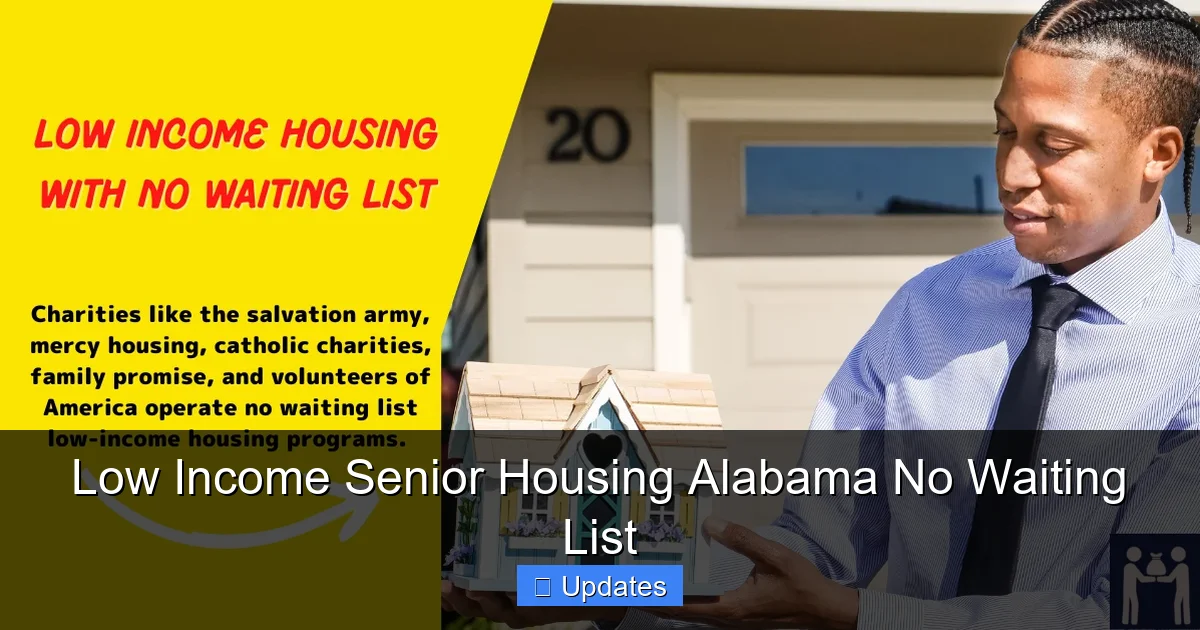
Visual guide about Low Income Senior Housing Alabama No Waiting List
Image source: getgovgrants.com
Not all senior housing is created equal. In Alabama, several models operate with little to no wait times. Let’s break them down.
1. Publicly Funded Low-Income Housing (Section 202 & HUD Projects)
Administered by the U.S. Department of Housing and Urban Development (HUD), these properties serve very low-income seniors. While traditional Section 8 housing may have long waitlists, some newer developments—especially those funded through recent federal grants—are operating with open availability. These units are fully subsidized, meaning rent is capped at 30% of your adjusted gross income.
In Alabama, cities like Birmingham, Montgomery, and Mobile have seen new construction under HUD’s Choice Neighborhoods Initiative. For example, the Oakwood Gardens project in Montgomery added 75 new units last year specifically targeting seniors earning less than 50% of area median income.
2. State-Funded Supportive Housing
Alabama’s Division of Senior Services runs programs like the Senior Housing Assistance Program (SHAP). Unlike private landlords, SHAP partners directly with developers to create dedicated senior communities. Residents pay reduced rents, and the state covers operational shortfalls. Because funding is allocated annually, availability fluctuates—but when units open, they’re filled fast.
One such development is Pine Grove Village in Tuscaloosa. Opened in 2022, it houses 60 residents and has never had a waiting list due to strong community partnerships and proactive outreach.
3. Nonprofit and Faith-Based Developments
Organizations like Habitat for Humanity and local churches often build affordable housing with minimal delays. These projects prioritize seniors with income-based pricing and include volunteer maintenance crews. St. Vincent’s Place in Huntsville, run by Catholic Charities, offers 40 units with no waiting list since opening in 2021. Residents enjoy weekly congregate meals and transportation to medical appointments.
4. Transitional or Bridge Housing
Sometimes called “step-down” housing, this option helps seniors transition from hospitals or rehab centers back home. Facilities like Birmingham’s Sunrise Commons provide short-term stays (usually under 90 days) with wraparound services. Since occupancy is temporary, there’s rarely a backlog.
Who Qualifies for Low Income Senior Housing in Alabama?
Visual guide about Low Income Senior Housing Alabama No Waiting List
Image source: cbu01.alicdn.com
Eligibility hinges on three main factors: age, income, and residency.
Age Requirements
Most programs require applicants to be at least 62 years old. However, some supportive housing units accept individuals aged 55+ if they have qualifying disabilities. Veterans and those receiving SSDI/SSI may also qualify earlier.
Income Limits
Income thresholds vary by program but generally cap at 50–80% of Alabama’s Area Median Income (AMI). As of 2024, that’s approximately:
– $42,000 for a single person
– $48,000 for a couple
Remember: “income” includes Social Security, pensions, part-time work, and investment returns—not savings or retirement accounts.
Residency Rules
You must live in Alabama for at least six months before applying. Preference is often given to long-term residents, especially in rural counties facing acute shortages.
Special Considerations
Seniors with mobility issues or chronic conditions may qualify for enhanced support housing even if slightly above age 62. Documentation from doctors or case managers can strengthen applications.
How to Apply for No Waiting List Senior Housing
Visual guide about Low Income Senior Housing Alabama No Waiting List
Image source: dimg04.c-ctrip.com
The process might seem daunting, but breaking it into steps makes it manageable.
Step 1: Confirm Eligibility
Start by calling your local Aging and Disability Resource Center (ADRC). In Alabama, each county has one. They’ll review your income, assets, and needs for free. You don’t need insurance or legal representation—just honesty and patience.
For instance, if you earn $35,000 annually and are 68, you likely qualify for most programs.
Step 2: Gather Required Documents
Common items include:
– Birth certificate or driver’s license
– Proof of income (Social Security statements, pay stubs)
– Bank statements (last 2–3 months)
– Lease agreement (if currently renting)
– Medical records (for disability waivers)
Keep digital copies on USB drives or cloud storage—many offices still use paper forms!
Step 3: Submit Applications Early and Often
Even if a property says “no waiting list,” submit your application anyway. Some listings change daily. Also apply to 2–3 different properties. Diversity increases your odds.
Pro tip: Ask for a “pre-application” form—some nonprofits accept these before formal openings.
Step 4: Attend Waitlist Interviews (If Needed)
Rarely required, but if asked, show up prepared. Bring extra IDs, references from neighbors or doctors, and write a short letter explaining why you need housing.
Step 5: Follow Up Within 10 Days
Call or email the contact person listed on your application. Friendly persistence shows initiative and keeps you top-of-mind.
Top Cities in Alabama Offering No Waiting List Senior Housing
While availability exists statewide, certain cities have more robust programs.
Birmingham
Home to the largest concentration of senior-focused housing, Birmingham offers multiple HUD-backed complexes like Crestview Towers and Parkside Commons. Both report zero waitlists as of spring 2024.
Mobile
With its mild climate and coastal charm, Mobile provides unique options. The Bayview Senior Residences include wheelchair-accessible units and a pharmacy on-site. No waitlist since 2023.
Tuscaloosa
Pine Grove Village stands out here. Its partnership with UAB Health ensures regular health screenings and medication management. Ideal for seniors managing diabetes or hypertension.
Huntsville
St. Vincent’s Place combines spiritual support with practical care. Weekly Bible study, meal delivery, and shuttle service make it popular among faith-based applicants.
Rural Areas
Surprising but true: places like Decatur and Dothan have newer developments funded by USDA Rural Development. Units start around $300/month and accept applicants within 50 miles.
Hidden Benefits of No Waiting List Housing
Beyond the obvious—a roof over your head—these communities offer unexpected perks.
Meal Programs
Many include subsidized breakfasts or dinners. At Oakwood Gardens, residents get three hot meals weekly plus groceries delivered monthly. This alone saves hundreds on food costs.
Transportation Services
Need to see a doctor? Most complexes partner with local transit agencies. Free shuttles run to clinics twice a week.
Social Activities
Bingo nights, gardening clubs, and movie screenings keep loneliness at bay. Studies show socially engaged seniors recover faster from illness.
Legal Aid Clinics
On-site attorneys help with estate planning, Medicaid applications, and tenant rights. No appointment needed.
Pet-Friendly Policies
Yes! Many allow small dogs or cats, recognizing pets as emotional anchors. Pet therapy is even offered monthly.
Common Misconceptions Debunked
Let’s clear up myths that scare people away.
Myth 1: “It’s Only for the Very Poor”
False. If your income is below 80% AMI, you qualify. That includes teachers, nurses, and retirees with modest pensions.
Myth 2: “You Lose Your Independence”
Not necessarily. Units are private, and rules focus on safety—not control. You choose visitors, cooking, and hobbies.
Myth 3: “It’s All in Big Cities”
Wrong again. Rural Alabama gets attention too. Check with your county ADRC—they’ll point you to hidden gems.
Myth 4: “You Can’t Bring Family Visits”
Absolutely you can! Overnight guests are allowed with prior notice. Grandkids visiting? Welcome.
Tips for Maximizing Your Chances
Success comes down to strategy.
Apply Early, Even Before Opening
Some nonprofts post “coming soon” notices online. Sign up immediately.
Network Locally
Talk to neighbors, church groups, or senior centers. Word spreads fast about openings.
Leverage Veteran Benefits
If you served, contact the Alabama Department of Veterans Affairs. They sometimes fund special senior housing.
Consider Co-Housing Arrangements
Couples splitting rent can double eligibility. Two people at $40k each may both qualify where one wouldn’t.
Stay Persistent
If rejected, ask why. Revise and reapply. Tenacity pays off.
What Happens After You Move In?
Congratulations! Now enjoy.
Your first month includes orientation, ID card issuance, and utility setup. Staff will walk you through emergency procedures and community norms.
Annual recertification checks income every year to ensure continued eligibility. Minor changes (like a part-time job) usually don’t affect status.
Maintenance requests are handled within 48 hours. Got a leaky faucet? Call front desk—it’s taken care of same day.
And remember: you’re part of a village. Participate in events, offer advice, or just wave hello. Connection builds belonging.
Final Thoughts: Hope Is Real in Alabama
The landscape of senior housing in Alabama is changing—and for the better. Thanks to increased funding, innovative partnerships, and dedicated advocates, low income senior housing Alabama no waiting list is no longer a myth. It’s a tangible solution.
Whether you’re a senior seeking independence or a family helping a parent, take action today. Call your local ADRC. Fill out a pre-application. Talk to neighbors. Small steps lead to big changes.
Affordable, dignified housing isn’t charity—it’s investment. In our elders’ well-being lies our collective strength. And in Alabama, that future is already here.
For more state-specific insights, check out our guide to Huntsville’s senior housing options, which highlights several no-waiting-list properties. You might also find value in exploring Mobile’s unique coastal housing solutions. And if you’re considering nearby states, don’t miss Virginia’s streamlined application process for comparison.
Frequently Asked Questions
What does “no waiting list” really mean?
It means that when a unit becomes available, eligible applicants can move in immediately—often within 2–4 weeks. Not all properties guarantee this forever, so act fast once you qualify.
Can I bring my pet?
Yes! Most low-income senior housing allows small dogs or cats. Some even offer pet grooming or walking services. Always confirm breed/weight restrictions beforehand.
Is food included?
Many include subsidized meals or meal vouchers. Others partner with food banks for weekly deliveries. Check each property’s amenities before applying.
What if my income increases?
Annual recertification adjusts rent based on new income. If you exceed limits, you’ll be placed on a waitlist for other programs—but you won’t lose your home abruptly.
Are visitors allowed overnight?
Yes, with advance notice. Policies vary, but most permit guests for up to 14 days per year. Grandchildren visiting during holidays? Absolutely!
How do I prove my disability?
Submit medical records showing functional limitations (e.g., walker use, oxygen dependence). Case managers at ADRCs can help gather documentation if needed.
