
Low Income Senior Housing Huntsville Alabama


Anti-Glare Reading Glasses

Shower Chair for Elderly

Tablet for Seniors
Finding affordable senior housing in Huntsville, AL, is possible through various federal, state, and local programs. This guide details HUD-subsidized properties, tax-credit apartments, and scattered site options, outlining clear eligibility rules based on age and income. You’ll learn exactly how to navigate the application process, connect with key local resources like the Huntsville Housing Authority, and discover additional financial aid to make living costs manageable. Start your search with a clear plan and the right contacts.
Let’s have a real talk. Finding a safe, comfortable place to live on a fixed income in a growing city like Huntsville, Alabama, can feel overwhelming. Rent keeps going up, and the options that *seem* affordable often have long waits or hidden costs. But here’s the hopeful truth: there are dedicated programs and properties specifically designed to help seniors with limited incomes secure housing. It’s not easy, but it is absolutely possible with the right roadmap. This guide is that roadmap. We’ll walk through exactly what “low-income senior housing” means in Huntsville, who qualifies, where to look, and how to apply—step by step.
Huntsville, with its booming tech scene and beautiful parks, is a fantastic place to live. But that popularity impacts housing costs. For a senior living solely on Social Security or a modest pension, the average rent can consume 50% or more of a monthly income, leaving little for everything else. That’s where subsidized and affordable housing steps in. These programs bridge the gap between what you can afford and what the market charges. The key is knowing they exist, understanding the rules, and being persistent in your search. Think of this as your personal tour through the landscape of affordable senior living in the Rocket City.
Key Takeaways
- Eligibility is primarily based on age (typically 62+) and very low income limits set by HUD for the Huntsville metro area. Your household income must fall below specific thresholds, which vary by household size.
- Housing types include HUD-subsidized apartments, Low-Income Housing Tax Credit (LIHTC) properties, and Section 8 vouchers usable at private rentals. Each has different application processes and waitlists.
- The application process requires thorough documentation (ID, tax returns, bank statements) and often involves joining long waitlists. Patience and organization are critical; apply to multiple properties simultaneously.
- Local resources like the Huntsville Housing Authority and the Alabama Housing Finance Authority are essential for information, applications, and vouchers. They are your primary points of contact.
- Beyond rent, programs like SNAP, Medicare Savings Programs, and LIHEAP can help cover food, healthcare, and utility costs. Combining housing assistance with these benefits is key to true affordability.
- Be prepared for background checks and prove your income meets the strict limits. Understanding the exact calculation of adjusted income is important, as some deductions apply.
- Scam awareness is crucial; legitimate programs do not ask for money to apply or secure an apartment. Always verify information through official government or housing authority websites.
📑 Table of Contents
- Understanding the Landscape: What “Low Income Senior Housing” Means in Huntsville
- Detailed Eligibility: Are You Qualified?
- The Application Journey: A Step-by-Step Guide
- Key Huntsville Resources and Where to Search
- Financial Assistance Beyond Rent: Stretching Your Dollar
- Practical Tips and Common Pitfalls to Avoid
- Conclusion: Your Action Plan Starts Now
Understanding the Landscape: What “Low Income Senior Housing” Means in Huntsville
First, let’s clear up the terminology. “Low-income senior housing” isn’t just one thing. It’s an umbrella term for several different types of housing assistance, each with its own rules, funding sources, and application portals. In Huntsville, you’ll mainly encounter three types:
1. HUD-Subsidized Apartments (Project-Based Section 8)
These are apartment buildings where the federal government, through the Department of Housing and Urban Development (HUD), provides a subsidy directly to the property owner. This allows them to charge rents based on your income. You typically pay 30% of your adjusted gross monthly income for rent and utilities. The rest is covered by the subsidy. These properties have their own application processes and often have the longest waitlists because they are deeply affordable. They are sometimes called “Senior Housing Projects” or “Subsidized Housing for the Elderly.”
2. Low-Income Housing Tax Credit (LIHTC) Properties
These are privately owned apartments that received federal tax credits for agreeing to keep a certain number of units affordable for a set period (usually 30+ years). They set “rent ceilings” based on Area Median Income (AMI). A “low-income” unit might be for households earning 50% or 60% of AMI. Rent is a flat rate (not income-based), but that rate is significantly below market. You must meet the income limit to qualify. These are often newer, nicer buildings but have competitive application processes.
3. Section 8 Housing Choice Vouchers (HCV)
This is the most flexible option. The Huntsville Housing Authority (HHA) issues vouchers to qualified individuals. With a voucher, you find your own apartment in the private market (that accepts vouchers) and the HHA pays the landlord the difference between 30% of your income and the “payment standard” for that area. You are responsible for finding a landlord willing to accept the voucher and the unit must pass a HUD inspection. The waitlist for a voucher in Huntsville is famously long, often years.
It’s also important to know that “senior” usually means 62 years or older. Some communities may have “55+” or “age-restricted” designations, which have different rules under the Fair Housing Act. For the deepest subsidies (HUD-subsidized), the primary tenant must be 62+. For LIHTC and vouchers, the age requirement can be more flexible if the community is designated for older adults, but generally, you must be of retirement age. Understanding these distinctions is your first step in targeting your search correctly.
Detailed Eligibility: Are You Qualified?
This is the gatekeeper question. For all these programs, two main factors determine eligibility: age and income. Let’s break down what Huntsville-specific numbers look like. HUD sets income limits annually based on the Huntsville Metropolitan Statistical Area (MSA), which includes Madison County.
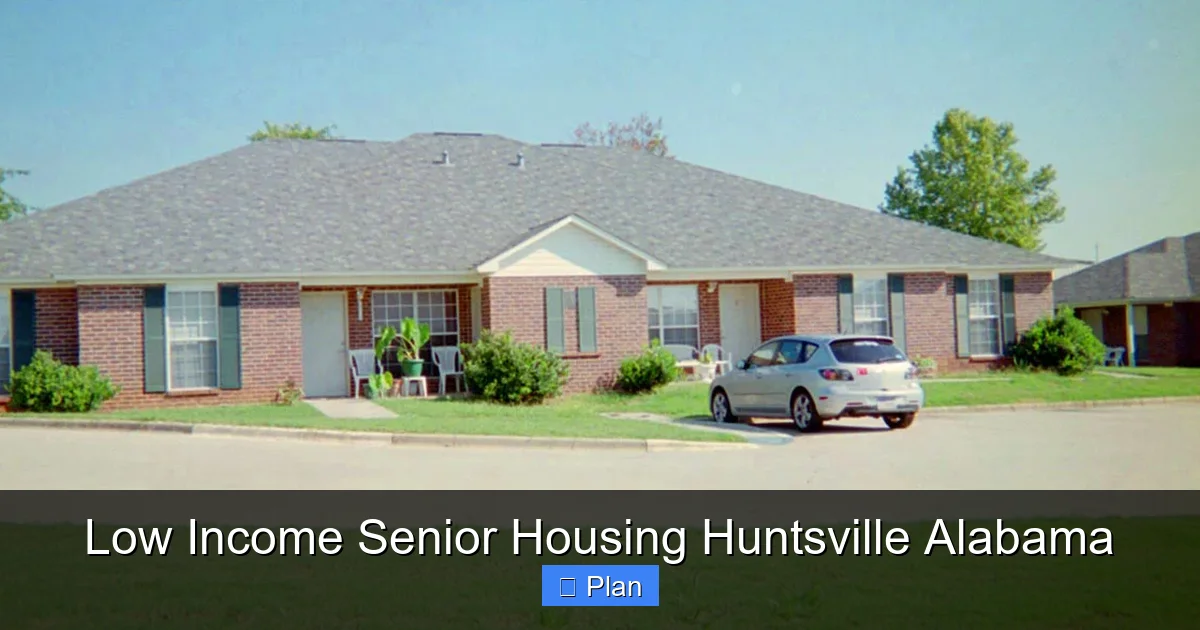
Visual guide about Low Income Senior Housing Huntsville Alabama
Image source: s3.amazonaws.com
Income Limits: The Hard Numbers
For 2024, HUD’s very low-income (50% AMI) limit for a one-person household in the Huntsville MSA is $36,550. For a two-person household, it’s $41,800. “Extremely low-income” (30% AMI) limits are even lower, at $21,900 for one person and $25,050 for two. To qualify for a specific apartment, you must fall at or below the income limit they have set (e.g., 50% AMI for that unit size). These numbers change yearly, so always check the latest from the Alabama PHA Contact List or the property manager.
How is “Income” Calculated? It’s not just your Social Security check. It’s your “adjusted gross income,” which includes most forms of income (wages, Social Security, pensions, SSI, some interest) but allows for certain deductions (like medical expenses over 3% of income for elderly households, or child support paid). The housing authority or property manager will calculate this during your application. It’s a good idea to estimate this yourself using a HUD income calculator if possible.
Other Eligibility Factors
- Citizenship/Eligible Immigration Status: You must be a U.S. citizen or have eligible immigration status.
- Background Check: Properties will check for criminal history, particularly violent crimes or drug-related offenses. Past evictions can also be a barrier.
- Rental History: They will contact previous landlords to check for lease violations or property damage.
- Credit Check: While not always disqualifying, poor credit (especially due to unpaid rent or utilities) can be an issue. Be prepared to explain circumstances.
For a deep dive into the specific documentation and calculation methods, our article on How To Qualify For Low Income Senior Housing provides an excellent, detailed breakdown that applies directly to the Huntsville process.
The Application Journey: A Step-by-Step Guide
Okay, you think you meet the age and income tests. Now what? The application process is where patience and precision are everything. Here is your typical path in Huntsville:
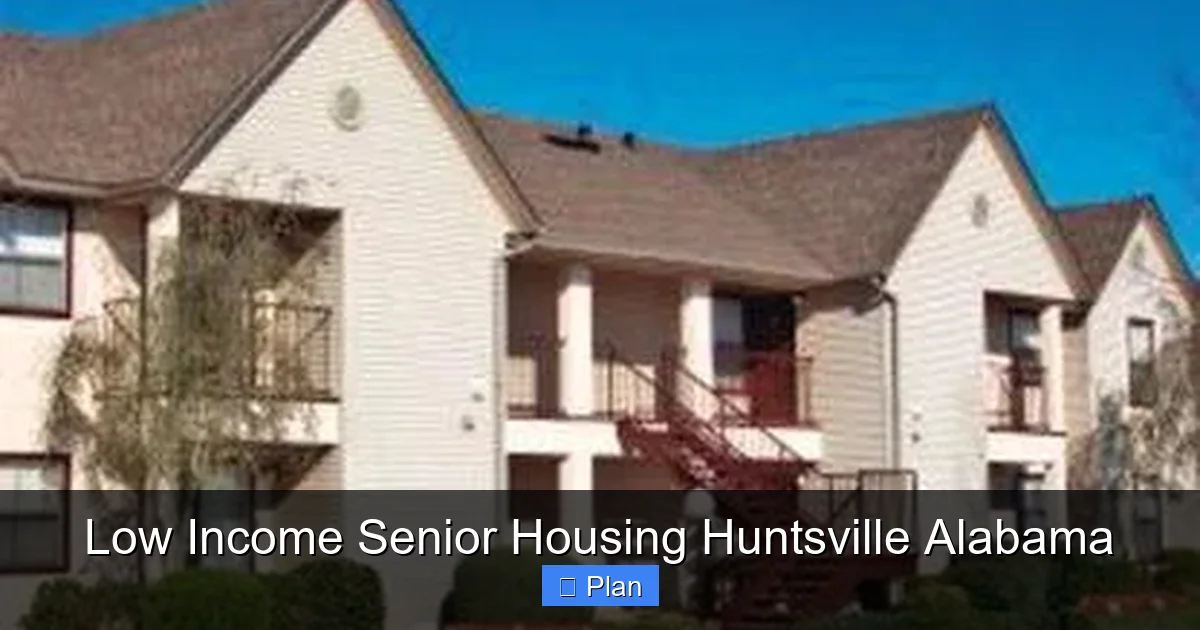
Visual guide about Low Income Senior Housing Huntsville Alabama
Image source: cdn-0.affordablehousingonline.com
Step 1: Research and Build Your Target List
Don’t put all your eggs in one basket. Identify 5-10 specific properties or programs. Use the online resources below. For each one, note: the exact application process (online, paper, in-person), their current waitlist status (open/closed), and their contact information. For HUD-subsidized buildings, you apply directly to that building. For LIHTC buildings, you apply to the management company. For a Section 8 voucher, you apply to the Huntsville Housing Authority.
Step 2: Gather Your Documentation (The “Documentation Dossier”)
Start this now. You will need copies of:
- Photo ID (Driver’s License, State ID, or Passport) for all household members.
- Social Security cards for all members.
- Proof of all income for the last 12 months (Social Security award letter, bank statements showing deposits, pension statements).
- Most recent federal tax return (if filed).
- Bank statements for all accounts (checking, savings).
- Proof of assets (stocks, bonds, retirement accounts).
- Proof of medical expenses (if claiming deductions).
- Birth certificates (sometimes requested).
Having a complete, organized folder (physical and digital) will make applying to multiple places much faster.
Step 3: Apply, Apply, Apply
When a waitlist opens, apply immediately. Many waitlists open for only a short window or until they reach a certain number of applicants. Submit your application exactly as requested. If they ask for it online, use online. If they want a paper form, mail it certified or drop it off with a receipt. Keep copies of everything you submit. When in doubt, call the property manager to confirm they received your application and ask for your placement on their waitlist. Get a name and date.
Step 4: The Wait (and Stay Engaged)
Waitlists in Huntsville can be 1-3 years long, sometimes longer for vouchers. This is the hardest part. During this time, keep your contact information updated with every property on your list. If you move, call them. If your income changes significantly, you may need to re-certify or could be removed from the list. Check in politely every 6-12 months to confirm you are still on the list and your status. Do not pester weekly, but an annual check-in shows continued interest.
Step 5: The Unit Offer and Move-In
When your name comes up, you will be contacted to review your updated documentation and income. If everything checks out, you’ll be offered a specific apartment. You will then sign a lease, often with a subsidized rent amount determined by your current income. You will likely need to pay a security deposit (often capped by program rules) and first month’s rent. A final inspection of the unit will occur. Once that’s done, you get the keys!
Key Huntsville Resources and Where to Search
Knowing where to look is half the battle. Here are your essential Huntsville-specific starting points:
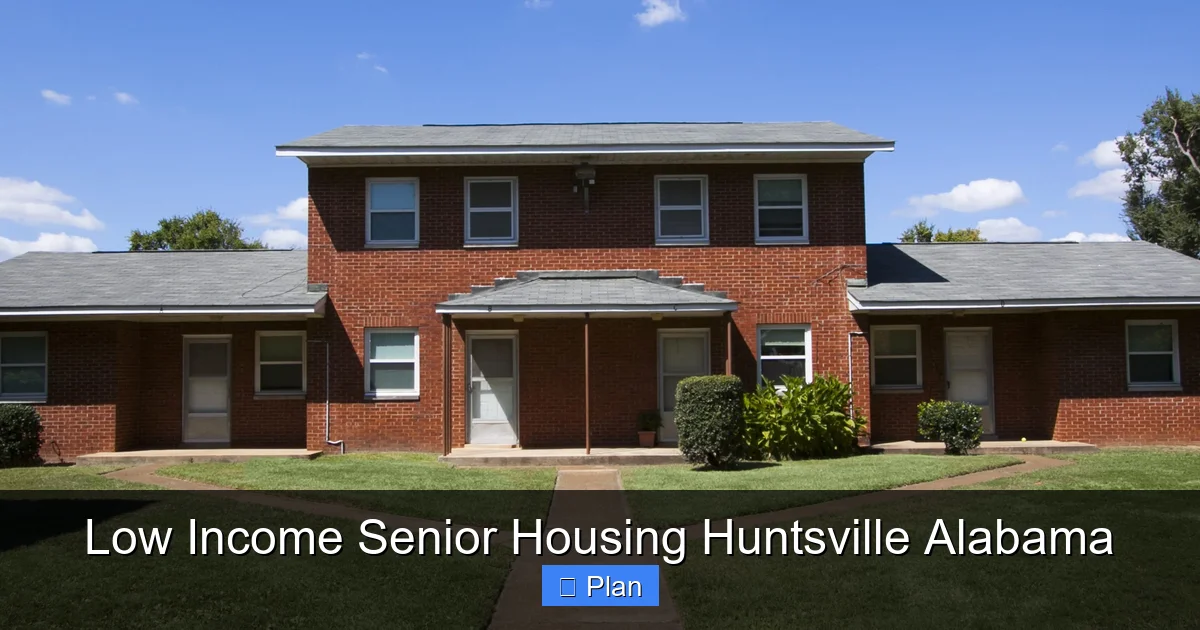
Visual guide about Low Income Senior Housing Huntsville Alabama
Image source: cdn-0.affordablehousingonline.com
The Huntsville Housing Authority (HHA)
This is your most critical local agency. They administer the Section 8 Housing Choice Voucher program for the city and may also manage some HUD-subsidized properties. Their website is a primary resource for voucher waitlist status and applications. Call them or check their website regularly for any updates on waitlist openings. They can also provide information on other affordable housing resources in the area. You can reach the HHA at (256) 533-3200 or visit their office.
Alabama Housing Finance Authority (AHFA)
AHFA is the state agency that allocates Low-Income Housing Tax Credits and provides financing for affordable housing developments. Their website has a searchable database of affordable rental properties across Alabama, including Huntsville. You can filter by “senior” or “elderly” and “Huntsville.” This is an excellent tool for finding LIHTC properties. They also manage some state-specific rental assistance programs, so check their “Renter” section.
Online Aggregators and Direct Property Searches
Use these sites with a critical eye:
- HUD’s Apartment Search: The official HUD search tool (hud.gov/apps/section8) lets you look for HUD-subsidized and Section 8-approved apartments by location. It’s a great starting point.
- Socialserve.com: A reliable aggregator that lists income-restricted and subsidized housing. You can set filters for “Senior/Elderly” and “Huntsville, AL.”
- Direct Google Search: Use precise terms like “HUD senior housing Huntsville AL,” “income restricted apartments Huntsville AL,” or “low income senior living Madison County.” This will lead you to specific property websites like those for The Summit at Edgewood, Madison Square Senior Apartments, or properties managed by companies like J.S. Helton or Mid-Atlantic Affordable Housing.
When you find a property that looks promising, go directly to the management company’s official website to find their specific application.
Local Senior Centers and Non-Profits
Places like the Huntsville/Madison County Senior Center (on Hughes Road) are more than just activity hubs. Their staff often have up-to-date, local knowledge about available housing, waitlists, and can sometimes provide application assistance or referrals. They are a fantastic human resource. Similarly, local United Way chapters (by dialing 211) can provide referrals to housing counseling agencies that might help you navigate the process.
Financial Assistance Beyond Rent: Stretching Your Dollar
Securing an affordable rent is the biggest hurdle, but it’s not the only cost. Utilities, food, and medical co-pays add up. Combining your housing subsidy with other aid programs is essential for true financial stability.
Utility Assistance: LIHEAP
The Low Income Home Energy Assistance Program (LIHEAP) helps pay heating and cooling bills. In Alabama, it’s administered through the state’s Department of Economic and Community Affairs (ADECA) and local Community Action Agencies. For Huntsville/Madison County, contact the Community Action Partnership of Huntsville/Madison County. They can help with one-time utility payments and may have weatherization programs to lower future bills.
Food Assistance: SNAP
Formerly known as food stamps, the Supplemental Nutrition Assistance Program (SNAP) provides monthly benefits on an EBT card to buy groceries. Many seniors on a limited income qualify but don’t apply. The Alabama Department of Human Resources (DHR) handles applications. You can apply online through the Alabama One Stop portal or in person at the Madison County DHR office. The benefit can be significant, freeing up cash for other needs.
Healthcare Cost Savings
If you are on Medicare, look into:
- Medicare Savings Programs (MSP): These state-run programs can pay all or part of your Medicare Part B premiums and, in some cases, deductibles and coinsurance. They have income and asset limits higher than Medicaid. Contact the Alabama Medicaid Agency or the State Health Insurance Assistance Program (SHIP) in Alabama for free counseling.
- Extra Help (Low-Income Subsidy) for Medicare Part D: This federal program helps pay for prescription drug coverage premiums, deductibles, and copayments. Apply through the Social Security Administration.
- Medicaid: If your income and assets are very low, full Medicaid may cover long-term care costs and services not covered by Medicare. This is a complex area, so consult with a SHIP counselor or elder law attorney.
Applying for these programs can be a full-time job. If you feel overwhelmed, seek help from a non-profit credit counseling agency or a social worker at your local senior center. They often have experience with these applications.
Practical Tips and Common Pitfalls to Avoid
Let’s get practical. Here’s how to increase your chances and avoid costly mistakes.
Tip 1: Apply Everywhere, But Strategically
Do not apply to just one waitlist. Apply to every HUD-subsidized building and every LIHTC property you qualify for in the Huntsville area. Some may be in neighboring towns like Madison, Decatur, or Athens, which might have shorter waits. Being flexible with location within a reasonable distance can dramatically improve your odds.
Tip 2: Keep Your Information Meticulously Updated
The number one reason people are removed from waitlists is outdated contact information. If you move, change phone numbers, or your income changes significantly, you are responsible for notifying every single property and the HHA. Do it in writing (email or letter) and keep a record. Your waitlist position is only valid if they can reach you when an apartment becomes available.
Tip 3: Understand “Adjusted Income”
Your rent isn’t based on your gross income. It’s based on “adjusted income,” which subtracts certain deductions. The most common for seniors is an allowance for high medical expenses not covered by insurance. If you pay a lot for prescriptions, dental work, or Medicare premiums, you may be able to deduct those costs, lowering your calculated income and thus your rent portion. Have your medical bills and insurance statements ready when you recertify.
Tip 4: Beware of Scams
This is critical. No legitimate housing program will ever ask you to pay money to apply, to get on a waitlist, or to “guarantee” an apartment. Be wary of anyone asking for payment via gift cards, wire transfers, or cash. Always verify a property or program by calling the Huntsville Housing Authority directly (using a number from their official .gov website) or the management company listed on the property’s official website. If an offer sounds too good to be true, it is.
Tip 5: Prepare for the Interview/Recertification
When your name comes up, you will have an interview. Be on time, dress neatly, and bring every single document they request, plus extras. Be honest and complete. The same goes for your annual recertification once you’re in a unit. Missing a recertification deadline can mean losing your subsidy and apartment.
For more general advice on navigating the senior apartment market that applies directly to Huntsville’s low-income options, our piece on Senior Apartment For Low Income offers valuable insights on what to expect during tours and lease signings.
Conclusion: Your Action Plan Starts Now
The journey to secure low-income senior housing in Huntsville is a marathon, not a sprint. It requires research, paperwork, patience, and persistence. But the destination—a stable, affordable home that allows you to age with dignity in a community you love—is worth the effort.
Your immediate next steps are:
1. Gather your documents. Start the dossier today.
2. Contact the Huntsville Housing Authority. Call (256) 533-3200 to ask about Section 8 waitlist status and get their most current information.
3. Search the AHFA and HUD databases to identify 5-10 specific properties in Huntsville and surrounding areas.
4. Call those properties directly to confirm their application status and process. Ask point-blank: “Is your waitlist open? What is the estimated wait time?”
5. Apply to every open waitlist you qualify for, submitting complete applications.
6. Contact your local senior center for local guidance and support.
Remember, you are not alone in this. Thousands of seniors in Huntsville are on the same path. By being organized, informed, and proactive, you put yourself in the best possible position. Start your search today, and take it one step at a time. Your affordable, secure senior home in Huntsville is out there.
Frequently Asked Questions
What is the maximum income to qualify for low-income senior housing in Huntsville?
For a one-person household, the “very low-income” limit (50% of Area Median Income) for the Huntsville metro area is $36,550 in 2024. Limits increase with household size. However, many specific apartments set their limits at 50% or 60% of AMI, so you must check the requirements for each property.
How long are the waitlists for subsidized senior housing in Huntsville?
Waitlists are typically very long, often ranging from 1 to 3 years or more. The Section 8 Housing Choice Voucher waitlist through the Huntsville Housing Authority is frequently closed for years at a time. HUD-subsidized apartment waitlists also commonly exceed two years. Applying to multiple properties is essential to improve your chances.
Can I have a pet in low-income senior housing?
Pet policies vary by property. Many HUD-subsidized and LIHTC properties have strict “no pet” policies, though they must make reasonable accommodations for service animals. Some newer LIHTC properties may allow small pets with a pet deposit and monthly fee. You must ask each property manager about their specific pet policy before applying.
Are utilities included in the rent for these programs?
It depends. In HUD-subsidized apartments, the tenant’s portion of rent (30% of adjusted income) often does not include utilities; you may pay a separate utility bill. Some LIHTC properties have “all bills paid” rents, which are a flat rate including utilities, but these are less common. Always ask, “What is the total monthly housing cost, including all utilities?” when evaluating an offer.
What should I do if I’m denied for low-income senior housing?
You have the right to an explanation. Request a written statement of the reason for denial (e.g., income over limit, negative background check). If you believe the reason is incorrect or you can provide mitigating circumstances (like a past eviction due to a health crisis), you can appeal the decision following the property’s or housing authority’s formal appeal process. Contact them immediately for the appeal procedures and deadlines.
Where can I get help filling out these complex applications?
Your best local resources are the Huntsville/Madison County Senior Center and the Huntsville Housing Authority. They often have staff or volunteers who can guide you. Additionally, non-profit credit counseling agencies and some legal aid societies offer housing counseling services. Calling 211 (United Way) can connect you to these local assistance programs. Never pay a fee for application help.
