
John H. Johnson Senior Assisted Living Apartments


Page Magnifier Sheet

Reacher Grabber Tool

Motion Sensor Night Lights
John H. Johnson Senior Assisted Living Apartments provide a nurturing, secure environment for seniors who need assistance with daily activities while maintaining independence. This community emphasizes personalized care plans, engaging social programs, and comfortable apartment-style living. Families can expect professional staff, nutritious dining, and a focus on resident well-being. Understanding the costs, care levels, and lifestyle offerings is key to determining if it’s the right fit for your loved one’s needs and budget.
Choosing the right senior living option is one of the most significant and emotional decisions a family can face. You want a place that feels like home, where your loved one is safe, respected, and engaged. You also need clarity on care, costs, and daily life. This comprehensive guide explores John H. Johnson Senior Assisted Living Apartments in detail, breaking down everything from the philosophy of care to the texture of daily life. Our goal is to arm you with the knowledge and confidence to determine if this community aligns with your family’s unique needs and aspirations for senior living.
Assisted living bridges the gap between completely independent living and the intensive, round-the-clock care of a nursing home. It’s designed for seniors who are largely self-sufficient but need help with one or more Activities of Daily Living (ADLs) like bathing, dressing, medication management, or mobility. The John H. Johnson Senior Assisted Living Apartments model specifically focuses on providing this support within a residential, apartment-style setting. This approach preserves dignity and autonomy while ensuring help is always nearby. To truly understand this model, it’s helpful to review the fundamentals of what assisted living for seniors entails, which outlines the core principles of this care level.
Key Takeaways
- Personalized Care: The community creates individualized care plans for each resident, adjusting support as needs change over time.
- Apartment-Style Living: Residents enjoy private or shared apartments with kitchenettes, promoting independence in a safe, senior-friendly environment.
- All-Inclusive Amenities: Utilities, maintenance, meals, and a robust calendar of activities are typically bundled into the monthly fee.
- 24/7 Staffing & Security: Professional caregivers and nurses are on-site around the clock, with emergency response systems in each apartment.
- Focus on Community & Wellness: Social engagement, fitness programs, and transportation services are designed to enhance quality of life and prevent isolation.
- Financial Flexibility: Costs vary by apartment size and care level, with options including private pay, long-term care insurance, and potential veterans’ benefits.
- Family Involvement: The facility encourages family participation through regular updates, visiting hours, and special events.
📑 Table of Contents
- Understanding the Assisted Living Philosophy at John H. Johnson
- A Closer Look at the Apartments and Community Amenities
- Comprehensive Care Services and Medical Support
- Understanding the Costs and Financial Planning
- The Vibrant Lifestyle and Community Culture
- Making the Decision: Is John H. Johnson Right for Your Loved One?
- Conclusion: A New Chapter of Comfort and Care
Understanding the Assisted Living Philosophy at John H. Johnson
The foundation of any great assisted living community is its philosophy of care. For John H. Johnson Senior Assisted Living Apartments, this philosophy typically revolves around three pillars: person-centered care, community, and holistic wellness. Person-centered care means that routines and support are built around the resident’s preferences, history, and goals—not the convenience of the staff. If someone has always been an early riser, their morning care is scheduled early. If they love gardening, the community ensures there are accessible planters or garden outings.
The Person-Centered Care Plan in Action
Upon move-in, a comprehensive assessment is conducted by the care team, often including nurses, social workers, and sometimes physical or occupational therapists. This assessment forms the basis of the Individualized Service Plan (ISP). This living document details exactly what help is needed, when, and by whom. For example, Mrs. Davis’s plan might state: “Assistance with showering every Tuesday and Thursday, medication reminders at 8 AM and 8 PM, and standby assistance for transfers from chair to bed.” This plan is reviewed quarterly or whenever there is a change in health status, ensuring care evolves with the resident.
Balancing Support with Independence
A common fear among seniors is losing their independence. The John H. Johnson model actively combats this by designing care to support, not replace, personal ability. Residents are encouraged to do what they can. The caregiver might set out morning medications and a glass of water, but the resident is encouraged to take them independently. This “hand-over-hand” or “supervised” approach fosters a sense of control and accomplishment. It’s a delicate balance, and the training of the direct care staff is paramount to getting it right.
A Closer Look at the Apartments and Community Amenities
The physical environment significantly impacts a senior’s comfort and happiness. John H. Johnson Senior Assisted Living Apartments are designed to be warm, residential, and functional. Moving from a family home to a senior apartment can feel daunting, so thoughtful design helps ease the transition.
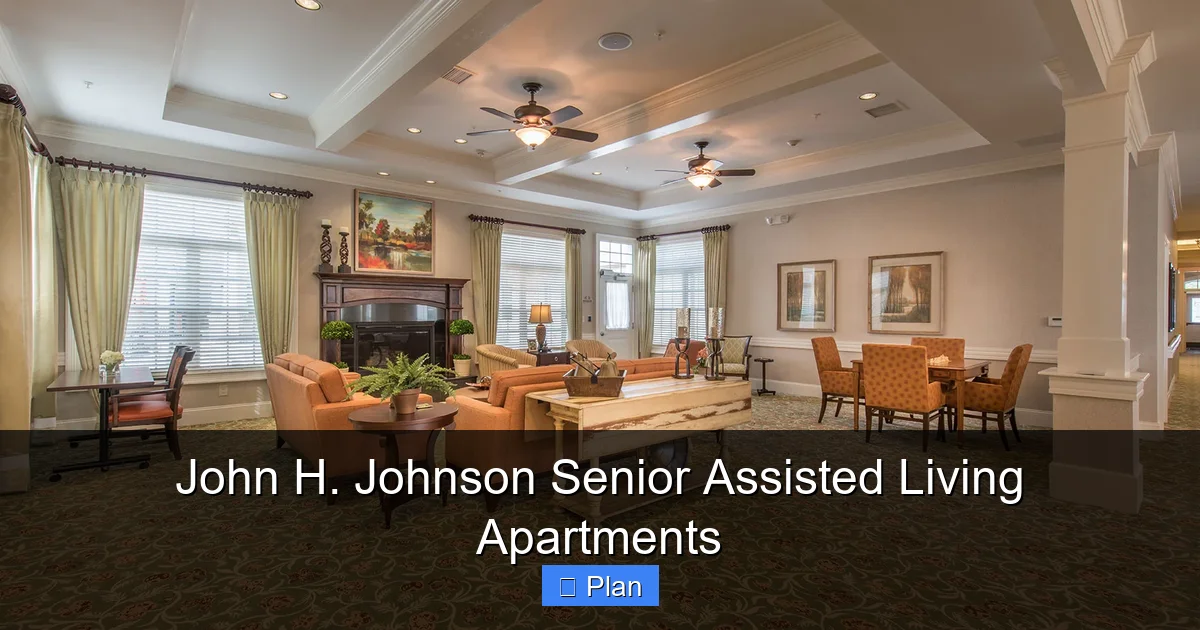
Visual guide about John H. Johnson Senior Assisted Living Apartments
Image source: bentonhouse.com
Apartment Layouts and Features
Typical apartment layouts include studio, one-bedroom, and sometimes two-bedroom options. Key features to look for include:
- No-Step Entries: Threshold-free doorways to prevent tripping and allow for easy wheelchair or walker access.
- Full Kitchens or Kitchenettes: Most apartments have a refrigerator, microwave, and sink, allowing residents to prepare snacks and simple meals, maintaining a routine from their past.
- Emergency Call Systems: Pull cords or wearable pendants that connect directly to a 24/7 staff station.
- Spacious Bathrooms: Roll-in showers, grab bars, and comfort-height toilets are standard safety features.
- Ample Closet Space: Designed for easy access, often with lower rods and shelves.
When comparing communities, it’s useful to see how these layouts stack up against others. For instance, The Orchard Senior Living Apartments highlights similar design principles focused on accessibility and homelike comfort, which can serve as a good benchmark during your research.
Common Areas and Social Hubs
Beyond private apartments, the community spaces are where life happens. Look for a beautiful dining room that serves as a social hub, not just a mess hall. A well-stocked library or quiet lounge, a fitness center with senior-appropriate equipment, and a beauty/barber salon are common and valuable amenities. Outdoor spaces—secured patios, walking paths, or gardens—are crucial for mental well-being. The activity room should be bustling, with a calendar posted that offers a mix of spiritual, educational, physical, and purely fun events (think trivia, chair yoga, current events discussions, and movie nights).
Comprehensive Care Services and Medical Support
The “assisted living” promise is only as good as the care delivery. John H. Johnson Senior Assisted Living Apartments must provide reliable, compassionate, and competent support. This section details what that care looks like on the ground.

Visual guide about John H. Johnson Senior Assisted Living Apartments
Image source: johnsonwilson.com
Daily Living Assistance
This is the core service. Assistance includes:
- Personal Care: Bathing, grooming, oral hygiene, dressing, and incontinence care.
- Mobility Support: Transfers (bed to chair, chair to toilet), ambulation support with walkers or wheelchairs.
- Medication Management: This can range from reminders (resident self-administers) to full administration by licensed staff. It’s critical to understand the level provided and any associated fees.
- Meal Assistance: Help with cutting food, opening containers, or feeding if necessary.
The staffing model is key. Are there enough caregivers per resident? What is the turnover rate? High turnover can disrupt the crucial resident-caregiver relationship. Ask about the ratio during the day, evenings, and night.
Health Monitoring and Partnerships
While not a medical facility, a quality assisted living community has strong protocols for health monitoring. Staff observe changes in appetite, mood, mobility, or cognition and communicate with families and outside physicians. Many communities have partnerships with local doctors, podiatrists, and therapists who provide on-site visits, making it easier for residents to access care without leaving home. If a resident requires more skilled nursing care temporarily (e.g., post-hospital rehab), some communities offer short-term respite or skilled nursing care either on-site or through a partner. Brightview Woodmont Senior Assisted Living & Memory Care, for example, integrates memory care within their assisted living continuum, a feature some families later find necessary.
Understanding the Costs and Financial Planning
Paying for assisted living is a major concern for families. The cost at John H. Johnson Senior Assisted Living Apartments is not a single number but a combination of a base rent for the apartment and a care fee based on the level of assistance required.

Visual guide about John H. Johnson Senior Assisted Living Apartments
Image source: zealseniorliving.com
Breaking Down the Monthly Fee
The pricing model is often “all-inclusive” or “tiered.” An all-inclusive model bundles rent, care, meals, and activities into one price, which may increase only slightly if care needs grow. A tiered model has a base apartment rate plus add-ons for each service (e.g., a fee for medication management, a fee for bathing assistance). Always ask for a detailed, written schedule of fees. Base rates for a one-bedroom apartment in many regions start between $3,500 and $5,500 per month, with care add-ons ranging from $500 to $2,000+ depending on needs. The John H. Johnson community will provide a personalized quote after their assessment.
How Do People Pay For This?
Most families use a combination of sources:
- Private Pay/Savings: This is the most common source. Using savings, investments, or proceeds from selling a home.
- Long-Term Care Insurance: If your loved one has a policy, it will have a daily or monthly benefit amount that can cover a portion of the cost. The policy will dictate eligibility (usually inability to perform 2-3 ADLs).
- Veterans Benefits: The VA’s Aid and Attendance (A&A) benefit is a pension supplement that can help cover assisted living costs for eligible wartime veterans and their surviving spouses. This benefit is need-based and requires application.
- Medicaid: Unfortunately, traditional Medicaid does not cover assisted living in most states. However, some states have Medicaid waiver programs (like HCBS waivers) that can help pay for in-community care. These have long waitlists and strict financial and clinical eligibility. It’s crucial to consult with a senior financial advisor or elder law attorney early in the process.
- Social Security: This monthly income is almost always used to cover a portion of the resident’s personal expenses and care costs.
For a broader view of affordability challenges, exploring resources on low-income senior apartments (though location-specific) can illustrate the national landscape of subsidized housing, which is different from assisted living but sometimes confused with it.
The Vibrant Lifestyle and Community Culture
Great care and nice apartments are the baseline. What makes a community thrive is its culture and the richness of daily life. The goal of John H. Johnson Senior Assisted Living Apartments should be to create an environment where residents feel they belong, have purpose, and enjoy their days.
Social Engagement and Activities
A robust activity calendar is non-negotiable. It should cater to diverse interests: physical (chair exercises, walking clubs), cognitive (book clubs, brain games), creative (art classes, music), spiritual (services, meditation), and social (happy hours, birthday celebrations). Look for opportunities for intergenerational programming (visits from school children) and outings to local attractions, museums, or restaurants. The activity director’s passion and creativity are often the heartbeat of the community. Ask to see a sample calendar and observe an activity in action during your tour.
Dining: More Than Just Meals
Food is a huge part of quality of life. The dining experience should feel restaurant-like, with attractive table settings, menu choices (often with a daily special and always a lighter option), and accommodation for dietary needs (diabetic, low-sodium, texture-modified). Meals are typically served restaurant-style in a central dining room, fostering social interaction. Snacks and beverages should be available throughout the day. Many families use a meal as a litmus test during a visit—if the food is good, it’s a strong positive sign.
Making the Decision: Is John H. Johnson Right for Your Loved One?
After gathering information, touring, and comparing options, how do you make the final choice? This process requires both your head and your heart.
Essential Questions to Ask During Your Tour
Go beyond the sales pitch. Prepare a list of questions:
- What is the staff-to-resident ratio during each shift?
- How are care needs assessed, and how often is the care plan reviewed?
- What is the protocol for a medical emergency? Which hospital do you transport to?
- Can we see a sample of the activity calendar for this month?
- What are the contract terms? Is there a 30-day move-out notice? What is the refund policy on the entrance fee if applicable?
- How do you handle conflicts or complaints between residents?
- What transportation is provided? Is it for medical appointments only or also for shopping and leisure?
Trust your instincts. Does the staff seem genuinely happy and engaged with residents? Do the residents appear content and well-groomed? Does the facility smell clean? These intuitive observations are powerful data points.
Involving Your Loved One in the Process
Whenever possible, include your senior family member in tours and discussions. Their preference for decor, floor plan, and activity style matters most. If they resist the idea, acknowledge their feelings about leaving home. Framing it as a “change” to a more supportive environment with “more free time” and “new friends” can be more palatable than “you need care.” Consider a short-term stay or “vacation week” if the community offers it. This trial period can work wonders for easing anxiety.
Ultimately, choosing John H. Johnson Senior Assisted Living Apartments is about finding a place where your loved one can transition with grace, where their remaining abilities are celebrated, and their needs are met with kindness and professionalism. It’s about finding a new chapter of community and care.
Conclusion: A New Chapter of Comfort and Care
Navigating the world of senior living is complex, but armed with the right information, you can make a decision that brings peace of mind to your whole family. John H. Johnson Senior Assisted Living Apartments represent a specific and popular model of care that prioritizes residential comfort alongside personalized support. From the safety of the apartment design to the vibrancy of the activity program and the diligence of the care staff, every element works toward one goal: enabling seniors to live their best, most engaged lives with the support they need.
Remember, the best community is the one that feels right for *your* loved one’s personality, health needs, and financial situation. Take your time, tour multiple communities (including options like Senior Living Apartments in Houston if location is flexible), ask tough questions, and trust your gut. The right assisted living apartment isn’t just a housing solution; it’s a gateway to maintained independence, new friendships, and a renewed sense of purpose. Begin your journey with confidence, knowing you are advocating for a cherished family member’s safety, happiness, and dignity in this next stage of life.
Frequently Asked Questions
What is the difference between assisted living and a nursing home?
Assisted living is for seniors who need help with daily activities but do not require 24/7 skilled nursing care. Nursing homes provide a higher level of medical care for those with complex health needs. John H. Johnson focuses on the assisted living model.
How are the costs at John H. Johnson Senior Assisted Living Apartments structured?
Costs are typically a combination of a base apartment rental fee and a variable care fee based on the specific assistance needs assessed for each resident. An all-inclusive pricing option may also be available. Always request a detailed, written fee schedule.
What happens if my loved one’s health declines and they need more care?
The community will reassess the resident’s care plan. Most assisted living communities, including John H. Johnson, are equipped to handle increased needs within their scope of care. If needs exceed what assisted living can safely provide, they will work with families to discuss a transition to a higher level of care, such as memory care or skilled nursing.
Are visitors allowed, and are there set visiting hours?
Yes, visitors are welcome and encouraged. Most communities have generous visiting hours, often 24/7 for family members. It’s best to confirm specific policies with the community, as some may have quiet hours or restrictions during meal times or group activities.
What type of meals are served, and can dietary restrictions be accommodated?
Meals are served restaurant-style in a communal dining room, with daily menu choices. Nutritious, chef-prepared meals are standard. Communities can almost always accommodate common dietary restrictions like low-sodium, diabetic, and gluten-free, as well as texture-modified diets for swallowing difficulties.
What kinds of activities are available to keep residents engaged?
A full-time activity director plans a diverse calendar including fitness classes, arts and crafts, educational lectures, music and entertainment, social gatherings, outings to local attractions, and spiritual programs. The goal is to offer options for all interests and ability levels to promote engagement and prevent isolation.