
Hoyer Lift vs Transfer Board: Which Is Safer?


Large Button TV Remote

Rollator Walker with Seat

Arthritis Gloves
Picking a Hoyer Lift vs Transfer Board is a big choice for a caregiver. Both tools help move a senior from a bed to a chair. They make daily life much easier for families at home.
However, they serve very different needs. One needs physical strength, and the other relies on a machine. Picking the right tool keeps the senior and the caregiver safe from harm.

Quick Comparison
A transfer board is best for seniors who have good arm strength. They must be able to sit up and help with the move. It is a simple piece of wood or plastic. It works best for active adults.
A Hoyer lift is best for seniors who cannot put weight on their legs. It does all the heavy lifting for the caregiver. If a senior has a weak core, a lift is the only safe choice. It takes all the physical strain away.
Hoyer Lift vs Transfer Board At A Glance
Here is a quick look at how these two aids compare. This chart shows the most basic facts.
| Feature | Hoyer Lift | Transfer Board |
| Weight Limit | Up to 400+ lbs | Up to 300+ lbs |
| User Effort | None needed | Needs arm strength |
| Caregiver Effort | Low back strain | Medium back strain |
Why Choose a Mechanical Hoyer Lift?
A Hoyer lift uses a large metal frame to move a person. A soft fabric sling goes under the senior. The machine then lifts them in the air.
This tool is made for heavy duty care. It takes the hard work away from the family. It is a true lifesaver for people with bad backs.
Ease of Use
Caregivers pump a handle or push a button to raise the sling. It takes time to learn how to place the sling under a person. Yet, it takes almost zero muscle power to do the lifting. You just roll the frame across the room.
Key Strengths
- Stops severe caregiver back injuries.
- Safe for seniors with total leg weakness.
- Works very well for heavy adults.
- Can lift someone safely off the floor.
- Feels very secure once in the air.
Potential Drawbacks
- Takes up a lot of floor space.
- Needs time to set up each day.
- Hard to push on thick rugs.
- Costs a lot of money to buy.
Why Choose a Simple Transfer Board?
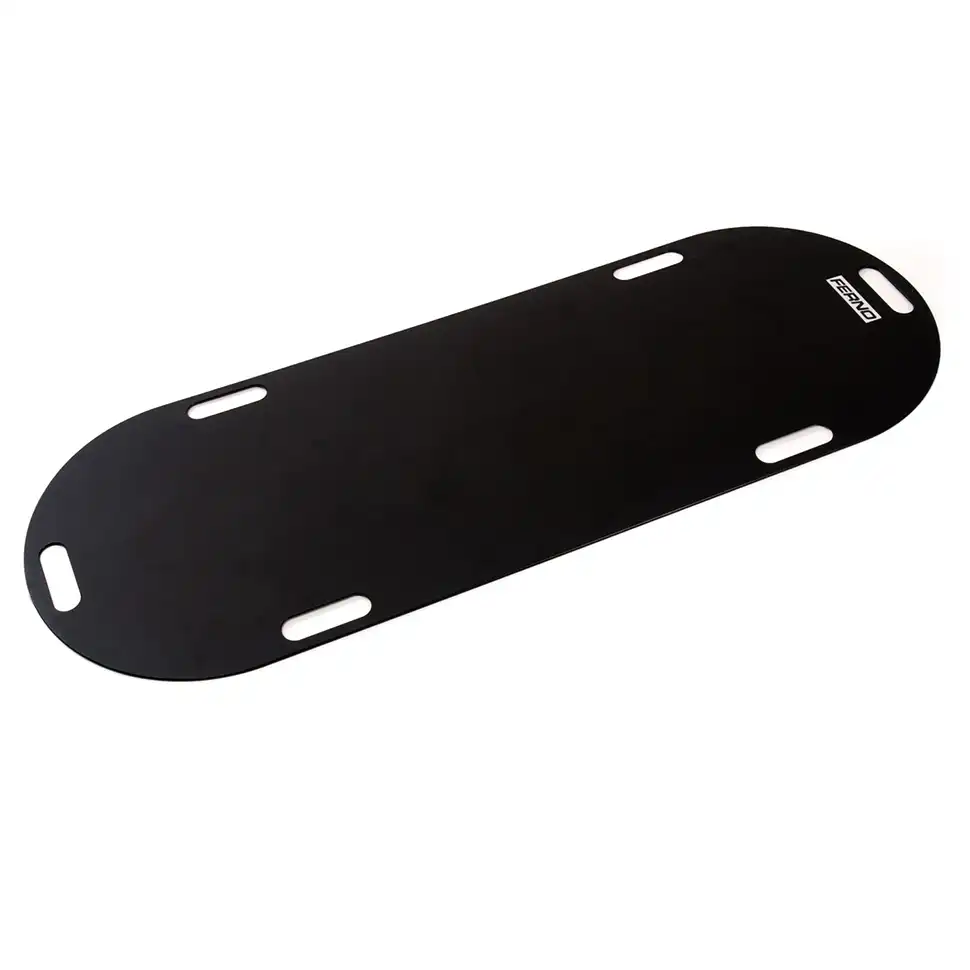
A transfer board is a flat piece of smooth wood. Some are made of heavy duty plastic. It acts like a small bridge between a bed and a chair.
The senior sits on one end of the board. They use their arms to push and slide across. It keeps them active and in charge.
Ease of Use
The board is very fast to set up. You just tuck one end under the senior and rest the other end on the chair. The senior does the hard work by sliding. The caregiver mostly stands by to keep them balanced.
Key Strengths
- Very cheap and easy to find.
- Small, light, and easy to hide away.
- Great for road trips and car rides.
- Helps the senior build arm strength.
- Extremely fast to use for quick trips.
Potential Drawbacks
- Not safe if the user has poor balance.
- Can cause skin rubbing if done wrong.
- Needs strong arms and a strong core.
- Caregivers must still do some guiding.
Which Is Easier for Seniors to Use?
The easiest choice depends on the senior’s health and energy. You must look at their daily strength.
A transfer board may be easier for seniors who want to stay active. It lets them control their own speed. They do not have to wait for a machine. They can slide when they feel ready.
A Hoyer lift is easier for seniors who get tired very fast. They just lay back in the sling. The machine handles all the lifting. They do not have to flex a single muscle during the move.
“A transfer board keeps a senior active, while a mechanical lift gives them total rest.”
Speed, Space, and Daily Performance
Performance comes down to time and room space. Transfer boards are very fast. You just place the board down and start the move. They work well in tiny rooms.
Lifts take much more time. You must roll the heavy frame next to the bed. Then, you must roll the person side to side to put the sling in place. They also need wide open floors to turn around.
Below is a look at how they perform in a normal house.
| Performance Area | Hoyer Lift | Transfer Board |
| Setup Speed | Slow | Fast |
| Space Needed | Large clear area | Very little space |
| Floor Type | Best on hard floors | Does not matter |
Comfort, Accessibility, and Senior Design
Comfort differs widely between the two items. A transfer board is quite hard. Sitting on it can feel stiff for thin adults. Seniors must wear thick pants to stop skin pain.
A Hoyer lift uses a soft fabric sling. The sling wraps around the body like a hammock. This stops bad pressure points on the skin. You can even buy mesh slings that breathe well in the summer.
However, being lifted high in the air can feel scary for some people. They may feel much safer sliding across a low board. It keeps them close to the bed. Fear is a big factor. You must talk to them calmly during the move.
Comparing the Main Features
These two items have totally different parts. A lift is a complex tool with moving metal pieces. A board is a solid block with no moving parts at all.
Let us look at the basic parts of each item. This helps you know what you are buying.
| Feature | Hoyer Lift | Transfer Board |
| Main Support | Fabric sling | Smooth flat surface |
| Power Source | Pump or battery | None (body power) |
| Safety Parts | Wheel locks | Non-slip grips |
Price, Maintenance, and Long-Term Value
Budget is a huge factor for families paying out of pocket. A basic board costs very little money. It needs almost zero care. You just wipe it clean with soap and a damp cloth.
A lift is a very big buy. Manual lifts cost a few hundred dollars. Electric models cost over a thousand dollars. You also have to replace the fabric sling if it gets a tear.
Here is a simple look at the costs.
| Cost Factor | Hoyer Lift | Transfer Board |
| Initial Price | $400 to $2,000+ | $20 to $60 |
| Maintenance | Check moving parts | Wipe clean daily |
| Long-Term Value | High for total care | High for basic aid |
Who Should Choose a Hoyer Lift?
A lift is often the safest choice for long-term home care. It protects everyone in the house from bad falls.
- Choose a lift if the senior cannot stand at all.
- Choose it if the main caregiver has a bad back.
- Choose it if the senior is very heavy.
- Choose it if the senior has poor sitting balance.
- Choose it if you have large rooms with hard floors.
Who Should Choose a Transfer Board?
A board is perfect for active adults. It is a great tool for minor daily help. It keeps life simple and fast.
- Choose a board if the senior has strong arms.
- Choose it if you have a very small bedroom.
- Choose it if you travel often in a car.
- Choose it if the user wants to stay active.
- Choose it if you are on a tight budget.
Hoyer Lift vs Transfer Board Final Verdict
Both items are helpful, but they serve totally different needs. There is no single winner here. It all depends on your body strength.
- Best for most seniors with total weakness: Hoyer Lift
- Best for keeping arm strength: Transfer Board
- Best overall value: Transfer Board
- Best for heavy lifting: Hoyer Lift
Simple Comparison Scoring Summary
We scored these tools based on typical daily use at home. A high score means it does a great job in that one area.
| Category | Hoyer Lift | Transfer Board |
| Caregiver Safety | 10/10 | 6/10 |
| User Independence | 2/10 | 9/10 |
| Cost and Value | 6/10 | 10/10 |
| Storage Space | 3/10 | 10/10 |
How We Evaluate Senior Products
We look closely at what truly matters to older adults. We do not just read the box or the ads. We focus on real safety and daily ease at home.
We check how much muscle power a tool needs. We look at the risk of slips and falls. We also think about the true cost for families over time. We want to make sure the item fits into normal home life.
Key Senior Buying Considerations
Always check a few facts before you spend your money. This ensures you get the right tool for your house.
- Physical Effort: Does the senior have the arm strength to slide across a gap?
- Caregiver Health: Can the caregiver safely help without hurting their back?
- Home Space: Will a large metal frame fit under your bed?
- Bed Height: Can your bed move up and down to match the chair height?
- Skin Health: Does the senior have thin or easily bruised skin?
Avoid These Common Buying Mistakes
Many families buy the wrong item when they are stressed. Avoid these common errors to save your time and money.
- Buying a board for someone with a weak core.
- Ignoring the total weight limit on the device.
- Forgetting to measure the bedroom floor space.
- Buying a lift without checking the space under the bed.
- Trying to use a machine without proper practice first.
Crucial Safety Tips for Transfers
Safety must always come first. Moving a person is risky. A fall can cause bad bone breaks or worse.
Always lock the wheels on the chair before using either tool. With a board, make sure the senior wears thick pants. This stops painful skin tears on the wood. Never use a board on bare skin.
With a lift, always double check the sling loops. Make sure they are hooked tight. Never use a torn or frayed sling. If you feel unsure, ask a nurse for a quick lesson.
Wrapping Up Your Decision
Picking between a Hoyer Lift vs Transfer Board is mostly about core strength. A board needs upper body power and good balance. A lift does the hard work for you and keeps the caregiver safe.
If the senior can sit up and push, a board is cheap and fast. If they cannot help at all, a lift is the only safe path forward. Always put daily safety above the price tag.