
HEPA vs Carbon Filter Which Is Better for Seniors?


Hands-Free Neck Magnifier

Air Fryer for Easy Cooking

Smart Doorbell Camera
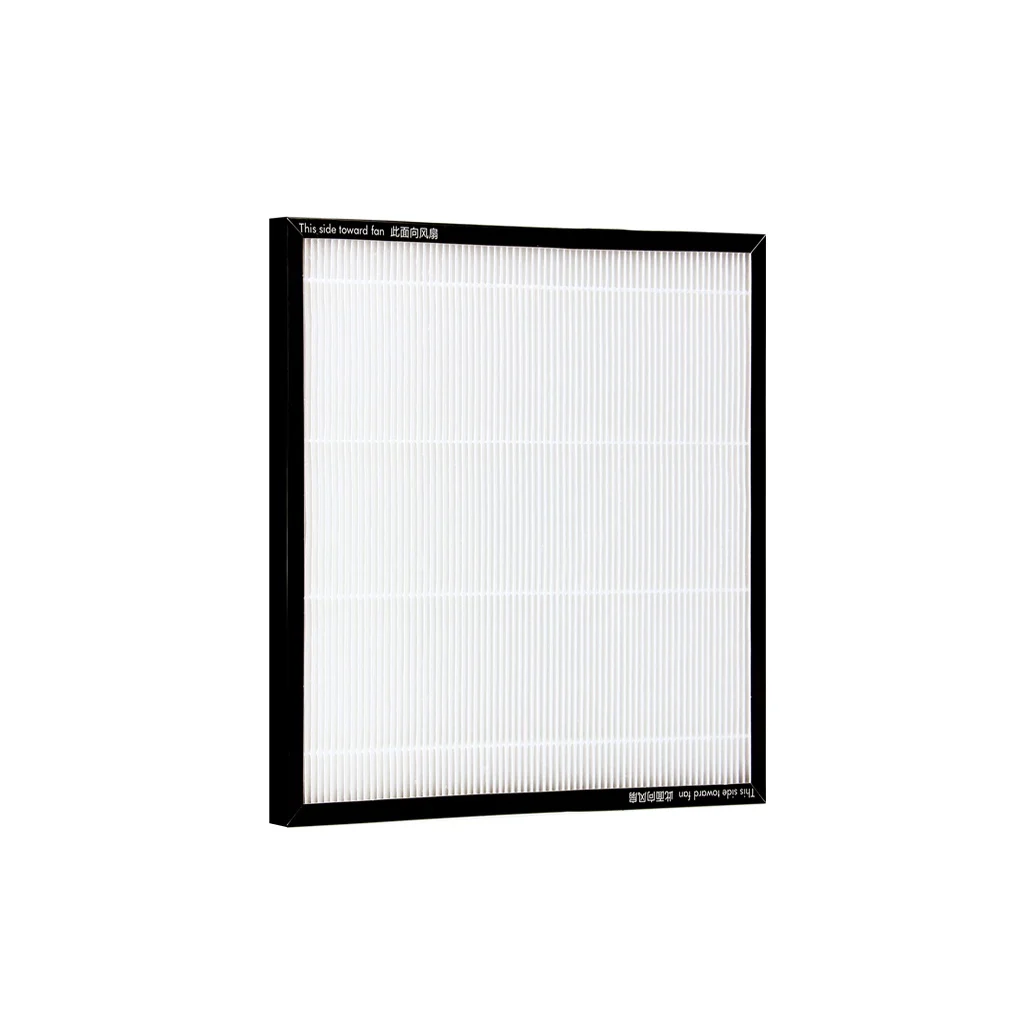
HEPA vs Carbon Filter comes down to what you want to remove from your indoor air. A HEPA filter traps tiny airborne particles, while an activated carbon filter helps reduce many odors and gases.
For older adults, the right choice depends on daily needs. Dust, pollen, smoke particles, cooking smells, and chemical odors all call for different solutions. Knowing how each filter works can help you choose an air purifier that fits your home and budget.
Quick Comparison
A HEPA filter is the better choice for airborne particles, such as dust, pollen, and smoke particles. An activated carbon filter is better for many odors and gases, such as some cooking smells and volatile organic compounds (VOCs).
If you want help with both, look for an air purifier that combines HEPA filtration with a substantial activated carbon filter. Neither type removes every indoor pollutant.
HEPA vs Carbon Filter at a Glance
Both filters can improve indoor air quality, but they work in different ways. This table highlights the main differences.
| Feature | HEPA Filter | Carbon Filter |
|---|---|---|
| Main purpose | Traps airborne particles | Adsorbs many gases and odors |
| Dust and pollen | Very effective | Not its main purpose |
| Smoke particles | Helps capture particles | Not designed for particles |
| Odor control | Limited | Often better |
| Gas removal | Generally limited | Depends on the gas and filter |
| Maintenance | Replace as directed | Replace when exhausted |
| Best use | Particle reduction | Odor and selected gas reduction |
HEPA Filter Review for Seniors
A HEPA filter uses a dense, pleated material to trap airborne particles as air passes through it. A true HEPA filter can capture at least 99.97% of particles measuring 0.3 microns under the specified test conditions.
For seniors who want to reduce airborne dust, pollen, and smoke particles, this can be a useful feature in a home air purifier.
Ease of Use
A HEPA filter usually works automatically inside an air purifier. You do not need to handle the filter during normal operation.
For easier everyday use, look for a purifier with simple controls, a clear filter-change indicator, and a filter that is easy to access. A lightweight replacement filter may also help if you plan to change it yourself.
Key Strengths
- Traps fine airborne particles.
- Helps reduce airborne pollen and dust.
- Can capture smoke particles when used in a suitable purifier.
- Works without adding fragrances to the air.
- Requires little attention during normal operation.
Potential Drawbacks
- Does not effectively remove most gases or odors on its own.
- Needs replacement according to the manufacturer’s instructions.
- Replacement filters can add to long-term costs.
- A poorly sized purifier may clean a room too slowly.
Activated Carbon Filter Review for Seniors
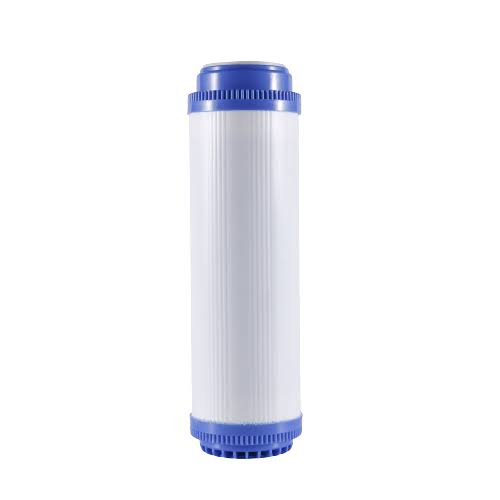
An activated carbon filter uses porous carbon with a large surface area. Many gas molecules stick to its surface through a process called adsorption.
This makes carbon useful for reducing certain household odors and gases. However, its performance depends on the type of pollutant, the amount of carbon, and how the filter is designed.
Ease of Use
Like a HEPA filter, an activated carbon filter normally operates inside the purifier without daily handling.
Before buying, check how much carbon the filter contains and how often it may need replacement. A thin carbon-coated sheet may offer less odor-control capacity than a filter containing a substantial amount of carbon.
Key Strengths
- Helps reduce many cooking and household odors.
- Can remove certain gases and VOCs.
- Complements particle filtration in a combined purifier.
- Works automatically during normal operation.
Potential Drawbacks
- Does not replace a HEPA filter for fine particle removal.
- Can become saturated and lose effectiveness.
- Performance varies by gas and filter design.
- Replacement needs can increase ongoing costs.
Which Filter Is Easier for Seniors to Use?
Neither filter has a clear advantage in everyday operation. Both are usually installed inside an air purifier, so the device’s design matters more than the filter material.
For someone with limited hand strength or dexterity, look for:
- A filter compartment that opens without excessive force.
- Large, clearly marked controls.
- A simple filter replacement process.
- A reminder that indicates when maintenance is due.
- A manageable filter size and weight.
A caregiver may also prefer a purifier that makes replacement filters easy to identify and install. These features can reduce the effort needed to maintain the device.
Performance Comparison
The best filter depends on the type of pollution you want to reduce. HEPA and carbon filters do different jobs, so comparing them as if they were interchangeable can lead to a poor purchase.
| Pollutant or Concern | Better Choice | Why |
|---|---|---|
| Airborne dust | HEPA | Traps particles |
| Pollen | HEPA | Captures airborne pollen |
| Smoke particles | HEPA | Filters airborne particles |
| Cooking odors | Activated carbon | Adsorbs many odor compounds |
| Some VOCs | Activated carbon | Can capture certain gases |
| Both particles and odors | Combined system | Uses separate filtration methods |
Carbon filters do not remove every gas. They also should not be relied on to protect against dangerous gases such as carbon monoxide. A working carbon monoxide alarm and proper source control are essential where fuel-burning appliances are used.
Comfort, Accessibility, and Senior-Friendly Design
A good air purifier should be easy to operate and maintain, regardless of the filter type.
For everyday comfort, consider these points:
- Noise: Check sound levels at the fan speed you expect to use.
- Placement: Choose a stable spot with enough room for airflow.
- Controls: Clear labels and simple settings can make operation easier.
- Filter access: Avoid designs that require awkward bending or difficult twisting.
- Maintenance: Check replacement costs and how often filters need changing.
Do not assume that every older adult needs special controls. Choose features that match the user’s abilities and routine.
Features Comparison
Some air purifiers use only particle filtration, while others combine particle and gas filtration. The full device matters as much as the filter itself.
| Feature | HEPA-Based Purifier | Carbon-Based Purifier |
|---|---|---|
| Particle filtration | Main strength | Limited unless combined |
| Odor reduction | Usually limited | Main strength |
| Gas filtration | Generally limited | Depends on carbon and gas |
| Room coverage | Check particle CADR | Check gas-filter design |
| Filter replacement | Required | Required |
For particle removal, check the clean air delivery rate (CADR) and whether the purifier is suitable for your room size. CADR measures particle-cleaning performance; it does not tell you how well a unit removes gases or odors.
Price, Maintenance, and Long-Term Value
The purchase price alone does not tell you which filter offers better value. Replacement costs, filter life, and the type of pollution you need to address all matter.
| Cost Factor | HEPA Filter | Carbon Filter |
|---|---|---|
| Initial cost | Depends on purifier | Depends on purifier |
| Replacement cost | Varies by model | Varies by carbon quantity |
| Service life | Follow maker guidance | Depends on pollutant load |
| Maintenance | Replace as directed | Replace when exhausted |
| Best value | Particle control | Odor and gas control |
A carbon filter may lose its ability to adsorb gases before it looks dirty. A HEPA filter can also become loaded with particles and restrict airflow. Follow the manufacturer’s replacement schedule rather than relying on appearance alone.
Who Should Choose a HEPA Filter?
Choose a HEPA filter if:
- You want to reduce airborne dust and pollen.
- Smoke particles are a concern in your home.
- You want particle filtration for a bedroom or living room.
- You prefer a filter designed specifically for airborne particles.
- You want an air purifier that focuses on particle removal.
A properly sized HEPA air purifier may be especially useful in rooms where you spend much of your day.
Who Should Choose an Activated Carbon Filter?
Choose an activated carbon filter if:
- Cooking smells linger in your home.
- You want to reduce certain household odors.
- Selected gaseous pollutants or VOCs are a concern.
- You already have adequate particle filtration.
- You have checked that the carbon filter is designed for the pollutants you want to remove.
If odors come from a leak, dampness, smoke source, or other ongoing problem, address the source first. A filter should not be used to hide a problem that needs fixing.
HEPA vs Carbon Filter — Final Verdict
There is no universal winner because these filters serve different purposes.
- Best for airborne particles: HEPA filter.
- Best for many odors: Activated carbon filter.
- Best for both needs: A purifier with HEPA and activated carbon filtration.
- Best value: Depends on your main concern, replacement costs, and room size.
- Best for ease of use: Whichever purifier has accessible filters and simple controls.
For most households seeking to reduce airborne particles, a suitable HEPA-based purifier is a sensible starting point. If odors or selected gases are also a concern, consider a combined system with enough carbon to provide meaningful adsorption capacity.
Scoring Summary
These are qualitative assessments of each filter’s intended purpose, not laboratory test results or ratings of specific products.
| Category | HEPA Filter | Carbon Filter |
|---|---|---|
| Particle removal | 10/10 | 2/10 |
| Odor control | 2/10 | 9/10 |
| Gas removal | 2/10 | 7/10 |
| Ease of routine use | 8/10 | 8/10 |
| Value | Depends on needs | Depends on needs |
The scores are illustrative, not standardized performance ratings. Actual results depend on the specific purifier and filter design.
How We Evaluate Products
This comparison considers how each filter works, what it can remove, and how practical it is for older adults and caregivers.
The main factors are:
- Particle and gas removal capabilities.
- Ease of operation and filter replacement.
- Maintenance needs and recurring costs.
- Room suitability and airflow.
- Practical value for everyday use.
No hands-on testing is claimed. The comparison reflects the general functions of these filter types, not a test of particular models.
Senior-Specific Buying Considerations
Before choosing an air purifier, consider the following points.
Physical Effort
Can you lift the purifier or reach its filter compartment comfortably? If not, choose a design that is easy to maintain or ask a caregiver for help.
Controls
Look for clear labels and straightforward settings. A complex app is not necessary for everyone.
Maintenance
Check filter availability and replacement costs before buying. A filter that is difficult to find may be inconvenient later.
Room Size
Choose a purifier with an appropriate CADR for the room where you plan to use it. A small unit may not clean a large room effectively.
Filter Type
Identify your main concern first. Particles and gases need different filtration methods, and a combined purifier may be more suitable if you need both.
Common Buying Mistakes
Avoid these mistakes when comparing HEPA and carbon filters.
- Choosing carbon for dust: Carbon is not a substitute for a proper particle filter.
- Choosing HEPA for every odor: HEPA filtration alone is not designed to remove most gases.
- Ignoring carbon quantity: A thin carbon layer may have limited capacity.
- Overlooking replacement costs: Both filter types need maintenance.
- Buying an undersized purifier: Room coverage and airflow affect particle removal.
- Trusting broad claims: Check the specific pollutants a product is designed to capture.
Safety Considerations
Air purifiers can support cleaner indoor air, but they do not replace ventilation, cleaning, or removal of pollution sources.
Keep these precautions in mind:
- Never rely on an air purifier to detect or remove carbon monoxide.
- Install and maintain appropriate smoke and carbon monoxide alarms.
- Fix moisture problems rather than relying on filtration to solve mold growth.
- Follow the manufacturer’s instructions for cleaning and replacing filters.
- Avoid air-cleaning devices that intentionally produce ozone.
If a household has a specific health or air-quality concern, seek suitable professional guidance rather than assuming that one filter will solve it.
Frequently Asked Questions
Is a HEPA filter better than a carbon filter?
A HEPA filter is better for airborne particles, while activated carbon is better for many odors and selected gases. Neither is universally better.
Can a carbon filter remove dust?
A carbon filter is not designed to provide the same particle filtration as a HEPA filter. Choose a purifier with a suitable particle filter if dust reduction is your goal.
Does a HEPA filter remove cooking smells?
A HEPA filter can capture some airborne particles produced during cooking, but it generally does not remove the gases responsible for many cooking odors. Activated carbon can help with those odors.
Should seniors buy an air purifier with both filters?
A combined HEPA and activated carbon purifier can be a good choice when both airborne particles and odors are concerns. Check room coverage, carbon quantity, and replacement costs.
How often should these filters be replaced?
There is no single schedule for every model. Follow the manufacturer’s guidance and consider operating time, pollutant levels, and the filter’s condition.
Can a carbon filter remove all harmful gases?
No. Carbon filters vary in their ability to capture different gases. They cannot be relied on to remove every gaseous pollutant or to provide protection against carbon monoxide.
Conclusion
The main difference in HEPA vs Carbon Filter is simple: HEPA filters trap airborne particles, while activated carbon filters adsorb many odors and selected gases.
For seniors who want to reduce dust, pollen, or smoke particles, a suitable HEPA-based purifier is often the more useful starting point. For lingering odors or certain gases, activated carbon may be more appropriate.
If both concerns matter, a combined purifier can offer a more complete approach. Focus on the pollutants you want to address, room size, easy maintenance, and long-term filter costs before making your decision.
