
Heating Pad vs Hot Water Bottle: Which Is Better?


Weighted Blanket
Electric Mobility Scooter
Orthopedic Pillow
Heating Pad vs Hot Water Bottle is a useful comparison when you want simple warmth at home. Both can provide heat, but they work in very different ways.
A heating pad uses electricity to make heat. A hot water bottle uses warm water. For many seniors, the better choice comes down to ease of use, heat control, safety, and how much setup is needed.
Quick Comparison
A heating pad is usually easier for daily use because you can turn it on and adjust the heat without filling it with water.
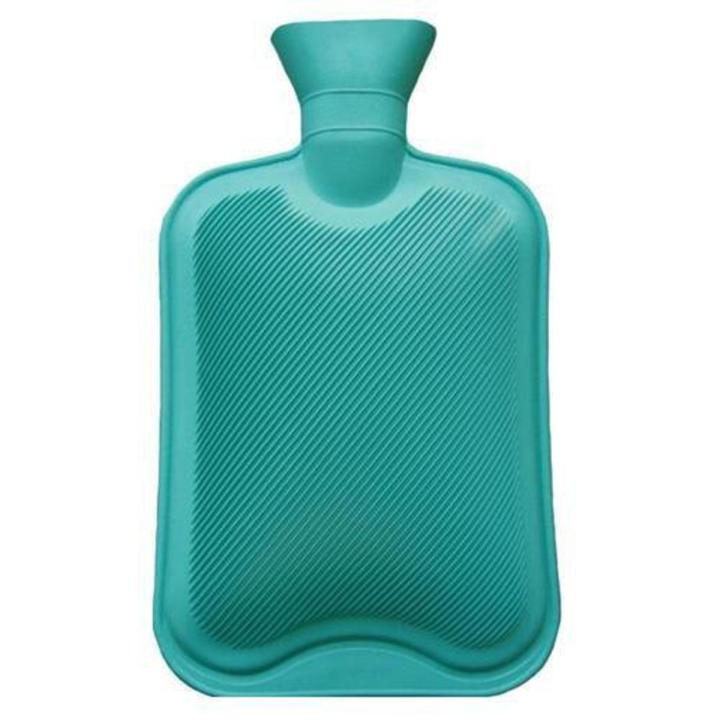
A hot water bottle may be better for simple, portable warmth when you do not want to use electricity. It can also keep giving off heat after you fill it.
For easy daily use, a heating pad has the edge. For simple warmth without power, a hot water bottle can make more sense.
Heating Pad vs Hot Water Bottle At a Glance
Here is the simple side-by-side view.
| Feature | Heating Pad | Hot Water Bottle |
|---|---|---|
| Heat source | Electricity | Hot water |
| Heat control | Usually adjustable | Depends on water temperature |
| Setup | Plug in and use | Fill with warm water |
| Daily use | Very easy | Needs refilling |
| Portability | Good, but needs power | Very good |
| Maintenance | Low | Needs drying and care |
| Heat duration | Depends on model | Can stay warm for a while |
| Main safety concern | Electricity and heat | Hot water and heat |
Heating Pad Review for Senior Use
A heating pad is made for simple, repeat use. Many models have a soft pad and a handheld controller.
For a senior who wants warmth without much setup, this can be a strong choice.
Ease of Use
A heating pad is simple once it is set up. Plug it in, choose a heat level, and place it where needed.
The controller matters a lot. Large buttons and clear settings may be easier for people with limited hand strength or poor vision.
A long cord can also help. But the cord should not create a trip hazard.
Key Strengths
- Easy to start
- Heat level can often be adjusted
- No water to carry
- Good for repeated use
- Simple storage
- No filling or emptying
Potential Drawbacks
- Needs an electrical outlet
- The cord can get in the way
- Heat can become uncomfortable if used too long
- Electrical parts need proper care
- Some controls may be hard to read
Hot Water Bottle Review for Senior Use
A hot water bottle is a very simple heat source. You fill it with warm water, close the stopper, and use it with care.
It does not need electricity, which is a major benefit. It can also be easy to move from one room to another.
Ease of Use
The main work is filling the bottle.
This can be harder for some seniors. Hot water can also be heavy to carry. The stopper must close well before the bottle is used.
A cover can make the bottle more comfortable to hold against the body.
Key Strengths
- No electricity needed
- Simple design
- Easy to move
- Useful during power outages
- Low ongoing equipment needs
- No buttons or controls to learn
Potential Drawbacks
- Needs filling with warm water
- Can be heavy when full
- Water can spill if the stopper is not secure
- Heat level is less precise
- The bottle needs proper storage and care
Which Is Easier for Seniors to Use?
Ease of use depends on the person, but the heating pad usually has an advantage for regular use.
There is no need to carry hot water. There is also no need to fill, empty, and dry the product each time.
A hot water bottle may still be easier for someone who does not want to deal with electrical controls.
| Senior Need | Better Choice | Why |
|---|---|---|
| Simple heat control | Heating Pad | Settings can be adjusted |
| No electrical controls | Hot Water Bottle | No buttons are needed |
| No water handling | Heating Pad | Just plug it in |
| No power needed | Hot Water Bottle | Works without electricity |
| Frequent daily use | Heating Pad | Faster setup |
For someone with limited dexterity, the filling step may make a hot water bottle less convenient.
Performance Comparison
Both products provide warmth, but the experience is different.
A heating pad gives steady heat while it is powered. Many models also offer more than one heat setting.
A hot water bottle starts hot and then cools as time passes. The exact heat and duration depend on the water and the bottle.
| Performance Area | Heating Pad | Hot Water Bottle |
|---|---|---|
| Heat adjustment | Usually better | Limited |
| Steady heat | Better while powered | Gradually cools |
| No-power use | No | Yes |
| Quick setup | Usually better | Requires filling |
| Portable warmth | Good | Excellent |
For controlled and repeatable warmth, a heating pad is the more practical option.
Comfort, Accessibility, and Senior-Friendly Design
Comfort is not only about how warm the product feels. Weight, controls, shape, and handling also matter.
A heating pad may be easier to position because it is usually light and flat. A hot water bottle can feel heavier after filling.
For seniors with limited grip strength, carrying a full bottle may be less convenient.
A soft cover can improve comfort with either option.
Features Comparison
The main feature gap is control.
A heating pad may offer adjustable heat settings and a controller. A hot water bottle keeps things much simpler.
| Feature | Heating Pad | Hot Water Bottle |
|---|---|---|
| Adjustable heat | Often | No |
| Controller | Often | No |
| Electricity | Yes | No |
| Water filling | No | Yes |
| Cover | Often available | Common |
| Automatic features | Some models | No |
More features are not always better. A simple hot water bottle may be the better fit for someone who prefers fewer controls.
Price, Maintenance, and Long-Term Value
Both options can be affordable, but their costs work in different ways.
A heating pad has an upfront product cost and uses electricity. A hot water bottle needs warm water and may need replacement if the bottle or stopper becomes worn.
The heating pad may offer better value for frequent use because it is quick to operate. The hot water bottle may offer better value for someone who only needs simple warmth from time to time.
| Cost Factor | Heating Pad | Hot Water Bottle |
|---|---|---|
| Power cost | Uses electricity | None |
| Water needed | No | Yes |
| Replacement parts | Depends on model | Stopper may need care |
| Maintenance | Low | Check for wear and leaks |
| Long-term value | Good for frequent use | Good for simple use |
Do not choose only by the lowest purchase price. Think about how often the product will be used.
Who Should Choose a Heating Pad?
Choose a heating pad if:
- You want quick daily use.
- You prefer adjustable heat.
- You do not want to handle hot water.
- You want simple temperature control.
- You plan to use the product often.
- You prefer a lightweight product that is easy to position.
Who Should Choose a Hot Water Bottle?
Choose a hot water bottle if:
- You do not want to use electricity.
- You want a simple product with no controls.
- You need warmth during a power outage.
- You prefer a highly portable option.
- You do not mind filling it with warm water.
- You want a basic heat source without electronic parts.
Heating Pad vs Hot Water Bottle — Final Verdict
Best for most seniors: Heating Pad
Best for no electricity: Hot Water Bottle
Best for ease of heat control: Heating Pad
Best for simple design: Hot Water Bottle
Best for frequent use: Heating Pad
The heating pad wins for convenience and control. The hot water bottle wins for simplicity and use without electricity.
Scoring Summary
These scores are based on practical senior-use factors, not laboratory testing.
| Category | Heating Pad | Hot Water Bottle |
|---|---|---|
| Ease of Use | 9/10 | 7/10 |
| Senior-Friendly Design | 8/10 | 8/10 |
| Heat Control | 9/10 | 6/10 |
| Maintenance | 9/10 | 7/10 |
| Value | 8/10 | 9/10 |
The better score depends on what matters most. A simple product can be the right choice even when it has fewer features.
How We Evaluate Products
This comparison focuses on practical factors that matter in daily senior use.
We look at ease of use, comfort, accessibility, safety, heat control, maintenance, setup, and long-term value.
No hands-on testing is claimed here. The comparison is based on the practical differences between these two product types.
Senior-Specific Buying Considerations
Before choosing, think about these points.
Physical Effort
Consider whether filling a bottle with warm water is easy and safe to manage.
Controls
If using a heating pad, look for controls that are easy to see and operate.
Maintenance
Check the product regularly. A hot water bottle should not be used if it shows signs of damage or leakage.
Storage
Both products should be stored in a clean, dry place when not in use.
Setup
A heating pad needs a suitable power source. A hot water bottle needs access to warm water.
Safety
Heat can cause burns if it is too hot or used for too long. Follow the product instructions and avoid direct, excessive heat on the skin.
If someone has reduced ability to sense heat or has a health condition that affects heat safety, it is wise to ask a healthcare professional before regular use.
Common Buying Mistakes
Avoid these simple mistakes:
- Choosing only by price
- Ignoring the ease of filling a hot water bottle
- Buying a heating pad with confusing controls
- Ignoring cord placement
- Using excessive heat
- Forgetting to check the product for damage
Safety
Both products need careful handling because they produce heat.
With a heating pad, keep the cord and electrical parts away from water. Use the product according to its instructions.
With a hot water bottle, use warm rather than dangerously hot water. Make sure the stopper is secure and check the bottle for cracks, leaks, or other damage.
Do not use a damaged product. Avoid falling asleep with a heat source unless the product is specifically designed and approved for that type of use.
Conclusion
Heating Pad vs Hot Water Bottle comes down to convenience versus simplicity. A heating pad is usually easier for frequent use and gives better control over heat.
A hot water bottle is a good choice when electricity is not available or when a simple, low-tech option is preferred. For either choice, safe handling matters more than having extra features.
