
TENS Unit vs Heating Wrap: Which?


Portable Radio with Large Buttons

Long Handle Shoe Horn

LED Clip Reading Light
TENS Unit vs Heating Wrap is really a choice between two very different ways to manage discomfort at home. A TENS unit uses small electrical impulses through skin electrodes, while a heating wrap uses warmth over the area.
For seniors, the better choice depends less on which product sounds more advanced and more on comfort, setup, controls, skin sensitivity, and personal needs. A heating wrap may feel simpler, while a TENS unit offers adjustable electrical stimulation without applying heat.
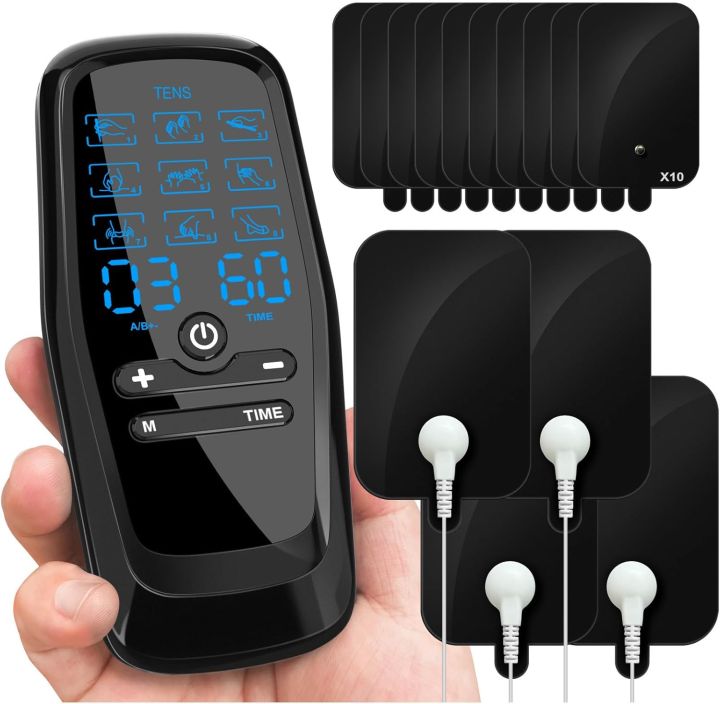
Quick Comparison
A heating wrap is usually the simpler choice for seniors who want straightforward warmth and easy controls.
A TENS unit may be more suitable for someone who prefers adjustable electrical stimulation and does not want heat. However, TENS has more usage precautions and may not be appropriate for everyone.
The better option is the one that matches the user’s needs, comfort, and safety requirements.
TENS Unit vs Heating Wrap At a Glance
Both can be portable, but they work in very different ways. Here are the main differences that matter for everyday senior use.
| Feature | TENS Unit | Heating Wrap |
|---|---|---|
| Main approach | Electrical nerve stimulation | Localized heat |
| Setup | Attach electrode pads and connect leads | Position the wrap and set heat |
| Controls | Intensity and mode controls | Heat settings and controls |
| Heat | No | Yes |
| Portability | Usually very portable | Portable, depending on design |
| Skin contact | Adhesive electrode pads | Fabric or wrap surface |
| Maintenance | Pads and wires need care | Mainly cleaning and electrical care |
| Learning curve | Moderate | Usually simple |
| Best advantage | Adjustable stimulation | Simple warmth and comfort |
TENS Unit Review for Seniors
A TENS unit can be appealing when someone wants a portable option that does not rely on heat. The small device usually connects to adhesive electrode pads placed on the skin.
Ease of Use
The main challenge is setup. The user needs to position the electrodes correctly, connect the leads, and adjust the controls.
For someone comfortable with small buttons and simple electronic devices, this may not be difficult. For someone with limited dexterity, however, handling adhesive pads and wires may take more effort.
A clear display and simple controls can make a big difference.
Key Strengths
- Adjustable stimulation levels
- No heat involved
- Portable for many everyday situations
- Can be used while moving around when appropriate
- Compact design
- Different modes may be available depending on the model
Potential Drawbacks
- Electrode placement requires attention
- Adhesive pads eventually need replacement
- Wires can add clutter
- The tingling sensation may not feel comfortable to everyone
- It has more important usage precautions than a simple heat wrap
Heating Wrap Review for Seniors
A heating wrap takes a more familiar approach. It provides warmth directly to the area, often through an electric heating element.
For many seniors, the appeal is simplicity. There are fewer pieces to position, and there is no need to attach electrode pads.
Ease of Use
A heating wrap can be easier to understand. Position it correctly, select the desired heat setting, and use it according to the manufacturer’s instructions.
This can be useful for someone who prefers physical controls over a device with electrodes and stimulation modes.
The wrap itself can also provide gentle pressure or a secure fit, depending on its design.
Key Strengths
- Simple operating concept
- Easy-to-understand controls on many models
- No electrode pads
- No stimulation sensation
- Warmth may feel relaxing
- Often easier to explain to a caregiver
Potential Drawbacks
- Heat is not suitable for everyone
- Electrical cords can get in the way
- Too much heat can cause skin injury
- Some wraps may feel bulky
- The user needs to follow the manufacturer’s instructions carefully
Which Is Easier for Seniors to Use?
For pure simplicity, the heating wrap usually has the advantage.
There is less setup. The user does not have to attach separate electrode pads or think about electrode placement.
A TENS unit becomes more attractive when portability and adjustable stimulation matter more than simplicity.
Dexterity is also worth considering. Someone who has difficulty handling small adhesive pads may find a heating wrap easier. On the other hand, someone who dislikes heat may prefer TENS despite the extra setup.
The important point is that senior-friendly design is individual. Age alone does not determine which product is easier.
Performance Comparison
The products should not be judged by exactly the same performance standard because they use different approaches.
A TENS unit focuses on electrical stimulation. The user can generally adjust the sensation through the controls, depending on the model.
A heating wrap focuses on warmth. Its usefulness depends on how comfortably it delivers heat and how easy it is to control.
For everyday use, the biggest difference is therefore stimulation versus heat, not simply power.
If the user wants warmth, a TENS unit cannot replace that experience. If the user dislikes heat, a heating wrap may not be the right fit.
Comfort, Accessibility, and Senior-Friendly Design
Comfort can make or break the experience with either option.
A heating wrap may feel natural because warmth is familiar. But the user needs to be comfortable with the temperature and fit.
TENS creates a tingling sensation rather than warmth. Some people may prefer that, while others may find it unpleasant.
For seniors, look for:
- Large, easy-to-read controls
- Simple buttons
- Clear settings
- Easy-to-handle connectors
- A comfortable fit
- Manageable cords
- Easy storage
- Instructions that are simple to follow
A caregiver may also prefer the heating wrap when quick setup is the priority.
Features Comparison
The useful features are not necessarily the features with the longest specification list. Simplicity can be a feature too.
| Feature | TENS Unit | Heating Wrap |
|---|---|---|
| Adjustable intensity | Common | Usually heat level instead |
| Electrode pads | Yes | No |
| Temperature control | No | Yes |
| Multiple modes | May be available | Depends on model |
| Cord management | Leads may be present | Power cord may be present |
| Setup | More involved | Usually simpler |
| Portability | Often excellent | Depends on design |
Price, Maintenance, and Long-Term Value
Exact prices vary widely by model, so it would be misleading to name one permanent price winner.
TENS ownership can involve replacement electrode pads. Over time, those consumables become part of the ownership cost.
A heating wrap generally has fewer consumable parts. However, its value depends on build quality, controls, fit, and how well it meets the user’s needs.
The cheaper product is not automatically the better value.
For seniors, paying a little more for easier controls or a more practical design can be more useful than paying less for unnecessary features.
Who Should Choose a TENS Unit?
Choose a TENS unit if:
- You prefer electrical stimulation rather than heat.
- You want adjustable stimulation settings.
- Portability is important.
- You are comfortable placing electrode pads.
- You do not want warmth applied to the area.
- You are willing to learn the correct setup and precautions.
A TENS unit can make sense for someone who values adjustability and portability more than one-button simplicity.
Who Should Choose a Heating Wrap?
Choose a heating wrap if:
- You want a simple heat-based option.
- You prefer warmth over electrical stimulation.
- You want fewer setup steps.
- You dislike adhesive electrode pads.
- You want controls that are easy to understand.
- A caregiver needs to help with setup.
For many users, the biggest advantage is simply that the concept is easy to understand.
TENS Unit vs Heating Wrap — Final Verdict
Best for simplicity: Heating Wrap
Best for adjustable stimulation: TENS Unit
Best for avoiding heat: TENS Unit
Best for straightforward warmth: Heating Wrap
Best overall for most seniors: Heating Wrap, when the goal is simple, familiar heat and the user can safely use heat.
There is no universal winner. A TENS unit may be the better choice for someone who prefers electrical stimulation, while a heating wrap may be the better everyday option for someone who wants uncomplicated warmth.
Scoring Summary
The scores below reflect senior usability rather than medical effectiveness.
| Category | TENS Unit | Heating Wrap |
|---|---|---|
| Ease of Use | 7/10 | 9/10 |
| Senior-Friendly Design | 7/10 | 9/10 |
| Portability | 9/10 | 8/10 |
| Setup Simplicity | 6/10 | 9/10 |
| Feature Flexibility | 9/10 | 7/10 |
| Value | 8/10 | 8/10 |
These scores are practical comparison ratings, not clinical measurements.
How We Evaluate Products
The comparison focuses on practical factors that can affect everyday senior use.
These include:
- Ease of use
- Setup
- Accessibility
- Comfort
- Controls
- Portability
- Maintenance
- Safety
- Feature flexibility
- Long-term practicality
- Overall value
No hands-on testing is claimed here. Product-specific differences can also vary by model.
Senior-Specific Buying Considerations
Physical Effort
Think about how much effort is needed to put the product on, remove it, and store it.
A TENS unit requires electrode placement. A heating wrap generally requires positioning the wrap correctly.
Controls
Large, clear controls can be more useful than a long list of settings.
Check whether the buttons are easy to identify and operate.
Maintenance
TENS electrode pads require care and eventual replacement. A heating wrap mainly requires appropriate cleaning and electrical care according to its instructions.
Storage
Both options can be relatively compact, but cords, electrode leads, and accessories can affect how easy they are to store.
Setup
If another person frequently helps with setup, choose a design that is easy for both the user and caregiver to understand.
Safety
Safety deserves extra attention with both products. TENS requires correct electrode placement and has important precautions. Heating products require care because excessive heat can injure skin.
Common Buying Mistakes
- Choosing based only on price
- Buying a TENS unit without considering electrode placement
- Choosing a heating wrap without checking the controls
- Ignoring cord management
- Assuming more settings automatically mean better value
- Using either product without reading its instructions
Safety
TENS is not appropriate for everyone. Guidance from NHS hospital services advises against using TENS with certain implanted electrical devices such as pacemakers, and gives other precautions involving pregnancy, epilepsy, broken skin, and electrode placement.
Heating products also need care. Excessive or prolonged heat can cause burns, and sleeping on a heating pad is specifically discouraged by medical guidance.
If you have an implanted device, reduced sensation, a heart condition, epilepsy, fragile skin, or another significant health concern, ask an appropriate healthcare professional whether the product is suitable before using it.
Frequently Asked Questions
Is a TENS unit better than a heating wrap?
Not necessarily. They work in different ways. A TENS unit provides electrical stimulation, while a heating wrap provides warmth.
Which is easier for seniors to use?
A heating wrap is generally simpler because it does not require electrode placement. However, individual preferences and abilities matter.
Can a TENS unit replace a heating wrap?
Not really. They provide different sensations and functions. Someone who specifically wants warmth may prefer a heating wrap.
Is a heating wrap safer than TENS?
Neither should be treated as automatically safe for everyone. Heating products can cause burns, while TENS has specific precautions and contraindications.
Is TENS difficult to set up?
It can require more steps than a heating wrap because the user needs to position electrode pads and connect the device.
Which is better for everyday use?
That depends on the user’s needs. A heating wrap may be better for simple warmth, while TENS may suit someone who prefers adjustable electrical stimulation.
Conclusion
TENS Unit vs Heating Wrap is less about finding one universal winner and more about choosing the right type of experience. TENS offers adjustable electrical stimulation and strong portability, but it requires more setup and careful use.
A heating wrap is usually easier to understand and operate, making it a practical choice when simple warmth is the main priority. For seniors, the best decision should come down to comfort, accessibility, personal preference, and safety rather than the number of features alone.
