
Foam Roller vs Massage Ball for Seniors Guide


Indoor Security Camera

Spill-Proof Travel Mug

Weekly Pill Organizer
Foam Roller vs Massage Ball is a useful comparison for seniors who want a simple way to massage tight muscles at home. The two tools work in different ways, so the better choice depends on comfort, reach, pressure, and how easy the tool is to handle.
A foam roller covers larger areas, while a massage ball gives more focused pressure. For many seniors, that difference matters more than having the most advanced design.
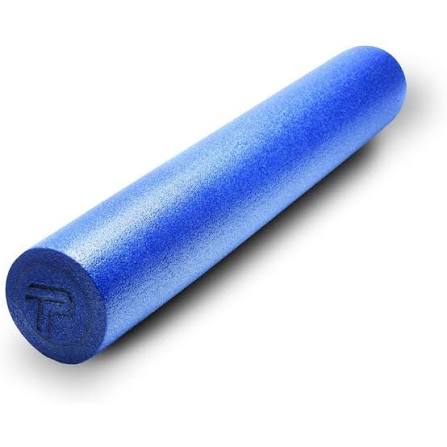
Quick Comparison
For most seniors who want to work on larger areas, a foam roller is the better overall choice. It can cover areas such as the thighs, calves, and upper back with broad pressure.
A massage ball is better for targeted areas. It can be useful when a senior wants more control over a small area or needs to reach a spot that is awkward to treat with a full-size roller.
The right choice comes down to one simple question: Do you want broad coverage or focused pressure?
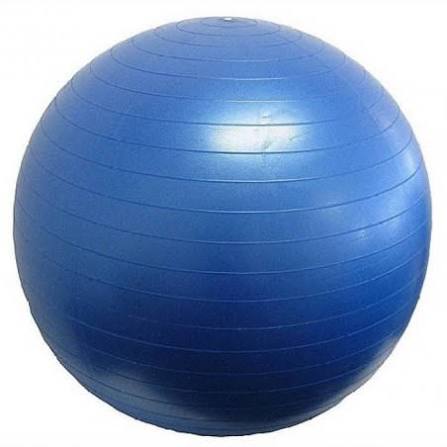
Foam Roller vs Massage Ball At a Glance
Both tools can be simple additions to a home routine. The main difference is how they apply pressure and how much body movement they require.
| Feature | Foam Roller | Massage Ball |
|---|---|---|
| Coverage | Large areas | Small, focused areas |
| Control | Moderate | High |
| Portability | Moderate | Excellent |
| Ease for beginners | Usually easier | Can take more control |
| Targeted pressure | Moderate | Excellent |
| Storage | Needs more space | Very little space |
| Best use | Large muscle areas | Specific tight spots |
Foam Roller Review for Seniors
A foam roller is a long, firm cylinder designed to apply pressure as the body moves over it. It is a good fit for people who want to work on larger muscle areas without focusing on one tiny spot.
For seniors, the main advantage is coverage. A few slow movements can work across a wider area instead of requiring repeated pressure in one place.
Ease of Use
A foam roller does require some body positioning. Depending on the area being worked, the user may need to sit, lie down, or support part of the body.
A softer roller may feel more comfortable for a beginner. A very firm roller can feel intense, especially for someone who is not used to this type of pressure.
The key is to start gently. There is no need to use full body weight right away.
Key Strengths
- Covers larger muscle areas
- Easy to understand once basic movements are learned
- Good for legs and larger areas of the back
- Does not require a small target to be found
- Available in different sizes and firmness levels
- Can work well as part of a simple stretching or movement routine
Potential Drawbacks
- Takes more storage space than a massage ball
- Some positions may require more balance or floor movement
- A long roller can be awkward to carry
- It may be harder to target a very small area
Massage Ball Review for Seniors
A massage ball takes a different approach. Instead of rolling over a large area, it lets the user apply pressure to a smaller spot.
This makes it a useful choice when precision matters. It can also be used against a wall, which may be easier than getting down on the floor.
Ease of Use
A massage ball is small and simple. There are usually no buttons, charging, or settings to learn.
The challenge is pressure control. A firm ball can create strong pressure on a small area. That can be useful, but it also means the user should begin gently.
Using the ball against a wall can provide better control than placing it on the floor.
Key Strengths
- Very small and easy to store
- Lightweight and portable
- Good for focused pressure
- Can be used against a wall
- Simple design
- Easy to take when traveling
Potential Drawbacks
- Covers a smaller area
- Firm balls may feel too intense for some users
- Requires more precise positioning
- It may take practice to find a comfortable pressure level
Which Is Easier for Seniors to Use?
Ease of use depends heavily on the user’s mobility, balance, and preferred position.
A foam roller may be easier when the goal is to work over a broad area. A massage ball may be easier when the user wants to stay upright and work against a wall.
For seniors who dislike getting down on the floor, the massage ball has an important advantage. It can often be used while standing against a wall.
For someone comfortable sitting or lying on the floor, a foam roller can provide wider coverage with fewer movements.
The easiest tool is usually the one that lets you use gentle pressure without an awkward position.
Performance Comparison
The two tools are not really competing in the same way. They are better at different jobs.
A foam roller is designed for broad pressure and larger muscle groups. A massage ball is better for localized pressure and smaller areas.
| Performance Area | Foam Roller | Massage Ball |
|---|---|---|
| Large muscle areas | Excellent | Limited |
| Small target areas | Good | Excellent |
| Pressure control | Good | Excellent |
| Broad coverage | Excellent | Limited |
| Wall use | Limited | Excellent |
| Portability | Good | Excellent |
Foam rolling may help with muscle tightness and range of motion, but it should not be treated as a cure for a medical condition. Massage balls and foam rollers are self-massage tools, not substitutes for professional care.
Comfort, Accessibility, and Senior-Friendly Design
Comfort should come before intensity.
A senior with limited strength or balance may prefer a setup that requires less floor work. In that situation, a massage ball used against a wall can be easier to manage.
A foam roller can still be a good choice for someone who is comfortable getting onto the floor. Choosing a softer roller may also make the experience more comfortable for a beginner.
| Senior Need | Better Choice | Reason |
|---|---|---|
| Large muscle coverage | Foam Roller | Covers more area |
| Small target area | Massage Ball | More precise |
| Wall-based use | Massage Ball | Easy to position against a wall |
| Minimal storage | Massage Ball | Very compact |
| Simple broad massage | Foam Roller | Easy to cover larger areas |
Neither tool should require sharp pain. If an exercise causes significant pain, numbness, tingling, or unusual symptoms, stop and seek appropriate professional advice.
Features Comparison
The biggest feature difference is not technology. It is shape.
A foam roller gives a broad contact area. A massage ball gives a small contact point.
| Feature | Foam Roller | Massage Ball |
|---|---|---|
| Shape | Long cylinder | Small ball |
| Pressure area | Broad | Focused |
| Portability | Moderate | Excellent |
| Storage | Larger | Very easy |
| Wall use | Usually limited | Very useful |
| Firmness choices | Common | Common |
For seniors, simple designs can be an advantage. There are no complicated controls to learn, and neither product needs batteries.
Price, Maintenance, and Long-Term Value
Both products are usually simple purchases because there are no regular consumables or subscriptions.
A massage ball generally has the advantage in storage and portability. A foam roller can offer better value when the user wants to cover larger areas with one tool.
Price varies by material, size, firmness, and brand. It is better to compare the construction and intended use than to choose only the cheapest option.
| Cost Factor | Foam Roller | Massage Ball |
|---|---|---|
| Initial cost | Usually affordable | Usually affordable |
| Maintenance | Low | Very low |
| Storage cost | Needs more space | Minimal space |
| Accessories | Usually optional | Usually optional |
| Long-term use | Good | Good |
The better value is the product that matches the user’s routine. A cheap tool that feels uncomfortable or is difficult to use may not provide much practical value.
Who Should Choose a Foam Roller?
Choose a foam roller if:
- You want to work on larger muscle areas.
- You are comfortable sitting or lying on the floor.
- You prefer broad pressure.
- You want one tool for larger areas of the legs or back.
- You do not mind storing a longer piece of equipment.
- You prefer a slower rolling motion over a focused pressure point.
Who Should Choose a Massage Ball?
Choose a massage ball if:
- You want focused pressure.
- You prefer a compact tool.
- Storage space is limited.
- You want something easy to travel with.
- You prefer using a wall for support.
- You want more control over where pressure is applied.
- Getting onto the floor is uncomfortable or inconvenient.
Foam Roller vs Massage Ball — Final Verdict
Best for most seniors: Foam Roller, if broad coverage and simple rolling are the main goals.
Best for targeted pressure: Massage Ball.
Best for portability: Massage Ball.
Best for larger muscle areas: Foam Roller.
Best for wall-based use: Massage Ball.
There is no universal winner. The foam roller is the more versatile choice for broad coverage, while the massage ball is more precise and compact.
Scoring Summary
These scores are practical comparison ratings rather than laboratory measurements. They reflect ease of use, versatility, storage, and senior-friendly design.
| Category | Foam Roller | Massage Ball |
|---|---|---|
| Ease of Use | 8/10 | 9/10 |
| Senior-Friendly Design | 8/10 | 9/10 |
| Coverage | 10/10 | 6/10 |
| Portability | 7/10 | 10/10 |
| Targeted Pressure | 7/10 | 10/10 |
| Value | 9/10 | 9/10 |
How We Evaluate Products
The comparison focuses on practical factors that can affect everyday use.
These include:
- Ease of handling
- Physical effort
- Comfort
- Accessibility
- Portability
- Storage
- Pressure control
- Versatility
- Maintenance
- Long-term value
No hands-on testing is claimed here. The comparison focuses on the practical differences between the two product types.
Senior-Specific Buying Considerations
Before choosing either tool, think about how you will actually use it.
Physical Effort
Consider whether you are comfortable getting onto the floor. If not, a wall-based massage ball may be more practical.
Pressure
Start gently. A small massage ball can create concentrated pressure, while a foam roller spreads pressure over a wider area.
Storage
A massage ball takes almost no space. A foam roller needs a larger storage spot.
Grip and Control
Choose a design that is easy to hold and position. A simple tool is often easier to use consistently.
Comfort
Do not assume that harder means better. A softer option may be more comfortable, especially for beginners.
Safety
Avoid rolling directly over joints, broken skin, or areas that are injured. Foam rolling can be generally safe, but people with certain conditions, including fractures or blood-clot concerns, should discuss self-treatment with a healthcare professional first.
Common Buying Mistakes
Avoid these common mistakes when choosing between the two.
- Choosing only by price: The cheapest tool may not suit your preferred routine.
- Buying a very firm option: More pressure is not automatically better.
- Ignoring floor mobility: A foam roller may be less practical if getting down and up is difficult.
- Choosing a massage ball for broad coverage: Its small size is a strength for targeted work, but a weakness for large areas.
- Ignoring storage: A foam roller needs more room.
- Expecting medical results: These tools can support self-massage, but they should not replace professional assessment when pain or injury is involved.
Conclusion
Foam Roller vs Massage Ball comes down to coverage versus precision. A foam roller is the better fit for larger muscle areas and broad pressure, while a massage ball is better for focused pressure, portability, and wall-based use.
For seniors, the best choice is the tool that feels comfortable, is easy to position, and fits naturally into the user’s routine. When in doubt, start gently and choose the option that does not require awkward or painful movement.
