
Electric Toothbrush vs Sonic Toothbrush: Which Is Better?


Smart Digital Photo Frame

Electric Recliner Lift Chair

Handheld Shower Head
Electric Toothbrush vs Sonic Toothbrush can be confusing because a sonic toothbrush is actually one type of electric toothbrush. “Electric toothbrush” is the broad term for powered brushes, while “sonic” describes a particular type of brush movement.
For seniors, the better choice is usually less about the word on the package and more about how easy the brush is to hold, control, charge, and use correctly. Features such as a pressure sensor, simple controls, a comfortable handle, and an easy-to-replace brush head can matter more than having many brushing modes.
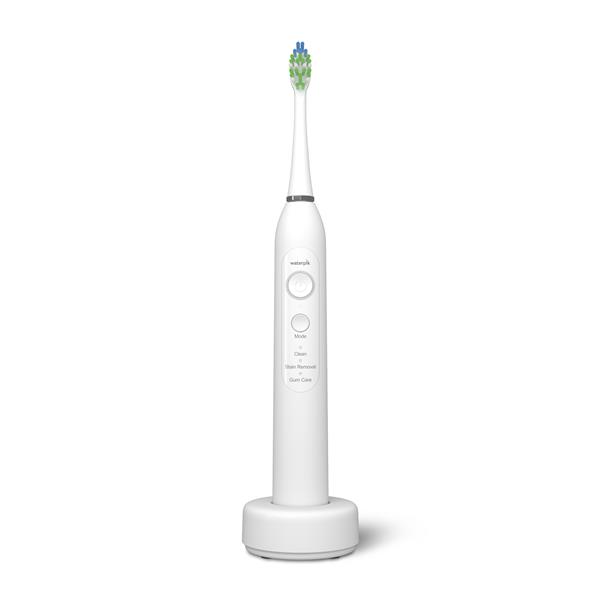
Quick Comparison
For most seniors, a powered electric toothbrush with simple controls and a pressure sensor is a strong choice. A sonic model can be especially appealing when gentle brushing, long battery life, and simple guided brushing features are priorities.
The important point is that “sonic” does not automatically mean “better.” Sonic brushes are electric toothbrushes. The actual model, brush head, controls, and features should guide the decision.
Electric Toothbrush vs Sonic Toothbrush At a Glance
The table below focuses on practical differences rather than marketing claims.
| Feature | Electric Toothbrush | Sonic Toothbrush |
|---|---|---|
| Category | Broad powered category | Type of powered toothbrush |
| Brush movement | Depends on model | High-frequency sonic movement |
| Ease of use | Usually easy | Usually easy |
| Senior-friendly options | Many | Many |
| Pressure sensor | Model dependent | Model dependent |
| Cleaning modes | Varies | Varies |
| Battery | Rechargeable or replaceable, depending on model | Usually rechargeable |
| Best advantage | Wide choice | Gentle, powered brushing experience |
Both manual and powered toothbrushes can be effective when used properly. The American Dental Association also notes that powered toothbrushes may be easier for people with dexterity problems.
Electric Toothbrush: What Seniors Should Know
An electric toothbrush uses motorized movement to help clean the teeth. The exact movement depends on the model, so “electric” alone does not tell you how the brush works.
For a senior buyer, this broad category has one major advantage: choice. You can find simple powered brushes with very few controls as well as advanced models with multiple modes and sensors.
Ease of Use
A powered brush can reduce the amount of manual brushing motion required. This may be useful for seniors who find repeated hand movements tiring or difficult.
A simple power button is often enough for everyday use. More advanced models may add buttons for cleaning modes, intensity, or other functions.
A crowded control panel is not always helpful. For many users, simple operation is the better design.
Key Strengths
- Reduces some manual brushing effort
- Many handle and brush-head designs are available
- Simple models can be easy to operate
- Some models include pressure feedback
- Replacement heads are available for many product lines
Potential Drawbacks
- Features vary greatly between models
- Some advanced brushes can have confusing controls
- Rechargeable models need regular charging
- Replacement heads add an ongoing cost
Sonic Toothbrush: What Seniors Should Know
A sonic toothbrush is a powered toothbrush that uses rapid sonic movement at the brush head. It is therefore more accurate to think of it as a subcategory of electric toothbrush, not a completely different alternative.
Many sonic models are designed around a simple brushing routine, often with timers and other guidance features. Some models also offer pressure feedback.
Ease of Use
Sonic toothbrushes can be easy to operate once the user understands the controls. A basic model may only require pressing the power button and moving the brush from one area of the mouth to another.
For seniors who prefer a gentle brushing experience, the feel of sonic vibration may be more comfortable than a different type of powered movement. However, comfort is personal, and the actual model matters.
Key Strengths
- Powered brushing reduces some manual effort
- Many models have simple brushing controls
- Some offer pressure feedback
- Timers can help with brushing duration
- Rechargeable designs can reduce battery changes
Potential Drawbacks
- Not every sonic model has the same features
- Some models include more settings than necessary
- Replacement brush heads create ongoing costs
- The vibration can take some getting used to
Which Is Easier for Seniors to Use?
The answer depends more on the individual model than on the word “sonic.”
A senior who wants the simplest routine may prefer a basic electric toothbrush with one main button. Another person may prefer a sonic model with a timer and pressure feedback.
A good senior-friendly design should make the important actions obvious.
Look for:
- A comfortable handle
- Large, easy-to-feel buttons
- Simple charging
- Clear battery indicators
- A brush head that is easy to replace
- A pressure sensor when available
- A timer that does not require complicated setup
Seniors with limited hand dexterity may particularly benefit from a powered toothbrush.
Performance Comparison
The biggest performance difference is the type of movement used by the powered toothbrush.
Electric toothbrushes can use different head movements, including rotation, oscillation, side-to-side movement, and sonic movement. The ADA recognizes several types of powered toothbrush movement.
That means it is not accurate to say that every electric toothbrush performs one way and every sonic toothbrush performs another.
For everyday use, focus on whether the specific brush helps you clean all tooth surfaces comfortably and consistently.
The best toothbrush is not necessarily the one with the most features. It is the one you can use correctly and consistently.
A two-minute timer can also be useful. Dental guidance commonly recommends brushing twice a day for about two minutes with fluoride toothpaste.
Comfort, Accessibility, and Senior-Friendly Design
Comfort deserves more attention than flashy specifications.
A toothbrush handle should feel secure without requiring a tight grip. This can matter for anyone who finds prolonged gripping uncomfortable.
A pressure sensor can also be useful. Some sonic toothbrushes use visual, sound, or vibration feedback when too much pressure is applied, although this feature depends on the model.
For seniors, consider:
- Handle shape
- Grip comfort
- Button size
- Button simplicity
- Charging method
- Brush-head replacement
- Battery indicator visibility
- Noise and vibration
- Ease of cleaning
There is no single design that is best for every older adult.
Features Comparison
Features should make brushing easier, not turn a simple routine into a technical project.
| Feature | Electric Toothbrush | Sonic Toothbrush |
|---|---|---|
| Pressure feedback | Available on some models | Available on some models |
| Timer | Common on many models | Common on many models |
| Multiple modes | Model dependent | Model dependent |
| Rechargeable battery | Model dependent | Common |
| Brush-head reminders | Some models | Some models |
| App connectivity | Some advanced models | Some advanced models |
A pressure sensor may be particularly useful for users who tend to brush too firmly. But it should not be assumed that every electric or sonic toothbrush includes one. Always check the exact model.
Price, Maintenance, and Long-Term Value
Price varies widely within both categories, so “electric” versus “sonic” is not enough to predict cost.
The better value is usually the brush that provides useful features without charging you for features you will never use.
Consider:
- Initial toothbrush price
- Replacement brush-head cost
- Battery and charging design
- Number of useful modes
- Availability of replacement heads
- Warranty
- Ease of cleaning
- Long-term availability of accessories
Brush heads also need regular replacement. The ADA recommends replacing toothbrushes around every three to four months, or sooner when bristles become worn; powered toothbrush replacement heads should be checked according to the manufacturer’s instructions.
Who Should Choose an Electric Toothbrush?
Choose a general electric toothbrush if:
- You want the widest range of powered designs.
- You prefer simple controls.
- You want to compare different brush movements.
- You want a basic model without unnecessary features.
- You are unsure which powered technology feels comfortable.
The word “electric” is useful when shopping, but it does not describe one specific brushing technology.
Who Should Choose a Sonic Toothbrush?
Choose a sonic toothbrush if:
- You prefer sonic vibration.
- You want a powered brush with a gentle brushing feel.
- You like timer or brushing guidance features.
- You want a rechargeable powered design.
- You have found that sonic movement feels comfortable for your brushing routine.
A sonic brush is still an electric toothbrush, so the decision is really about the type of powered brushing movement and the features of the specific model.
Electric Toothbrush vs Sonic Toothbrush — Final Verdict
Best for most seniors: A simple powered electric toothbrush with comfortable handling and useful safety features.
Best for sonic movement: A sonic toothbrush.
Best for ease of use: The model with simpler controls, a comfortable grip, and an easy brushing routine.
Best value: The model with useful features, affordable replacement heads, and no unnecessary extras.
There is no universal winner because the categories overlap. A sonic toothbrush is already an electric toothbrush, so comparing the two as completely separate technologies can be misleading.
Scoring Summary
Because “electric toothbrush” includes sonic toothbrushes, a strict score would create false precision. A better comparison is to score the specific models being considered.
| Category | Electric Toothbrush | Sonic Toothbrush |
|---|---|---|
| Ease of Use | Model dependent | Model dependent |
| Senior-Friendly Design | Model dependent | Model dependent |
| Performance | Movement dependent | Sonic movement |
| Maintenance | Model dependent | Model dependent |
| Value | Model and price dependent | Model and price dependent |
Without named models, assigning scores such as 9/10 versus 8/10 would be arbitrary.
How We Evaluate Products
This comparison focuses on practical factors that matter when an older adult chooses a powered toothbrush.
We consider:
- Ease of use
- Grip and comfort
- Control simplicity
- Accessibility
- Cleaning performance
- Useful features
- Maintenance
- Replacement costs
- Safety
- Long-term value
No hands-on testing is claimed here. Product-specific features should always be checked against the current manufacturer’s information.
Senior-Specific Buying Considerations
A few simple checks can make the decision easier.
Physical Effort
Choose a handle that feels comfortable without requiring a tight grip or complicated hand movement.
Controls
A large, simple power button may be more useful than several small buttons.
Maintenance
Check how easily the brush head can be removed, rinsed, and replaced.
Charging
Consider whether the charging method fits the user’s daily routine. A visible battery indicator can also be useful.
Safety
Use gentle pressure. A pressure sensor may provide helpful feedback, but it should not replace careful brushing technique.
Common Buying Mistakes
Avoid these common mistakes when choosing between powered toothbrushes.
- Assuming every electric toothbrush is the same
- Assuming every sonic toothbrush has the same features
- Choosing based only on the number of brushing modes
- Ignoring the cost of replacement heads
- Buying a complicated model when simple controls would work better
- Choosing a handle that feels uncomfortable to grip
The goal is not to buy the most advanced toothbrush. It is to find one that fits the user’s routine.
Safety
Powered toothbrushes are generally designed for routine home use, but the manufacturer’s instructions should always be followed.
Use gentle pressure rather than pressing the brush firmly against the teeth or gums. The ADA recommends soft bristles and gentle pressure to help reduce the risk of gingival injury.
If someone has significant dental pain, gum problems, dental restorations, or another specific oral-health concern, a dentist can provide advice based on their individual needs.
Frequently Asked Questions
Is a sonic toothbrush the same as an electric toothbrush?
Not exactly. A sonic toothbrush is a type of electric or powered toothbrush. “Electric toothbrush” is the broader category.
Is a sonic toothbrush better for seniors?
It can be a good option, but there is no universal winner. Comfort, grip, controls, pressure feedback, and ease of maintenance may matter more than the technology name.
Are electric toothbrushes easier for older adults?
They may be. The ADA notes that powered toothbrushes can be easier for people with dexterity problems.
Does a sonic toothbrush need less brushing effort?
A powered brush performs the brush-head movement for you, which may reduce some manual effort. You still need to guide the brush carefully around the mouth.
Should seniors choose a toothbrush with a pressure sensor?
It can be a useful feature for people who tend to brush too firmly. However, pressure-sensor availability varies by model.
How often should the brush head be replaced?
Follow the manufacturer’s instructions. The ADA generally recommends replacing toothbrushes about every three to four months or sooner when bristles become worn.
Conclusion
Electric Toothbrush vs Sonic Toothbrush is really a comparison between a broad category and one of its technologies. A sonic toothbrush is an electric toothbrush, so the more useful buying question is which specific powered model offers the comfort, controls, pressure feedback, charging, and maintenance features that fit the user.
For seniors, a simple and comfortable toothbrush is often more practical than a feature-heavy model. Choose the design that feels easy to hold, simple to operate, and realistic to use every day.
