
Electric Heating Pad vs Hot Water Bottle: Which?


Smart Doorbell Camera

Spill-Proof Travel Mug
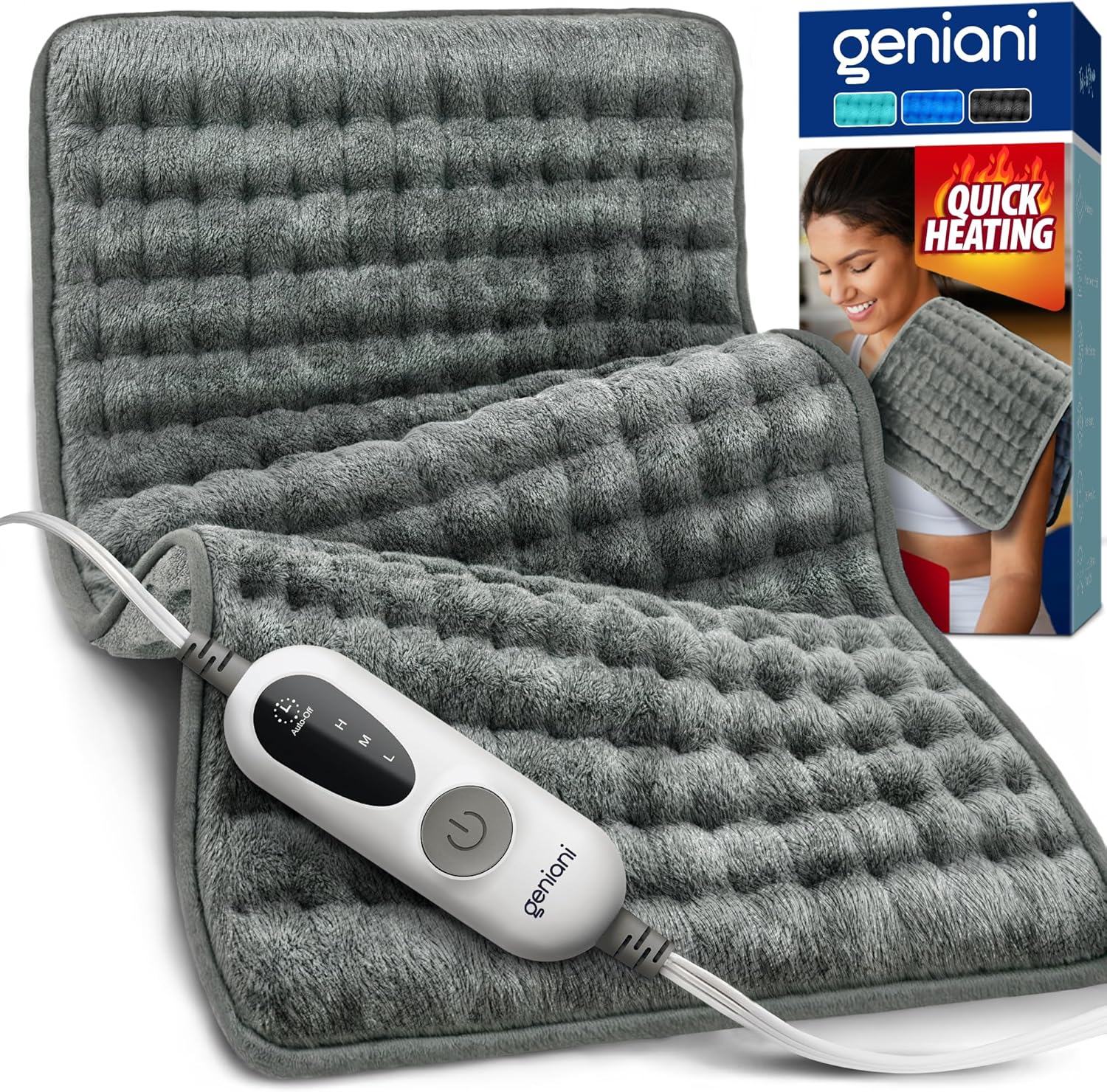
Electric Heating Pad
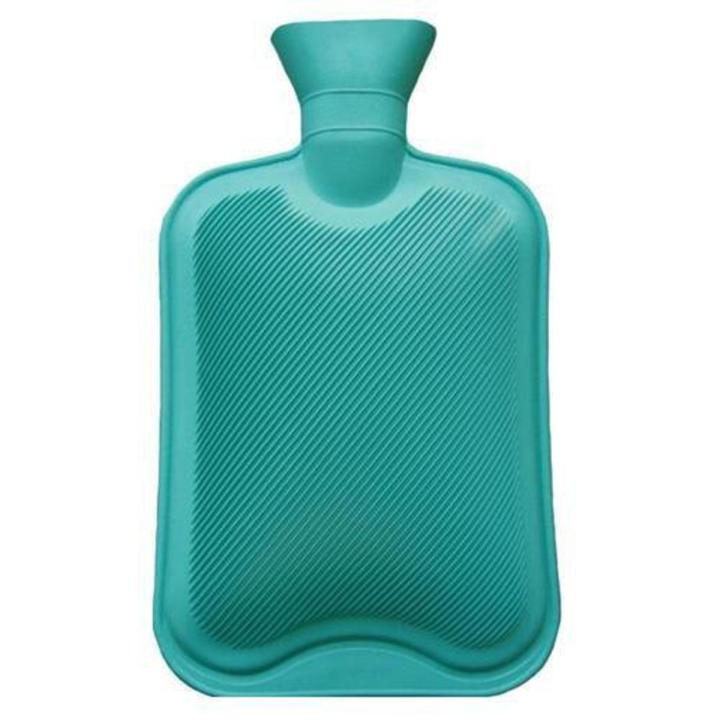
When comparing Electric Heating Pad vs Hot Water Bottle, the biggest difference is how heat is produced and managed. An electric pad offers controlled, repeatable warmth, while a hot water bottle is simple, portable, and does not need electricity.
For seniors, the better choice depends on comfort, dexterity, setup, and safety. An electric pad may suit someone who wants easy temperature control, while a hot water bottle may appeal to someone who prefers a simple device with no cord.

Quick Comparison
An electric heating pad is the better overall choice for many seniors who want adjustable heat and simple temperature control.
A hot water bottle can be better for portability, power-free use, and simplicity. However, filling it safely requires handling hot water, which can be a drawback for some users.
Electric Heating Pad vs Hot Water Bottle At a Glance
The two products can provide warmth in very different ways. This table highlights the practical differences that matter most.
| Feature | Electric Heating Pad | Hot Water Bottle |
|---|---|---|
| Heat source | Electricity | Hot water |
| Temperature control | Usually adjustable | Limited |
| Setup | Plug in and select setting | Fill with hot water |
| Portability | Good, but needs power | Excellent |
| Cord | Usually yes | No |
| Maintenance | Low | Low |
| Heating time | Usually quick | Depends on water temperature |
| Power needed | Yes | No |
| Handling hot water | No | Yes |
| Storage | Easy | Easy |
Electric Heating Pad Review for Seniors
An electric heating pad is designed to provide steady warmth without repeatedly preparing hot water. Its main advantage is convenience, especially when temperature controls are simple.
For seniors who prefer predictable operation, this can make everyday use easier.
Ease of Use
Most electric heating pads require only a power connection and control adjustment. A model with large, clearly marked controls can be easier to operate.
The main thing to consider is cord placement. The user needs a safe place near an outlet, and the cord should not create a tripping hazard.
Key Strengths
- Adjustable heat on many models
- No need to carry hot water
- Usually quick to prepare
- Convenient for repeated use
- Simple storage
- No water to spill
Potential Drawbacks
- Requires access to electricity
- A cord can limit positioning
- Controls vary between models
- Electrical equipment requires proper care
- It should not be treated as a set-and-forget appliance
Hot Water Bottle Review for Seniors
A hot water bottle takes a much simpler approach. Fill it with hot water, close the stopper securely, and use it for warmth.
That simplicity can be appealing. There are no buttons, settings, or electrical cords to manage.
Ease of Use
The main challenge is filling it. Handling hot water can require more care than plugging in an electric pad.
A bottle also needs to be closed properly before use. Seniors who have difficulty gripping, lifting, or handling hot containers may find this step less convenient.
Key Strengths
- No electricity required
- No power cord
- Easy to store
- Useful during power outages
- Simple design
- Easy to carry from one room to another
Potential Drawbacks
- Requires hot water
- Filling can be physically demanding
- Water can spill if the stopper is not secure
- Heat gradually decreases
- Temperature is harder to control precisely
Which Is Easier for Seniors to Use?
For everyday convenience, the electric heating pad usually has the edge.
Once connected, it can provide heat without carrying or pouring hot water. This may be helpful for seniors who have limited grip strength or find handling hot containers uncomfortable.
A hot water bottle may still be easier for someone who dislikes electronic controls or does not want to manage a power cord.
The easier option is the one that reduces the steps the user finds difficult.
An electric pad is especially convenient when the user has a suitable outlet nearby. A hot water bottle has the advantage when electricity is unavailable.
Performance Comparison
Both products provide warmth, but their heat delivery feels different.
An electric heating pad can maintain a selected heat setting while it has power. This makes it useful when consistent warmth is important.
A hot water bottle starts warm and gradually cools as the water loses heat. That makes it less consistent over a longer period.
For repeatable heat, the electric heating pad is generally more convenient. For simple, temporary warmth, a hot water bottle can work well.
Comfort, Accessibility, and Senior-Friendly Design
Comfort is not only about how warm the product becomes. Size, shape, flexibility, weight, and ease of positioning also matter.
An electric heating pad may be easier to position because it does not contain water. A hot water bottle can feel soft and flexible, but its weight changes depending on how much water it contains.
Seniors who prefer fewer controls may like the simplicity of a hot water bottle. Those who want adjustable warmth may prefer an electric pad.
Features Comparison
The useful features are quite different because these products use different heating methods.
| Feature | Electric Heating Pad | Hot Water Bottle |
|---|---|---|
| Heat adjustment | Often available | Not precise |
| Timer | Available on some models | No |
| Cord-free use | No, unless designed otherwise | Yes |
| Temperature consistency | Better | Gradually decreases |
| Water handling | Not required | Required |
| Controls | Electronic or manual | Stopper only |
| Power outage use | No | Yes |
The exact features of an electric heating pad depend on the model, so buyers should check the controls and safety functions before purchasing.
Price, Maintenance, and Long-Term Value
Both options can be relatively simple to maintain, but their ongoing requirements differ.
An electric heating pad does not require water, so there is no filling or drying process. However, it contains electrical components and should be inspected for damaged cords or other signs of wear.
A hot water bottle has fewer components, but the bottle, stopper, and seams need regular inspection. A damaged or aging bottle should not be used.
For someone who uses heat often, an electric pad may provide better convenience. For occasional use, the simplicity of a hot water bottle can make it attractive.
Who Should Choose an Electric Heating Pad?
Choose an electric heating pad if:
- You want adjustable heat.
- You prefer consistent warmth.
- You do not want to handle hot water.
- You use heat regularly.
- You have a safe power outlet nearby.
- You prefer quick setup.
Who Should Choose a Hot Water Bottle?
Choose a hot water bottle if:
- You want to use heat without electricity.
- Portability matters.
- You prefer a simple design.
- You want something useful during power outages.
- You are comfortable handling hot water safely.
- You do not need precise temperature control.
Electric Heating Pad vs Hot Water Bottle — Final Verdict
Best for most seniors: Electric heating pad
Best for power-free use: Hot water bottle
Best for adjustable heat: Electric heating pad
Best for simple design: Hot water bottle
Best for consistent warmth: Electric heating pad
There is no universal winner. An electric heating pad is more convenient for controlled, repeatable warmth, while a hot water bottle is simpler and does not depend on electricity.
Scoring Summary
The scores below reflect practical senior usability rather than laboratory testing.
| Category | Electric Heating Pad | Hot Water Bottle |
|---|---|---|
| Ease of Use | 9/10 | 8/10 |
| Senior-Friendly Design | 9/10 | 8/10 |
| Heat Control | 9/10 | 6/10 |
| Portability | 7/10 | 9/10 |
| Maintenance | 8/10 | 8/10 |
| Value | 8/10 | 9/10 |
These scores are comparative judgments based on the design and typical use of each product type. Individual models can differ.
How We Evaluate Products
This comparison focuses on practical factors that can affect everyday senior use.
We consider:
- Ease of operation
- Physical effort
- Accessibility
- Comfort
- Safety
- Heat control
- Maintenance
- Portability
- Long-term practicality
- Overall value
No hands-on testing is claimed here.
Senior-Specific Buying Considerations
The best option should fit the user’s routine and abilities.
Physical Effort
Think about whether filling a bottle with hot water is comfortable and safe. An electric pad removes this step.
Controls
If choosing an electric pad, look for controls that are easy to see and understand.
Storage
Both products are generally easy to store, but the cord on an electric pad needs to be kept tidy.
Setup
A hot water bottle requires access to suitably heated water. An electric pad needs a safe electrical outlet.
Safety
Heat requires care with either product. Follow the manufacturer’s instructions and avoid using damaged equipment.
Common Buying Mistakes
A few simple mistakes can make either option less convenient.
- Choosing based only on price
- Ignoring how the product will be heated
- Underestimating the difficulty of handling hot water
- Overlooking cord placement
- Buying complicated controls that are unnecessary
- Ignoring signs of wear or damage
Safety
Heat-producing products should be used carefully.
With an electric heating pad, inspect the cord and controls for damage. Keep the cord positioned so it does not create a trip hazard, and follow the manufacturer’s instructions for use.
With a hot water bottle, take care when filling it. Avoid handling dangerously hot water, make sure the stopper is secure, and inspect the bottle for cracks, leaks, or deterioration.
Do not assume that more heat is always better. If heat is being used because of a medical problem or significant pain, it is sensible to discuss appropriate use with a healthcare professional.
Frequently Asked Questions
Is an electric heating pad better than a hot water bottle?
For many seniors, an electric heating pad is more convenient because it can offer adjustable and consistent heat without handling hot water.
Is a hot water bottle safer than an electric heating pad?
Neither should be treated as automatically safer. Each has different risks. Hot water can cause burns or spills, while an electric pad requires proper electrical use.
Which one is easier to use?
An electric pad may be easier for someone who does not want to handle hot water. A hot water bottle may be easier for someone who prefers a very simple design.
Which stays warm longer?
An electric heating pad can continue producing heat while powered and operating as intended. A hot water bottle gradually cools as the water loses heat.
Can a hot water bottle be used without electricity?
Yes. That is one of its main advantages.
Which is better during a power outage?
A hot water bottle has the clear advantage because it does not require electricity.
Conclusion
The main difference between an electric heating pad and a hot water bottle is control versus simplicity. An electric heating pad is generally better for adjustable, consistent warmth and convenient repeated use.
A hot water bottle is a strong choice when portability, simple operation, and power-free use matter more. For seniors, the most important question is not simply which product produces more heat, but which one can be handled comfortably and safely as part of everyday life.
