
10 Easy Elderly Fall Prevention Exercises That Work


Adaptive Eating Utensils

Motion Sensor Night Lights
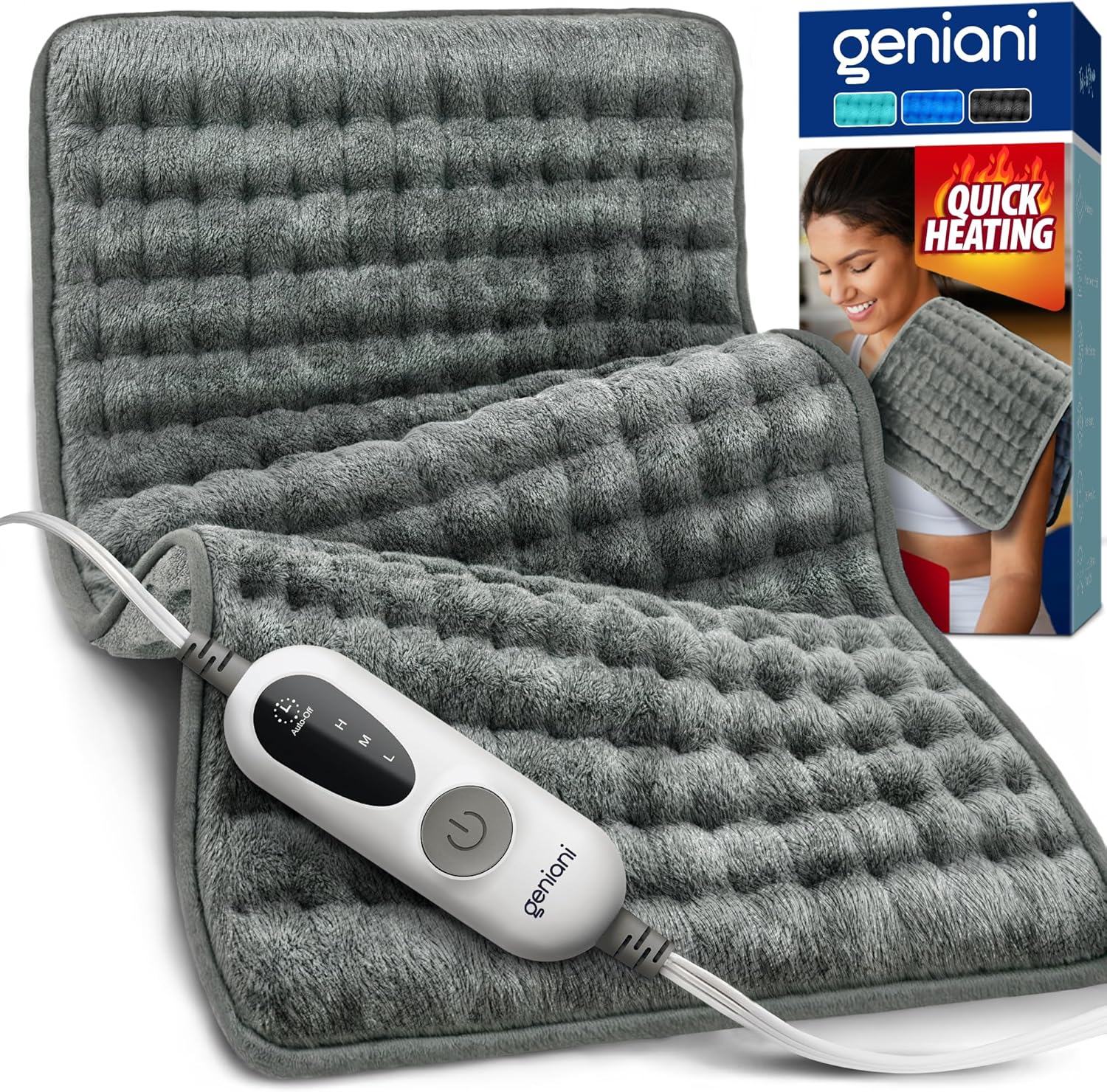
Electric Heating Pad
The best elderly fall prevention exercises are simple moves that build leg strength, balance, and control, such as chair stands, heel-to-toe walking, and supported single-leg stands. Start slowly at home with a sturdy chair and talk to your doctor if you have dizziness, pain, or recent falls.
Falls can change a senior’s day in an instant, but the good news is that many falls are preventable with simple, steady practice. These elderly fall prevention exercises are designed to improve strength, balance, and confidence without requiring a gym or expensive equipment.
- Best starters: Chair stands, calf raises, marching, and weight shifts.
- Safety first: Use a sturdy chair, good shoes, and clear floor space.
- Go slowly: Short daily practice works better than rushing.
- Get help: Recent falls, dizziness, or pain should be checked by a doctor.
Why Elderly Fall Prevention Exercises Matter in 2026
In 2026, more families are looking for practical ways to help older adults stay independent at home. Fall prevention is one of the most useful places to start because a stronger body and better balance can make everyday tasks feel safer, from getting out of a chair to stepping into the shower.
For a broader look at movement and stability, you may also find our article on why senior citizens should perform balance exercises helpful. Balance work is not only about standing still; it also supports walking, turning, and recovering if you stumble.
How falls affect independence, recovery time, and caregiving needs
A fall can lead to bruises, fear of falling again, and sometimes a long recovery. For some older adults, even a minor fall can mean more help with bathing, dressing, or walking around the house.
That added care can affect the whole household. When movement becomes less steady, caregivers often need to step in more often, which is why small daily exercises can be a smart part of caregiving and home care planning.
Who benefits most: older adults at home, in assisted living, and after hospitalization
These exercises can help many older adults, especially those who spend most of their time at home, live in assisted living, or are rebuilding strength after a hospital stay. They are also useful for people who feel “wobbly” when standing up, turning, or climbing stairs.
Balance improves best when it is trained regularly, not just once in a while. Short, repeated practice is often easier for older adults to maintain than long workouts.
Before You Start: Safety Checks and When to Get Medical Clearance
Before beginning any new routine, it is wise to talk to your doctor, especially if you have had recent falls, take medicines that may cause dizziness, or live with arthritis, stroke history, neuropathy, or heart problems. If you are unsure, consult your pharmacist or healthcare provider as well.
Signs an exercise routine is safe to begin at home
In general, a simple home routine may be reasonable if you can stand and walk short distances safely, follow directions, and feel steady enough to use a chair or countertop for support. Mild muscle soreness from exercise is different from sharp pain or sudden weakness.
- You can get up from a chair with little help.
- You can stand near support without feeling faint.
- You have a clear, dry floor and good lighting.
- You can stop immediately if you feel unsteady.
When balance problems, dizziness, pain, or recent falls need a doctor or physical therapist
If you feel dizzy, have new pain, notice one-sided weakness, or have fallen recently, do not push through the exercises on your own. A physical therapist can check your walking pattern, strength, and balance and may suggest safer movements for your condition.
Get medical advice before starting if you have chest pain, fainting, severe shortness of breath, new numbness, or repeated falls. These can signal a problem that needs evaluation first.
Simple home setup tips: sturdy chair, supportive shoes, clear floor space, and supervision
A strong chair without wheels is one of the best tools for safe practice. Wear supportive shoes with non-slip soles, clear away rugs or clutter, and keep pets and grandchildren out of the exercise space during practice.
If the person is unsteady, have a caregiver nearby for supervision. This is especially important after hospitalization or when trying a new movement for the first time.
10 Easy Elderly Fall Prevention Exercises That Work
These movements focus on the most important parts of fall prevention: leg strength, balance, posture, and controlled stepping. Start slowly, use support when needed, and remember that consistency matters more than speed.
Chair stands for leg strength and safer transfers
Chair stands help strengthen the thighs and hips, which are essential for standing up, sitting down, and recovering from a stumble. Stronger legs can make daily transfers feel less tiring.
Sit near the front of a sturdy chair, feet flat on the floor. Stand up slowly, then sit back down with control. Use your hands on the chair arms if needed.
Keep your nose over your toes as you stand. If that feels too hard, begin by rising only partway and build up over time.
Heel-to-toe walking for balance and coordination
This exercise, sometimes called tandem walking, trains careful foot placement. It can help with coordination and the kind of steady steps needed when turning or walking through narrow spaces.
Use a wall or countertop for support. Take one step so the heel of one foot touches the toes of the other, then continue in a straight line for several steps.
Single-leg stands with support for stability training
Standing on one leg, even briefly, helps train the muscles and reflexes that keep you upright. This movement is useful for everyday tasks like stepping over a threshold or adjusting your balance on uneven ground.
Hold a counter lightly and lift one foot a small amount off the floor. Start with just a few seconds on each side, then rest and repeat.
Calf raises for ankle strength and confidence on stairs
Calf raises strengthen the lower legs and ankles, which support walking and stair use. They can also help improve the push-off you need when taking a step.
Stand behind a chair, rise onto your toes, then lower slowly. Keep the movement smooth and controlled rather than bouncing.
Marching in place for hip strength and posture control
Marching in place wakes up the hip muscles and encourages upright posture. It can also help older adults practice lifting the feet a little higher, which may reduce shuffling.
Lift one knee at a time at a comfortable height while holding support. Keep your shoulders relaxed and your breathing steady.
Side leg raises for lateral stability and fall recovery
Side leg raises strengthen the muscles on the outer hips, which help with side-to-side stability. That matters because many falls begin when a person loses balance while turning or reaching.
Stand tall behind a chair and slowly move one leg out to the side without leaning your body. Switch sides after a few repetitions.
Toe raises for better foot clearance and shuffling prevention
Toe raises work the front of the lower leg, which helps lift the foot during walking. This can be useful for anyone who tends to drag their feet or trip on small objects.
With support, lift the front of your feet while keeping your heels down. Lower them gently and repeat in a slow rhythm.
Seated knee extensions for beginners with limited mobility
Seated knee extensions are a good choice for people who cannot stand for long. They help strengthen the thighs without requiring full weight-bearing balance.
Sit tall in a chair and straighten one knee, then lower it with control. Alternate legs or work one side at a time if that feels easier.
Weight shifts for improving body awareness and control
Weight shifts teach the body how to move from one foot to the other without losing control. This is a simple way to practice the small adjustments used in walking and turning.
Stand with feet hip-width apart and gently shift your weight from one side to the other. Keep your feet on the floor and your movements slow.
Gentle tai chi-style movements for slow, controlled balance practice
Tai chi-style movements are slow and flowing, which makes them useful for older adults who need calm, controlled balance practice. They can improve body awareness, posture, and confidence.
If you prefer guided movement, some people like using free online exercise classes for seniors or simple video routines. Just be sure the lesson is senior-friendly and does not ask you to move faster than you can safely manage.
Not every exercise is right for every person. If arthritis, joint replacement, neuropathy, Parkinson’s disease, or another condition affects your movement, ask a physical therapist which exercises are safest for you.
How to Build a Simple Weekly Routine Older Adults Can Stick To
The best routine is the one that feels realistic. A short daily habit often works better than a long session that is hard to maintain.
Suggested frequency, sets, and progression for beginners
Many older adults do well starting with 1 set of 5 to 10 repetitions for strength exercises and a few seconds for balance holds. As confidence grows, you can slowly add repetitions, time, or another set.
Do not rush progression. If you feel sore for more than a day or your balance gets worse, scale back and talk to your doctor or physical therapist.
How to combine balance, strength, and mobility in 10 to 15 minutes a day
A simple routine might include chair stands, heel-to-toe walking, calf raises, and one seated move such as knee extensions. That gives you a mix of strength, balance, and mobility without taking much time.
The goal is to practice enough to challenge the body, but not so much that it becomes tiring or unsafe. A short daily session can fit well after breakfast or before an afternoon rest.
Practical examples for caregivers helping a parent or spouse stay consistent
Caregivers can help by setting out the chair, checking the floor, and doing the routine at the same time each day. A simple reminder can make the habit easier to keep.
For example, one spouse may hold the chair while the other does three exercises after lunch. Families who use smart speakers for reminders may also find how seniors can use Alexa at home useful for building a daily cue.
Common Mistakes That Reduce Fall Prevention Results
Even helpful exercises can lose their value if they are done carelessly. A few small adjustments can make the routine safer and more effective.
Skipping support tools too early or using unstable furniture
It may feel encouraging to “go without holding on,” but support is not a weakness. A sturdy chair or countertop helps prevent a practice session from turning into a fall.
Never use a rolling chair, soft couch arm, or wobbly table for balance work. The support should stay still while you move.
Moving too fast, holding breath, or doing exercises on slippery surfaces
Fast movements can throw off balance, especially for older adults with weaker legs or slower reaction time. Breathe normally and move with control.
Also avoid slippery socks, wet floors, or thick throw rugs. Good footwear and a dry surface matter as much as the exercise itself.
Only training balance and ignoring leg strength, posture, and footwear
Balance is only one part of fall prevention. The body also needs leg strength, upright posture, and shoes that help the feet stay steady.
If you want a wider routine, combining these exercises with other simple movements may help. Our guide to exercises to improve balance for seniors can be a good next step for readers who want more variety.
Cost, Convenience, and Home-Based vs. Professional Support
One reason these exercises are so practical is that many can be done at home with little or no equipment. That makes them easier to keep up with than programs that require travel or special machines.
Why most fall prevention exercises are low-cost or free at home
Most of the exercises in this article only require a sturdy chair, a little floor space, and safe footwear. That keeps the cost low and makes it easier to practice regularly.
For many families, the biggest investment is time and attention, not money. That is why home-based fall prevention is often a good first step.
When a physical therapist, senior fitness trainer, or home care aide may be worth the added cost
Professional help can be worth it if the person has had repeated falls, feels afraid to move, or needs a plan that matches a medical condition. A physical therapist can assess walking and balance, while a home care aide may help with supervision and routine follow-through.
Coverage depends on your insurance plan, medical need, and location, so it is best to ask about benefits before scheduling. If a family is comparing care options, it may also help to look at broader support services such as senior nanny support when extra supervision is needed at home.
How to compare self-guided routines with supervised programs for safety and results
Self-guided routines are convenient and low-cost, but they work best for seniors who are fairly steady and can follow directions safely. Supervised programs offer more feedback and may be better for people who are recovering from illness or have complex balance problems.
| Option | Best For | Note |
|---|---|---|
| Self-guided home routine | Independent older adults with mild balance concerns | Low cost, but requires good judgment and safe setup |
| Physical therapy | Recent falls, weakness, dizziness, or medical conditions | More personalized and usually safer for higher-risk adults |
| Home care support | People who need reminders, supervision, or daily assistance | Helpful for consistency, not a replacement for medical care |
Final Recap: The Best Elderly Fall Prevention Exercises to Start Today
The most useful elderly fall prevention exercises are the ones that build strength and balance in a safe, repeatable way. Chair stands, heel-to-toe walking, single-leg stands with support, calf raises, marching, and gentle weight shifts are excellent places to begin.
Top takeaways for safer movement, better balance, and fewer falls
Start with support, move slowly, and practice a little every day. Keep the routine simple, use proper shoes, and focus on consistency rather than perfection.
- Use simple exercises that build leg strength and balance.
- Practice in a safe home setup with support nearby.
- Increase slowly and stop if symptoms appear.
Reminder to stop if pain, dizziness, or unsteadiness appears and seek expert help
If any exercise causes pain, dizziness, chest discomfort, or a feeling that you may fall, stop right away and seek medical advice. The safest fall prevention plan is the one matched to the person’s health, medications, and mobility level.
When in doubt, talk to your doctor, and consider a physical therapist for a more personalized plan.
Frequently Asked Questions
Chair stands, seated knee extensions, calf raises, and weight shifts are good beginner options. They build strength and balance without requiring advanced fitness.
A short routine most days of the week is often easier to keep up with than a long workout. Start with a few minutes and increase slowly if it feels safe.
Yes, support is usually a smart safety choice, especially at the beginning. Use a sturdy chair, countertop, or wall rather than unstable furniture.
Stop if there is dizziness, chest pain, new weakness, severe shortness of breath, or sharp pain. These signs need medical attention before continuing.
They may help, but recent falls should be discussed with a doctor or physical therapist first. A professional can check whether the exercise plan is safe and appropriate.
Most home exercises are free or very low cost because they only need a chair and safe space. Insurance coverage for therapy or supervised programs depends on the plan and medical need.