
Elderly Bath Safety Guide for a Safer Bathroom Today


Big Button Mobile Phone

Motion Sensor Night Lights
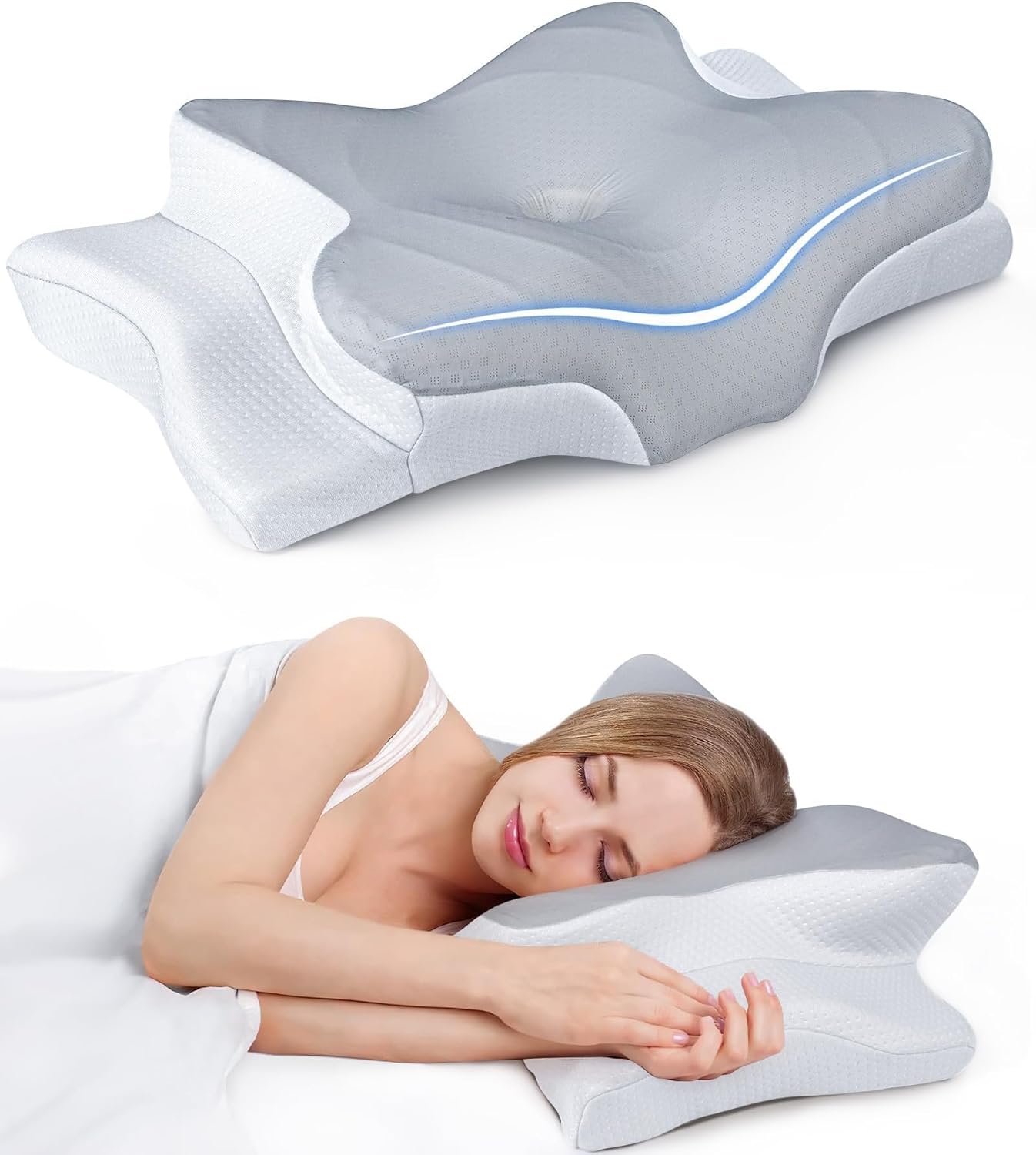
Orthopedic Pillow
The safest bathroom for an older adult is one with steady support, non-slip surfaces, good lighting, and an easy path in and out of the tub or shower. If bathing is becoming difficult or unsafe, talk to your doctor and consider a professional home safety assessment.
A safer bathroom can make daily life easier, calmer, and more independent for older adults. This elderly bath safety guide covers the most important risks, upgrades, and habits to help prevent falls and make bathing feel less stressful at home.
- Prevent falls: Focus first on wet floors, poor lighting, and unstable support.
- Upgrade smartly: Grab bars, shower chairs, and raised toilet seats can help a lot.
- Start small: Low-cost fixes can improve safety without a remodel.
- Watch for warning signs: Dizziness, weakness, or repeated slips need medical attention.
- Use help wisely: Caregivers should support safety while preserving independence.
Why an Elderly Bath Safety Guide Matters in 2026
Bathrooms are one of the most common places where older adults can slip, lose balance, or struggle with getting in and out of the tub or shower. Wet floors, tight spaces, and hard surfaces all make small mistakes more dangerous.
In 2026, many families are also supporting aging in place for longer. That makes simple bathroom safety planning more important than ever, especially when mobility, vision, or strength changes over time.
Common bathroom risks older adults face at home
Some risks are easy to overlook. A loose bathmat, a dim light, or a high tub wall can become a serious hazard when balance is not as steady as it once was.
Other concerns include dizziness, arthritis, neuropathy, and slower reaction time. Medications can also affect alertness or blood pressure, so if you notice frequent unsteadiness, talk to your doctor or consult your pharmacist/healthcare provider.
How this guide helps caregivers and family members act quickly
Families often want to help, but they may not know where to start. A clear bathroom safety plan helps you focus on the changes that matter most first.
With a few practical updates, many bathrooms can become safer without a major remodel. That can reduce stress for both the older adult and the caregiver.
Assessing the Bathroom for Fall and Injury Hazards
The first step is to look at the room with fresh eyes. Try to notice what could cause a slip, a trip, a reach, or a sudden loss of balance.
Slippery surfaces, poor lighting, and hard-to-reach fixtures
Wet tile, glossy floors, and soap buildup can make footing less secure. Poor lighting can make it harder to see water on the floor, steps into the tub, or small obstacles near the sink.
Fixtures that are too low, too high, or difficult to turn can also create unsafe twisting or stretching. For someone with arthritis or weak grip strength, even a simple faucet can be frustrating.
How to spot high-risk zones around tubs, showers, toilets, and sinks
Each part of the bathroom has its own risks. The tub and shower area often has the highest slip risk, while the toilet area can be difficult if there is no stable support nearby.
The sink area may seem safer, but it can still be a problem if the floor gets wet or if the person leans too far forward. A careful review of all four zones helps you catch problems before they lead to a fall.
Practical example: a simple room-by-room safety check
Start at the door and move slowly through the room. Look for clutter, rugs that slide, cords, poor lighting, and anything that blocks a clear path.
Then test the most-used spots: step into the tub area, sit on the toilet, and reach for the sink. If any movement feels shaky, painful, or awkward, that is a sign the setup needs improvement.
- Floor surfaces that become slippery when wet
- Lighting near the tub, toilet, and sink
- Stable support for sitting, standing, and turning
- Items that must be reached overhead or far below waist level
Essential Bathroom Safety Upgrades for Seniors
Some bathroom changes are especially helpful because they support balance, reduce strain, and make transfers easier. If you are unsure which upgrade to choose, think about the person’s current mobility and how much help they need.
Grab bars, non-slip mats, and shower chairs
Grab bars can provide steady support when stepping in, stepping out, or changing position. They should be installed securely in the right location, not replaced with towel bars or suction products that may not hold well for every situation.
Non-slip mats can help, but placement matters. They should lie flat and not bunch up. A shower chair can also reduce fatigue and lower the chance of a sudden slip during longer baths.
- Better balance support during bathing
- Less strain on knees, hips, and joints
- More confidence for seniors who fear falling
Walk-in tubs vs. walk-in showers: which option fits different needs
Walk-in tubs can be helpful for people who prefer soaking and can sit safely for the full bathing routine. Walk-in showers may be better for those who want easier access, quicker bathing, and less stepping over a barrier.
The right choice depends on mobility, budget, bathroom size, and personal preference. If you are comparing larger changes, this walk-in showers for seniors safety guide and this walk-in tubs for seniors safety and comfort guide may help you think through the tradeoffs.
| Option | Best For | Note |
|---|---|---|
| Walk-in shower | Limited mobility, faster bathing | Often easier to enter and exit |
| Walk-in tub | Those who want soaking and can sit safely | May require more time and space |
| Standard tub with aids | Moderate needs and smaller budgets | Can work well with grab bars and a chair |
Handheld showerheads, raised toilet seats, and lever faucets
Handheld showerheads can make bathing easier for someone who sits while washing or needs help rinsing without twisting. Raised toilet seats can reduce the effort needed to sit down and stand up.
Lever-style faucets are often easier than knobs for people with arthritis, weak hands, or limited range of motion. These smaller changes may seem simple, but they can make daily routines much safer and less tiring.
How to Make Bathing Safer Without a Full Remodel
Not every family can afford a major bathroom renovation. The good news is that many safety improvements can be done quickly and with modest effort.
Low-cost improvements that can be done today
Start with the basics: improve lighting, remove loose rugs, clear clutter, and add non-slip surfaces where needed. Even a brighter bulb or a better night light can make nighttime bathroom trips safer.
Also check that frequently used items are easy to reach. Keeping soap, towels, and toiletries within arm’s reach reduces bending and stretching, which can throw off balance.
Make one change at a time and test it for a few days. That makes it easier to see what actually helps the older adult feel safer and more comfortable.
Temporary solutions for renters or short-term caregiving situations
If you rent or are helping someone during recovery, temporary options may be the best fit. Non-slip mats, removable shower chairs, and portable handheld showerheads can improve safety without permanent construction.
Just be careful with products that rely only on suction or adhesive if the surface is not appropriate. If you are unsure, ask the landlord, home health team, or a trusted home safety professional before installing anything permanent.
What to prioritize first when the budget is limited
If money is tight, focus first on fall prevention. That usually means stable support, better lighting, and a safer path in and out of the tub or shower.
After that, consider the changes that reduce effort, such as a shower chair or raised toilet seat. If you are choosing among options, look for the one that solves the biggest daily problem first.
Step-by-Step Bathing Safety Practices for Older Adults
Equipment helps, but daily habits matter too. A safer routine can lower the chance of a fall even before any upgrades are installed.
Safe entry and exit from the tub or shower
Move slowly and keep one hand on a stable support point when possible. If stepping over a tub wall is difficult, do not rush the motion or try to carry too many items at once.
Make sure the floor is dry before stepping out. If balance is a concern, sit down before drying off rather than standing on a wet surface for too long.
Gather towels, soap, and clothing before bathing so you do not need to reach or walk around wet floors.
Use grab bars or another stable support point when entering, exiting, or turning in the bathing area.
Dry off while seated if needed, then stand up slowly to reduce dizziness or unsteadiness.
Best routines for water temperature, pacing, and balance support
Water that is too hot can increase the risk of dizziness or discomfort. Test the temperature before bathing, and keep the routine unhurried so the body has time to adjust.
If the person feels lightheaded, weak, or short of breath, stop and sit down right away. Those symptoms should be discussed with a doctor, especially if they happen more than once.
How caregivers can assist without taking away independence
Good caregiving support means helping only where needed. That may include setting out supplies, checking the floor, or standing nearby for balance support without taking over the whole routine.
Respectful assistance helps preserve dignity. Ask what kind of help feels comfortable, and adjust as needs change over time.
If bathing now causes dizziness, chest pain, shortness of breath, repeated falls, or major weakness, seek medical advice. These can be signs of a health issue that needs attention before bathroom safety changes alone will be enough.
Common Mistakes Families Make With Senior Bathroom Safety
Even caring families can miss important details. A few common mistakes can undo the benefit of otherwise good safety plans.
Waiting until after a fall to make changes
Many people wait for a fall before taking action, but that can lead to injury, fear, and a slower recovery. It is usually easier and safer to prevent the first fall than to respond after one happens.
If the bathroom already feels risky, treat that as a warning sign. You do not need to wait for an accident to justify a safer setup.
Using the wrong bath products or placing mats incorrectly
Not all bath mats are truly slip-resistant, and some move more than they help. A mat that bunches, curls, or slides can become part of the problem.
Also be careful with products that are not designed for wet areas. The safest choice is usually the one that stays flat, stays secure, and fits the room properly.
Overlooking mobility, vision, and medication-related risks
Bathroom safety is not only about the floor. It also depends on how well the person sees, walks, turns, and reacts.
Some medicines can cause drowsiness, dizziness, or a drop in blood pressure when standing. If this may be part of the problem, consult your pharmacist/healthcare provider or talk to your doctor before making assumptions.
If an older adult has sudden confusion, repeated near-falls, new weakness, or a major change in walking ability, do not assume it is only a bathroom issue. Get medical advice promptly.
When to Call a Professional for Help
Sometimes a simple checklist is enough. Other times, the bathroom needs a more careful assessment from a professional who understands both safety and mobility needs.
Signs the bathroom needs an occupational therapist or home safety assessment
An occupational therapist or home safety professional may be helpful if the person has trouble stepping into the tub, standing from the toilet, or using the sink safely. Frequent loss of balance is another strong sign.
These professionals can suggest changes that match the person’s body, habits, and home layout. Their advice can be especially useful after surgery, illness, or a noticeable decline in strength.
When medical conditions or mobility loss require a more advanced solution
If arthritis, stroke recovery, Parkinson’s disease, vision loss, or severe weakness is making bathing hard, a more advanced solution may be needed. In some cases, a shower conversion, transfer bench, or other support may be more appropriate than small accessories alone.
Because needs vary so much, it is wise to talk to your doctor before making larger changes. They may also suggest rehab support or other services that fit the person’s condition.
Safety warning signs that should not be ignored
Do not ignore repeated slipping, fear of bathing, or a caregiver needing to physically lift someone in and out of the tub. Those are signs the current setup is no longer working well.
If bathing is becoming unsafe, act quickly. Waiting can increase the chance of a serious fall or injury.
Final Recap: Building a Safer Bathroom for Aging in Place
A safer bathroom does not need to be perfect to be effective. The goal is to reduce the biggest risks, make daily bathing less tiring, and support independence for as long as possible.
The most important upgrades and habits to remember
Focus first on stable support, non-slip surfaces, better lighting, and easier access to the tub, shower, and toilet. Then add habits that slow the pace and reduce reaching, twisting, and rushing.
If you are comparing larger changes, the right choice depends on the person’s mobility, budget, and comfort level. When in doubt, ask a professional for guidance.
Simple next steps for caregivers, adult children, and seniors
Walk through the bathroom together and note the top three hazards. Then fix the easiest problem first, such as lighting, clutter, or a loose mat.
From there, decide whether the home needs grab bars, a shower chair, a raised toilet seat, or a more complete bathing solution. A few thoughtful changes now can make everyday life safer and more peaceful later.
- Bathroom safety starts with removing slip and trip hazards.
- Grab bars, shower chairs, and better lighting are high-value upgrades.
- Small changes can help when a full remodel is not possible.
- Repeated dizziness, weakness, or falls should be discussed with a doctor.
Frequently Asked Questions
Stable support is usually the top priority, especially grab bars and a safe way to enter and exit the tub or shower. Better lighting and non-slip surfaces are also very important.
They may help in some temporary situations, but they are not always the best choice for every bathroom or every person. For long-term safety, ask a professional about securely installed grab bars.
Start with low-cost changes like brighter lighting, removing loose rugs, adding non-slip mats, and keeping supplies within easy reach. A shower chair or raised toilet seat can also help.
If bathing causes repeated slips, major weakness, dizziness, or fear of falling, extra help may be needed. Talk to your doctor if these problems are new or getting worse.
It depends on the person’s mobility, preferences, and bathroom layout. Walk-in showers are often easier to enter, while walk-in tubs may suit people who want to soak and can sit safely.
Coverage can vary by plan and by the type of item. Check with Medicare, your insurance provider, or a healthcare professional before assuming a product will be covered.