
Best Grab Bars for Seniors Safety Comfort and Support

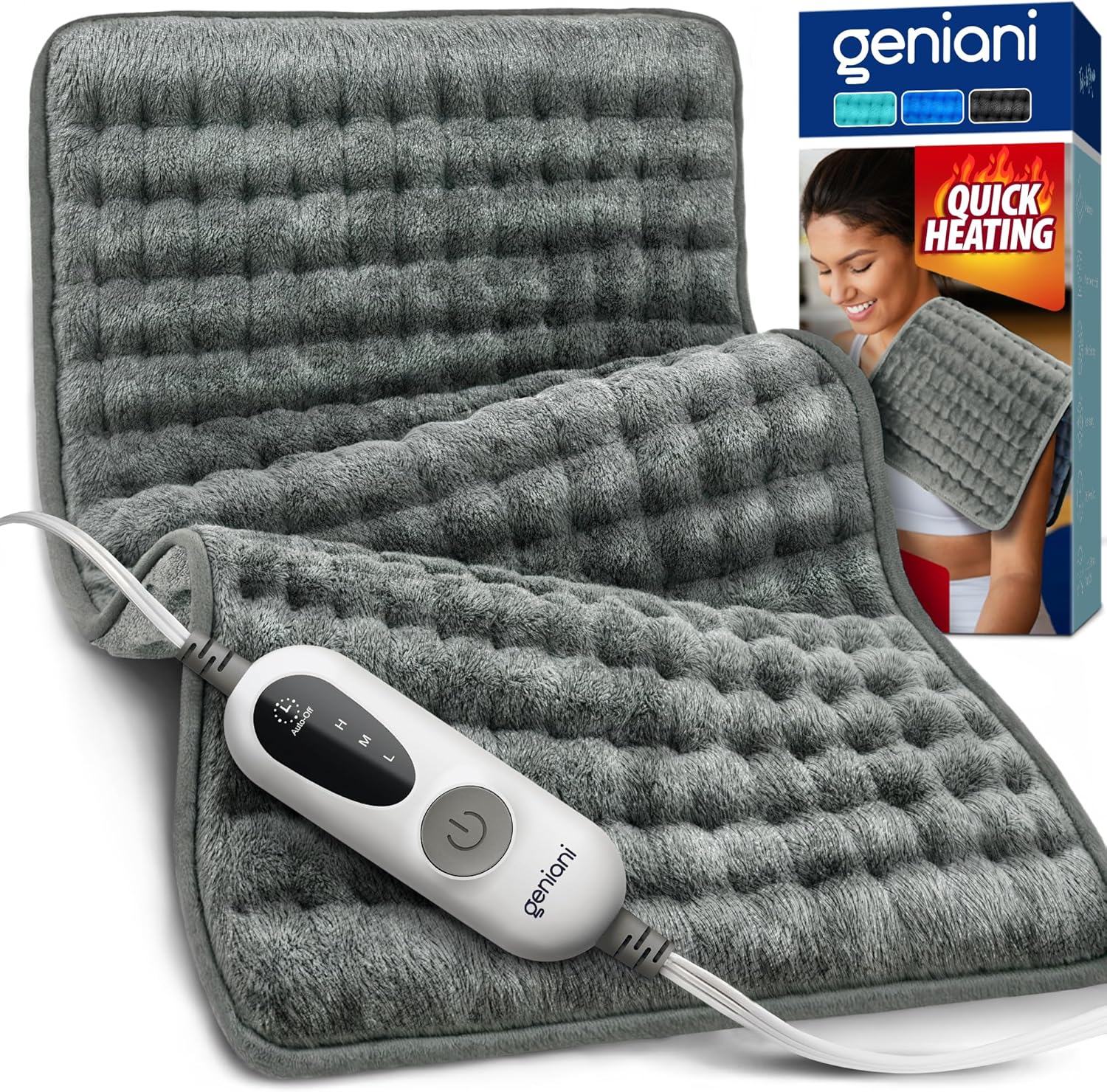
Electric Heating Pad

LED Clip Reading Light

Easy Grip Knife Set
The best grab bars for seniors are strong, properly installed, and placed where the person naturally needs support. Wall-mounted bars are usually the safest choice, while suction models are best avoided for serious fall prevention.
Choosing the best grab bars for seniors is one of the simplest ways to make a home feel safer and more manageable. The right bar can help with balance, steady movement, and peace of mind in places where slips and falls are most likely.
At SeniorsProTalk, we know that safety needs can change from one home to another. A good grab bar is not just about hardware; it is about matching the senior’s daily routine, strength, reach, and the room where support is needed most.
- Safety first: Choose secure mounting over convenience.
- Match the user: Pick a bar that fits reach, grip, and routine.
- Install correctly: Use studs, anchors, or professional help.
- Place wisely: Focus on shower, tub, toilet, and entry points.
- Check coverage: Medicare and insurance benefits vary widely.
What Seniors and Caregivers Need Most From Grab Bars in 2026
In 2026, the best grab bars for seniors are the ones that support safe movement without getting in the way of normal living. That usually means a secure grip, strong mounting, and a placement that feels natural when standing, sitting, or turning.
Safety, stability, and confidence in high-risk areas
Bathrooms remain one of the most common places where older adults need extra support. Wet floors, narrow spaces, and quick transfers in and out of tubs or showers can make even simple movements feel risky.
A well-placed grab bar can reduce the need to pull on a towel rack, sink, or door frame. It can also help a person feel calmer and more confident, which matters just as much as physical support.
Before buying any safety aid, watch how the senior naturally moves through the home. The best placement is often based on real habits, not just room layout.
How user intent shapes the “best” grab bar choice
The “best” grab bar depends on what the user needs most. Some seniors want help getting out of a tub, while others need support standing from the toilet or steadying themselves near a hallway turn.
That is why one product does not fit every home. A person with arthritis may prefer a larger, textured grip, while someone with limited shoulder movement may need a different angle or placement height.
If pain, dizziness, weakness, or numbness affects balance, talk to your doctor or healthcare provider before changing the home setup. A grab bar helps with support, but it does not replace medical care for the cause of falls.
Types of Grab Bars Seniors Actually Use at Home
There are several kinds of grab bars, but not all are equally useful for older adults. The safest choice depends on the wall surface, the room, and how much body weight the bar may need to support.
Wall-mounted grab bars for bathrooms and showers
Wall-mounted bars are the most dependable option when installed correctly into studs or with proper blocking. They are commonly used in showers, beside tubs, and near toilets because they stay firmly in place.
These bars are usually the first choice for long-term safety. They are a strong fit for people who want a stable, permanent support point rather than a temporary aid.
Suction grab bars: when they help and when they don’t
Suction models can be useful as a short-term visual reminder or for very light support in limited situations. However, they should not be treated like true safety bars, especially on slippery surfaces or in homes where the user may lean heavily.
They can loosen over time, and that makes them a poor choice for anyone with a higher fall risk. If you are unsure, consult your pharmacist or healthcare provider, and choose a more secure option for daily use.
Do not rely on suction grab bars for full body weight support, transfers, or emergency balance recovery. If a fall could cause serious injury, use a properly installed wall-mounted or floor-supported solution instead.
Floor-to-ceiling poles and transfer supports for extra leverage
Floor-to-ceiling poles can be helpful when wall mounting is not practical. They offer a vertical support point that can assist with standing, turning, or moving from bed to chair in some homes.
Transfer supports are especially useful for people who need extra leverage but still want to stay independent. They may be considered in bedrooms, bathrooms, or living areas, depending on the layout.
Fold-down and angled bars for tubs, toilets, and tight spaces
Fold-down bars are useful where space is limited, such as next to a toilet or in a narrow bathroom. They can be moved out of the way when not needed, which helps preserve room for caregivers or mobility devices.
Angled bars may feel more natural for some users because they match the direction of the body during standing or sitting. The right angle can reduce strain on wrists and shoulders.
How to Choose the Best Grab Bars for Seniors
Good grab bars are not chosen by appearance alone. The most important details are strength, grip, material, and whether the bar fits the user’s body and movement pattern.
Weight capacity, grip texture, and bar diameter
Weight capacity matters because a grab bar should remain secure under real use, not just light touch. A textured or slip-resistant grip can also help if hands are wet, weak, or affected by arthritis.
Bar diameter is another detail that is easy to overlook. Many older adults find a medium-sized bar easier to hold than one that feels too thick or too thin, especially if hand strength is limited.
- Strong weight rating from the manufacturer
- Comfortable grip for the user’s hand size
- Texture that stays secure when wet
- Hardware designed for safe mounting
Placement height and reach for aging bodies
Placement should match the user’s reach, shoulder comfort, and standing height. A bar that is too high may force the person to strain upward, while one that is too low may not provide enough help during a transfer.
For that reason, it is smart to test the intended position before drilling. Have the senior stand, sit, or step as they normally would, and see where the hand naturally wants to land.
Moisture resistance, rust-proof materials, and durability
Bathrooms are hard on hardware. Moisture, steam, and frequent cleaning can wear down low-quality materials over time, so rust-resistant finishes and solid construction matter.
Durability is especially important for seniors who rely on the bar every day. A safety product should feel sturdy in the long term, not just on installation day.
ADA-style considerations and home accessibility basics
ADA-style design ideas can be helpful even in private homes. In simple terms, that means making movement easier, reducing unnecessary reaching, and supporting safer transfers in spaces that are often tight or wet.
You do not need a commercial building to benefit from accessibility thinking. Small improvements, such as a stable bar near the shower entry or toilet, can make daily living much easier.
Best Places to Install Grab Bars for Everyday Safety
Placement is just as important as the product itself. A strong grab bar in the wrong spot may not help much, while the right location can make daily routines safer and less tiring.
Inside the shower and at the tub entry
Inside the shower, grab bars are often used for steadying during washing and turning. At the tub entry, they can help with stepping over the edge, which is a common balance challenge for older adults.
If the tub is deep or the floor is slippery, consider more than one support point. This can help the user maintain balance during both entry and exit.
Next to the toilet for sit-to-stand support
Many seniors need the most help when standing up from the toilet. A nearby grab bar can reduce strain on the knees, hips, and lower back during this everyday movement.
Fold-down bars or side-mounted supports are often considered here because they fit tighter spaces. The goal is to give the user something solid to hold without blocking normal use of the bathroom.
Along hallways, stair landings, and bedroom transitions
Not every grab bar belongs in the bathroom. Hallway turns, stair landings, and transitions between bedroom and bathroom can also be risky, especially at night or when walking with less energy.
These areas may benefit from rails or supports that guide movement and reduce sudden balance changes. If a senior uses a walker or cane, talk to your doctor or an occupational therapist about whether the home layout needs more than one support point.
Entryways and other fall-prone spots in the home
Entry steps, garage thresholds, and porch transitions can be difficult when surfaces are uneven or weather changes make them slippery. A secure support bar or rail may help in these areas if the home layout allows it.
For households with frequent visitors, caregivers, or family helpers, the safest setup is one that supports both the senior and anyone assisting them. That is one reason some families also explore broader home changes, such as senior living versus independent living when safety needs begin to increase.
Grab Bar Comparison: Features, Price Ranges, and Value
Price matters, but it should not be the only factor. A lower-cost bar that is poorly mounted or uncomfortable to use may create more risk than value.
Budget-friendly vs. premium grab bar options
Budget-friendly grab bars can work well when they are made from durable materials and installed correctly. Premium models may offer better finishes, stronger hardware, more comfortable grip shapes, or fold-down features.
The best choice often depends on how often the bar will be used and how much support the senior needs. For daily bathing or transfer support, spending a little more may be worth it for peace of mind.
| Option | Best For | Note |
|---|---|---|
| Basic wall-mounted bar | Simple bathroom support | Good value when installed into studs |
| Fold-down support bar | Toilets and small bathrooms | Helpful in tight spaces |
| Floor-to-ceiling pole | Extra leverage without wall mounting | May suit some layouts better than others |
| Suction model | Very limited temporary use | Not ideal for serious fall prevention |
What installation costs may add to the total
The cost of the bar itself is only part of the full picture. Installation may require tools, anchors, wall repair, or a professional if the wall is tile, hollow, or difficult to access.
Medicare and other insurance plans may or may not help, depending on the item, the reason for purchase, and the plan rules. Always check coverage details before assuming a safety product will be reimbursed.
When paying more makes sense for long-term safety
It can make sense to pay more when the senior has limited strength, a history of falls, or a home layout that makes transfer support more difficult. In those cases, reliability matters more than the lowest sticker price.
For example, if a person needs help every morning getting out of the shower, a stronger and more comfortable bar may be a better investment than a temporary fix. Home safety often works best when it is planned for daily life, not just emergencies.
Common Mistakes People Make When Buying or Installing Grab Bars
Many problems come from choosing the wrong product or placing it in the wrong location. A careful setup can prevent a lot of frustration later.
Choosing towel bars instead of true safety bars
Towel bars are made to hold towels, not body weight. They may look similar to safety bars, but they are not designed for balance support or transfers.
This is one of the most common and most dangerous mistakes. If the user may lean, pull, or catch themselves on the bar, it must be a real safety grab bar.
Using suction models in unsafe situations
Suction products can seem convenient because they do not require drilling. But convenience should never replace stability when a fall could cause injury.
They may be fine as a short-term aid in very limited situations, but they should not be the main support for bathing or standing. If a person has poor balance, consult a healthcare provider before relying on one.
Installing into drywall without proper anchors or studs
Drywall alone does not provide enough support for a true grab bar. The bar needs secure mounting into studs or another approved structural support.
If the wall is tile or another hard surface, the installation may be more complex. In those cases, a professional installer can help reduce the chance of hidden damage or weak mounting.
Placing bars too high, too low, or too far from the user
A bar can be technically secure and still be hard to use. If it is out of reach, the senior may have to lean too far, which can increase the risk of losing balance.
Think about the motion first: stepping in, standing up, turning, or sitting down. Then place the bar where the hand naturally needs support during that movement.
When to Get Professional Help for Grab Bar Installation
Some homes are simple enough for a careful DIY project, but others need expert input. A professional can help identify hidden risks and make sure the support is truly appropriate.
Signs the home needs a mobility or fall-risk assessment
If the senior has had recent falls, dizziness, trouble stepping over tub edges, or increasing fear of walking alone, the home may need a closer look. These signs suggest that safety support should be planned more carefully.
Changes in vision, medication use, or arthritis pain can also affect balance. When those issues are present, talk to your doctor about whether a fall-risk review is a good idea.
Why a contractor, occupational therapist, or aging-in-place specialist may be needed
A contractor can help with secure mounting, especially in tile or older walls. An occupational therapist or aging-in-place specialist can look at how the senior moves and suggest the most useful placement.
That kind of guidance can be especially helpful when the home has more than one hazard. For example, a person who also needs support with daily routines may benefit from broader caregiving planning, similar to what families consider when exploring how seniors can use Alexa at home for reminders and convenience.
Red flags that a DIY install is not enough
If the wall feels weak, the surface is uneven, or the user needs the bar for full transfer support, professional installation is the safer choice. The same is true if the senior has severe weakness or a recent injury.
When in doubt, it is better to pause and get help than to rush. A safety device only works when it is installed correctly and used in the right place.
Final Recap: The Best Grab Bars for Seniors Support Independence at Home
The best grab bars for seniors are the ones that combine secure installation, comfortable grip, and smart placement. They should support real daily movements without creating new hazards.
Key takeaways on safety, comfort, and smart buying decisions
Look for strong mounting, moisture resistance, and a size that feels comfortable in the hand. Avoid towel bars and avoid using suction models where a serious fall would be dangerous.
Also remember that cost, insurance help, and installation needs can vary. If you are unsure about the best option, talk to your doctor or healthcare provider before making a final choice.
How to match the right grab bar to the senior’s daily routine
Start with the places the senior uses most: shower, tub, toilet, hallway, or entryway. Then choose the style that matches the motion they need help with, whether that is standing, turning, or stepping.
When the right bar is matched to the right routine, it can do more than prevent a fall. It can help an older adult keep confidence, independence, and comfort at home for longer.
Frequently Asked Questions
A properly installed wall-mounted grab bar is usually the safest choice for daily use. It should be mounted into studs or another secure support, not just drywall.
Suction grab bars can be useful in limited, temporary situations, but they are not the best choice for serious fall prevention. If a senior needs real body-weight support, choose a permanently mounted option.
The most helpful places are inside the shower, at the tub entry, and next to the toilet. Placement should match the senior’s natural reach and movement.
No. Towel bars are not designed to hold body weight and should never replace a true safety grab bar.
Coverage varies by plan and situation, and many plans do not automatically cover grab bars. Check your benefits first and ask your healthcare provider if a recommendation or prescription is needed.
A professional is a good idea if the wall is tile, the structure is uncertain, or the senior needs the bar for major transfer support. A contractor or occupational therapist can help make sure the setup is safe.