
Dementia Bathroom Safety Tips for a Safer Home

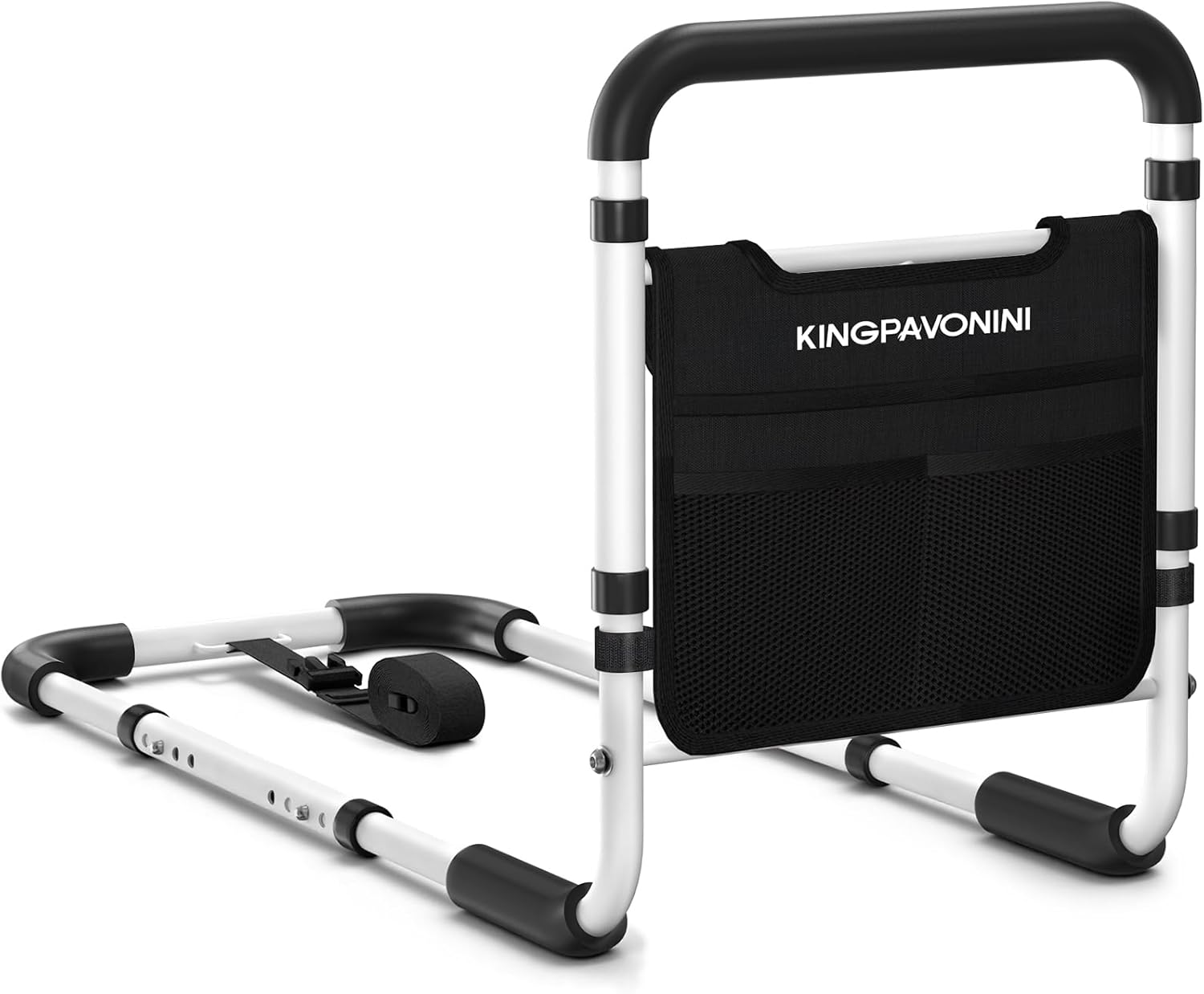
Bed Rail for Seniors

Bathroom Grab Bar Set

Electric Food Chopper
Dementia bathroom safety starts with the highest-risk fixes: better lighting, grab bars, non-slip surfaces, and a simple routine. If falls, confusion, or bathing resistance are increasing, talk to your doctor or a healthcare professional for guidance.
Dementia bathroom safety matters because the bathroom is one of the most common places for falls, confusion, and stress at home. Small changes can make a big difference, helping your loved one stay safer while preserving comfort and dignity.
For many families, the goal is not to turn the bathroom into a medical room. It is to remove avoidable hazards, simplify daily routines, and make the space easier to understand. If you are planning upgrades, it can also help to review related home safety ideas such as bathroom grab bar options and non-slip bathroom mats that may support safer movement.
- Start with hazards: Focus first on falls, hot water, and nighttime confusion.
- Keep it simple: Clear lighting and easy-to-read cues reduce stress.
- Use the right supports: Grab bars, shower chairs, and raised toilet seats can help.
- Watch for warning signs: Repeated falls or bathing distress may need professional help.
Why Dementia Bathroom Safety Matters in 2026
Dementia can change how a person sees, understands, and responds to the bathroom environment. A sink, toilet, shower, mirror, or wet floor may look familiar to you, but feel confusing or even threatening to someone with memory loss.
That is why dementia bathroom safety is about more than preventing slips. It also means reducing fear, lowering frustration, and making the space predictable enough for everyday use.
How cognitive changes increase bathroom fall and injury risks
Memory loss can affect judgment, balance, and the ability to follow multi-step tasks. A person may forget to use a grab bar, step into a wet tub too quickly, or sit down before finding the toilet seat.
Some people with dementia also misread depth, distance, or reflections. A dark rug, shiny floor, or mirror may be confusing, especially at night.
Common bathroom hazards caregivers often overlook
Caregivers often focus on the obvious risks, such as wet floors and slippery tubs. But less obvious hazards matter too, including poor lighting, hard-to-see toilet edges, clutter near the sink, and bathroom doors that are difficult to open or close.
Even small details can create trouble. A bright patterned floor, a loose towel, or a bottle left on the edge of the tub can become a trip hazard when someone is moving quickly or feeling anxious.
Key Dementia Bathroom Safety Risks to Address First
Not every bathroom needs a full renovation. In many homes, the safest approach is to tackle the highest-risk problems first and build from there.
Slips, trips, and wet-floor accidents
Water on tile, soap residue, and poor footing are major concerns. A person with dementia may also rush to the bathroom, especially if they feel urgency or are unsure where they are.
Look closely at the path into the bathroom, the floor near the sink, and the area around the shower or tub. These are the places where falls often happen.
Scalding from hot water and temperature confusion
Some people with dementia may not recognize that water is too hot. Others may forget to wait for a safe temperature before stepping in.
This risk is especially important for bathing, handwashing, and shaving. If your loved one has reduced feeling in the hands or feet, talk to your doctor or healthcare provider about additional precautions.
Toileting confusion, wandering, and nighttime bathroom use
Bathroom trips at night can be especially risky. Low light, sleepiness, and confusion can lead to falls or wandering into the wrong room.
Some people with dementia may also forget where the bathroom is, or they may not recognize the toilet quickly enough. Clear cues and a simple routine can help.
Privacy-related agitation and resistance to help
Bathing and toileting are deeply personal. A person with dementia may resist help because they feel embarrassed, threatened, or unsure about what is happening.
Gentle communication matters. Calm words, a steady routine, and respectful privacy can reduce agitation and make care easier for everyone.
If your loved one has repeated falls, sudden confusion, fainting, or a new fear of the bathroom, do not assume it is “just dementia.” Talk to your doctor, since infection, dehydration, medication side effects, or another health issue may be contributing.
Step-by-Step Bathroom Safety Upgrades for a Dementia-Friendly Home
The best bathroom changes are simple, visible, and easy to maintain. Start with the areas your loved one uses most often, then add supports that match their current abilities.
Improving lighting, visibility, and contrast
Good lighting can reduce fear and help with depth perception. Use bright, even lighting in the bathroom and along the hallway leading to it.
Contrast also helps. A toilet seat that stands out from the floor, a towel in a different color from the wall, or a dark grab bar against a light wall can make the room easier to navigate.
If your loved one wakes often at night, consider a soft night light or motion-activated light. The goal is enough visibility to find the toilet without creating harsh glare.
Installing grab bars, non-slip flooring, and shower supports
Grab bars can provide steady support near the toilet, shower, or tub. They should be securely installed into wall framing or with a professional-grade mounting system, not attached with weak adhesive alone.
Non-slip flooring is another priority. If a full flooring replacement is not possible, choose safer temporary options carefully and make sure they stay flat and secure. For shower access, it may also help to compare walk-in shower safety options if you are planning a larger update.
Choosing raised toilet seats, shower chairs, and handheld sprayers
A raised toilet seat can make sitting and standing easier for someone with weak legs or poor balance. A shower chair can also reduce fatigue and lower fall risk during bathing.
Handheld sprayers are often helpful because they allow bathing while seated. That can make the process calmer and safer, especially when standing is difficult.
Using locks, labels, and simple wayfinding cues
Simple labels can help a person recognize the bathroom, toilet, or sink. Clear signs are often better than complex directions or too many words.
Some families use a bathroom door sign, a picture cue, or a familiar object placed near the entrance. If locks are used, make sure they are easy for caregivers to open in an emergency.
What works best may vary by stage of dementia, vision changes, and mobility. If your loved one has advanced memory loss or uses a walker, a home safety assessment may be more helpful than guessing which changes to make first.
Practical Bathroom Safety Tips Caregivers Can Use Every Day
Daily habits matter just as much as equipment. A safer bathroom routine can lower stress, prevent rushed movements, and make care feel more predictable.
Creating a consistent toileting routine
Regular bathroom visits can help reduce urgency and accidents. Many caregivers find it useful to offer bathroom breaks at the same times each day, such as after meals and before bed.
Keep the routine simple and calm. Too many reminders or too much chatter can create confusion, so short, friendly prompts often work best.
Helping with bathing while preserving dignity
Bathing may be one of the most sensitive parts of care. Knock before entering, explain each step in plain language, and keep the room warm so your loved one does not feel rushed or uncomfortable.
Offer choices when possible, such as which towel to use or whether to wash the face or hands first. Small choices can help preserve dignity and reduce resistance.
If bathing has become upsetting, painful, or impossible, ask your doctor whether there is a medical reason such as arthritis, skin pain, dizziness, or medication effects. A healthcare provider can also suggest safer care strategies.
Setting water heater limits and checking bath temperature
Water that is too hot can cause serious burns. If you can safely do so, ask a qualified professional about setting the water heater to a safer temperature and use extra care when filling the tub.
Always test water before bathing, and do not rely on the person with dementia to judge temperature accurately. If they have reduced sensation or diabetes-related nerve changes, consult your pharmacist or healthcare provider for added safety guidance.
Reducing clutter, cords, and slippery bath products
Keep the floor clear of laundry baskets, extra toiletries, and extension cords. The fewer items on the floor, the easier it is to walk safely.
Also watch for slippery soap bars, loose bottles, and products that roll underfoot. Store only what is needed and keep frequently used items within easy reach.
Common Mistakes That Can Make the Bathroom Less Safe
Some well-meant decorating choices or temporary fixes can actually increase confusion. A safer bathroom is usually simpler, not busier.
Using confusing fixtures, mirrors, or dark décor
Dark walls, busy wallpaper, and shiny surfaces can make it harder to see where the floor ends and the wall begins. Large mirrors may also be unsettling for some people with dementia.
If your loved one becomes startled by reflections or shadows, consider simplifying the décor. A calmer visual environment can reduce fear and make the room easier to use.
Relying on unsecured mats or temporary solutions
Bath mats that slide, curl, or bunch up can become trip hazards. The same is true for makeshift solutions that are not designed for bathroom use.
Temporary fixes may be fine for a short time, but they should still be stable and easy to clean. If you are unsure whether a product is safe, ask a healthcare provider or an aging-in-place specialist for guidance.
Overestimating independence during bathing or transfers
It is natural to want to support independence. But if your loved one is unsteady, forgetful, or easily confused, giving too much privacy during bathing or transfers can increase the risk of a fall.
Try to match the level of help to the person’s current ability. That balance may change over time, so reassess often.
Ignoring medication side effects that affect balance or urgency
Some medicines can cause dizziness, sleepiness, frequent urination, or low blood pressure when standing. Those effects can make the bathroom more dangerous, especially at night.
If falls, urgency, or confusion seem worse after a medication change, consult your pharmacist or healthcare provider. Never stop a prescribed medicine on your own.
Best Bathroom Safety Products for Dementia: What to Choose and What to Skip
There is no single product that solves every bathroom safety problem. The best choices are the ones that fit the person’s needs, the bathroom layout, and the stage of dementia.
Comparing low-cost fixes versus higher-cost renovations
Low-cost fixes may include better lighting, grab bars, labels, and a shower chair. These can be a good first step when you want practical improvements without major remodeling.
Higher-cost renovations may include a walk-in shower, non-slip flooring replacement, or a more accessible bathroom layout. Insurance and Medicare coverage for home changes can vary widely, so check plan details before assuming help is available.
When to choose portable aids instead of permanent modifications
Portable aids can be useful if the person is staying in the home only temporarily, if the bathroom layout may change, or if you are testing what works before investing in renovations.
Permanent modifications may be better when the same hazards keep causing problems. If you are weighing options, an occupational therapist or aging-in-place specialist can help you decide.
Features that matter most for dementia care, not just general senior safety
For dementia care, the most useful products are usually simple, visible, and intuitive. Easy-to-see grab bars, stable seating, and clear contrast often matter more than fancy features.
Skip products that require too many steps, confusing controls, or frequent adjustments. The goal is to reduce thinking, not add to it.
When to Call a Professional for Help or Home Assessment
Sometimes bathroom changes at home are enough. Other times, the risks are too high to manage alone.
Signs the bathroom setup is no longer safe enough
If your loved one has repeated near-falls, cannot find the toilet, resists bathing with increasing distress, or needs hands-on help for every transfer, the bathroom may need more than small adjustments.
Frequent nighttime accidents, wet clothing, or new fear of the shower are also signs that the current setup may no longer be working well.
When an occupational therapist or aging-in-place specialist can help
An occupational therapist can look at how your loved one moves, turns, sits, and transfers in the bathroom. That kind of assessment can lead to more practical recommendations than a general guess.
An aging-in-place specialist may also help with layout changes, product selection, and home modifications. Their advice can be especially useful if your loved one has several mobility issues at once.
Red flags that require urgent medical or caregiving support
Seek prompt help if there is a fall with injury, a head hit, new confusion, fainting, fever, blood in the urine, or sudden inability to stand. These may point to a medical problem that needs quick attention.
If the bathroom has become unsafe despite your best efforts, consider whether more caregiving support is needed. In some situations, in-home help or a different living arrangement may be the safer choice.
Final Recap: Building a Safer, Calmer Bathroom Routine for Dementia Care
Dementia bathroom safety works best when you focus on the biggest risks first: falls, hot water, nighttime confusion, and resistance to help. Small changes often create meaningful improvement.
Prioritizing the highest-risk fixes first
Start with lighting, grab bars, floor safety, and a clear path to the toilet. Then add labels, a routine, and bathing supports that match your loved one’s needs.
If you are unsure where to begin, make a short checklist and address one problem at a time. That approach is often less overwhelming for both caregiver and senior.
Balancing safety, independence, and dignity at home
The best bathroom plan protects safety without making the person feel controlled or rushed. Clear communication, respectful help, and a calm environment can preserve dignity while lowering risk.
If the situation changes, reassess often and talk to your doctor or healthcare provider when needed. A safer bathroom is not just easier to use — it can also make daily life feel more peaceful for everyone involved.
Frequently Asked Questions
The safest setup is usually simple, well lit, and easy to navigate. Grab bars, non-slip flooring, a clear path, and a raised toilet seat can all help.
Focus on lighting, removing clutter, adding grab bars, and keeping the floor dry. A consistent toileting routine can also reduce rushing and nighttime falls.
Yes, shower chairs can make bathing safer and less tiring for many people with dementia. They are especially helpful when standing is difficult or balance is poor.
Locks can be used if they are easy for caregivers to open in an emergency. Avoid locks that could trap the person inside or create panic.
Use a night light or motion-activated light, keep the path clear, and make the bathroom easy to find. A regular bedtime toileting routine may also help.
Ask for help if there are repeated falls, strong resistance to bathing, or signs the bathroom is no longer manageable at home. An occupational therapist or healthcare provider can suggest safer options.