
Elderly Bath Safety at Home Simple Tips for Safer Baths

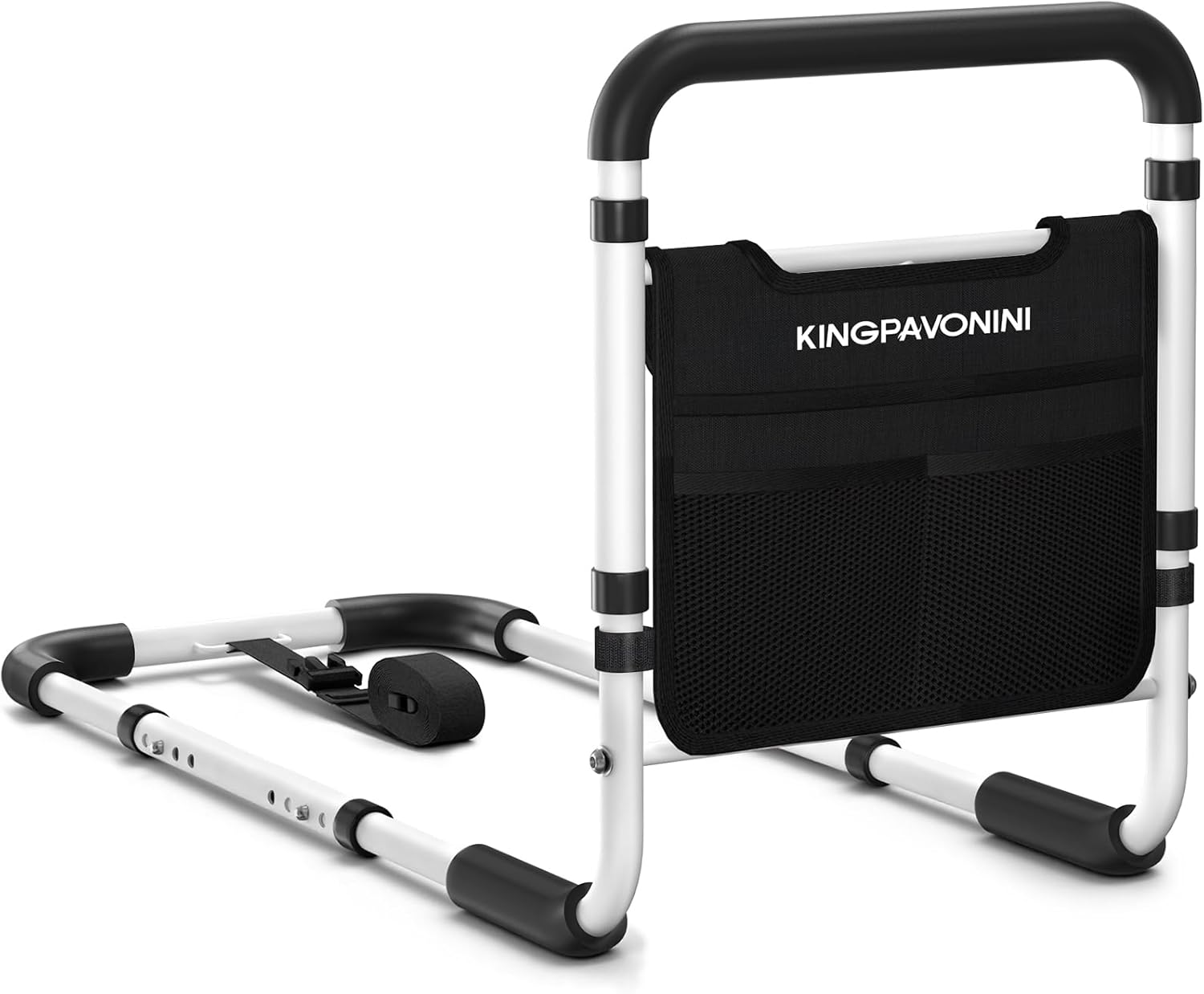
Bed Rail for Seniors

Portable Wheelchair

Gardening Kneeler Bench
Safer bathing for older adults starts with simple changes like grab bars, non-slip mats, better lighting, and keeping supplies within reach. If balance, dizziness, or memory problems are making bathing harder, talk to your doctor or healthcare provider.
Bathing should feel refreshing, not risky. For many older adults, a few smart changes can make the bathroom safer, more comfortable, and easier to use every day.
In this guide from the SeniorsProTalk Editorial Team, we’ll look at elderly bath safety at home in practical terms: what causes falls, what fixes help most, and how caregivers can support bathing without taking away independence.
- Reduce slips: Use non-slip surfaces and remove loose rugs.
- Add support: Install grab bars and consider a shower chair.
- Improve access: Keep towels and toiletries within easy reach.
- Watch warning signs: Dizziness, fatigue, and near-falls need attention.
- Get help early: Ask a professional before a fall happens.
Why Elderly Bath Safety at Home Matters in 2026
The bathroom is one of the most common places for slips and falls because it combines water, hard surfaces, and frequent movement in a small space. Even a person who walks well in the rest of the home may feel less steady when stepping into a tub, turning to reach a towel, or standing on wet tile.
Common bathroom hazards that increase fall risk
Typical hazards include slippery floors, loose rugs, low lighting, high tub walls, and items placed out of reach. A rushed bath routine can add to the risk, especially if a senior is trying to step over the tub edge while holding toiletries or balancing on one foot.
Small details matter. A wet washcloth on the floor, soap that drops near the tub, or a towel hung too far away can create an unexpected slip or twist. For that reason, bathroom safety should be treated as part of daily home care, not as an afterthought.
How aging changes balance, strength, and reaction time
As people age, it can become harder to recover from a small slip or catch themselves quickly. Muscle strength may decline, joints may feel stiffer, and reaction time may slow. Vision changes can also make it harder to see water on the floor or judge the height of a tub step.
Medication side effects, dizziness, and certain health conditions can make these changes more noticeable. If a senior has had recent falls, feels unsteady, or becomes lightheaded in the bathroom, talk to your doctor or healthcare provider before changing the bathing routine.
Many bathroom falls happen during ordinary tasks like stepping in, stepping out, or reaching for a towel—not only while showering itself.
What Safer Bathing Looks Like for Seniors and Caregivers
Safer bathing is not just about preventing falls. It also supports dignity, comfort, and the confidence to keep doing as much as possible independently. The best setup is one that helps a senior feel secure without making the routine feel clinical or overly complicated.
Key user intent: independence, dignity, and fewer accidents
Many older adults want to stay in control of their own bath routine. That is a reasonable goal, and safety equipment can support it rather than replace it. A stable chair, a grab bar, or better lighting can make bathing easier while still preserving privacy.
Caregivers often do best when they look for the least invasive solution first. If a person can wash independently with a shower chair and a handheld showerhead, that may be better than full hands-on help. The goal is to reduce risk while respecting the senior’s comfort level.
Examples of safer daily bath routines at home
A safer routine may include bathing at the same time of day, keeping the bathroom warm, and gathering all supplies before turning on the water. It may also mean sitting to wash, drying off before stepping onto tile, and using a non-slip mat inside and outside the tub or shower.
For some families, a simple routine check works well: water set to a comfortable temperature, floor dry, towel within reach, and no clutter near the path. These small habits can lower stress and make bathing feel more predictable.
Keep a “bath basket” with soap, shampoo, washcloths, and a towel in one easy-to-reach place so no one has to stretch or bend during bathing.
Simple Bathroom Changes That Make the Biggest Difference
You do not always need a full remodel to improve elderly bath safety at home. Often, the most useful changes are the simplest ones: better support, better traction, and less reaching.
Grab bars, non-slip mats, and shower chairs
Grab bars help with standing, sitting, and turning. They should be secured properly to the wall and placed where the person naturally needs support, such as near the tub entrance or inside the shower. A towel bar is not a safe substitute because it is not designed to bear weight.
Non-slip mats can help in both the tub and on the bathroom floor, especially if the surface becomes slick when wet. A shower chair or bath seat can also reduce the need to stand for long periods, which may help seniors who tire easily or feel unsteady.
Before installing grab bars or other supports, check whether the wall can hold them safely. If you are unsure, ask a handyman, occupational therapist, or home safety professional for guidance.
Handheld showerheads, raised toilet seats, and better lighting
A handheld showerhead makes it easier to wash while seated and reduces twisting. It can also help caregivers assist without crowding the person in the shower space. Better lighting matters too, especially at night or in bathrooms with small windows.
Raised toilet seats may not seem like a bath safety item, but they can reduce strain and make the whole bathroom easier to use. Less bending and fewer awkward moves can lower fall risk before and after bathing.
- Are grab bars installed where hands naturally reach?
- Is the shower or tub floor slip-resistant?
- Can the bathroom be lit clearly at night?
- Are bathing items easy to reach without bending?
Walk-in tubs vs. traditional tubs: practical comparison
Walk-in tubs can help seniors who have trouble stepping over a high tub wall, but they are not the best choice for everyone. They usually require sitting inside before the tub fills, and they may cost more than simpler modifications. Traditional tubs are less expensive, but they can be harder to enter safely.
If you are comparing options, think about mobility, comfort, and the amount of assistance available. For some homes, a walk-in shower or walk-in tubs for seniors safety comfort may be a better long-term fit than trying to adapt a standard tub.
| Option | Best For | Note |
|---|---|---|
| Traditional tub | Seniors with good balance and flexibility | Often needs added safety tools |
| Walk-in tub | People who cannot step over a high wall easily | May cost more and take longer to use |
| Walk-in shower | Those who want easier entry and less stepping | Often simpler for caregivers too |
How to Set Up the Bathing Area for Maximum Safety
A safe bathroom is usually the result of many small choices working together. The floor, layout, water temperature, and storage all matter as much as the shower or tub itself.
Floor, tub, and shower slip-prevention steps
Start by removing loose rugs and anything that can slide underfoot. Use mats made for wet areas, and replace worn mats that no longer grip well. Keep the floor dry whenever possible, especially near the sink and tub entrance.
If the tub or shower surface is slick, consider adding a textured mat or adhesive strips approved for wet use. Make sure these do not curl at the edges, since that can create a new tripping risk.
Do not rely on unstable bath stools, plastic chairs, or improvised supports. If an aid wobbles, slides, or bends under weight, it is not safe for bathing.
Organizing towels, soap, and toiletries within easy reach
Place towels, soap, shampoo, and any needed personal items where they can be reached without bending or turning too far. A small shelf, caddy, or basket can help keep everything in one place.
This matters because reaching and twisting are common moments for loss of balance. A good setup reduces the need to move around while wet, which is when many accidents happen.
Water temperature checks and scald prevention
Always check water temperature before bathing. Older skin can be more sensitive, and some seniors may not notice heat as quickly. A sudden hot-water burst can cause burns or make someone step back quickly and lose balance.
Set the water to a comfortable level and test it with a hand or bath thermometer if needed. If a senior has reduced sensation, diabetes, or another condition that affects feeling, talk to your doctor or healthcare provider about extra safety precautions.
If bathing causes dizziness, shortness of breath, chest discomfort, or unusual weakness, get medical advice before continuing the same routine.
Caregiver Tips for Assisting Bath Time Without Taking Over
Good caregiving during bath time is a balance between safety and respect. Many seniors feel more comfortable when they are allowed to do the parts they can still manage safely.
Supporting privacy and confidence during bathing
Privacy helps preserve dignity. Knock before entering, explain each step, and give the person time to prepare. Even small choices, like asking whether they want the water warmer or cooler, can help them feel more in control.
Confidence often improves when the routine is calm and familiar. If the senior is anxious, keep the process simple and avoid unnecessary conversation while they are moving or standing.
When to help physically and when to supervise only
Some people need hands-on help getting in and out of the tub. Others only need someone nearby in case they lose balance. The right level of help depends on strength, balance, memory, and whether the person has fallen recently.
If a senior can wash safely while seated, supervision may be enough. If they need steadying support, be sure the caregiver knows how to assist without pulling on the person’s arm, which can cause strain or a fall.
- Protects dignity and independence
- Reduces panic and rushing
- Supports safer routines over time
- Can still require close attention
- May need training for safe transfers
- Not enough for high fall risk without equipment
Communication tips for seniors with memory or mobility challenges
For seniors with memory loss, hearing difficulty, or trouble following multi-step directions, short and calm instructions work best. One step at a time is easier than giving several directions at once.
Use the same routine each time when possible. Consistency can reduce confusion, especially if the person becomes uneasy in the bathroom or forgets where items are kept. If memory changes are getting worse, talk to your doctor.
- Less confusion during bathing
- More comfort and trust
- Fewer rushed movements
Common Elderly Bath Safety Mistakes to Avoid
Many bath accidents happen because the setup is “good enough” until one small thing goes wrong. Avoiding a few common mistakes can make a big difference.
Rushing, poor lighting, and using unstable bath aids
Rushing is one of the biggest hazards. Seniors may hurry because they feel cold, embarrassed, or worried about needing help. Caregivers may rush too, especially when the schedule is busy. Slowing down is often the simplest safety improvement.
Poor lighting is another common issue. If the room is dim, it is harder to see wet spots, steps, and edges. And if a bath aid feels shaky, do not keep using it just because it seems convenient.
Ignoring dizziness, fatigue, or medication side effects
Bathroom safety changes when a person feels weak, dizzy, tired, or unwell. Some medicines can make people sleepy or lightheaded, especially after a bath or shower. If this happens often, consult your pharmacist or healthcare provider.
It is also wise to watch for signs that a bath is too tiring. Sitting down too often, needing frequent breaks, or feeling shaky afterward may mean the current routine needs to be adjusted.
Waiting too long to make home modifications
Many families wait until after a fall to make changes. That can be a painful lesson. It is often easier and safer to add support before a serious accident happens.
Even small changes, like better lighting or a shower chair, can be worthwhile early on. If you are unsure where to start, a home safety review can help you prioritize the most useful updates first.
When to Ask a Professional for Help
Sometimes bathroom changes are simple. Other times, they need expert guidance, especially when balance, mobility, memory, or medical issues are involved.
Warning signs that bathing is becoming unsafe
Warning signs include near-falls, fear of bathing, bruises, repeated slipping, or needing a lot of help to step in and out. Another sign is when a senior starts skipping baths because the process feels too hard or too risky.
If you notice these changes, do not wait. A safer setup can often be planned before the next accident. If symptoms are sudden or severe, talk to your doctor right away.
When to consult an occupational therapist or home safety expert
An occupational therapist can look at how a person moves through the bathroom and suggest practical changes. A home safety expert or experienced contractor may also help with installing equipment correctly.
This is especially useful after a fall, after surgery, or when a person has arthritis, stroke recovery, or another condition that affects movement. Recommendations can vary by health condition, so it helps to get individualized advice.
Cost considerations: budget fixes vs. major bathroom upgrades
Not every solution requires a full remodel. Simple items like non-slip mats, a shower chair, or better lighting are often much less expensive than a walk-in tub or bathroom renovation. In many homes, budget fixes solve the most urgent problems first.
For larger upgrades, coverage can vary. Medicare and private insurance may help in limited situations, but many home modifications are paid out of pocket. Because coverage depends on the plan and the reason for the change, check with your insurer before assuming a cost will be covered.
- Use simple safety tools to lower fall risk in the bathroom.
- Keep supplies close, lighting bright, and floors dry.
- Choose the least restrictive help that still keeps bathing safe.
- Ask a professional if balance, memory, or mobility issues are getting worse.
Final Recap: A Safer Bath Routine Starts with Small Changes
Good elderly bath safety at home usually comes from practical, repeatable habits. A secure floor, stable support, easy-to-reach supplies, and calm pacing can prevent many of the accidents that happen in bathrooms.
Most effective takeaways for everyday elderly bath safety at home
The biggest improvements are often grab bars, non-slip surfaces, better lighting, and a shower chair or handheld showerhead when needed. Just as important are safer routines: no rushing, no clutter, and no unstable bath aids.
If a senior feels unsteady, dizzy, or fearful during bathing, treat that as useful information, not as something to ignore. Talk to your doctor or healthcare provider if health changes may be affecting safety.
Next steps for families planning a safer bathroom in 2026
Start with one room and one problem at a time. For many families, the first step is a simple checklist: what is slippery, what is hard to reach, and what support is missing.
From there, you can decide whether a small fix is enough or whether a larger upgrade makes sense. For more home safety ideas, families may also want to review related topics such as shower chair options for elderly users and toilet safety rails for extra support when planning a safer bathroom overall.
Frequently Asked Questions
The safest setup usually includes grab bars, non-slip mats, good lighting, and a shower chair if standing is difficult. A handheld showerhead can also make bathing easier and reduce twisting.
Signs include slipping, fear of bathing, near-falls, fatigue, or needing help getting in and out of the tub. If these changes are new or worsening, talk to your doctor or healthcare provider.
Walk-in tubs can help people who cannot step over a high tub wall safely, but they are not the best fit for everyone. They may cost more and take longer to use than simpler options like a walk-in shower or shower chair.
Grab bars, slip-resistant mats, better lighting, and keeping bath items within easy reach are among the most helpful changes. Removing clutter and loose rugs also lowers risk.
Yes, some medicines can cause dizziness, sleepiness, or weakness, which can make bathing riskier. If this happens, consult your pharmacist or healthcare provider.
Coverage varies by plan and by the reason for the equipment or modification. Many home bathroom changes are paid out of pocket, so check with your insurer before making a purchase.