
10 Essential Elderly Bath Safety Tips for Safer Showers


Adjustable Walker with Wheels

Glucose Monitor Kit
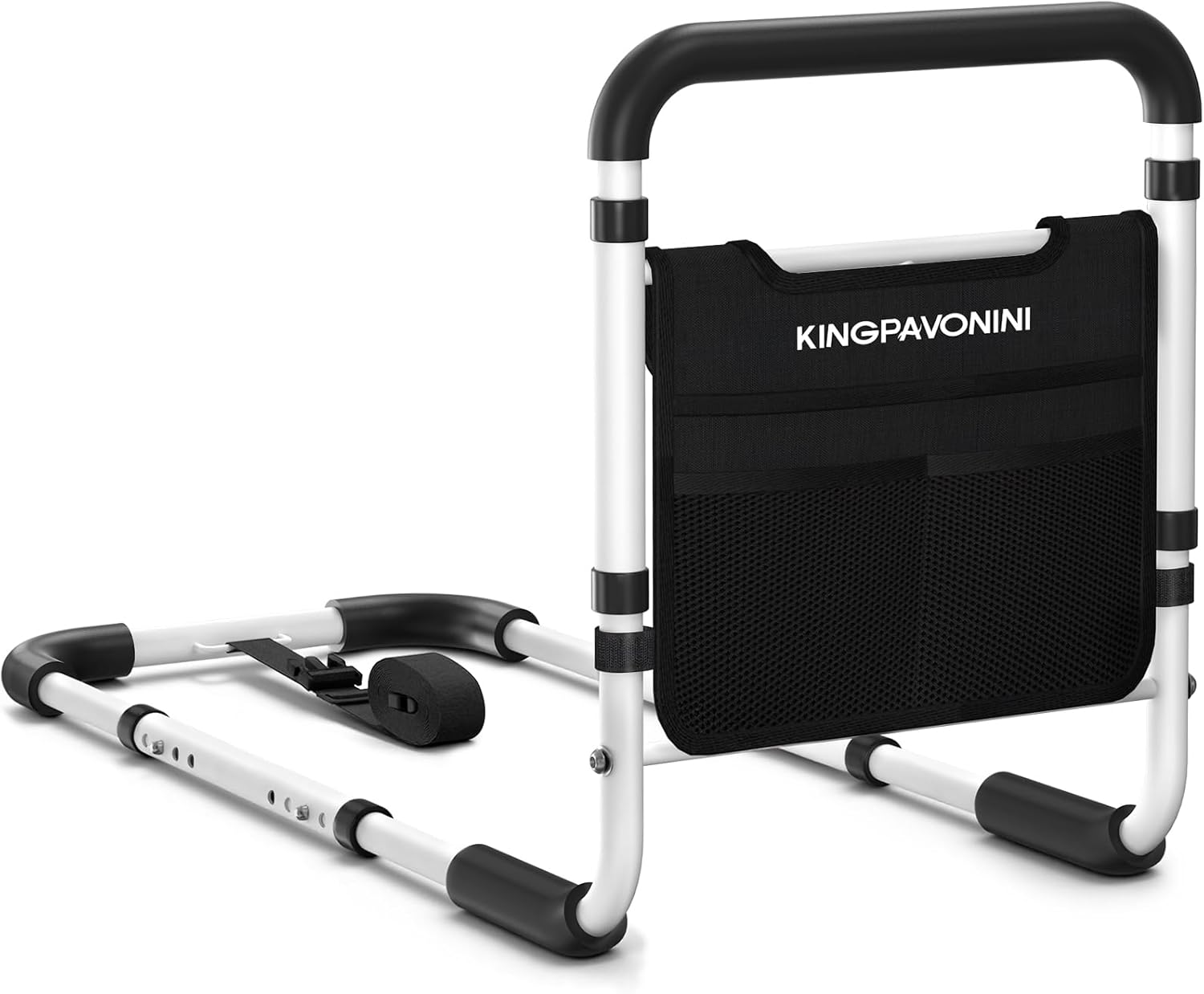
Bed Rail for Seniors
The safest approach is to combine grab bars, non-slip surfaces, good lighting, and seated bathing support when needed. If bathing already feels risky, make changes now and talk to your doctor or an occupational therapist for guidance.
Bathing should feel refreshing, not risky. For many older adults, a slippery bathroom can turn a normal shower into a stressful event, which is why the right elderly bath safety tips can make a real difference at home.
Small changes often help the most: better support, better visibility, and fewer obstacles. If you are planning updates for yourself or a loved one, it can also help to compare options like a shower chair for elderly or other simple supports before making larger changes.
- Start with basics: Grab bars, mats, and clear floors prevent many common slips.
- Match the aid to the need: Shower chairs, benches, and raised seats help different mobility problems.
- Improve visibility: Better lighting and less glare make hazards easier to see.
- Check water and reach: Safe temperature and easy-to-reach toiletries reduce rushing and bending.
- Get help early: Near-falls, dizziness, or pain are signs to consult a doctor or therapist.
Why Elderly Bath Safety Tips Matter in 2026: Preventing Falls, Fear, and Loss of Independence
Bathrooms are one of the most common places where older adults feel uneasy. Smooth surfaces, tight spaces, and quick movements can make a simple shower feel harder than it used to.
Good bath safety is not only about preventing a fall. It is also about reducing fear, preserving privacy, and helping older adults keep as much independence as possible for as long as they safely can.
How bathroom hazards become more dangerous with age
As people age, the body often needs more time to steady itself after standing up, turning, or stepping over a tub edge. Even a small slip can lead to a bigger injury because bones may be more fragile and recovery may take longer.
Changes in vision, strength, and reaction time can also make it harder to catch yourself. That is why elderly bath safety tips should focus on prevention, not just response after something goes wrong.
What families and caregivers are usually trying to solve
Families usually want to solve a few practical problems at once: how to make bathing safer, how to reduce worry, and how to avoid taking away dignity. A good setup should support the person without making the bathroom feel medical or overwhelming.
For some households, the goal is simply to reduce risk. For others, it is about helping someone bathe after surgery, a hospital stay, or a recent near-fall. If mobility changes are new or worsening, talk to your doctor or healthcare provider before changing bathing routines.
Top Bathroom Risks for Older Adults: Where Slips and Injuries Most Often Happen
Most bathroom accidents happen in predictable places. Once you know where the risks are, it becomes much easier to fix them one by one.
Wet floors, tub edges, and shower thresholds
Water on tile or vinyl can be surprisingly slippery. Tub edges and shower thresholds also create a stepping point that may be hard to clear if balance is limited.
Even a confident walker can have trouble when the floor is wet and the body is turning at the same time. That is why the area inside and just outside the shower deserves special attention.
Balance issues, limited mobility, and weaker grip strength
Balance problems can make it hard to step into a tub, lower yourself onto a seat, or stand long enough to rinse. Weak hands can also make it difficult to hold a rail, turn a faucet, or steady oneself on a slick surface.
If arthritis, neuropathy, weakness, or joint pain affects movement, the bathroom may need more than one safety tool. A single grab bar or mat often is not enough by itself.
Vision changes, medications, and temperature sensitivity
Older eyes may need brighter, clearer lighting to spot water, soap, or a raised threshold. Some medications can also cause dizziness, sleepiness, or slower reactions, which can make bathing more risky.
Temperature changes matter too. Hot water may feel uncomfortable more quickly, and some older adults are less able to sense when water is too warm. If you notice dizziness, faintness, or unusual fatigue during bathing, consult your pharmacist or healthcare provider.
10 Essential Elderly Bath Safety Tips for Safer Showers
The best bath safety changes are usually simple, practical, and placed where they will actually be used. The goal is to make each movement easier and more stable.
Install grab bars in the right places, not towel racks
Grab bars should be firmly anchored to the wall and placed where a person truly needs support, such as near the shower entrance or by the tub. Towel racks are not built to hold body weight and should never be used as a substitute.
If you are unsure about placement, an occupational therapist or qualified installer can help. A poorly placed bar may give a false sense of security.
Use non-slip mats and adhesive strips inside and outside the shower
Non-slip mats and adhesive strips can help reduce sliding on wet surfaces. Use them both where feet land inside the shower and where a person steps out afterward.
Make sure mats lie flat and do not curl at the edges. A mat that bunches up can become a trip hazard instead of a safety feature.
Choose a shower chair or transfer bench for seated bathing
Seated bathing can reduce fatigue and lower the chance of losing balance. A shower chair is helpful when someone can step into the shower safely, while a transfer bench may be better if stepping over a tub wall is difficult.
If you are comparing options, the right choice depends on the bathroom layout and the person’s ability to stand, pivot, and sit down safely. If mobility is changing quickly, ask a therapist or doctor for guidance.
Add a handheld showerhead for easier, safer rinsing
A handheld showerhead makes it easier to rinse without twisting, reaching, or standing under a fixed stream for too long. It can also help a seated person bathe more comfortably.
This small upgrade often improves both safety and dignity. It allows the person to control the water flow more easily and reduces awkward movement.
Keep toiletries within arm’s reach to avoid bending and stretching
Soap, shampoo, washcloths, and towels should be placed where they can be reached without leaning or turning suddenly. Bending down for a dropped item can be a common cause of slips.
A simple shower caddy or wall shelf can help keep everything organized. The less a person has to reach, the less likely they are to lose balance.
Set water temperature to prevent burns and sudden discomfort
Hot water can scald sensitive skin more quickly than many people expect. A stable water setting helps reduce the chance of burns, dizziness, or discomfort that can lead to a hurried movement.
If the person has diabetes, nerve changes, or reduced feeling in the skin, water temperature deserves extra caution. When in doubt, have a caregiver test the water first or talk to your doctor about safe bathing habits.
Improve lighting and reduce glare for better visibility
Bright, even lighting helps older adults see wet spots, soap residue, and changes in floor level. It also makes it easier to spot items that have fallen on the floor.
Try to reduce glare from shiny tile or mirrors if that makes the room harder to see. Better visibility often lowers anxiety as much as it lowers physical risk.
Use a raised toilet seat or commode if bathroom transitions are risky
Many bathroom falls happen not only in the shower, but also during the move from standing to sitting and back again. A raised toilet seat or bedside commode can make those transitions easier for someone with weak legs or poor balance.
For some homes, this is part of a temporary recovery plan after surgery or a fall. If bathroom transfers are becoming unsafe, ask your healthcare provider whether a mobility aid is appropriate.
Remove clutter, cords, and loose rugs from the bathroom path
Clear pathways matter. A bathroom should have as few obstacles as possible, especially near the sink, toilet, and shower entrance.
Loose rugs, extension cords, and small storage items on the floor can all create trip hazards. A tidy bathroom is not just neater; it is safer.
Wear non-slip footwear and avoid stepping in with bare feet
Non-slip footwear can help with traction on wet surfaces and protect feet from sudden temperature changes. Bare feet may slide more easily, especially on smooth tile or vinyl floors.
Choose footwear that fits well and is easy to put on without bending too far. If foot pain, swelling, or poor circulation is making footwear difficult, talk to your doctor.
Make one change at a time and test it before adding another. A bathroom that feels simple and familiar is often safer than one filled with too many new products.
Practical Shower Safety Setup: A Room-by-Room Example for a Senior Bathroom
It helps to think of bath safety as a full-room setup, not just one device. The shower, floor, toilet, lighting, and entry path all work together.
A simple low-cost setup for a small apartment bathroom
In a smaller bathroom, the most useful upgrades are usually the basics: a non-slip mat, adhesive strips, a shower chair, and a handheld showerhead. Add a wall-mounted or securely installed grab bar where the person naturally reaches for support.
Keep the floor clear and store daily items at waist height. If space is tight, a narrow caddy or basket can reduce clutter without making the room feel crowded.
A safer setup for someone recovering from surgery or a fall
After surgery or a fall, the bathroom may need extra support for a period of time. A transfer bench, raised toilet seat, and sturdy grab bars may be more helpful than a single shower aid.
This is also a good time to ask whether home health support or caregiver help is needed during bathing. Recovery plans vary, so consult your doctor or occupational therapist before returning to a normal routine.
Some people need temporary help only, while others need long-term bathroom changes. The safest setup depends on strength, balance, pain, and how much support is available at home.
Common Mistakes Families Make When Improving Bath Safety
Well-meaning families sometimes buy equipment quickly and hope it will solve the problem. Bath safety works best when the product matches the person and the bathroom.
Buying the wrong products or placing them in the wrong spot
A safety item can fail if it is installed too high, too low, or in a place that is hard to reach during a real slip. The same is true for mats that do not fit the shower floor or chairs that are too large for the space.
Before buying, measure the bathroom and think through the person’s actual movement pattern. If a product does not fit the way the person gets in and out, it may not help much.
Assuming one safety tool solves every mobility problem
One grab bar or one chair may help, but it may not solve balance, weakness, vision, and transfer problems all at once. Many older adults need a combination of supports.
That is why elderly bath safety tips usually work best as a package: support, traction, lighting, and clear pathways.
Waiting until after a fall to make changes
It is common to wait until a near-fall or injury happens before making updates. Unfortunately, that delay can turn a manageable problem into a serious one.
Small improvements are easier to make before an accident. If bathing already feels unsafe, do not wait to get help.
Safety Upgrades Compared: Low-Cost Fixes vs. Higher-Value Home Modifications
Not every bathroom needs a major remodel. In many homes, the best solution is a mix of low-cost items and a few higher-value upgrades.
Budget-friendly essentials under $50
Basic safety items often include non-slip mats, adhesive strips, brighter bulbs, storage organizers, and simple clutter removal. These changes can make a noticeable difference without changing the room itself.
For many older adults, these are the first steps to take. They are also useful while deciding whether a larger modification is worth the cost.
Mid-range supports like shower chairs and handheld sprayers
Shower chairs, transfer benches, handheld showerheads, and raised toilet seats usually offer a strong balance of comfort and safety. They are especially helpful when standing for long periods is difficult.
Because product quality and price can vary, compare features carefully. If you are shopping for a medical-style item, ask whether any part of the cost may be covered by insurance or another benefit plan, since coverage varies widely.
When a walk-in shower or tub conversion may be worth the cost
For someone with ongoing mobility limits, a walk-in shower or tub conversion may be the safest long-term option. These changes can reduce the need to step over a high edge and may make bathing less tiring.
That said, major remodels are a bigger commitment. If you are considering one, compare it with the person’s current needs, future health changes, and available budget. Medicare coverage for home modifications is limited in many situations, so check your plan and ask for clarification before assuming costs will be covered.
When to Get Expert Help: Signs a Bathroom Is No Longer Safe Enough
Some bathrooms can be improved with simple tools. Others need a professional assessment because the risks are more complex than they first appear.
Warning signs that require a caregiver, occupational therapist, or home safety assessment
If the person avoids bathing, needs help getting in and out, clings to walls, or has already had a near-fall, the bathroom may need expert review. Frequent dizziness, confusion, or trouble following steps also raises concern.
An occupational therapist can often suggest practical changes based on how the person moves in the real world. Caregivers can also help identify hidden hazards that may be easy to miss.
If the person has repeated falls, blackouts, chest pain, severe shortness of breath, or sudden weakness, seek urgent medical help right away. Do not try to manage serious symptoms with bath safety products alone.
When to contact a doctor after a near-fall or bathing difficulty
Talk to your doctor if bathing now causes dizziness, pain, fear, or unusual fatigue. These symptoms may point to a balance issue, medication side effect, blood pressure problem, or another condition that should be checked.
If the person has recently changed medications, had surgery, or started using a cane or walker, bathing safety may need to be reassessed. A healthcare provider can help decide whether the issue is temporary or part of a bigger change.
If bathing feels unsafe, causes dizziness, or leads to near-falls, ask for medical advice. Your doctor can help identify whether balance, blood pressure, medication, or weakness is contributing to the problem.
Final Recap: The Most Important Elderly Bath Safety Tips to Remember
The most helpful elderly bath safety tips are usually the simplest ones: add support where needed, reduce slipping, improve visibility, and keep the room uncluttered. Those changes can make bathing calmer and safer right away.
Quick summary of the highest-impact changes for safer showers
Start with secure grab bars, non-slip surfaces, and a shower chair if standing is difficult. Then improve lighting, lower reach and bending, and make sure water temperature is comfortable and safe.
If bathroom transfers are hard, consider a raised toilet seat or a more accessible shower setup. And if you are unsure what is safest, ask a caregiver, therapist, or doctor for guidance.
Encouragement for making small improvements before an accident happens
You do not need to remodel the whole bathroom to make it safer. Even one or two thoughtful changes can reduce risk and help an older adult feel more confident again.
The best time to improve bath safety is before a fall happens. Small steps taken now can support independence, comfort, and peace of mind later.
Frequently Asked Questions
Start with secure grab bars, non-slip mats or strips, and a shower chair if standing is hard. Then improve lighting and keep toiletries within easy reach.
Some suction bars can help in limited situations, but they are not a substitute for permanently installed grab bars. For anyone with balance problems, it is safer to ask a professional about proper installation.
A shower chair is useful when the person can step into the shower but should sit while bathing. A transfer bench may be better if stepping over a tub edge is difficult or unsafe.
You can often improve safety with low-cost changes like better lighting, non-slip surfaces, clutter removal, and a handheld showerhead. These upgrades are often enough for many homes.
Ask your doctor if bathing causes dizziness, pain, fear, or near-falls. These symptoms may be linked to balance, medications, blood pressure, or another condition that needs attention.
Coverage varies, and Medicare often has limited coverage for home modifications. Check your plan and ask your healthcare provider or insurer what may be covered before buying major equipment.