
ECG Monitor vs Blood Pressure Monitor for Seniors


Electric Recliner Lift Chair

Arthritis Gloves
Robot Vacuum Cleaner
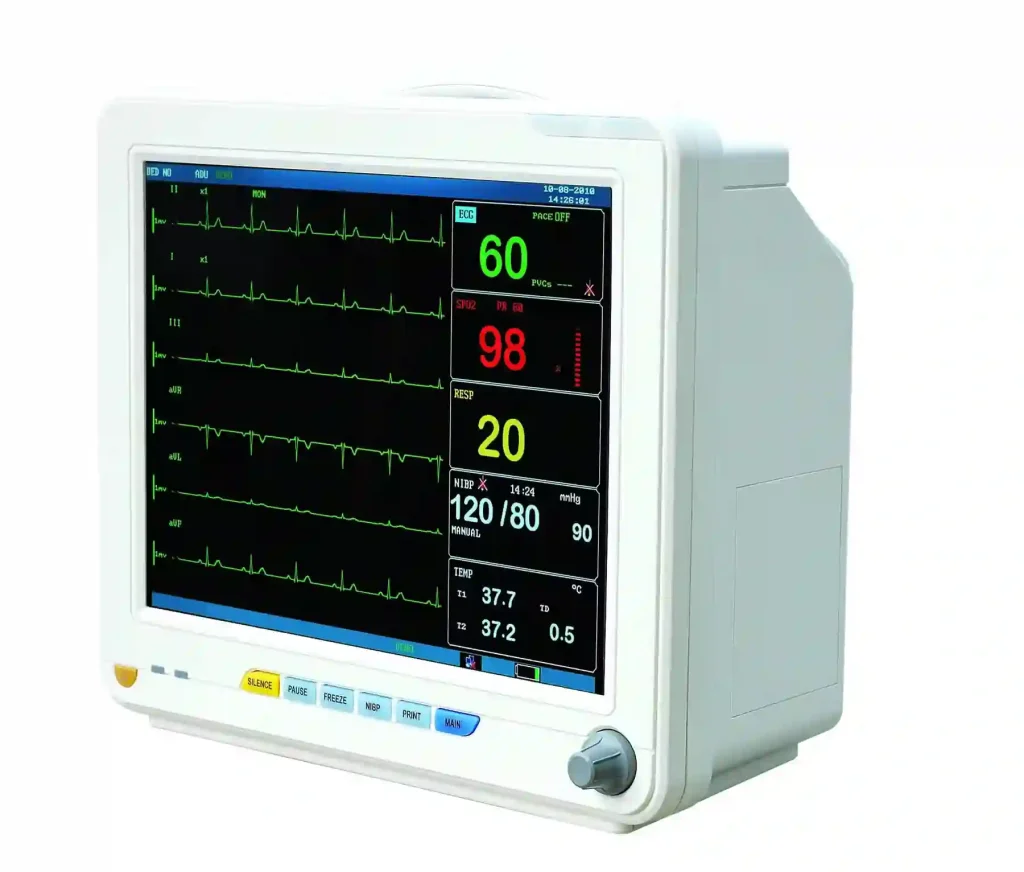
An ECG Monitor vs Blood Pressure Monitor is not a fight between two equal tools. Each device checks a different part of heart health. An ECG monitor records the heart’s electrical activity. A blood pressure monitor checks blood pressure.
For seniors, the right choice depends on the goal. One may be more useful for routine blood pressure checks. The other may help record heart rhythm when advised or needed.
Quick Comparison
A blood pressure monitor is usually the better choice for routine home checks. It is made to measure blood pressure. It is also easy to use on a set schedule.
An ECG monitor has a different role. It records the heart’s electrical signals. This can be useful when a person needs a record of heart rhythm.
The better device is the one that checks what you need to track.
ECG Monitor vs Blood Pressure Monitor At a Glance
The two devices can both support home health checks. But they do not measure the same thing.
| Feature | ECG Monitor | Blood Pressure Monitor |
|---|---|---|
| Main job | Records heart rhythm | Measures blood pressure |
| Main reading | Electrical heart signal | Blood pressure and pulse |
| Best use | Rhythm checks | Routine BP checks |
| Typical setup | Fingers, chest leads, or sensors | Arm or wrist cuff |
| Daily use | Depends on model and need | Often simple for home checks |
| Result type | ECG tracing or rhythm result | BP numbers and pulse |
| Senior fit | Useful for rhythm needs | Useful for routine BP needs |
ECG Monitor Review for Older Adults
An ECG monitor is built for one key task. It records the heart’s electrical activity. Some home devices use simple sensors. Others use a more advanced setup.
For seniors, the value of an ECG monitor depends on the reason for using it. It can be helpful when a person needs to record a heart rhythm event.
Ease of Use
Most ECG monitors need a clear sensor contact. Some use the fingers. Some use a chest connection. The exact steps vary by device.
A simple model may be easy to start. A model with more leads may need more setup.
The display and app can also matter. Large text may help. Clear prompts may help too.
Key Strengths
- Records heart rhythm data
- Can capture an ECG trace on some models
- May be useful during a rhythm event
- Can store or share results on some devices
- Some models are small and easy to carry
Potential Drawbacks
- It does not replace a blood pressure check
- Setup can vary by model
- Some users may find sensor placement hard
- Extra features can add cost
- Results may need clinical review
Blood Pressure Monitor Review for Older Adults
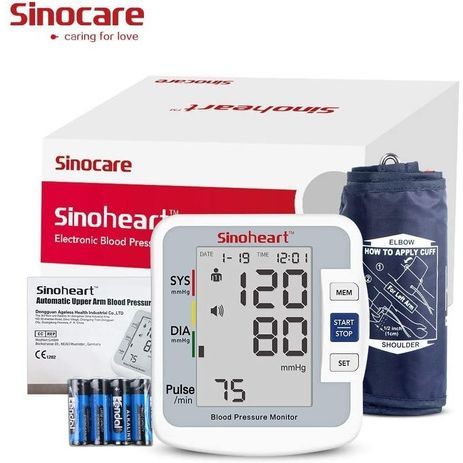
A blood pressure monitor is made for a more common home task. It measures blood pressure and often shows pulse rate too.
For many seniors, this makes it a practical tool for routine checks. A clear cuff and large display can make daily use easier.
Ease of Use
Upper-arm monitors often use a cuff around the arm. The user then starts the reading with a button.
This can be simple once the right position is learned. Large numbers can also make results easier to read.
Wrist models can be smaller. But correct wrist position is important.
Key Strengths
- Measures blood pressure
- Often shows pulse rate
- Easy to use on a routine schedule
- Many models have one-button operation
- Large displays may help older users
Potential Drawbacks
- Cuff size must fit well
- Poor body position can affect readings
- Wrist models need careful positioning
- Some models have complex menus
- Readings should not be treated as a diagnosis by themselves
Which Is Easier for Seniors to Use?
For routine home checks, a blood pressure monitor is often easier to understand. The task is clear. Wrap the cuff. Sit still. Start the reading. Check the numbers.
An ECG monitor can also be easy. Yet the setup can differ more from model to model.
Seniors with limited hand strength may care about cuff design. Seniors with limited dexterity may prefer a device with fewer steps. Large buttons and clear screens can help with either type.
The key point is simple. Ease of use depends on the device and the task.
Performance Comparison
Performance must match the job of the device. An ECG monitor and a blood pressure monitor do not compete on the same reading.
A blood pressure monitor gives blood pressure readings. This makes it useful for routine tracking at home.
An ECG monitor gives heart rhythm data. This makes it useful when rhythm is the concern.
| Performance Area | ECG Monitor | Blood Pressure Monitor |
|---|---|---|
| Blood pressure | Not its main job | Main job |
| Heart rhythm | Main job | Limited |
| Routine BP tracking | No | Yes |
| Rhythm event record | Yes, on supported models | No |
| Pulse reading | Often available | Commonly available |
| Easy daily trend checks | Depends on model | Usually practical |
Neither device wins every task. The right result depends on what you need to measure.
Comfort, Accessibility, and Senior-Friendly Design
A good home health device should not create extra work. Simple steps can make a big difference.
For a blood pressure monitor, cuff comfort matters. A cuff that is too tight or too loose can be a problem.
For an ECG monitor, sensor contact matters. The user needs to follow the device steps with care.
Large text can help. Clear labels can help. A simple start button can also help.
Seniors should choose based on their own needs. Not every older adult has the same limits.
Features Comparison
Useful features are not always the same as more features. Simple design can be more helpful than a long menu.
Here is a practical way to compare the two device types.
| Feature | ECG Monitor | Blood Pressure Monitor |
|---|---|---|
| Large display | Helpful | Very helpful |
| Simple controls | Helpful | Very helpful |
| Data storage | Often useful | Often useful |
| App support | Common on some models | Common on some models |
| Carry-friendly design | Often useful | Useful |
| One-button start | Useful | Very useful |
A feature matters when it makes the device easier to use or the data easier to review.
Price, Maintenance, and Long-Term Value
Cost can vary a lot by model. Basic blood pressure monitors are often simple devices. ECG monitors can cost more when they add advanced sensors or app tools.
Maintenance is usually modest for both types. A blood pressure monitor needs care of the cuff and device. An ECG monitor needs clean sensor surfaces and proper storage.
Long-term value depends on use.
If you need regular blood pressure checks, a blood pressure monitor may offer more practical value. If you need rhythm records, an ECG monitor may justify the extra cost.
Do not pay more for features you will not use.
Who Should Choose an ECG Monitor?
Choose an ECG monitor if:
- Heart rhythm is the main concern.
- You need to record an ECG event.
- Your healthcare team has suggested ECG tracking.
- You want a portable way to capture rhythm data.
- You are comfortable following sensor or lead placement steps.
An ECG monitor is not a replacement for every heart check. It is a tool for a specific type of reading.
Who Should Choose a Blood Pressure Monitor?
Choose a blood pressure monitor if:
- You need routine home blood pressure checks.
- You want simple readings to track over time.
- You prefer a clear number-based result.
- You want a device that is easy to use on a regular schedule.
- Blood pressure is the main value you need to monitor.
For many home users, this is the more practical first device when routine blood pressure tracking is the main goal.
ECG Monitor vs Blood Pressure Monitor — Final Verdict
There is no single winner here. The devices serve different jobs.
Best for routine blood pressure checks: Blood Pressure Monitor
Best for recording heart rhythm: ECG Monitor
Best for simple daily tracking: Blood Pressure Monitor
Best for rhythm-focused monitoring: ECG Monitor
The main question is not which device has more features. It is which reading you need.
Scoring Summary
A numeric score would be misleading here because the two devices measure different things. A better view is to match each device to the task.
| Category | ECG Monitor | Blood Pressure Monitor |
|---|---|---|
| Routine BP checks | Limited fit | Strong fit |
| Rhythm recording | Strong fit | Limited fit |
| Simple daily use | Moderate to strong | Strong |
| Portability | Often strong | Moderate to strong |
| Task-specific value | Rhythm care | BP tracking |
This approach keeps the comparison tied to real use instead of giving an artificial score.
How We Evaluate Products
We focus on the factors that matter most for home use by older adults. These include ease of use, clear controls, comfort, setup, safety, maintenance, and long-term value.
We also look at what the device is made to measure. A tool should be judged on the job it is designed to do.
No hands-on testing is assumed unless real testing data is provided.
Senior-Specific Buying Considerations
Before choosing a device, check these points.
Physical Effort
Look for a cuff or sensor setup that you can manage with ease.
Controls
Large buttons and simple menus can help. A clear screen is useful too.
Maintenance
Check how the cuff, sensors, or other parts need to be cleaned and stored.
Setup
Choose a model with steps you can follow without confusion.
Safety
Health readings should not replace medical care. If a reading looks unusual or you have symptoms, contact a healthcare professional as appropriate.
Common Buying Mistakes
A few simple mistakes can make a good device harder to use.
- Choosing a device for the wrong type of reading
- Picking a cuff that does not fit
- Ignoring setup steps
- Paying for features you do not need
- Using readings as a diagnosis
- Focusing only on price
The best choice starts with the measurement you need.
Safety
Both devices are home monitoring tools. They do not replace a clinical exam.
An ECG result may need professional review. A blood pressure result can also be affected by position, rest, cuff fit, and technique.
Do not change medicine based on a home reading alone unless your healthcare professional has given you a clear plan.
Seek prompt medical help for serious or sudden symptoms.
Conclusion
An ECG Monitor vs Blood Pressure Monitor comparison comes down to one main difference. An ECG monitor records heart electrical activity. A blood pressure monitor measures blood pressure.
Choose the device that matches your main need. For routine blood pressure tracking, a blood pressure monitor is usually the more direct choice. For rhythm-focused checks, an ECG monitor may be the better fit.