
Contact vs Noncontact Thermometer for Seniors


Sock Aid for Seniors

Bedside Commode Chair

Memory Foam Seat Cushion
Choosing between a Contact vs Noncontact Thermometer depends on how you plan to check your temperature. Both types can help older adults and caregivers monitor body temperature at home.
A contact thermometer touches the body, while a noncontact thermometer usually scans the forehead from a short distance. The best choice depends on comfort, ease of use, reading reliability, and how well the device fits your daily routine.
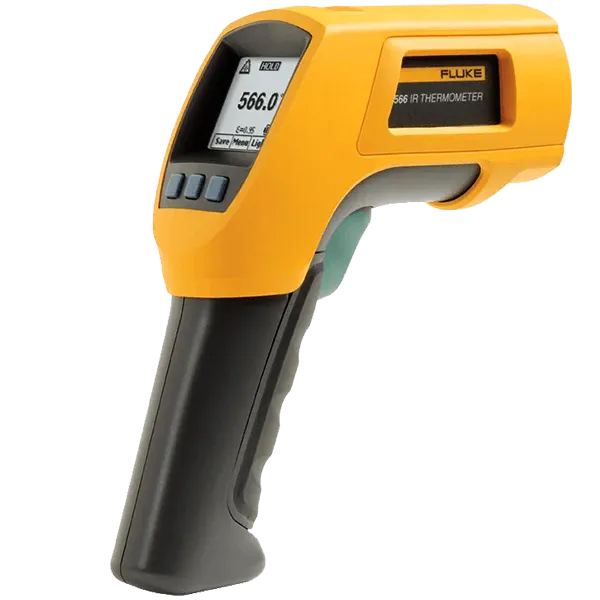
Contact vs Noncontact Thermometer at a Glance
Both types have useful features. Here is how they compare for everyday use by older adults.
| Feature | Contact Thermometer | Noncontact Thermometer |
|---|---|---|
| How it works | Touches the body | Measures without touching |
| Common type | Digital oral or underarm thermometer | Infrared forehead thermometer |
| Ease of use | Requires correct placement | Requires correct distance and aim |
| Speed | Usually takes longer than an instant scan | Often gives a reading in seconds |
| Cleaning | Probe needs cleaning | Sensor and body need care |
| Sharing | Requires cleaning between users | May reduce cross-contamination risk |
| Comfort | May require holding it in place | No skin contact needed |
| Reading reliability | Depends on site and technique | Can be affected by the environment |
| Best for | People comfortable with contact measurement | People who prefer quick, touch-free checks |
Contact Thermometer Review for Seniors
A contact thermometer measures temperature through direct contact with the body. Common digital models measure temperature in the mouth or under the arm. Some other contact models use different measurement sites.
Ease of Use
A digital contact thermometer is often simple to operate. Many models have a power button, a digital display, and an alert when the reading is ready.
However, the user must place the thermometer correctly and keep it in position. This may be harder for someone with limited hand control, discomfort, or difficulty following instructions.
For oral measurements, the user must also be able to keep the device in the correct place with the mouth closed as instructed.
Key Strengths
- Often has simple controls and a clear digital reading.
- Does not require aiming an infrared sensor at the forehead.
- Can be useful for routine temperature checks at home.
- Many basic models are affordable.
- Does not rely on forehead surface temperature alone.
Potential Drawbacks
- Requires direct body contact.
- Needs proper cleaning after use.
- May be uncomfortable for some users.
- Correct placement and timing are important.
- Oral measurement may not suit someone who cannot safely or comfortably hold the thermometer in the mouth.
Noncontact Thermometer Review for Seniors
A noncontact thermometer, usually an infrared forehead model, measures temperature without touching the skin. It detects infrared energy from the forehead and uses the device’s measurement system to display a temperature reading.
Ease of Use
Many noncontact models are designed for quick measurements. The user or caregiver points the device at the forehead and presses a button.
This can be helpful for someone who dislikes oral thermometers or needs help with routine temperature checks. It may also make repeated checks more convenient.
Still, the device must be held at the correct distance and angle. The forehead should be clean and dry, and the user should follow the instructions for that specific model.
Key Strengths
- Does not need to touch the skin.
- Often produces a reading within seconds.
- Can be convenient for caregivers checking another person’s temperature.
- Usually easy to wipe and maintain according to the manual.
- May reduce cross-contamination risk when used correctly.
Potential Drawbacks
- Readings can be affected by room conditions and forehead exposure.
- Incorrect distance or positioning may cause errors.
- Some models cost more than basic contact thermometers.
- A quick reading does not guarantee an accurate reading.
- The device may need time to adjust after moving between environments.
Which Thermometer Is Easier for Seniors to Use?
The answer depends on the user’s comfort, hand control, and preferred measurement method.
A noncontact thermometer may be easier for someone who finds direct contact uncomfortable or wants a quick check. A contact thermometer may be easier for someone who prefers a familiar device with simple controls and can position it correctly.
| User Need | Potentially Better Choice | Why |
|---|---|---|
| Avoiding skin contact | Noncontact | No direct contact with the forehead |
| Simple, low-cost design | Contact | Many basic digital models have few controls |
| Quick temperature checks | Noncontact | Many models provide readings in seconds |
| Oral temperature measurement | Contact | Designed for direct measurement at the mouth |
| Caregiver-assisted checks | Either | Depends on the user’s needs and device instructions |
Neither type is automatically easier for every older adult. A large, readable display and simple buttons may matter more than the measurement method itself.
Performance Comparison
Speed and accuracy are not the same thing. A thermometer that gives a reading quickly is useful, but the result must still be reliable enough for the intended purpose.
Accuracy and Consistency
Contact thermometers can provide useful readings when used correctly at the recommended body site. Results may vary between oral, underarm, and other measurement methods, so readings from different sites should not be treated as identical.
Noncontact forehead thermometers are convenient, but their readings can be affected by the surrounding environment, skin conditions, and how the device is positioned. The US Food and Drug Administration warns that improper use can lead to inaccurate measurements.
For either type, choose a model intended for human body temperature measurement and follow its instructions.
Speed and Repeat Measurements
Noncontact thermometers often have an advantage in speed. They can be useful when a caregiver needs to take several readings without repeatedly touching the skin.
Contact thermometers may take longer, depending on the model and measurement site. Their slower operation is not necessarily a disadvantage when the user can measure comfortably and follow the instructions.
Comfort, Accessibility, and Senior-Friendly Design
Comfort is important when a thermometer is used regularly. Look beyond the measurement method and check the actual design.
- Display: Choose large, clear numbers that are easy to read.
- Buttons: Simple controls may be easier for someone with limited dexterity.
- Alerts: Check whether the sound or visual signal is easy to notice.
- Grip: A secure shape can help users hold the device comfortably.
- Handling: A lightweight model may be easier to position.
- Storage: Keep the thermometer somewhere easy to reach and protected from damage.
A noncontact model removes the need for skin contact, but the user still needs to aim it correctly. A contact model may require more careful positioning, but some users may find its operation more familiar.
Features Comparison
Different models offer different features. Check the actual product specifications before choosing one.
| Feature | Contact Thermometer | Noncontact Thermometer |
|---|---|---|
| Digital display | Common | Common |
| Fever alert | Available on some models | Available on some models |
| Memory | Available on some models | Available on some models |
| Measurement method | Depends on the model | Usually infrared forehead scanning |
| Cleaning needs | Probe cleaning is important | Sensor care is important |
| Extra modes | Varies by model | Some models offer additional modes |
Do not pay extra for features you are unlikely to use. A clear display and dependable operation may be more useful than multiple modes or extensive memory.
Price, Maintenance, and Long-Term Value
Basic contact thermometers are often inexpensive. Noncontact models may cost more, particularly when they include extra features. Actual prices depend on the brand, model, seller, and local availability.
Maintenance also differs. Contact models need their measuring tip cleaned according to the manual. Noncontact models need their sensor kept clean and dry, and some require particular storage or environmental conditions.
Before buying, consider:
- The purchase price and warranty.
- Battery type and replacement cost.
- The cleaning method.
- The availability of replacement parts, if needed.
- Whether the display and controls are suitable for everyday use.
The better value is the thermometer that meets your needs and produces dependable readings when used correctly—not simply the one with the lowest price.
Who Should Choose a Contact Thermometer?
A contact thermometer may suit you if:
- You prefer a basic digital device.
- You are comfortable with oral or underarm measurement.
- You want an affordable option for home use.
- You can place and hold the thermometer correctly.
- You prefer a device that does not require forehead aiming.
It may be less suitable if direct contact is uncomfortable or the required placement is difficult.
Who Should Choose a Noncontact Thermometer?
A noncontact thermometer may suit you if:
- You want quick temperature checks.
- You prefer not to touch the skin.
- A caregiver often helps you check your temperature.
- You find repeated contact measurements inconvenient.
- You can follow the device’s distance and positioning instructions.
It may be less suitable if you want to avoid the extra care needed to control environmental factors and positioning.
Contact vs Noncontact Thermometer — Final Verdict
Neither thermometer type is the best choice for everyone. Your preferred measurement method, comfort, and need for reliable readings should guide your decision.
- Best for touch-free checks: Noncontact thermometer.
- Best for a basic, budget-friendly option: Contact thermometer.
- Best for caregiver convenience: Noncontact thermometer may be easier.
- Best for oral measurement: Contact thermometer.
- Best overall for seniors: Whichever suitable model provides dependable readings and is easiest to use correctly.
Scoring Summary
These are general usability assessments, not laboratory test results or ratings of specific models.
| Category | Contact | Noncontact |
|---|---|---|
| Ease of use | 8/10 | 8/10 |
| Senior-friendly design | 7/10 | 9/10 |
| Speed | 6/10 | 9/10 |
| Cleaning convenience | 7/10 | 8/10 |
| Value | 9/10 | 7/10 |
The scores are illustrative. Actual performance, price, and ease of use vary by model, so they should not be treated as evidence that one type is more accurate.
How We Evaluate Thermometers
This comparison considers practical factors that matter to older adults and caregivers.
- Ease of operation and readability.
- Comfort and accessibility.
- Measurement method and proper technique.
- Cleaning and routine maintenance.
- Cost and long-term value.
- Suitability for independent use or caregiver assistance.
This is a general product-category comparison. No individual thermometer models were tested for this article.
Senior-Specific Buying Considerations
Before choosing a thermometer, check these important points.
Physical Effort
Can you hold the device steady and position it correctly? If not, a caregiver-assisted option may be more practical.
Controls and Display
Look for simple buttons, readable numbers, and alerts that are easy to notice.
Maintenance
Check the cleaning instructions. A thermometer that is difficult to clean or maintain may be less convenient for regular use.
Setup and Storage
Choose a device with straightforward instructions and a safe, accessible storage location.
Measurement Method
Consider whether you prefer oral, underarm, or forehead measurement. Follow the instructions for the chosen site, and avoid comparing readings from different sites as though they were interchangeable.
Common Buying Mistakes
Avoid these mistakes when choosing between contact and noncontact thermometers.
- Choosing by price alone: A low-cost model may not have the display or controls you need.
- Assuming faster means more accurate: Speed and measurement reliability are different.
- Ignoring instructions: Incorrect placement can affect readings.
- Overlooking cleaning: Both types require appropriate care.
- Buying unnecessary features: Extra modes and memory may not improve everyday use.
- Ignoring the intended use: Choose a thermometer designed for human body temperature, not one intended only for measuring objects or room surfaces.
Safety Considerations
A thermometer reading is only one part of assessing how someone feels. Do not rely on a single reading to rule out illness.
For noncontact thermometers, use the correct distance and angle, and avoid measuring immediately after environmental exposure that may affect the forehead. Follow the manufacturer’s instructions.
FDA
+1
If a reading seems inconsistent with the person’s symptoms, repeat the measurement correctly. Consider confirming it with a suitable alternative method. Seek medical advice when symptoms are concerning, even if the reading appears normal.
Frequently Asked Questions
Is a contact thermometer more accurate than a noncontact thermometer?
Not in every situation. Accuracy depends on the specific device, measurement site, and technique. Some noncontact models can give inaccurate readings when used incorrectly.
Are noncontact thermometers good for seniors?
Yes, they can be convenient for seniors who prefer touch-free checks or need caregiver assistance. Correct positioning and suitable environmental conditions remain important.
Can I use a noncontact thermometer to check a fever?
Yes, if it is designed for human body temperature measurement. Follow the instructions and do not use one reading alone to determine whether someone is ill.
Which thermometer is easier to clean?
Both can be easy to maintain when used according to their instructions. Contact thermometers generally need careful cleaning of the measuring tip, while noncontact models require proper sensor care.
Should I buy an oral or forehead thermometer for an older adult?
Choose based on comfort, the person’s ability to use the device correctly, and the intended purpose. A healthcare professional can help if the person has special measurement needs.
When should I seek medical advice about a temperature reading?
Seek medical advice if a high or unusual reading persists, symptoms worsen, or the person appears seriously unwell. Do not delay care because a thermometer shows a normal temperature.
Conclusion
Contact vs Noncontact Thermometer comes down to the balance between measurement technique, comfort, speed, and value. A contact thermometer may suit someone who wants a simple, affordable device, while a noncontact model may be more convenient for quick, touch-free checks.
For seniors, the most important choice is a suitable thermometer that is easy to operate and used correctly. Prioritize dependable readings and clear instructions over extra features or marketing claims.
