
10 Best Window Alarms for Caregivers: Top Safety Options


Orthopedic Sandals

Large Print Keyboard

Gardening Kneeler Bench
Windows can become safety concerns when a child, older adult, or person with dementia may open one without help. Window alarms offer a simple way to monitor movement by sounding when a window opens or separates from its frame. Some models also send alerts to a phone or connect with a broader home security system.
For caregivers, the best choice depends on more than alarm volume. We should look for alarms that are easy to install, difficult to disable, loud enough to hear, and equipped with reliable alerts when someone needs remote monitoring. Battery life, testing controls, adhesive strength, and compatibility with the window and caregiver’s phone also matter.
We evaluated the features that affect daily use and compared leading options to identify the best window alarms for caregivers.
Best Window Alarms for Caregivers
We reviewed window alarms for features that support safety, simple setup, and dependable alerts. Below is our list of the best options for caregivers.
YisTech Caregiver Door and Window Alarm

We recommend this set for caregivers who want simple alerts when someone opens a monitored door or window.
Pros
- Covers a large home with a range of up to 260 feet
- Offers loud alerts, adjustable volume, and flashing lights
- Supports several sensors and receivers
Cons
- The included adhesive may not hold well on every surface
- Changing tones and volume can take some practice
- It needs both outlet power and batteries
We found the plug-in setup straightforward. We placed the magnetic sensors on doors and windows, then connected the receivers to nearby outlets. The system gave us a quick alert when a monitored entry point opened.
The loudest setting works well when we are in another room, while lower settings fit quieter areas. The flashing indicator also adds a useful visual alert for people who may not hear the chime clearly.
The kit includes multiple sensors and receivers, so we can monitor more than one entry point. We would replace the supplied tape with stronger mounting strips if a sensor sits on a rough or frequently used surface.
With many chime choices, we can select a sound that stands out from normal household noise. The controls may feel less clear at first, but the system remains practical for caregivers managing wandering risks.
UltraPro Window and Door Alarms
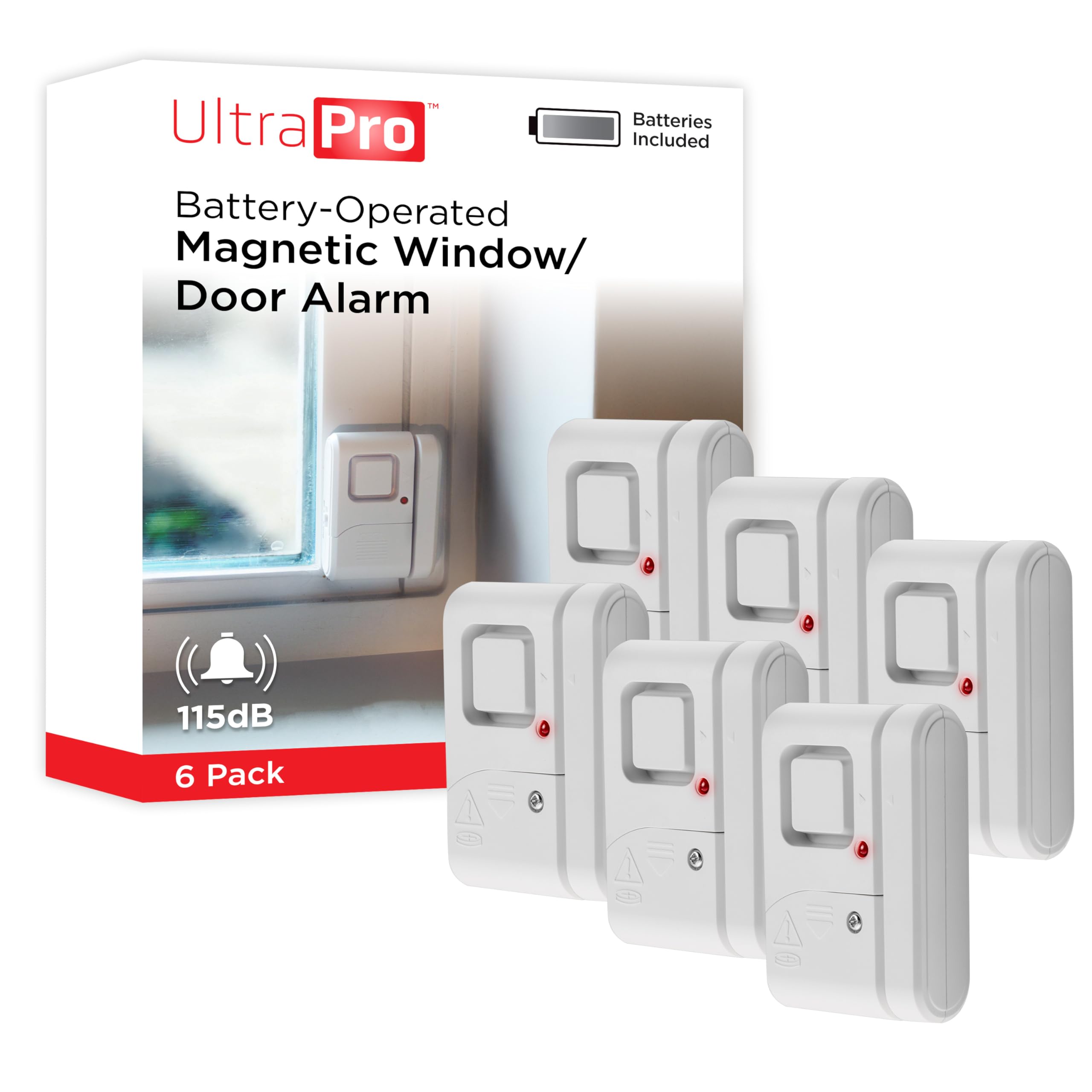
We recommend this six-pack for caregivers who need a simple, loud alert for doors, windows, cabinets, or drawers without monthly fees.
Pros
- Loud alarm and clear chime setting
- Quick, wireless installation
- Six units cover several entry points
Cons
- Tape requires a clean, smooth surface
- The alarm may sound too harsh in quiet homes
- Battery access requires a small Phillips screwdriver
We found the setup simple: attach the alarm and magnet indoors, align them, and select chime or alarm mode. The included tape avoids drilling, which helps when we need a temporary solution in a rental or care setting.
The chime gave us a useful daily alert, while the alarm produced a sharp sound when the sensor separated. We could hear it from another room, making it helpful for noticing nighttime wandering or an opened window.
The six units let us cover more than one doorway. We also found them useful on cabinets and drawers where a caregiver may need extra awareness. However, we would test the tape first on the intended surface and keep spare button batteries available for long-term use.
Philips Window and Door Alarms
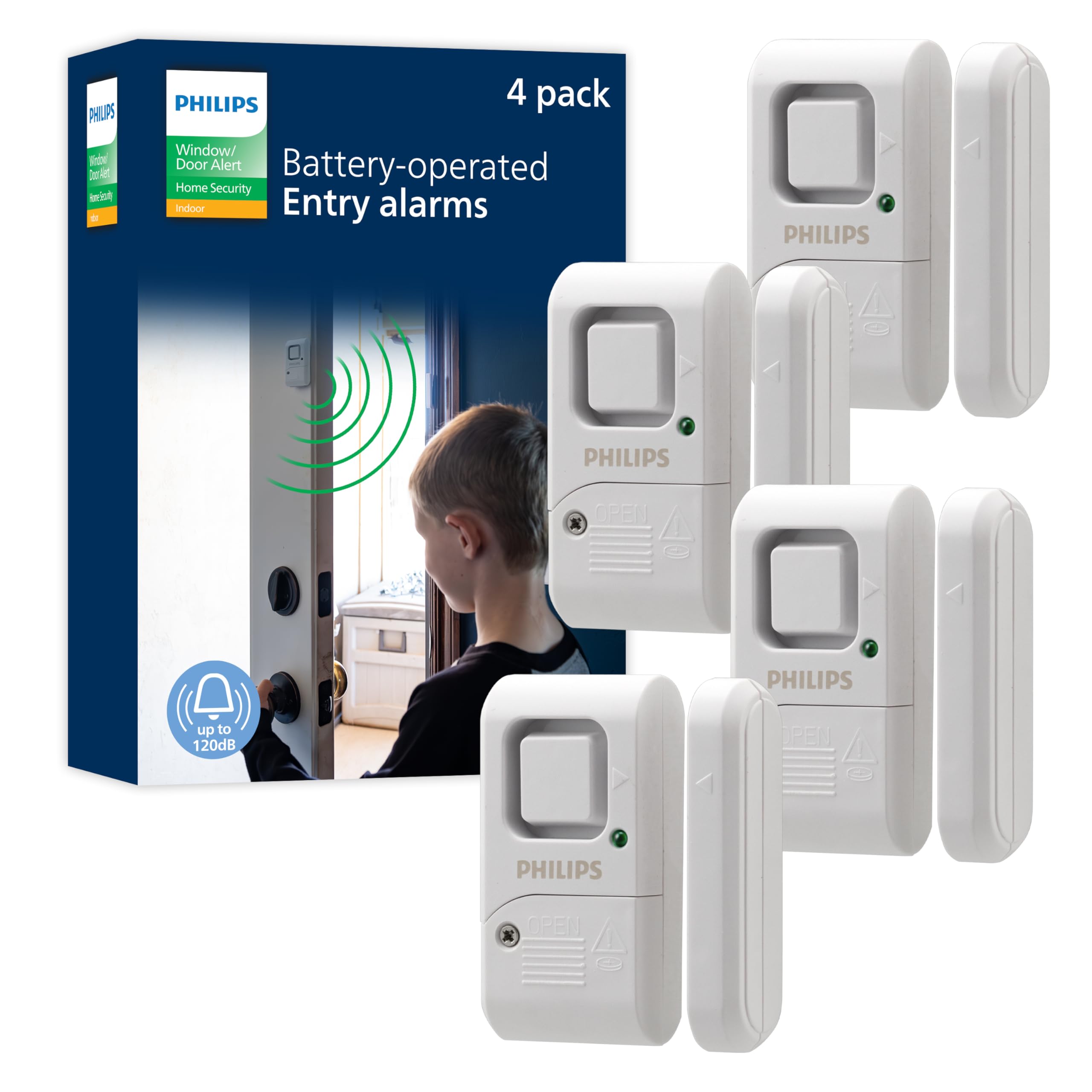
We recommend this affordable four-pack for caregivers who need a simple alert when someone opens a monitored door or window.
Pros
- Loud alarm and optional chime mode
- Fast, wireless installation
- Four alarms provide coverage for several openings
Cons
- The alarm may be too loud for some homes
- Adhesive may need extra support on some surfaces
- Button batteries may require periodic replacement
We found these alarms easy to place on bedroom doors, exterior doors, and windows. The magnetic sensor responds when the opening separates, so we could set them up without wiring or tools. Cleaning the surface first helped the mounting tape hold better.
The alarm is very loud, which helps us notice movement from another room. Caregivers may prefer the chime setting when they want a softer daily alert, while the alarm mode offers a stronger warning when a resident may wander.
Each unit includes batteries and has a test button and low-battery indicator. We would still check the batteries regularly, especially in locations that need dependable coverage. Overall, this pack offers useful protection at a low cost for homes, apartments, and assisted-care settings.
SanJie 5-Pack Window Alarms

We recommend these alarms for caregivers who want a simple, loud alert when someone opens a door or window.
Pros
- Strong alarm with a separate chime setting
- Quick setup with included adhesive strips
- Useful for doors, windows, cabinets, and drawers
Cons
- The alarm can sound too loud for some homes
- Thick trim may prevent proper sensor alignment
- Battery access and mode changes take some practice
We installed the sensors on indoor doors and windows and found the setup straightforward. The adhesive backing made placement fast, but we needed to align the two pieces carefully so the alarm would trigger when the window opened.
The 125-decibel setting provides a clear warning across the home. We also liked the lower alarm and chime modes, which work better when caregivers need notice without a constant, very loud siren.
These sensors can support care for children, older adults, or people who may wander. They do not connect to a monitoring service, so someone must be close enough to hear the alert and respond.
The included LR44 batteries should last for many months with normal use. We would check the indicator light regularly and test each sensor after installation to make sure the battery and magnetic contact still work.
Satisure WiFi Window and Door Alarm

We recommend this alarm for caregivers who want loud local alerts and phone notifications without a monthly fee.
Pros
- Sends quick alerts through the Tuya or Smart Life app
- Offers adjustable volume and different tones for each sensor
- Supports up to 20 sensors for wider home coverage
Cons
- The included adhesive may not hold well on every surface
- Some alert tones sound harsh or repetitive
- The receiver needs a power outlet
We found the setup simple: we plugged in the receiver, attached the sensors, and connected the system to the app. The wireless design works well for windows, doors, refrigerators, and other areas that need monitoring.
The receiver provides several volume levels, including a very loud setting for larger homes. We also liked assigning different tones to sensors, since the sound can identify which entry point opened without checking the phone.
App sharing helps multiple caregivers receive alerts at the same time. The system also remembers its tone and volume settings after a power interruption, which reduces the need to reset it.
The main concern involves the adhesive backing. Some users reported that sensors fell from doors or windows, so we would test the included strips first and use stronger mounting tape if needed. With an average rating of 4.3 stars from 220 reviews, this Satisure alarm offers useful coverage for caregivers who need both in-home and remote alerts.
TECKNET Six-Pack Window Alarms

We recommend this six-pack for caregivers who need simple alerts when someone opens a door or window.
Pros
- Adjustable volume with chime and alarm modes
- Quick sticker installation
- Six units cover several entry points
Cons
- Needs a flat mounting surface
- Requires regular battery checks
- The alarm may not suit homes needing silent notifications
We found the TECKNET alarms easy to place on doors, windows, cabinets, and other openings. The compact white units blend into light-colored frames, while the adhesive backing avoids drilling.
The chime mode works well for routine awareness, such as knowing when a child opens a door. The alarm mode provides a stronger alert for situations that require faster attention. We could also adjust the volume to match the room and time of day.
Caregivers should align each sensor carefully and keep the two parts close together. Molding or uneven trim can prevent proper placement. We would also test every unit after installation and keep spare batteries available.
With six alarms in the pack, this set offers useful coverage for common exit points. It does not connect to a caregiver’s phone or a larger monitoring system, so someone must be close enough to hear the sound.
METAK 5-Pack Window and Door Alarms
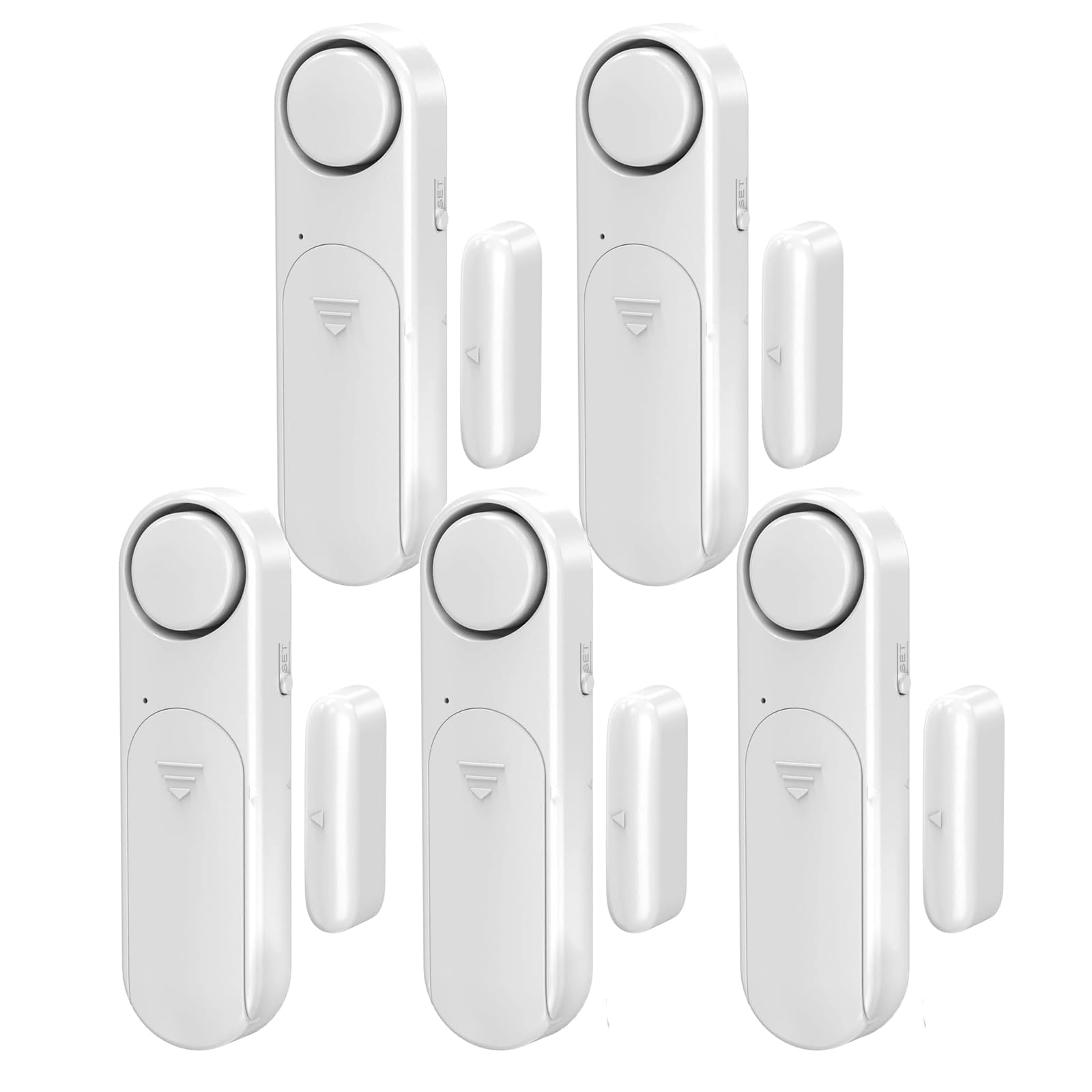
We recommend this pack for caregivers who need simple, loud alerts on several doors or windows without wiring.
Pros
- Quick adhesive installation
- Adjustable 90dB or 120dB alarm
- Useful for monitoring wandering or unsafe areas
Cons
- Batteries are not included
- No remote control support
- A 120dB alarm may feel too loud for some rooms
We found the slim alarms easy to place on doors, windows, cabinets, or other areas that need monitoring. The adhesive backing avoids drilling, which helps when we need a temporary setup or want to protect a rental home.
The alarm gives a strong alert when someone opens the protected entry. We could adjust the volume with the Set button, while the on/off switch made it easy to disable the unit when it was not needed.
For caregivers, the five-pack offers useful coverage for bedrooms, exterior doors, basements, or cabinets with unsafe items. The flashing red light also provides a visual signal and can indicate a low battery.
We would keep spare AAA batteries available and test each alarm after installation. Since the kit does not support a remote control, we would place the units where we can reach their controls easily.
PILSAMAS Caregiver Door and Window Alarm
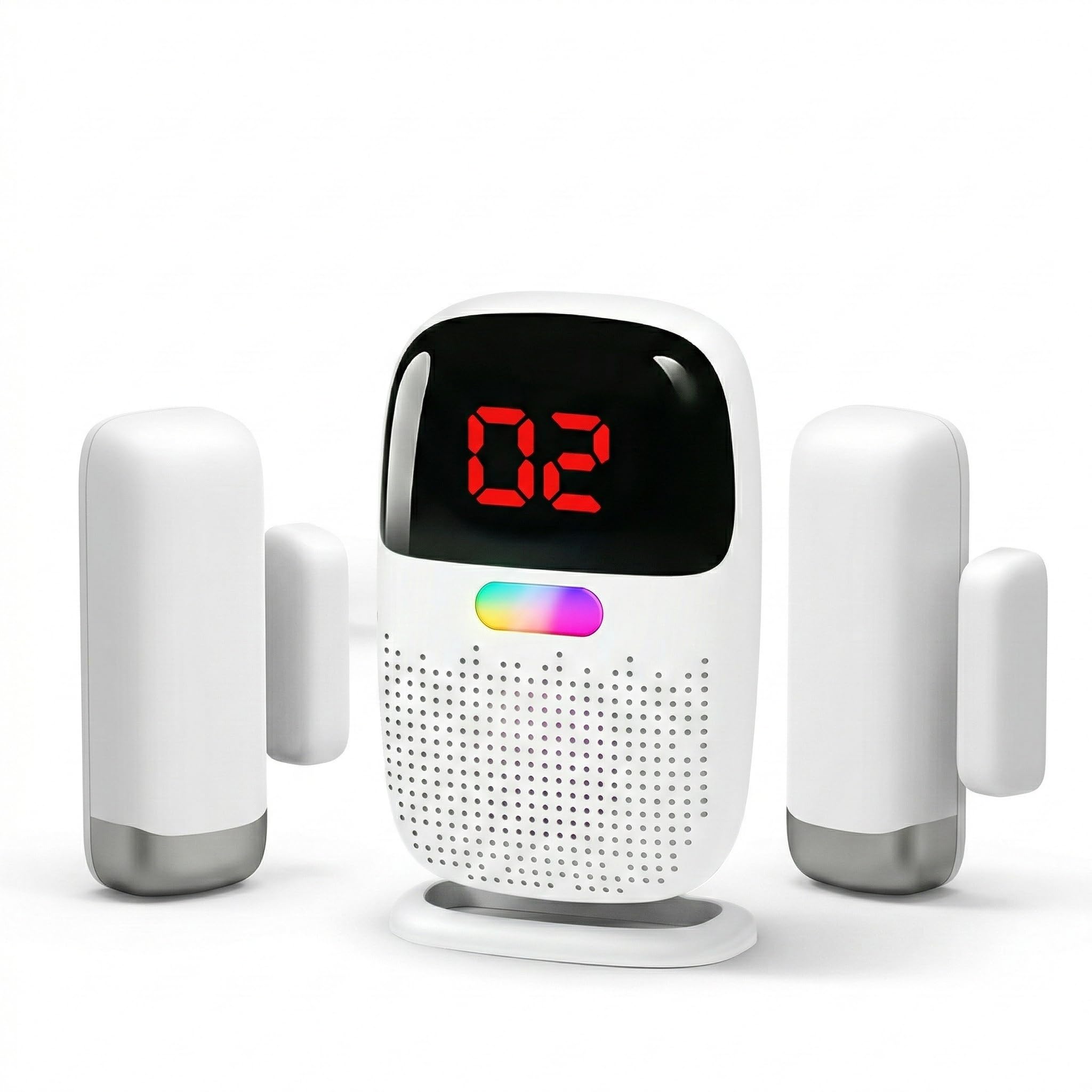
We recommend this system for caregivers who want a portable alert with sound and vibration options, but we suggest testing the pairing and range before relying on it.
Pros
- Rechargeable receiver and sensors reduce battery changes.
- LED display identifies which sensor triggered the alert.
- Sound, vibration, and silent alert modes support different routines.
Cons
- Some users report pairing problems.
- Indoor range can drop because of walls and building materials.
- Installation may take adjustment on unusual door frames.
We found the receiver easy to carry, thanks to its belt clip, and the recessed controls helped prevent accidental button presses. The LED sensor number made it easier to tell which door or window opened without checking each one.
The alert options worked well for different needs. We could choose a loud chime for daytime use or vibration for quieter periods. The system does not use cameras, audio monitoring, or a monthly service fee, which supports privacy.
Setup was simple on standard frames, and the adhesive pads held firmly in testing. However, some door frames may need extra care during installation. We also recommend testing every sensor from the locations where we plan to use them, since indoor range varies.
Most feedback is positive, but a few users could not pair the pager or sensors. We would treat that as an important reliability concern and confirm that all parts communicate correctly before using the system for overnight or unsupervised monitoring.
EVA LOGIK 8-Pack Window Alarm

We recommend this alarm for caregivers who want a simple, loud alert for several windows or glass doors without installing a full security system.
Pros
- Loud alarm quickly grabs attention
- Adjustable sensitivity helps limit false alarms
- Easy, wire-free installation for multiple windows
Cons
- Batteries are not included
- Some units may arrive defective
- Very sensitive settings can trigger from bumps or strong vibrations
We found the adhesive installation quick and convenient. The compact white units stayed unobtrusive on the glass, while the flashing red light and included warning stickers made the security setup more visible.
The vibration sensor worked well during basic testing, but we would adjust the sensitivity before using it around pets, children, or busy areas. The lower setting can help reduce alerts from ordinary window movement, while the higher setting offers earlier detection.
The alarm is loud enough to alert someone in another room, which benefits caregivers who may not remain near a vulnerable window. We would test every unit after installation and keep spare AAA batteries available, since the package does not include them.
TECKNET Window and Door Alarms
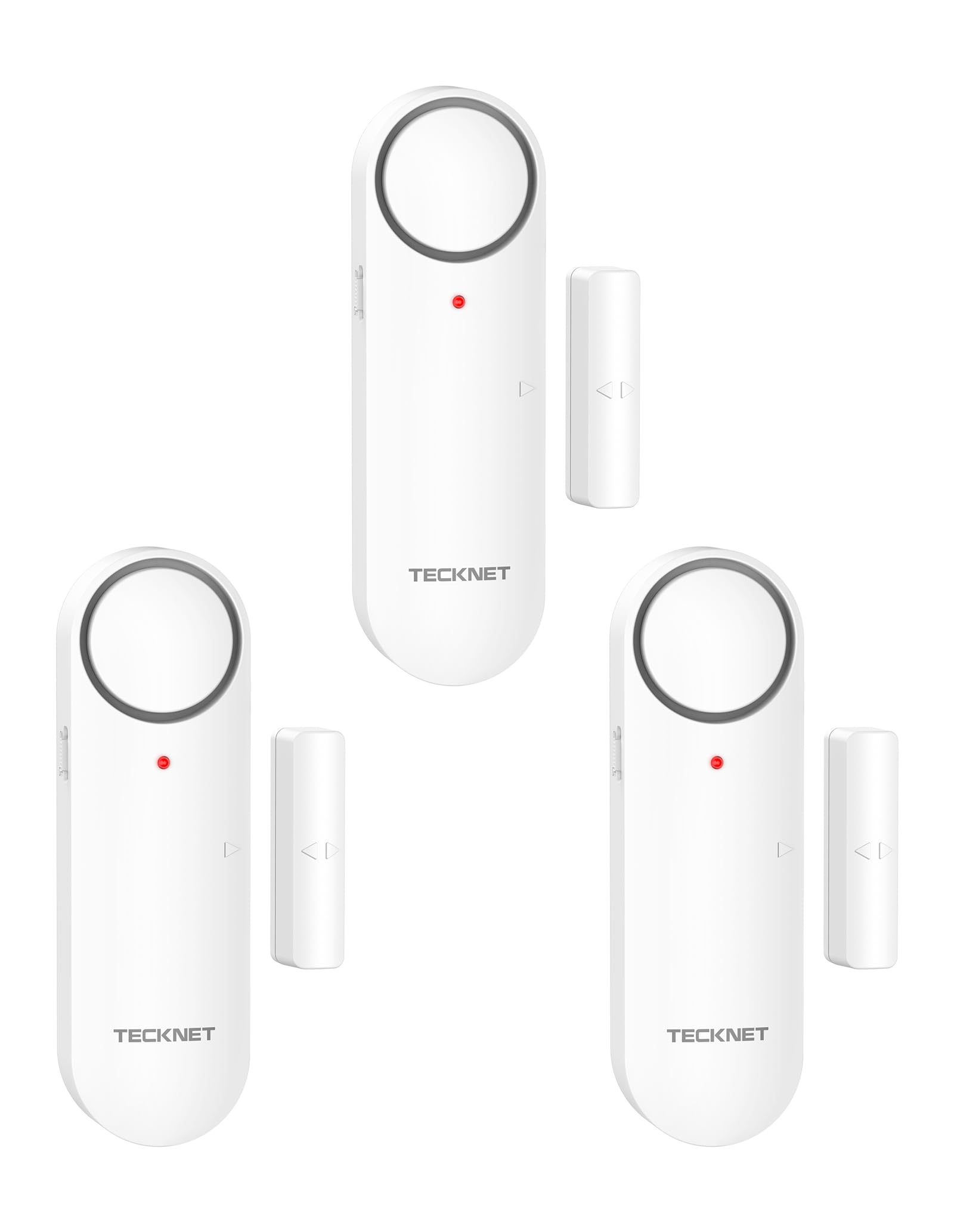
We recommend this three-pack for caregivers who need a simple alert when someone opens a monitored window, door, drawer, or cabinet.
Pros
- Quick switching between alarm and chime modes
- Three volume levels for different rooms
- Peel-and-stick setup with standard AAA batteries
Cons
- The loudest setting may still sound quiet from a distance
- The adhesive may need careful placement
- The alarm provides an alert but does not prevent opening
We found the installation straightforward. After aligning the sensor and magnetic strip with less than a 2 cm gap, we peeled off the backing and mounted each unit. The compact size worked well on doors and windows without drawing much attention.
The alarm mode gives a clear warning when the contact separates. We also liked the chime mode for routine monitoring, such as knowing when someone enters or leaves a room. Holding the volume or mode button makes switching between the two settings simple.
The three volume levels offer some control, but caregivers should test the sound from the areas where they spend time. One user could not hear the tone from only a few feet away, while others found the alarms loud enough. The units use two AAA batteries each, which should be easier to replace than small button cells.
Buying Guide
We should start by identifying the main safety need. A basic alarm may work for a window that must stay closed, while a connected model may better suit caregivers who need alerts when they are away.
| Feature | What we should check |
|---|---|
| Alarm sound | Choose a volume that can be heard from nearby rooms without causing distress. |
| Alert method | Look for options such as app alerts, text messages, or a local chime. |
| Installation | Check whether the alarm uses adhesive, screws, or another mounting method. |
| Power | Review battery type, battery life, and any low-battery warning. |
| Window fit | Confirm that the sensor works with the window style and frame size. |
| Controls | Choose clear buttons and simple settings that caregivers can manage easily. |
We should check whether the alarm detects opening, movement, or both. A contact sensor can monitor a closed window, while a vibration sensor may help detect tampering.
Placement also affects performance. We should select a model that allows the sensor and magnet to align correctly and remain secure during regular window use.
For connected alarms, we should review the required hub, wireless network, app permissions, and service fees. We should also check whether alerts reach more than one caregiver and whether the system continues to provide a local warning if the internet fails.
We should favor products with clear instructions, accessible battery compartments, and a test function. Before relying on an alarm, we should test it from the rooms where caregivers spend time and confirm that alerts arrive as expected.
Editor’s Choice
We choose the GE Personal Security Window and Door Alarm for most caregivers. It has a simple peel-and-stick setup, a loud alarm, and an on/off switch that makes daily use easy.
The alarm works well for windows, doors, cabinets, and other openings. We can use the chime setting for alerts without a constant siren, which helps in homes where noise may cause stress.
| Feature | Details |
|---|---|
| Installation | Adhesive mounting |
| Alert options | Alarm and chime |
| Controls | On/off switch |
| Best use | Basic home monitoring |
We recommend testing the alarm after installation and checking the battery on a regular schedule. The adhesive may not hold well on dusty, damp, or uneven surfaces, so we should clean and dry the area first.
For caregivers who need several alarms, a multipack can provide coverage for bedroom windows, exterior doors, and other areas. We should also explain the alert sound to the person receiving care before using it.
Conclusion
We should choose a window alarm based on the person’s needs, the home layout, and the caregiver’s response plan. A loud local alarm can alert people nearby, while a smart alarm can send notifications to a phone.
We also need to check battery life, setup, volume, and reliability before buying. Sensors should fit securely on the window and remain easy to test.
Caregivers should explain the alarm to the person who uses the room. Regular testing helps us find weak batteries, loose sensors, or changes in the person’s routine. Window alarms work best as one part of a wider home safety plan.
FAQs
Are window alarms useful for caregivers?
Yes. We can use them to alert us when someone opens a window, especially at night or when supervision is limited. They work best as one part of a broader safety plan.
What type of alarm should we choose?
We should look for a loud alarm, simple controls, strong adhesive, and a low-battery warning. Some models also send alerts to a phone, which can help when we are in another room.
Can we use an alarm on any window?
Most alarms work on common sliding, double-hung, and casement windows. We should check the product instructions before using one on a screened, uneven, or unusually shaped window.
Will the alarm damage the window?
Many alarms use adhesive strips and do not require drilling. We should test the adhesive on a small area first and follow the manufacturer’s removal instructions.
How can we prevent false alarms?
We should place the sensor and magnet close together, keep both parts aligned, and test the window after installation. We should also avoid placing the alarm where curtains or nearby objects can hit it.
Do window alarms replace supervision?
No. An alarm may not work during a power, battery, or connection failure. We should check the device regularly and use locks, window guards, or direct supervision when needed.
How often should we test the alarm?
We should test it after installation and at least once a month. Replace the batteries when the low-battery warning appears or according to the maker’s schedule.