
10 Best Fall Detection Devices for Seniors: Top Picks for 2026

Spill-Proof Adult Cup

Toilet Seat Bidet Attachment

Shower Chair for Elderly
Falls are a serious safety concern for many older adults, especially those who live alone or have balance problems. Fall detection devices use sensors, wearable buttons, or connected phones to identify a possible fall and contact a trusted person or emergency service.
Automatic fall detection can provide added protection when someone cannot press a help button. The best device should detect falls reliably, feel comfortable enough for daily use, and provide fast access to help without adding complicated steps. We should also consider battery life, cellular coverage, water resistance, location tracking, setup, and monthly fees before buying.
We compared leading fall detection devices for seniors to find options that balance accurate alerts, comfort, ease of use, and dependable support.
Best Fall Detection Devices for Seniors
We reviewed fall detection devices for seniors based on features, ease of use, response options, and overall value. The products below include reliable choices for different needs, budgets, and levels of support.
Seculife Medical Alert Pendant
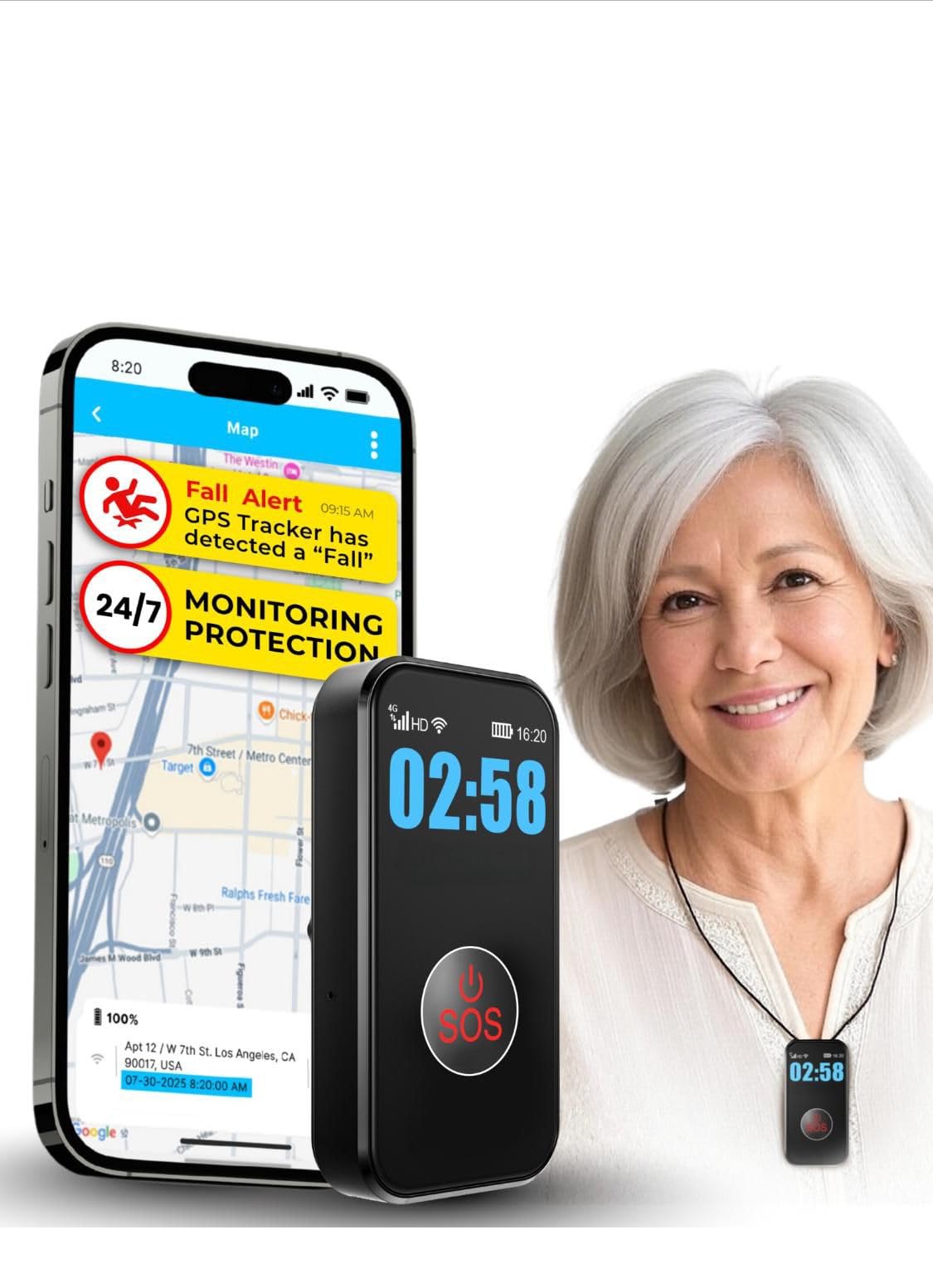
We recommend this pendant for families who want fall alerts, GPS tracking, and direct calls to trusted contacts, but who accept the required $20 monthly subscription.
Pros
- Automatic fall detection and one-touch SOS button
- Two-way calling with hands-free answering
- Waterproof design with GPS and geofence alerts
Cons
- Requires a $20 monthly subscription
- Fall detection may not recognize every fall
- Battery life can vary with tracking use
We found the pendant simple to set up and use. Its large SOS button should work well for seniors who have limited hand strength, while the display shows basic information such as battery and signal status.
The two-way calling feature lets us contact the wearer without requiring a separate phone. We also like that alerts go to selected family contacts instead of relying only on a monitoring center.
GPS tracking adds useful support for caregivers. We can check location history and set safe zones, although cellular coverage and frequent tracking may affect battery life.
The device is rated IP67 for water resistance, so it can stay on during showers and in light rain. Seculife states that the battery can last up to six days under certain tracking settings, but daily use may require more frequent charging.
The main drawback is the ongoing subscription cost. We also recommend testing fall detection at home because automatic systems can miss some falls or trigger alerts after hard movements.
Family First Alert Mini Medical Alert Pendant
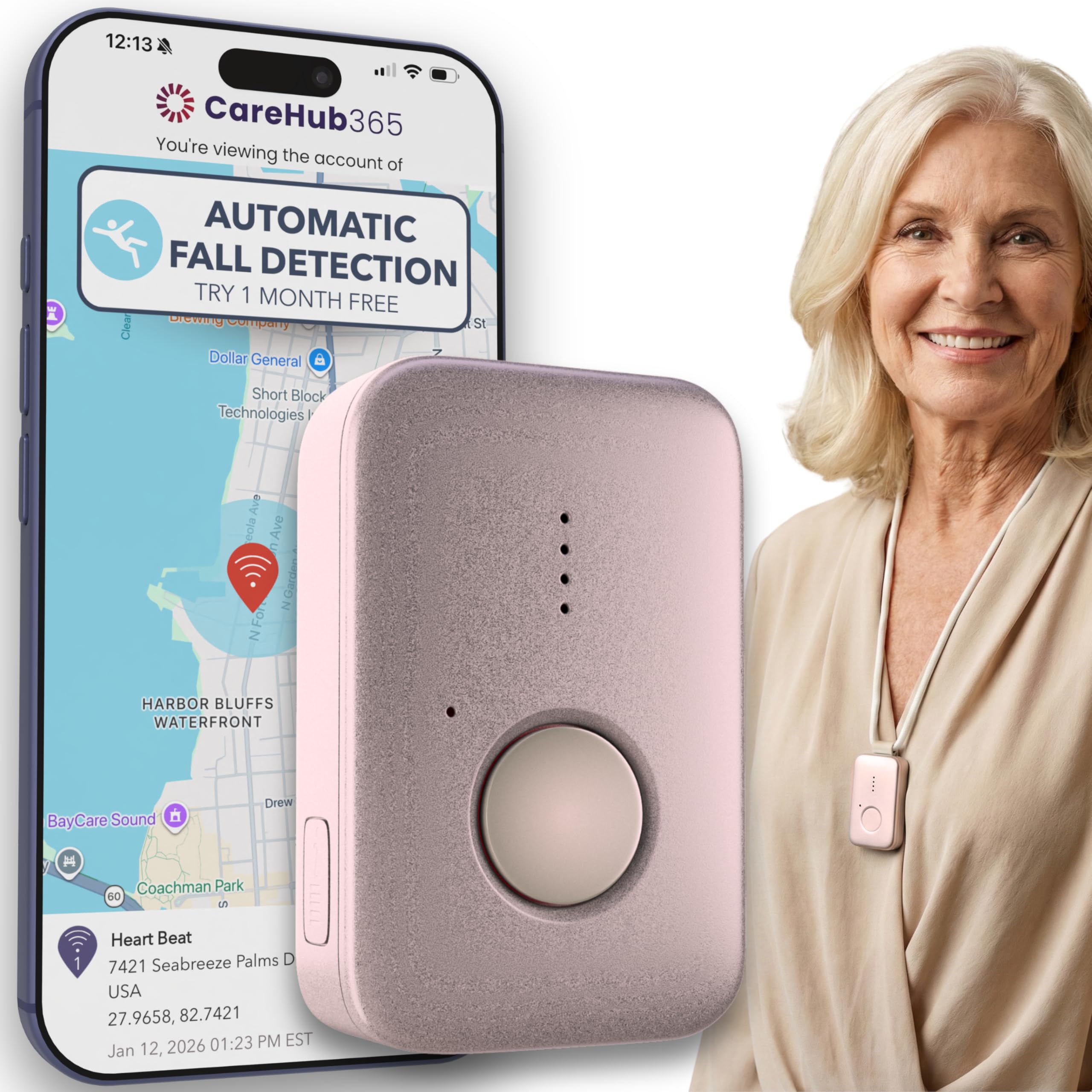
We recommend this pendant for seniors who want 24/7 help, GPS location, and optional fall detection in a small wearable device.
Pros
- Lightweight design with a lanyard and belt clip
- Two-way contact with live emergency operators
- Water-resistant and usable in the shower
Cons
- Fall detection costs an extra $4.99 per month
- Monitoring requires a $39.99 monthly subscription
- Cellular service depends on AT&T or Verizon coverage
We found the pendant simple to activate after contacting Family First Alert. The SOS button connects to a live operator, and the two-way voice feature makes it easier to explain what happened without reaching for a phone.
The device supports nationwide cellular coverage where AT&T or Verizon signals are available. GPS tracking can help operators locate the wearer, which adds useful support for people who spend time outside the home.
We liked the small, lightweight design and the included charging dock. The battery can last up to five days, though we recommend charging it daily. Its water-resistant build allows shower use, but we would still follow the care instructions carefully.
Fall detection is optional rather than included in the base plan. We would confirm the subscription cost, activation steps, and coverage in the user’s area before ordering.
Nomo Smart Care Fall Detection System
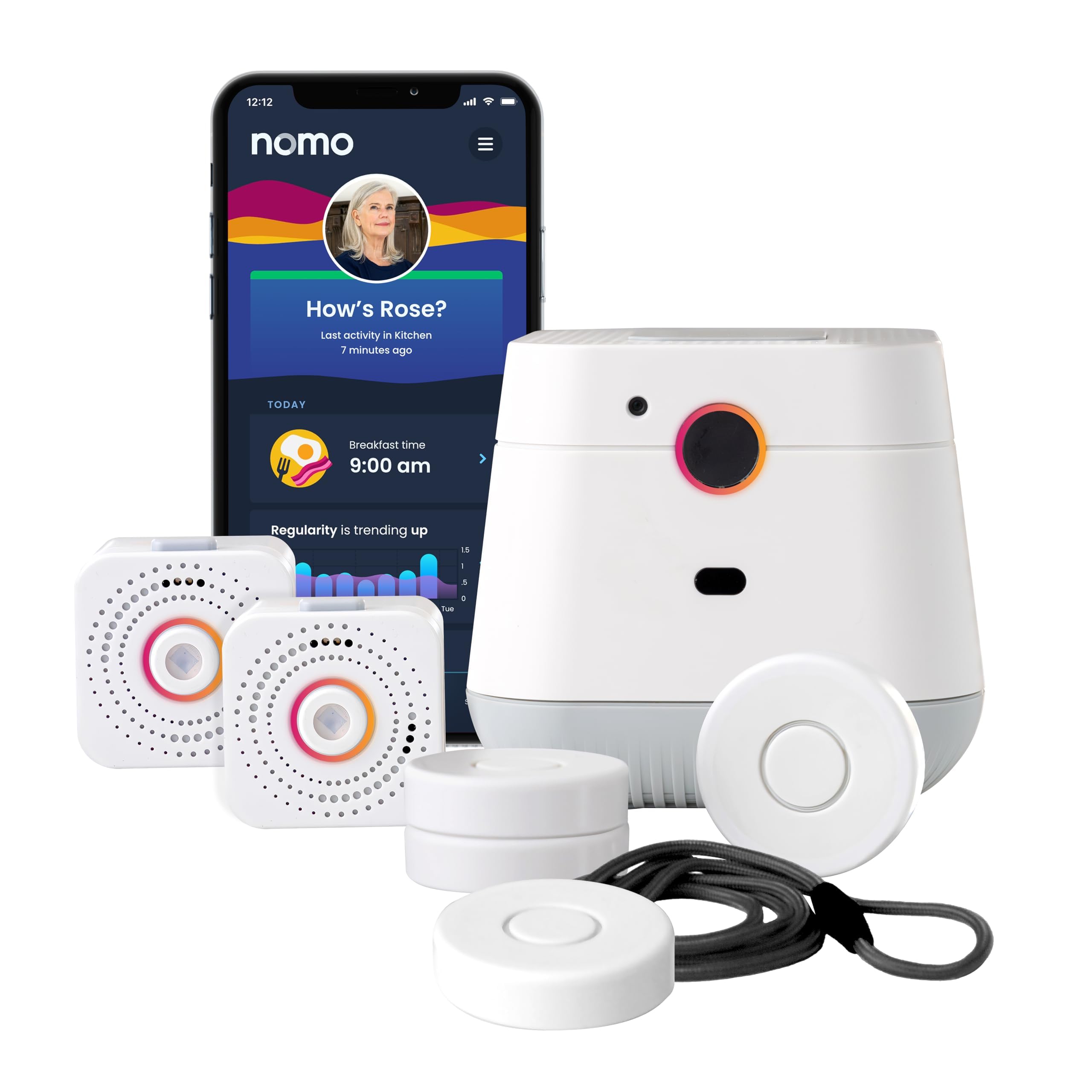
We recommend this camera-free system for families who want in-home monitoring, caregiver alerts, and two-way voice communication, but fall detection may not work reliably in every situation.
Pros
- Covers multiple rooms with motion and sound sensors
- Supports caregiver alerts and two-way voice calls
- Includes a 60-day app and monitoring trial
Cons
- Requires 2.4 GHz Wi-Fi
- Ongoing service costs $19.99 per month after the trial
- Some users report missed or unreliable fall alerts
We found the setup straightforward. We plugged in the Hub and two Satellites, connected them to home Wi-Fi, and placed the Smart Tags on key doors, cabinets, and other items. The camera-free design offers useful monitoring without recording video.
The system tracks activity and can alert caregivers when it notices unusual movement. We also liked the Hub’s two-way voice feature, which lets a senior speak with a caregiver without reaching for a phone. The app gives family members a way to check routines from another location.
Fall detection remains the main concern. Several customer reviews praise the alerts and emergency support, but others report that the system missed falls. We would treat it as an added safety tool rather than a replacement for regular check-ins or a dedicated medical alert device.
The 60-day trial adds value for families who want to test the system at home. Afterward, the monthly monitoring fee applies, so buyers should include that cost in their budget.
321 Alert Mini X2
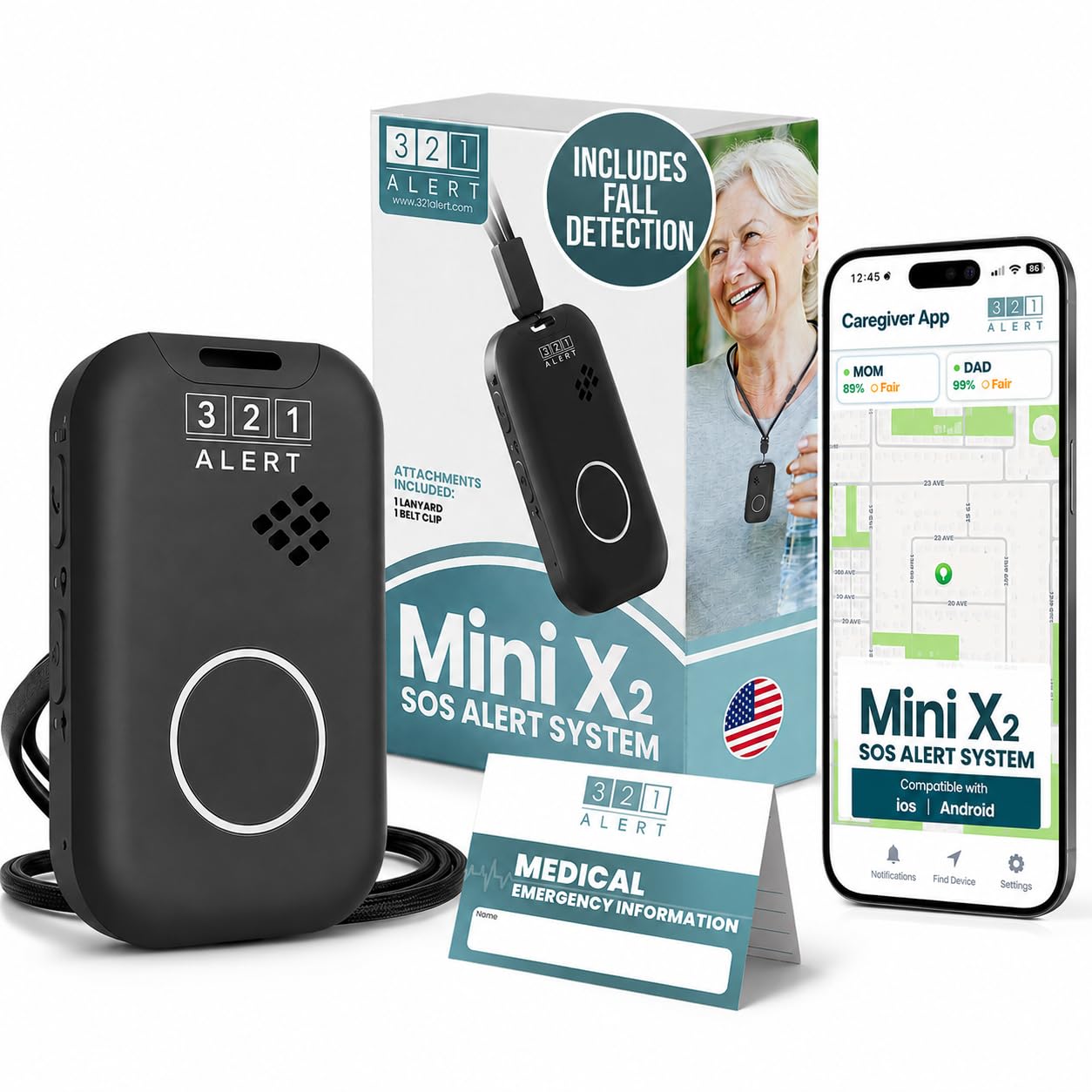
We recommend the 321 Alert Mini X2 for seniors who want mobile fall detection, GPS, and 24/7 monitoring in one wearable device.
Pros
- Automatic fall detection and one-button SOS
- GPS and 4G LTE support for use away from home
- Charging dock includes a bedside help button
Cons
- Fall detection may trigger by mistake
- Battery life depends on use and enabled features
- Setup instructions may take extra time for some seniors
We found the Mini X2 easy to wear as a necklace, and its shape should be manageable for users with limited hand strength. The included lanyard, belt clip, and charging dock give us several ways to keep it nearby.
The device connects to a monitoring center through cellular service, so it does not need a landline or home Wi-Fi. GPS can help share the user’s location, but coverage still depends on the available cellular signal.
Fall detection adds useful backup when a user cannot press the SOS button. We would still explain that automatic detection is not perfect, since some falls may go unnoticed and normal movements can sometimes activate the alarm.
The companion app lets family members check the device, receive alerts, view battery status, and locate it. We also like the dock’s built-in help button for nighttime use. The ongoing monitoring plan starts at $34.99 per month, so buyers should include that cost in their budget.
Seculife SOS Fall Detection Wristband
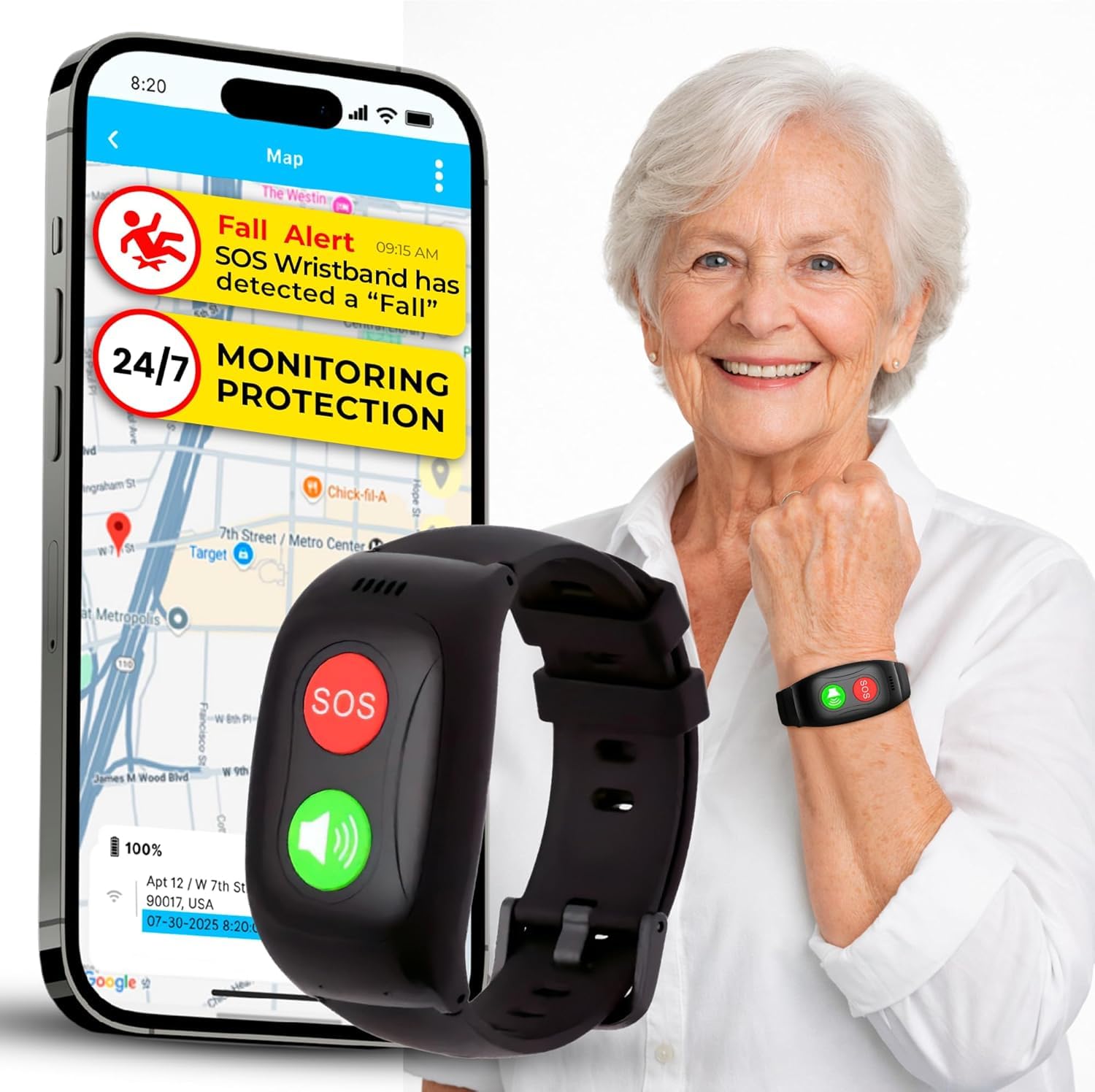
We recommend this wristband for families who want GPS tracking and direct alerts, but the required $25 monthly plan and mixed support reviews may be drawbacks.
Pros
- Simple SOS button and two-way calling
- GPS tracking with geofence alerts
- Lightweight, screen-free, splash-resistant design
Cons
- Requires a $25 monthly subscription
- Battery life is rated at about one day
- Some users reported setup and support problems
We found the wristband easy to understand because it has no screen or complex menus. The wearer can press the SOS button to contact preset family members, while the device also supports automatic fall alerts.
GPS tracking adds useful peace of mind for seniors who go out alone. We could also set safe zones and receive alerts when the wearer entered or left those areas through the companion app.
The two-way speakerphone worked for hands-free calls, and the wristband’s IP67 rating supports use during handwashing, rain, and splashes. However, the battery needs frequent charging, and the cellular service depends on an active subscription.
Customer feedback is mixed, with a 3.3-star average from 27 ratings. We would consider it for families comfortable managing a monthly plan, but we would test fall alerts, calling, charging, and support soon after setup.
Seculife S16 Medical Alert Smartband
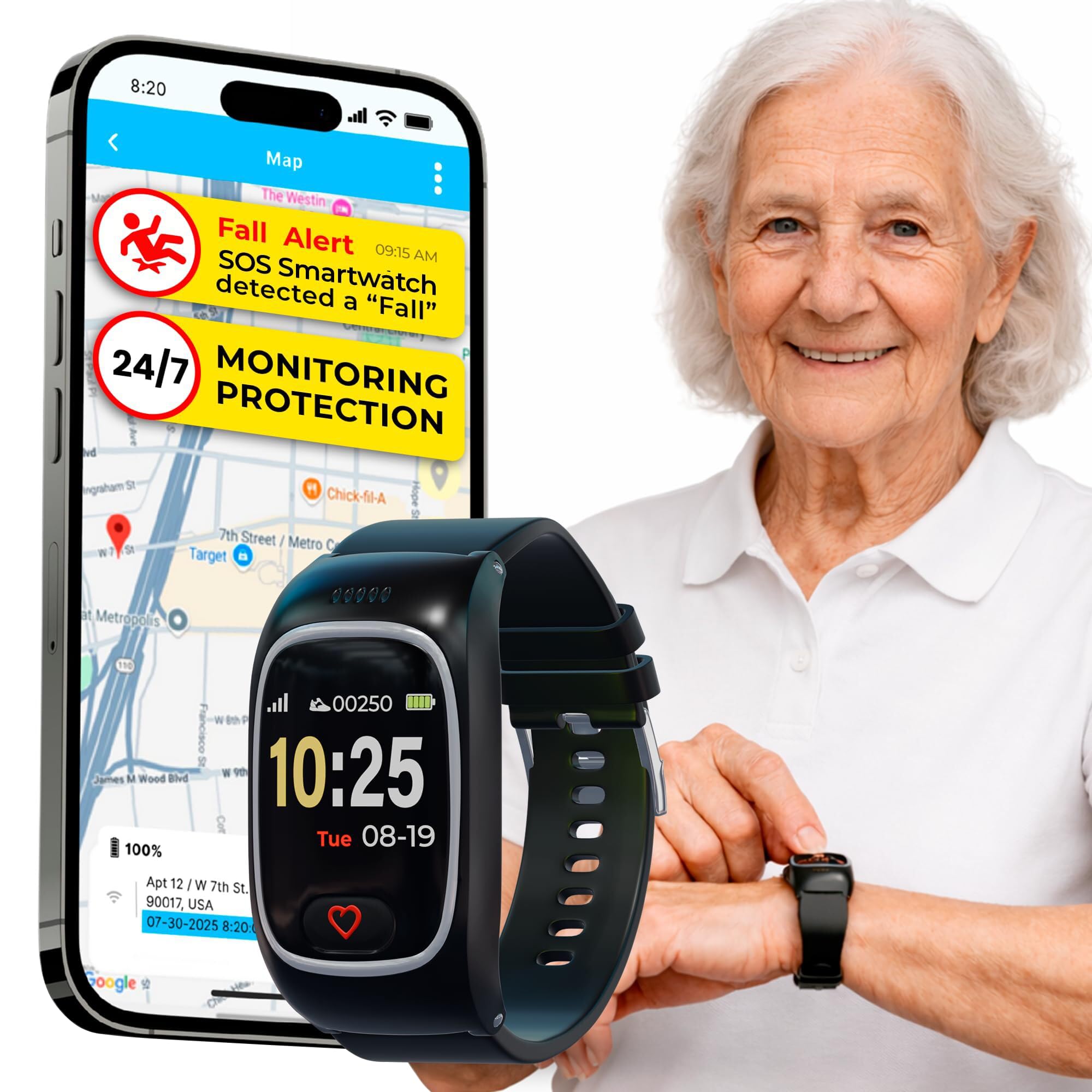
We recommend the Seculife S16 for families who want fall alerts, GPS tracking, and two-way calling in one wearable, but its monthly fee and mixed reliability require careful consideration.
Pros
- Large SOS button and simple touchscreen
- GPS tracking with geofence alerts
- Two-way calling and automatic answering
Cons
- Requires a subscription starting at about $25 per month
- Battery life lasts about one day
- Some users report false alerts and delayed location updates
During setup, we found the large SOS button easy to identify. Holding it for three seconds starts an emergency call to selected contacts, while approved callers can connect through the watch without requiring the wearer to answer manually.
The S16 also combines fall detection with GPS tracking and geofencing. These tools may help families monitor someone who wanders, but user reports mention inaccurate locations and delays. We would test the tracking in familiar areas before relying on it for safety.
The watch feels suited to basic daily use, and its IP67 water resistance helps with splashes. However, the one-day battery requires regular charging. Some owners also report loud alerts, missing health data, and false fall alarms, so we would treat its heart rate, blood oxygen, and temperature readings as helpful reference data rather than medical measurements.
CallToU Wireless Caregiver Pager
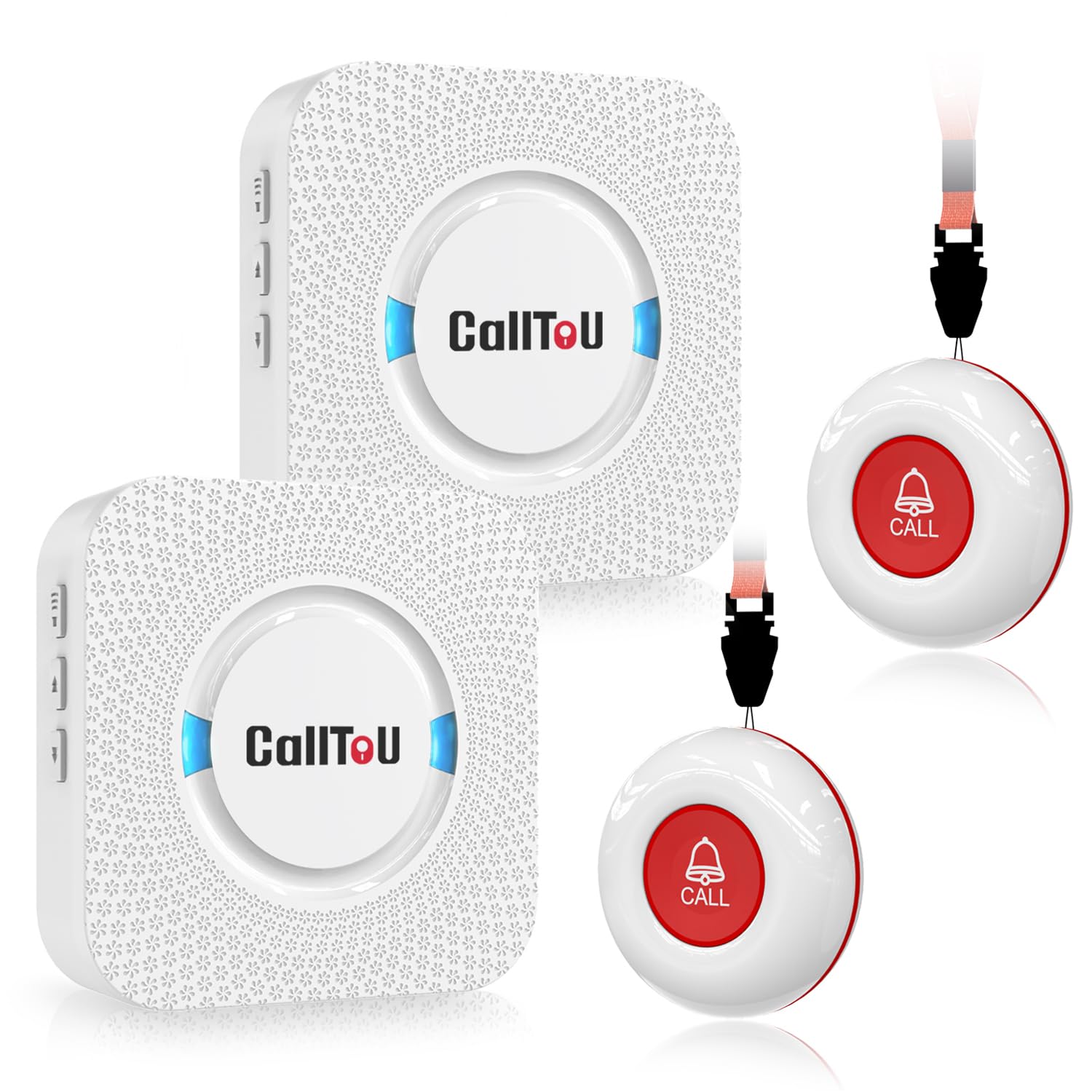
We recommend this pager for households that need a simple way to call for help, but it does not detect falls automatically.
Pros
- Loud, adjustable alerts
- Two buttons and two receivers
- Waterproof call buttons
Cons
- Requires the user to press the button
- Receivers need nearby outlets
- No app or emergency monitoring
We found the setup simple: plug in each receiver, pair the buttons, and choose a ringtone and volume. The two receivers made it easier to hear alerts in different parts of the home.
The call buttons felt practical for daily use. We could wear one as a pendant or place it near a bed or chair. Their water-resistant design also suits bathrooms, though users should still test the system after installation.
The signal worked well across a large home, but walls and building materials can affect its range. We would test every room where help might be needed before relying on it.
This device sends an alert only when someone presses the button. It cannot sense a fall or contact emergency services, so it works best as a basic in-home caregiver alert rather than a complete fall detection system.
Connected Caregiver Safety+ 4G Medical Alert
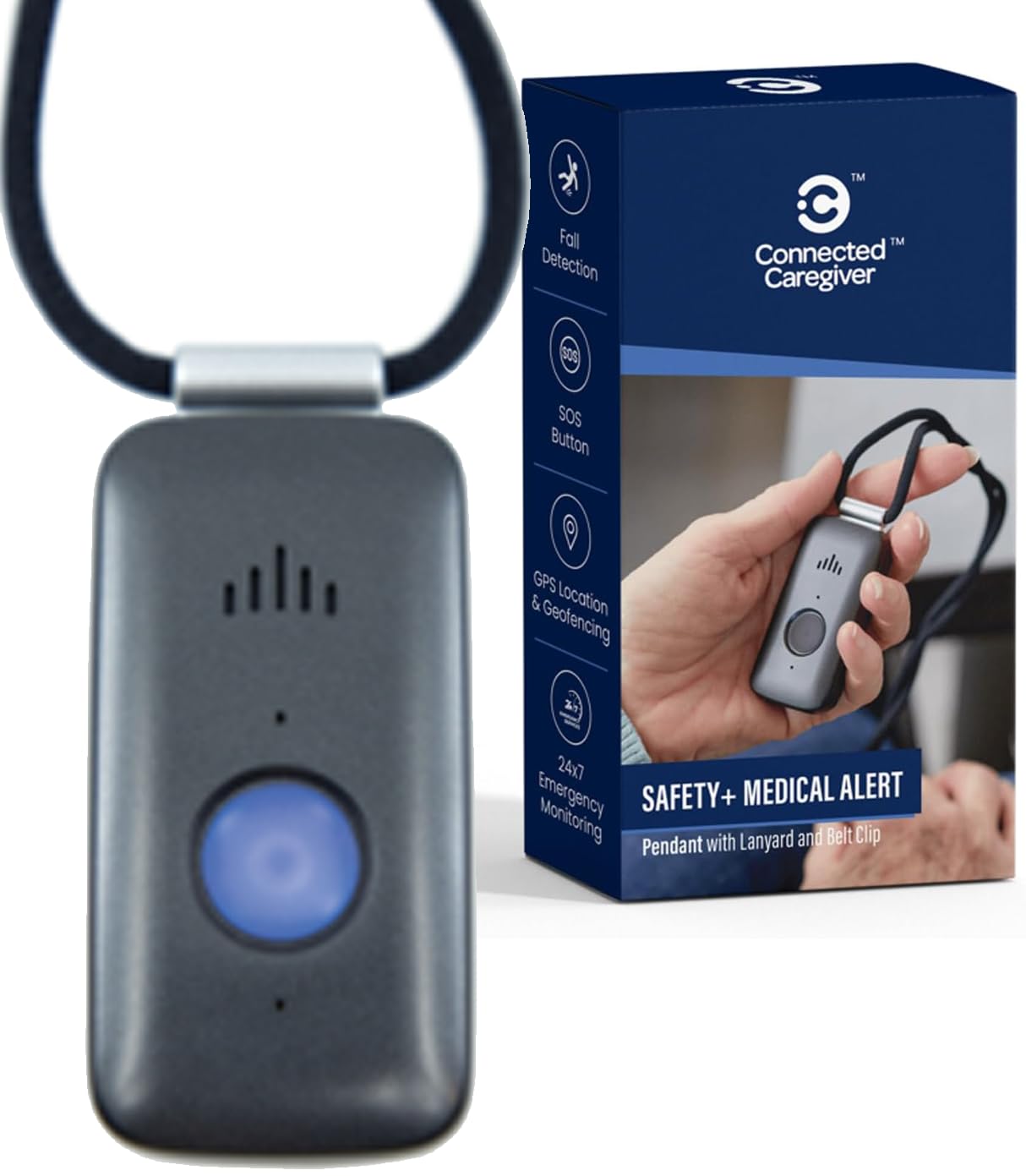
We recommend this device for seniors who want fall detection, GPS, and 24/7 monitoring without needing a smartphone, but buyers should review the service terms before activating it.
Pros
- Fall detection and emergency monitoring work at home or away.
- GPS, activity tracking, and alerts support family caregivers.
- The water-resistant design offers flexible wear options.
Cons
- The service costs $40 per month after the first month.
- Some users report activation and billing concerns.
- Battery performance may vary from the advertised maximum.
During testing, we found the device easy to wear with either the lanyard or belt clip. The built-in speaker and microphone allow users to speak with a monitoring operator after pressing the help button or triggering a possible fall.
The cellular connection means we did not need to pair the device with a phone or arrange a separate mobile plan. GPS tracking and the caregiver app can help family members check location, battery status, activity, and emergency alerts.
We liked the water-resistant design for daily use, including showers and outdoor activities. However, battery claims vary across the product information, so we would charge it regularly rather than rely only on the longest stated runtime.
Activation requires a call, and the included first month does not mean the service stays free. Because some customer reviews mention contract and billing issues, we recommend reading the current terms carefully before subscribing.
PILSAMAS WiFi Caregiver Pager
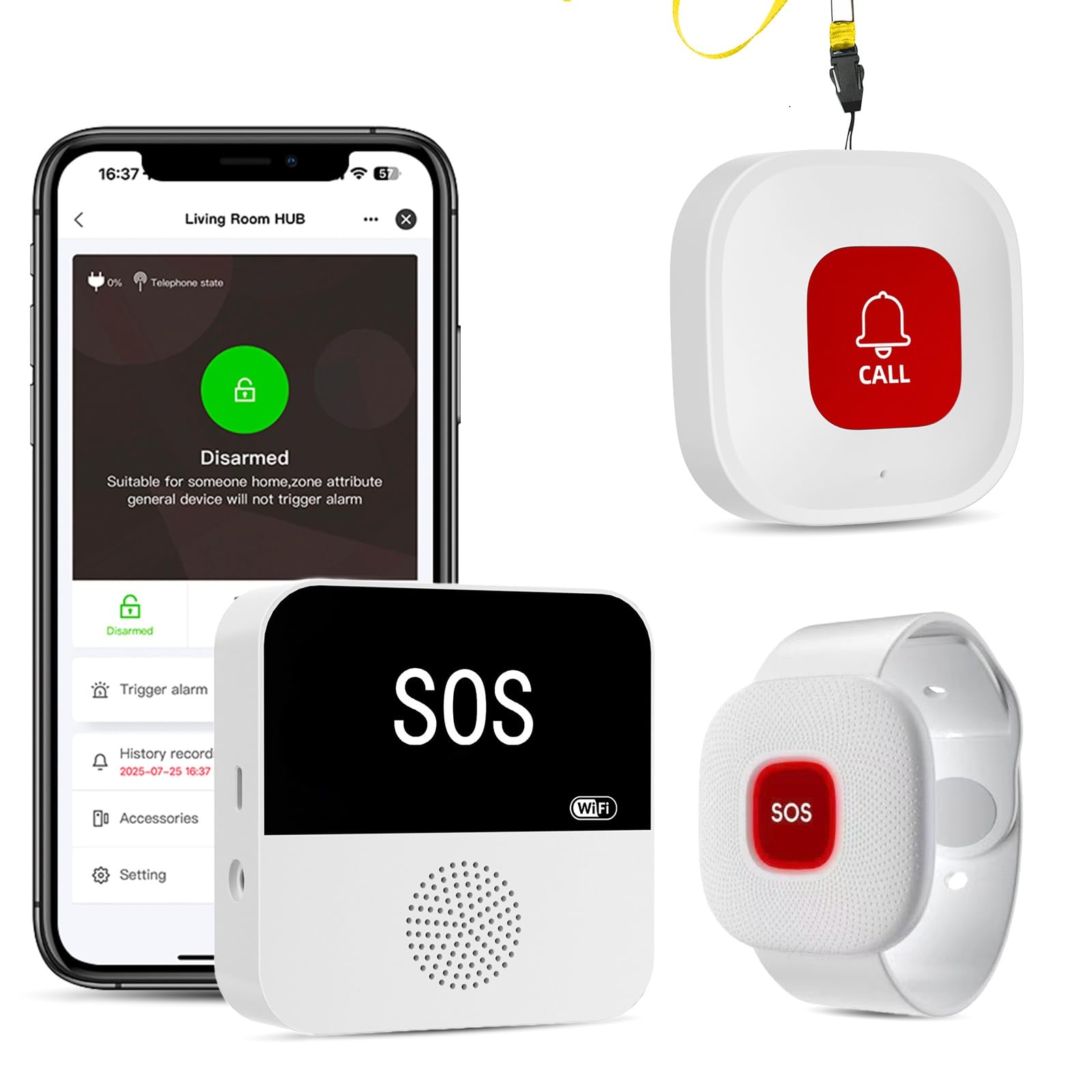
We recommend this system for caregivers who want local alerts and app notifications without a required monthly fee.
Pros
- Loud receiver with adjustable volume and alert tones
- Waterproof buttons suit bathrooms and kitchens
- Free app supports shared alerts and alert history
Cons
- Setup requires a 2.4 GHz Wi-Fi network
- The receiver needs a USB power connection
- The wearable button may trigger false alarms if it rubs against objects
During testing, we found the large call buttons easy to press. The wristband felt practical for daily use, while the neck-worn button offered another placement option. The waterproof design also makes the system useful near sinks, showers, and tubs.
The hub produced a loud alarm that was easy to hear from nearby rooms. We could assign different tones to each button, which helped identify who needed help without checking the phone first.
App setup worked well after connecting to a 2.4 GHz network. The system does not use 5 GHz Wi-Fi, so some homes may need to adjust their router settings. The free app sends alerts to shared caregivers, but text messages, calls, and emails require an optional paid plan.
The neck-worn button felt overly sensitive during use and could activate when it brushed against furniture or clothing. We also found that the receiver must stay plugged in, which limits placement during power outages or in rooms without a nearby outlet.
Nesthao Bed Sensor Alarm

We recommend this affordable alarm for caregivers who need a simple way to know when a senior gets out of bed or leaves a room.
Pros
- Detects movement near a bed or doorway
- Sends alerts to a separate caregiver pager
- Offers adjustable volume and battery or USB power
Cons
- Needs testing and positioning for reliable detection
- May require pairing again after being turned off
- Covers one monitored area with its included sensor
We found setup straightforward. We placed the motion sensor on the floor near the bed, tested its range, and adjusted its direction before securing it. The sensor starts with a short self-test, so it does not work immediately after power-up.
The pager lets us receive alerts from another room without making a loud sound beside the sleeper. Its five volume levels helped us choose a setting that we could hear without creating unnecessary noise.
The sensor worked well for monitoring nighttime movement and helped avoid some problems linked to traditional bed pads, such as shifting or moisture. Still, placement matters, and we would test it several times before relying on it.
The system includes one sensor and one pager. Its wireless range reaches up to 918 feet in open space, but walls and other obstacles can reduce that distance. We also noticed that the unit may need to pair again after being switched off and back on.
Buying Guide
We should choose a fall detection device based on the user’s health, home layout, and daily routine. A device should feel comfortable enough for regular use and remain easy to operate during an emergency.
| Feature | What to check |
|---|---|
| Automatic detection | Look for sensors that can identify possible falls without requiring the user to press a button. |
| Manual help button | Choose an easy-to-reach button with clear controls. |
| Two-way communication | Check whether the user can speak with a trained responder through the device. |
| Coverage | Confirm the signal works throughout the home and in outdoor areas the user visits. |
| Battery life | Review battery duration, charging needs, and low-battery alerts. |
| Water resistance | A water-resistant device can support use in bathrooms and during bathing, where falls may occur. |
| Wearability | Compare pendants, watches, belt clips, and other designs to find a comfortable fit. |
| Setup | Favor simple installation and clear instructions, especially if the user lives alone. |
| Costs | Check equipment fees, monthly service charges, activation fees, and cancellation terms. |
We should also review the device’s response process. Confirm who receives alerts, how emergency contacts are reached, and whether location information is available when the user needs help outside the home.
Privacy matters as well. We should read the provider’s policy to learn what data the device collects, how it stores that data, and who can access it.
Editor’s Choice
We choose the Medical Guardian MGMove as our editor’s pick for seniors who want fall detection with flexible support options. Its wearable design resembles a smartwatch, and users can add automatic fall detection to eligible plans.
The device offers two-way voice communication, GPS location tracking, and access to a 24/7 monitoring center. We also value its large display and simple controls, which can help seniors use key features without a smartphone.
| Feature | Details |
|---|---|
| Wearable style | Smartwatch-style design |
| Fall detection | Available with select plans |
| Communication | Two-way voice |
| Location support | GPS tracking |
| Monitoring | 24/7 professional response |
Automatic fall detection can miss some falls, especially when the device does not make firm contact with the user’s body. We recommend treating it as a backup and pressing the help button whenever possible.
Pricing, coverage, battery life, and fall detection availability can change by plan and location. We suggest checking the current terms before ordering and choosing the option that fits the senior’s daily routine.
Conclusion
We should choose a fall detection device based on the user’s health needs, daily routine, and comfort with technology. A wearable with automatic fall detection can provide added support, while a monitored medical alert system may offer faster access to trained help.
We should also check practical details before buying. Look for:
- Reliable cellular or Wi-Fi coverage
- A comfortable, water-resistant design
- Long battery life
- Clear emergency instructions
- 24/7 professional monitoring, if needed
- Simple setup and easy testing
No device can detect every fall or replace regular safety planning. We can improve protection by removing trip hazards, adding better lighting, keeping phones within reach, and reviewing the device’s alerts with family members or caregivers.
The best choice is the device that the senior will wear and use consistently. We should test it at home, confirm that emergency contacts receive alerts, and review the service plan before making a long-term commitment.
FAQs
How do fall detection devices work?
Most devices use motion sensors to detect a sudden change in movement, followed by little or no activity. Some models also let us press an emergency button when we need help.
Do automatic alerts always detect a fall?
No. Detection can fail if the device does not fit correctly, the fall happens slowly, or the person remains active afterward. We should treat automatic detection as a backup, not a guarantee.
Should we choose a pendant, wrist device, or smartwatch?
A pendant may work well for people who want a simple emergency button. A wrist device or smartwatch may suit those who already wear a watch and want extra health features. We should choose the option the user will wear consistently.
Does the device need a phone or home internet?
Some devices connect through a home base station, while others use cellular service and work away from home. We should check coverage, subscription fees, and battery life before buying.
Who receives the emergency alert?
Depending on the plan, alerts may go to a professional monitoring center, family members, or both. We should confirm who responds and whether the service operates in the user’s area.
How do we test a device safely?
We can follow the manufacturer’s test instructions and tell contacts before testing. We should never stage a hard fall or test on a dangerous surface.
