
10 Best Carbon Monoxide Detectors for Seniors: Safe and Reliable Choices


Folding Walking Cane

Electric Recliner Lift Chair

GPS Tracker for Elderly
Carbon monoxide is an odorless, colorless gas that can cause serious harm before anyone notices it. A carbon monoxide detector monitors the air and sounds an alarm when levels become dangerous, adding an important layer of protection in homes where older adults may live alone or have hearing, vision, or mobility concerns.
For seniors, the best detectors are simple to read, easy to test, and loud enough to hear from nearby rooms. Look for clear alerts, a bright display, large controls, battery or backup power, and simple maintenance. We evaluated carbon monoxide detectors with these needs in mind to help identify the models that provide dependable protection with the least effort.
Best Carbon Monoxide Detectors for Seniors
We reviewed carbon monoxide detectors for clear alerts, simple controls, and reliable operation. Our list highlights models that can help seniors monitor indoor air quality with less effort.
Kidde COBDL10 Carbon Monoxide Detector
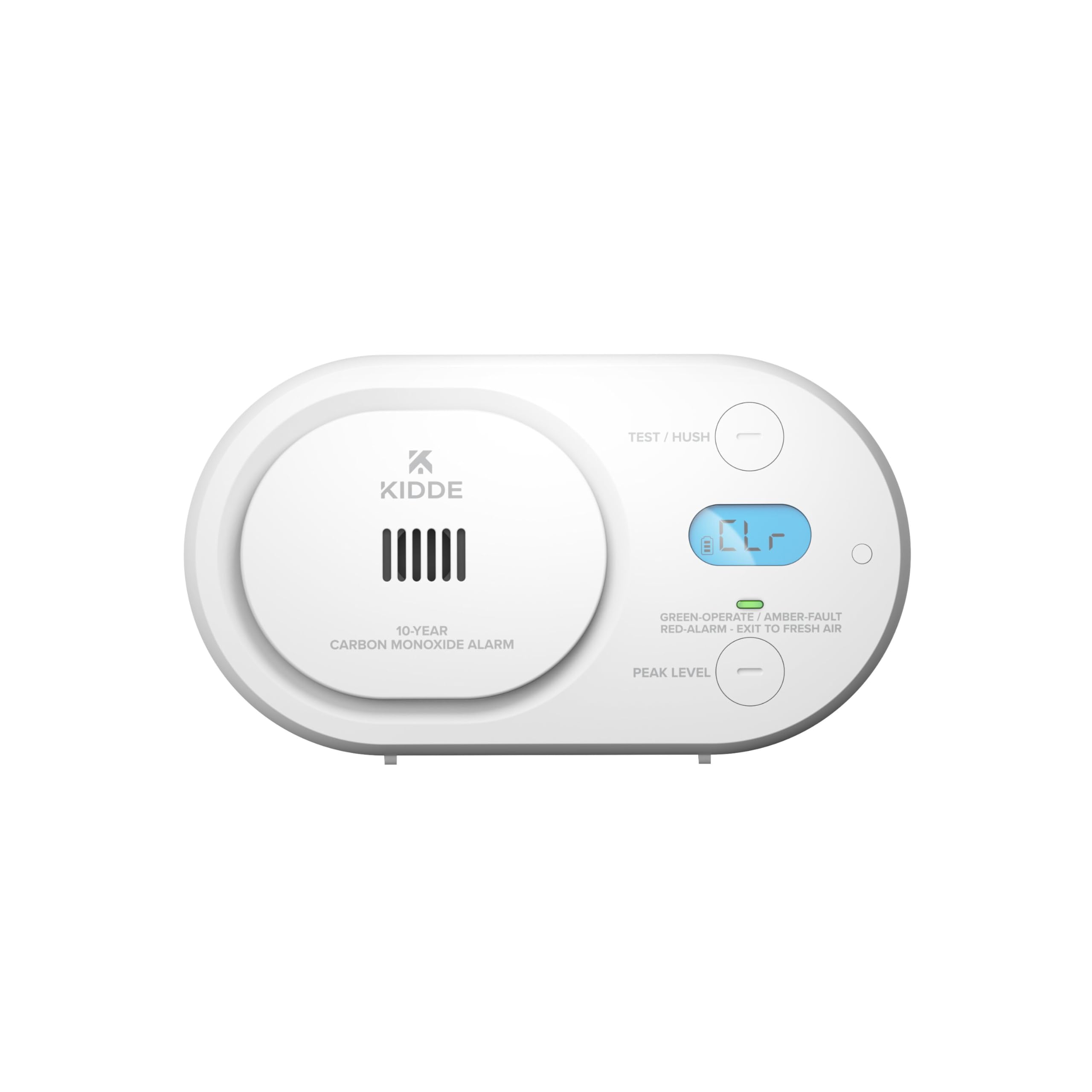
We recommend this detector for seniors who want clear alerts, a backlit display, and no battery changes for up to 10 years.
Pros
- Low-level alerts may provide earlier warning
- Backlit display and status lights are easy to read
- Sealed battery avoids routine replacements
Cons
- Costs more than basic CO alarms
- The display may be small for some users
- It does not connect to a phone or monitoring service
We found the COBDL10 simple to set up on a wall or place on a table. Its compact design works well near a bedroom, furnace area, or other suitable location.
The backlit screen makes it easier to check the current status in dim light. The 85-decibel alarm is loud, while the test and hush button gives us a quick way to check the unit or silence an alert when conditions are safe.
Its low-level detection feature adds useful awareness for homes with older adults, children, or pets. We also liked the peak-level memory, which shows the highest detected CO reading since the last reset.
The main tradeoff is the higher price compared with standard detectors. Since the battery is sealed, we must replace the entire alarm when it reaches the end of its service life.
Kidde Portable CO Detector

We recommend this Kidde detector for seniors who want simple battery power, clear status lights, and a portable design for home or travel.
Pros
- Easy setup without wiring or an outlet
- Bright power and alarm indicators
- Portable for cabins, campers, hotels, and travel
Cons
- Requires regular AA battery checks
- Basic design lacks a digital CO display
- The alarm may be difficult for people with hearing loss to notice
We found the detector easy to place on a wall or tabletop. Its battery-powered design also keeps it working during a power outage, which adds useful protection in bedrooms, hallways, cabins, and other areas.
The green light shows that the unit has power, while the red light flashes during an alarm. The test-reset button lets us check the alarm and temporarily silence a low-battery chirp, although seniors may still need help replacing the batteries.
Its compact body fits well in a suitcase or small travel bag. We also like the event memory feature, which can show whether the detector recently sensed carbon monoxide or underwent a test.
The 85-decibel alarm sounds loud in a quiet room, but people with hearing loss should use an additional safety method, such as a connected alarm or a visual alert system. We should install CO detectors near sleeping areas and on each level of the home.
First Alert CO606 Plug-In Carbon Monoxide Alarm

We recommend this alarm for seniors who want simple plug-in protection with battery backup and no display or complex settings.
Pros
- Plugs into a standard outlet without wall mounting
- Battery backup keeps monitoring during power outages
- Large test and silence button feels easy to use
Cons
- It does not show carbon monoxide levels
- The alarm can block nearby outlet space
- The instruction manual may feel crowded and confusing
We found the First Alert CO606 quick to set up. We plugged it into an outlet, installed the backup battery, and used the single button to test the alarm. This simple design works well for seniors who prefer fewer controls.
The backup battery adds useful protection during outages. We also liked the end-of-life warning, which helps us remember when to replace the unit. Its loud alarm should be easy to hear from nearby rooms.
The main drawback is the lack of a screen. We cannot check carbon monoxide readings or battery status at a glance. The unit also needs placement on every home level and near sleeping areas for broader coverage.
Kidde Battery CO Alarm

We recommend this Kidde alarm for seniors who want simple installation, clear alerts, and battery backup during power outages.
Pros
- Easy wall or tabletop setup
- Bright status lights and loud alarm
- Test button and low-battery warning
Cons
- The small display may be hard to read
- Batteries need regular replacement
- No voice alerts
We found the setup straightforward because the unit needs no wiring. Its battery power also keeps it working during outages, which adds useful protection for homes with older adults.
The green light shows normal operation, while the red light flashes during an alarm. The 85-decibel siren sounds strong, but seniors with hearing loss may still need a secondary alert system.
The test-reset button makes routine checks simple. We also liked the peak-level memory, which can show whether the detector recorded carbon monoxide since the last reset.
This model works on a wall or tabletop, so we could place it where the display and lights were easy to see. However, the compact screen may not suit users with limited vision, and the unit does not provide spoken instructions.
Kidde Plug-In Gas and Carbon Monoxide Alarm

We recommend this Kidde alarm for seniors who want a clear display, simple setup, and backup protection during power outages.
Pros
- Plugs into a standard wall outlet for easy setup
- Shows carbon monoxide levels on a digital display
- Detects carbon monoxide and several explosive gases
Cons
- Larger than some plug-in alarms
- Requires a nearby outlet
- The loud alarm may be difficult to silence quickly
We found the plug-in design easy to use because it needs no wiring or mounting. The included 9-volt battery adds protection if the power fails, which makes it a practical choice for bedrooms, hallways, and living areas.
The digital display helps us check readings at a glance. It shows the detected carbon monoxide level and displays “GAS” when it senses an explosive gas. Peak memory also records the last detected level, giving us useful information after an alarm or test.
The 85-decibel alarm should be easy to hear, while the Smart-Hush button can silence an alert for about eight minutes. Its size may feel bulky in a small room, and some outlets may not provide enough space for the unit and another plug. An extension cord is included for shelf or table placement.
Kidde Plug-In CO Detector

We recommend this detector for seniors who want simple setup, a clear display, and battery backup during power outages.
Pros
- Plug-in design makes installation quick
- Digital display shows detected CO levels
- Backup battery adds protection during outages
Cons
- The display may be hard to read from across a room
- It needs regular battery and unit replacement
- Plug placement may limit where we can install it
We found the setup simple: insert the included 9-volt battery and plug the unit into a standard outlet. The display shows a normal reading during routine checks, which gives us a quick way to confirm that the detector works.
The 85-decibel alarm sounds loud enough for most rooms. Seniors may also appreciate the Smart-Hush button, which silences the alarm for about eight minutes during a nonemergency event.
Peak Level Memory records the highest detected CO reading since the last reset. The included extension cord gives us more placement options, such as a table or shelf, when a wall outlet is not convenient.
We would place this detector near sleeping areas and on each floor, while keeping it at least 15 feet from fuel-burning appliances. Its clear controls and backup power make it a practical choice, but we would still check the battery and replace the unit according to the manufacturer’s schedule.
Kidde Plug-In CO Detector
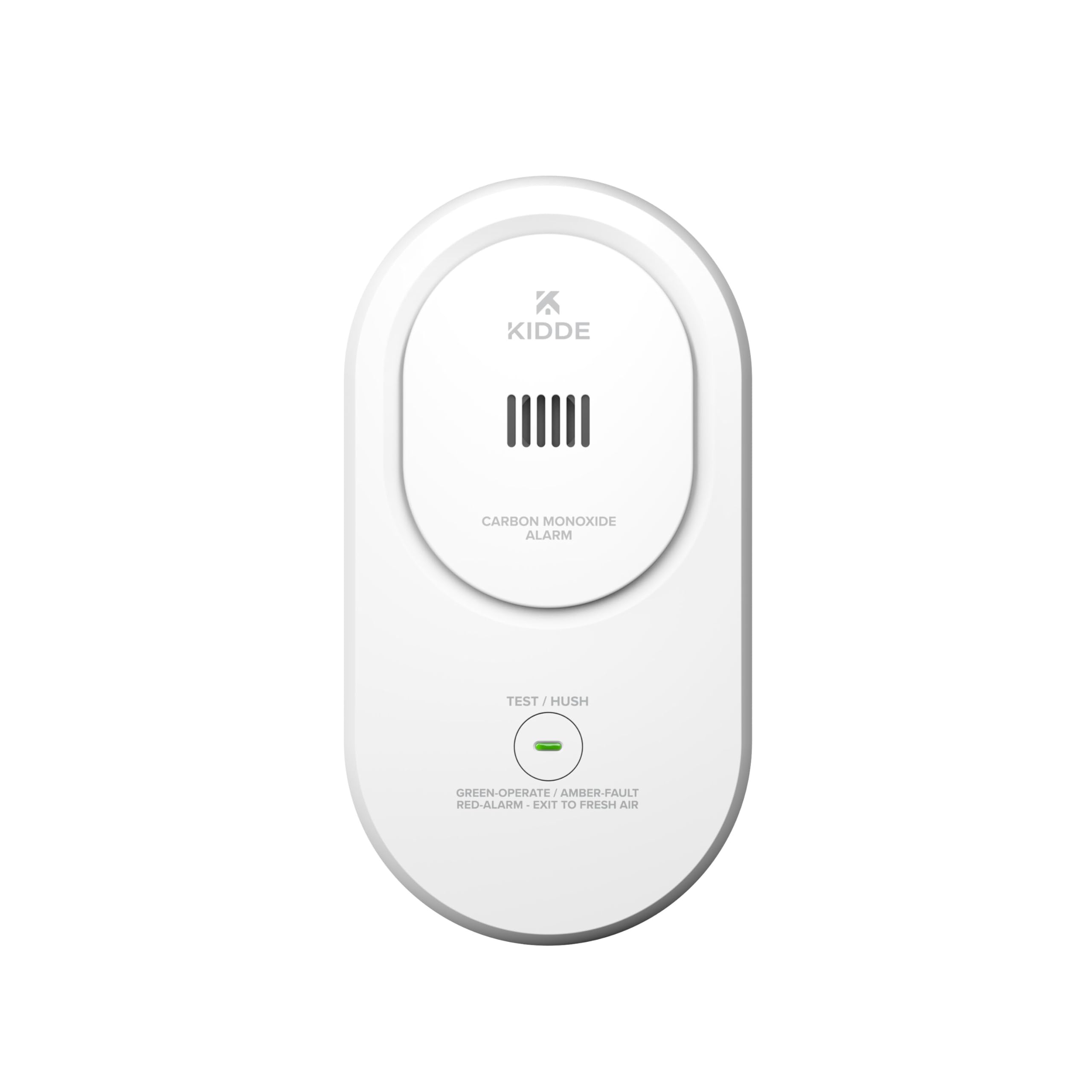
We recommend this Kidde detector for seniors who want simple plug-in protection with battery backup and clear visual alerts.
Pros
- Easy setup with a rotating plug
- Battery backup during power outages
- Bright status lights and an 85-decibel alarm
Cons
- Works only with 120-volt outlets
- Not approved for boats or RVs
- The alarm may not sound loud enough for every user
We found the setup straightforward. The unit plugs into either a vertical or horizontal outlet, so we could place it without blocking the neighboring socket. The Test/Hush button also made routine checks simple.
The LED lights gave us a quick visual status check without needing to read a display. That can help seniors who prefer clear signals. The included AA batteries provide backup power when the electricity fails.
The alarm sounds at 85 decibels, but people with hearing loss may still want a second detector with a different alert style. We also recommend testing the unit before use and placing additional alarms near sleeping areas as needed.
This model is intended for conditioned indoor spaces and standard 120-volt outlets. Its 10-year limited warranty and UL 2034 5th Edition testing add useful reassurance for everyday home use.
First Alert CO710

We recommend this detector for seniors who want clear readings, simple use, and no battery changes for up to 10 years.
Pros
- Large, backlit display shows temperature and CO levels
- Built-in battery reduces maintenance
- Loud alarm and simple test button
Cons
- Designed mainly for tabletop use
- Temperature reading may need time to settle
- It does not connect to a phone or monitoring service
We found the display easy to read from across a room, which helps when checking the unit without getting close. It shows current and peak carbon monoxide readings, while the backlight improves visibility in dim areas.
The built-in lithium battery makes this a practical choice for seniors who may find regular battery changes difficult. We also liked the straightforward test and silence button, which keeps routine checks simple.
Its compact design fits well on a dresser or table, and it can also be mounted on a wall. The 85-decibel alarm sounds clearly, but the unit lacks app alerts or voice guidance for users who want remote notifications.
The temperature display may not be exact immediately after setup. We found that letting the detector sit in the room helped the reading adjust. Overall, the CO710 offers dependable basic protection with low upkeep and a readable display.
First Alert CO615 Plug-In Alarm

We recommend the First Alert CO615 for seniors who want a simple plug-in alarm with a clear display and battery backup.
Pros
- Large backlit screen shows current and peak CO levels
- Simple plug-in setup with two battery backups
- Loud alarm and clear end-of-life warning
Cons
- Battery backup does not run the alarm for an extended outage
- Takes up one wall outlet
- Display stays off most of the time
We found the CO615 easy to set up because it plugs directly into a standard wall outlet. The backlit screen makes the reading easier to check than a unit that uses sound alone, which can help people with hearing or vision limits.
The test and silence button is simple to reach. We also like the 85-decibel alarm, which should be easy to hear from nearby rooms. The unit tracks the highest detected CO level, giving us more information after an alert.
Its two AA batteries provide backup during a power failure, but they do not power the alarm for a long period. We would place it near sleeping areas and on each home level, while checking that the outlet has power.
The CO615 also signals when its batteries run low and when the unit reaches the end of its service life. Its seven-year limited warranty adds useful coverage, but we would still follow the manual and replace the alarm when the end-of-life signal sounds.
Kidde C3010D Carbon Monoxide Detector

We recommend this detector for seniors who want a clear display, simple controls, and no battery changes for up to 10 years.
Pros
- Large digital display shows carbon monoxide levels
- Sealed battery keeps working during power outages
- Test-hush button is easy to use
Cons
- Display may be hard to read from across a room
- It does not detect smoke
- Wall mounting may require basic tools
We found the Kidde C3010D Carbon Monoxide Detector easy to set up without wiring. Its sealed lithium battery removes the need to open the unit or keep spare batteries nearby, which helps simplify routine safety checks.
The digital display updates regularly and gives us more information than an alarm light alone. The test-hush button also makes it simple to check the unit or silence a low-battery warning.
For seniors, the colored status lights provide useful visual cues, while the 85-decibel alarm offers an audible warning. We also like the peak memory feature, which shows whether the detector recorded carbon monoxide since the last check.
This model works on a wall or tabletop, but it covers carbon monoxide only. We would pair it with smoke alarms on every floor and near sleeping areas.
Buying Guide
We should choose a carbon monoxide detector that seniors can read, hear, and use without confusion. Look for a large display, clear warning sounds, simple buttons, and visible status lights.
| Feature | What to look for |
|---|---|
| Alarm | A loud alarm with a distinct pattern |
| Display | Large numbers and clear text |
| Power | Long-life battery or easy battery replacement |
| Testing | A large, simple test button |
| Alerts | Low-battery and end-of-life warnings |
| Placement | Wall or tabletop mounting options |
We should check whether the detector uses replaceable batteries or a sealed battery. Replaceable batteries may reduce waste, while sealed models can lower maintenance but must be replaced when the battery expires.
Choose a model with a visible battery warning and an end-of-life alert. These notices help us replace the detector or battery before protection stops.
For seniors with hearing loss, we should consider models with bright visual alerts, a vibrating accessory, or phone notifications. We should confirm that any connected feature works with the user’s internet connection and smartphone.
We should also check the detector’s rated lifespan, certification from a recognized testing body, warranty terms, and user manual. Avoid placing it where furniture, curtains, or dust could block the alarm or display.
Editor’s Choice
We recommend the Kidde Nighthawk Carbon Monoxide Alarm with Digital Display for most seniors. Its clear display shows carbon monoxide levels, while the loud alarm provides an alert during an emergency.
We also value its simple plug-in design and battery backup. Seniors can place it near a bedroom without managing a complicated setup.
| Feature | Why it helps seniors |
|---|---|
| Digital display | Shows detected CO levels |
| Battery backup | Keeps working during power outages |
| Loud alarm | Helps alert people who may have hearing loss |
| Test and reset buttons | Support simple routine checks |
We should place the alarm near sleeping areas and follow the manufacturer’s placement instructions. We should also test it regularly and replace the batteries as directed.
A carbon monoxide detector does not replace regular appliance maintenance. We should have fuel-burning appliances inspected by a qualified professional and replace the alarm when its manual recommends.
Conclusion
We should choose a carbon monoxide detector that matches the senior’s needs, home layout, and daily routine. A clear display, loud alarm, voice alerts, and simple testing controls can make the device easier to use.
Battery-powered models work well when outlets are limited, while plug-in models offer steady power. We should also check for battery backup, a long warranty, and certification from a recognized safety organization.
Place detectors near sleeping areas and on each level of the home. Test them regularly, replace batteries as needed, and follow the manufacturer’s replacement schedule.
Key features to prioritize:
- Easy-to-read display
- Loud alarm and voice alerts
- Simple test and reset buttons
- Battery backup
- Reliable safety certification
- Low-maintenance design
FAQs
How many carbon monoxide detectors do we need?
We recommend placing one on each floor and outside every sleeping area. Follow the manufacturer’s instructions, especially if someone in the home has limited hearing or mobility.
Where should we install a detector?
Install detectors near bedrooms and living areas, where people can hear the alarm. Keep them away from windows, doors, vents, kitchens, bathrooms, and heating appliances to reduce false alarms.
Which features help seniors most?
We look for large displays, loud alarms, voice alerts, bright warning lights, and simple test buttons. A sealed 10-year battery can reduce maintenance, while smart alerts can notify a caregiver or family member.
How often should we test a detector?
We should test each detector at least once a month. Replace batteries according to the instructions, unless the unit has a sealed battery.
When should we replace a detector?
Most carbon monoxide detectors last about five to seven years, but we should check the label or manual for the exact period. Replace a unit immediately if it fails a test or shows a low-battery or end-of-life warning.
What should we do when the alarm sounds?
We should leave the building immediately, move to fresh air, and call emergency services. We should not reenter until emergency responders say it is safe.