
Best Activity Boards for Dementia Patients (2026): 5 Picks for Busy Hands


REHAND Walking Cane - Foldable, Adjustable, Collapsible

Grab Bars for Shower, 2 Pack 16 in Anti Slip Safety Bath Handle
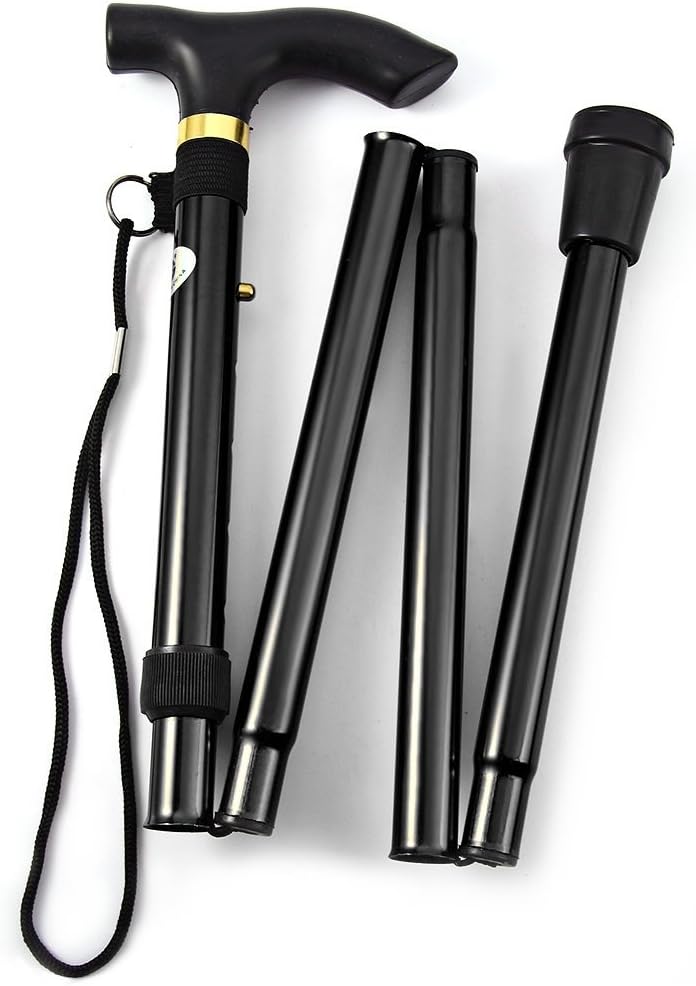
Folding Lightweight Walking Stick - Adjustable Aluminum Travel Cane
Quick answer: For most families, the Assistex Fidget Busy Board is the best activity board for dementia patients because it is made of wood, is sold for adults, and comes with an activity guidebook. For a lap-sized board to take to appointments, try the TS & Comp travel-size fidget board. For a memory care room, the large TAG Toys Locks & Latches board suits a table.
Many people living with dementia feel restless, especially in the late afternoon. Their hands want something to do. An activity board, sometimes called a busy board or fidget board, gives them real-world objects to handle: latches, locks, zippers, switches and wheels. These are familiar motions from a lifetime of opening doors, fixing things and dressing. This guide compares five activity boards for dementia patients that are sold on Amazon in the United States, and explains how to choose one that feels respectful rather than childish.
Our top 3 picks
Our picks at a glance
| Product | Best for | Material | Size (listing) |
|---|---|---|---|
| Assistex Fidget Busy Board | Best overall | Wood with metal hardware | About 12.7 inches long |
| TS & Comp Memory Loss Fidget Board | Lap use and travel | Board with mixed hardware | 11.5 x 5.75 x 1.5 in, 1.7 lb |
| TAG Toys Locks & Latches Board | Memory care tables | Large board | 27 x 17 in |
| 11-in-1 Wooden Busy Board | Many activities on one board | Wood, plastic and metal | About 11.8 x 7.8 in, 970 g |
| Melissa & Doug Latches Board | Simple latch practice | Solid wood | 15.5 x 11.6 in, 2.3 lb |
How we chose these activity boards
We looked at fidget and activity boards sold on Amazon in the United States, and kept those that meet four needs that matter for adults living with dementia:
- Adult, real-world objects. Door latches, keys, light switches and zippers connect with old habits. We favored boards that look like everyday hardware rather than toddler toys.
- Sturdy build. Pieces must stay firmly attached. Small parts that come loose can be a choking risk for someone who puts things in their mouth.
- The right size for where it will be used. A lap board suits a recliner or wheelchair. A large board suits a table in a memory care unit.
- Easy to clean. Hands touch every surface, so a wipe-clean finish matters.
Sizes and materials come from the product listings we opened. Activity boards rarely publish detailed specs, so where a listing leaves something out, we say so.
The 5 best activity boards for dementia patients
1. Assistex Fidget Busy Board: best overall
Assistex Fidget Busy Board
wood construction, 12.68 x 2.44 x 2.44 inch package size, guidebook included.
Sold for adults, not as a toddler toy
Listing does not name every activity
Assistex makes products for older adults and people living with dementia, and this busy board is sold specifically for adults. The listing describes it as made of premium wood, with a variety of tactile activities, and says it comes with a guidebook of activity ideas. The board is about 12.7 inches long, so it can sit on a lap tray or a small table.
Buyers on the listing mention a key, a music box and a carrying handle, and several praise the solid wood and good hardware. A few found it too childlike for their parent, and one said some parts did not move smoothly. That mix is normal for this kind of product. Whether a board engages someone depends a lot on their past interests.
Pros
- Sold for adults, not as a toddler toy
- Real wood with metal hardware
- Guidebook with activity ideas included
- Carry handle for moving between rooms
Cons
- Listing does not name every activity
- Some buyers found it childlike
- Wipe with a dry cloth only, per the listing
2. TS & Comp Memory Loss Fidget Board: best for lap use and travel
TS & Comp Memory Loss Fidget Board
11.5 x 5.75 x 1.5 inches, 1.7 lb, red.
Small and light, about 1.7 lb
Fewer activities than a full-size board
This red board is sold as a travel-size fidget board for memory loss. The listing gives a size of 11.5 x 5.75 x 1.5 inches and a weight of 1.7 pounds, so it rests easily on a lap in a car, a waiting room or a hospital bed. It is narrow enough to hold in two hands.
The listing does not list each activity, but buyers mention a zipper, locks and gadgets that their family member recognized. The listing says to clean it with a damp cloth. Note that the listing calls the material plastic, while one buyer described it as solid wood, so check the photos before you buy if material matters to you.
Pros
- Small and light, about 1.7 lb
- Good for appointments and car rides
- Wipe-clean surface
Cons
- Fewer activities than a full-size board
- Material description is unclear
- Listing shows a 6-month minimum age, a sign it is built like a toy
3. TAG Toys Locks & Latches Fine Motor Activity Board: best for memory care tables
TAG Toys Locks & Latches Fine Motor Activity Board
TAG Toys, MPN RH10, 27 x 17 inches.
Large 27 x 17 inch board
Too big for a lap or a wheelchair tray
At 27 by 17 inches, the TAG Toys Locks & Latches board is much larger than a lap board. It is designed to sit on a table, where one person can work through it slowly or two people can sit side by side. That makes it a good fit for adult day programs, memory care units, or a family kitchen table.
The retailer describes a wide variety of common, day-to-day activities aimed at fine motor skills, finger dexterity and hand-eye coordination. It does not list every piece, so look at the photos to see whether the latches and locks resemble ones your parent would know.
Pros
- Large 27 x 17 inch board
- Lots of everyday latch and lock activities
- Works well for shared or group use
Cons
- Too big for a lap or a wheelchair tray
- Weight and materials are not listed
- Needs a table or a wall to stay steady
4. 11-in-1 Wooden Busy Board: best for variety
11-in-1 Wooden Busy Board
about 29.97 x 19.81 x 4.19 cm, 970 g, wood with plastic and metal parts.
11 activities on one board
Maker name is not shown on the listing
This wooden board packs 11 activities onto one panel of about 30 by 20 centimeters (roughly 11.8 by 7.8 inches). The listing weight is 970 grams, a little over 2 pounds. Buyers mention a fidget spinner in the center, a wheel with beads, buttons and pieces to press, plus a carry handle.
More activities can hold attention longer, but they can also overwhelm someone in a later stage of dementia. If your parent gets frustrated easily, a simpler board may work better. One buyer suggested a combination lock would make it more interesting for adults.
Pros
- 11 activities on one board
- Mostly natural wood
- Carry handle
Cons
- Maker name is not shown on the listing
- Busy layout can overwhelm some users
- Mix of plastic and metal parts
5. Melissa & Doug Latches Wooden Activity Board: best for simple latch practice
Melissa & Doug Latches Wooden Activity Board
15.5 x 0.4 x 11.6 inches, 2.3 lb, solid wood, ages 3+.
Solid wood, 2.3 lb
Designed for ages 3 and up, and it looks it
Melissa & Doug is a well-known toy maker, and this board was designed for young children. Many families and activity staff still use it with adults because the latches are real and the board is sturdy. The listing gives a size of 15.5 by 11.6 inches and a weight of 2.3 pounds, and says it is made of solid wood.
Each latch opens a little numbered door with a picture behind it. Buyers mention hooks, closures and clasps, and a lock on one door. The bright picture style looks like a child’s toy, so it may not suit someone who is aware of the difference and could feel talked down to. For someone in a later stage, the simple open-and-close action can be calming.
Pros
- Solid wood, 2.3 lb
- Real latches with doors to open
- From an established toy maker
Cons
- Designed for ages 3 and up, and it looks it
- Fewer types of activity than adult boards
- Picture appliques may wear with heavy use
What to look for in an activity board for dementia
Do activity boards help people with dementia?
Caregivers often use them to give restless hands a calm, safe task, and to start a conversation about past work or hobbies. They are not a treatment for dementia, and results vary from person to person. The best sign is simple: does your parent pick it up and seem calmer while using it?
Match the board to past life
A retired mechanic may enjoy bolts, chains and locks. Someone who sewed may prefer zippers, buttons and fabric. Look at the photos and choose the board with objects your parent would have handled every day.
Check for small parts
Pull gently on every piece when the board arrives. If anything wiggles, tighten it or remove it. Do not leave a board unattended with someone who tends to put objects in their mouth.
Lap board or table board?
For a recliner, wheelchair or bed, choose a board under about 12 inches and 2 pounds. For a dining table or group room, a larger board gives more room to explore and lets two people use it together.
Keep it respectful
Present the board as a task or project, not a toy. Phrases like “Can you help me check these locks?” often work better than “Here is something to play with.”
Frequently asked questions
What is a busy board for dementia?
It is a board with everyday objects attached, such as latches, locks, switches, zippers and wheels. It gives the person something safe and familiar to do with their hands.
Can I make my own activity board?
Yes. Many families screw hardware-store latches, a door chain, a light switch and a small hinge onto a piece of plywood. Sand the edges smooth and make sure every part is fixed tightly.
At what stage of dementia are activity boards useful?
They are most often used in the middle stages, when restlessness and repetitive hand movements are common. In early stages, many people prefer adult puzzles, cards or hobbies. In late stages, simpler textures may work better than complex latches.
How do I clean an activity board?
Wipe it with a damp or dry cloth as the maker suggests. Avoid soaking wooden boards, which can swell or loosen the hardware.
Are activity boards safe to leave with someone alone?
For most people, a sturdy board is safe with light supervision. If the person puts objects in their mouth or becomes upset easily, stay nearby while they use it.
Sources
- Desertcart (Amazon catalog listing), Assistex Fidget Busy Board for Adults with Dementia
- Desertcart (Amazon catalog listing), Memory Loss Activity Fidget Board, Travel Size
- eSpecial Needs, Locks & Latches Fine Motor Activity Board
- Desertcart (Amazon catalog listing), 11-in-1 Dementia Activities Busy Board
- Desertcart (Amazon catalog listing), Melissa & Doug Latches Wooden Activity Board