
Balance Pad vs Yoga Mat: Which Is Best for Seniors?


Adaptive Eating Utensils

Shiatsu Neck Massager

Large Print Keyboard
Choosing a balance pad vs yoga mat is a big step for your home fitness routine. Both of these simple fitness tools offer great support for older adults, but they serve very different daily needs.
One tool focuses on building ankle strength to help prevent dangerous falls. The other tool gives you a wide, safe space for floor stretches. Let us look closely at how these two popular options compare for safe home workouts.
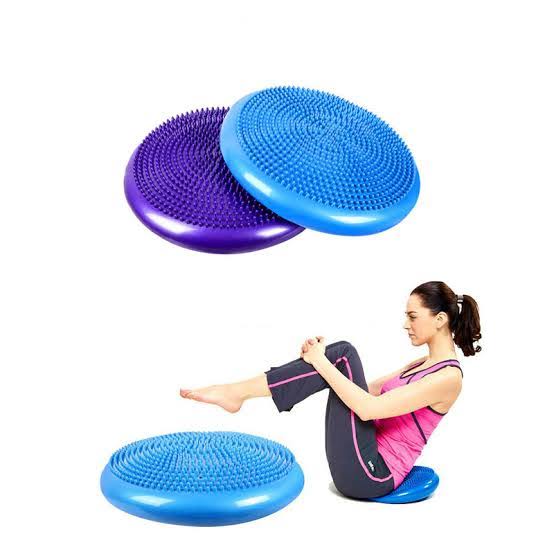
Quick Comparison
A yoga mat is best for older adults who want a safe, non-slip space for floor workouts. It gives you a firm grip and covers a large area of your floor. A balance pad is the better choice for those focusing strictly on standing stability. It is often used in physical therapy to make legs and ankles stronger.
The biggest difference is the thickness. A pad creates a soft, unsteady surface that makes your body work hard to stay upright. A mat gives a flat, firm grip for basic safety. Choose the foam pad for standing balance work. Choose the long mat for floor stretching.
Balance Pad vs Yoga Mat At A Glance
Here is a quick look at how these two fitness tools compare for daily senior use.
| Feature | Balance Pad | Yoga Mat |
| Main Use | Standing balance work | Floor stretching routines |
| Thickness | Very thick foam | Very thin rubber |
| Fall Risk Focus | Trains body to stop falls | Stops slips during floor work |
Reviewing the Balance Pad for Seniors
Balance pads are thick blocks of dense foam. They are made to gently challenge your stability when you stand on them. They sink down just a little bit under your body weight.
Ease of Use
Using a balance pad takes almost no setup time. You just place it flat on the floor and step on. The pads are very light and easy to carry. You can easily pick them up and move them to the kitchen or the living room. You can even practice your balance while you wash the dishes or watch television.
Key Strengths
- Builds strong ankles to help stop sudden falls.
- Acts as a very soft cushion for sore knees during floor work.
- Lightweight foam is easy for anyone to carry or move.
- Highly praised by physical therapy workers for home rehab.
Potential Drawbacks
- Can cause trips if left out in the middle of the floor.
- Far too small for full-body stretching or lying down.
- Requires a sturdy chair or a clear wall nearby for safety.
Evaluating the Yoga Mat for Seniors
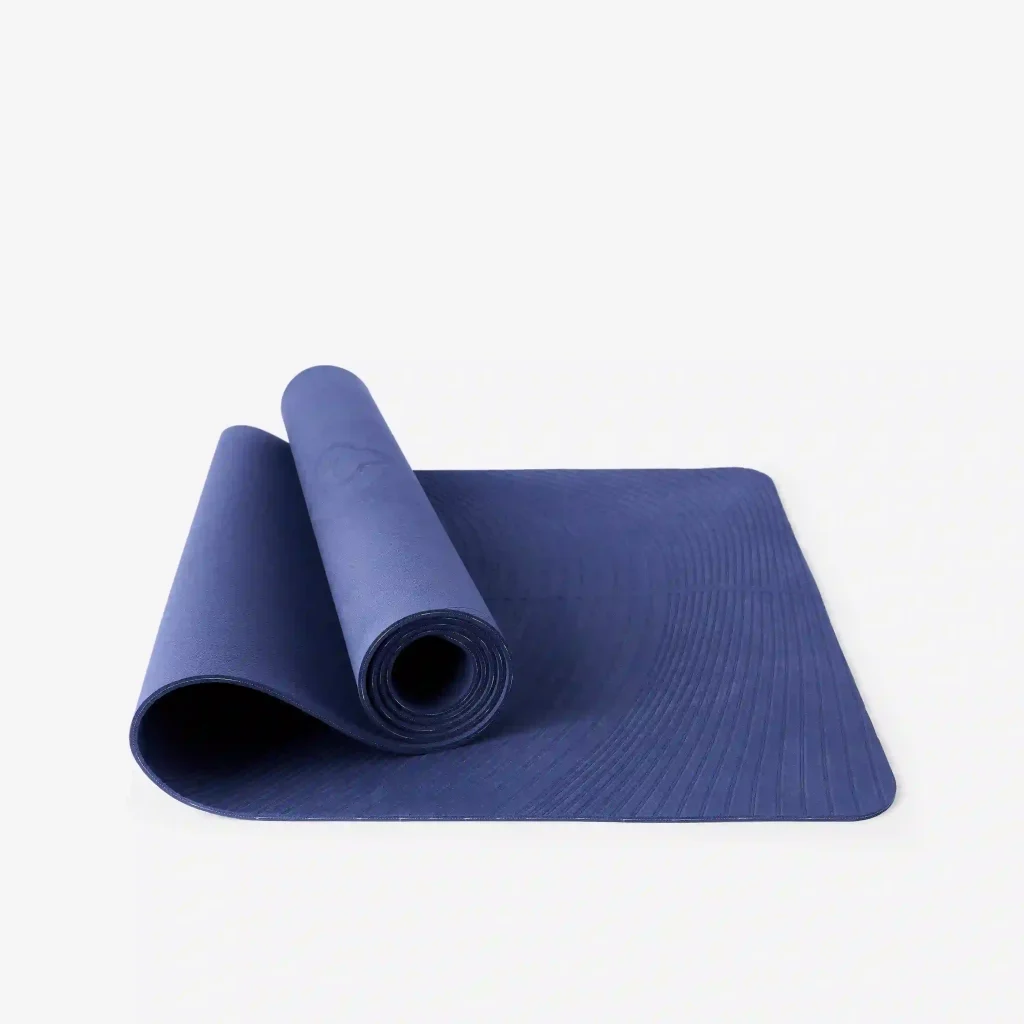
Yoga mats give you a firm, grippy layer between your body and a hard floor. They are classic tools for home fitness, chair yoga, and gentle daily stretching.
Ease of Use
You roll the mat out on the floor to start your routine. It stays flat and creates a large workout zone. Cleaning is very simple with a damp cloth or a gentle wipe. Getting all the way down to the floor can be hard for some older adults, though. Rolling it up tight also takes a small amount of hand strength.
Key Strengths
- Creates a large, safe space for full-body routines.
- Non-slip grip helps stop feet and hands from sliding.
- Rolls up fast to slide easily into a closet or corner.
- Very easy to wipe clean after a sweaty workout.
Potential Drawbacks
- Does not actively train your standing balance skills.
- Thin mats may hurt sensitive knees or sore wrists.
- Requires good mobility to get down on the floor safely.
Which Is Easier for Seniors to Use?
Ease of use really depends on your daily physical limits. A balance pad may be easier for seniors who prefer to stay standing. You do not have to get down on the bare floor to use it. You just step onto it near a wall or hold onto a heavy chair. It slides right under a couch when you finish.
A yoga mat is ideal for seniors who can safely get to the floor. It creates a dedicated workout spot in any room. However, you must unroll it and roll it back up every single day. This action takes a bit of bending and hand strength. If you hate getting down on the ground, the mat will not be easy for you to use.
Performance Comparison
These two tools do very different jobs for your health. A balance pad excels at making your legs shake just a tiny bit. This shaking wakes up your leg muscles. It actively trains your brain to catch your weight if you ever trip on a rug.
A yoga mat excels at giving you a huge, stable space. It stops your bare hands and feet from sliding out from under you. It is perfect for sitting stretches and basic core work.
Here is a breakdown of how they perform in key fitness areas.
| Performance Area | Balance Pad | Yoga Mat |
| Joint Cushioning | Excellent for bad knees | Fair to poor |
| Slip Prevention | Fair on hard floors | Excellent on all floors |
| Core Activation | High during standing | High during floor work |
Comfort, Accessibility, and Senior-Friendly Design
Comfort is absolutely vital for older joints. A balance pad wins easily for thick, plush comfort. If you must kneel to clean or stretch, a thick foam pad feels much better than a thin mat. It protects your bones from hard tile or wood floors.
Accessibility is a split decision. The pad is much easier to store away. You just kick it into a corner or slide it under a bed. But stepping up onto a thick pad can be scary for some people. The mat sits totally flat with the floor. It is very accessible to walk across without picking your feet up high.
“The right fitness tool should make you feel safe, not scared. Always prioritize your joint comfort and daily stability.”
Features Comparison
When you shop for these items, you will notice different materials and sizes. The simple design of both tools makes them very reliable for daily use. They do not have confusing screens or heavy batteries to charge.
This table shows the main features to look for in each product.
| Feature | Balance Pad | Yoga Mat |
| Material | Thick, soft memory foam | Thin rubber or plastic foam |
| Storage Style | Stores flat as a small square | Rolls tightly into a long tube |
| Floor Space | Very small footprint | Takes up a lot of room |
Price, Maintenance, and Long-Term Value
Both of these simple tools are quite cheap. You can find very good models of either one for very fair prices. They offer amazing long-term value for your physical health. A few dollars spent on fall prevention is always a wise choice.
A high-quality yoga mat might cost a bit more than a basic balance pad. Mats can last for many years if you take care of them properly. You just wipe the mat down with mild soap and let it dry.
Balance pads can break down over time. The soft foam may start to tear if you wear hard outdoor shoes on it. Always use a balance pad with bare feet or soft grip socks. This simple rule will make the foam pad last much longer.
Who Should Choose a Balance Pad?
- Choose a balance pad if you want to improve your daily walking balance.
- Choose it if you are doing physical therapy for weak ankles.
- Choose it if getting down to the floor is just too hard for you.
- Choose it if you have bad knee pain and need a thick cushion for kneeling.
- Choose it if you want to exercise while standing at the kitchen counter.
Who Should Choose a Yoga Mat?
- Choose a yoga mat if you want to do full-body floor stretches.
- Choose it if you take gentle yoga or core classes at home.
- Choose it if you need a non-slip floor zone for basic safety.
- Choose it if you have good mobility to get up and down easily.
- Choose it if you have carpet and need a firm surface for workouts.
Balance Pad vs Yoga Mat — Final Verdict
Best for most seniors: Yoga Mat
Best for standing balance: Balance Pad
Best value: Yoga Mat
Best for ease of use: Balance Pad
Scoring Summary
We looked closely at how these tools fit into an older adult’s daily life. We scored them on simple use, joint comfort, and overall home safety.
| Category | Balance Pad | Yoga Mat |
| Ease of Use | 9/10 | 8/10 |
| Senior-Friendly Design | 8/10 | 9/10 |
| Joint Cushioning | 10/10 | 5/10 |
| Overall Value | 8/10 | 9/10 |
How We Evaluate Products
We look at home fitness products through a strict senior-focused lens. We care deeply about joint comfort and daily safety. We judge how heavy a product is to lift. We look at how hard it is to set up or put away. We think about how a person with stiff hands or weak knees will actually use the item. Practical home safety always comes first in our reviews.
Senior-Specific Buying Considerations
Physical Effort
Think carefully about getting up and down. If you hate floor work, you should skip the mat entirely. Stick to tools you can use while standing or sitting in a chair.
Storage Space
Do you have room to leave a mat unrolled? If not, do you have the hand strength to roll it up tightly every single day? Mats can become clumsy to handle.
Product Thickness
Thin mats can hurt bony knees and sore wrists. Look for extra-thick mats if you plan to kneel a lot. Padding matters for older joints.
Surface Grip
Make sure the bottom of the tool actively grips your hard floors. It must never slide away when you step on it. Slips are a major hazard.
Common Buying Mistakes
- Buying a very thin yoga mat that hurts your sensitive knees.
- Wearing heavy outdoor shoes on a foam pad and tearing the soft foam.
- Leaving a thick balance pad in the dark hallway where you might trip over it.
- Ignoring the size of the open mat and lacking room for it in your small home.
- Buying a perfectly smooth mat that slides around dangerously on wet wood floors.
Safety Considerations
Safety is the absolute most important part of home fitness. A balance pad creates an unsteady space on purpose. You must always use it near a heavy chair, a sturdy counter, or a blank wall. You need something strong to grab if you start to lose your footing.
Trip hazards are a very real risk at home. A thick pad left on the floor is easy to trip over in the dark. Always put your fitness gear away the moment you finish your routine. If you suffer from extreme dizzy spells or poor vision, you may want to talk to a doctor before trying new standing balance work.
Conclusion
Picking between these two fitness tools comes down to your personal daily goals. If you want to stop falls and build strong ankles, the thick balance pad is a great choice. If you want to stretch your whole body safely on the floor, the yoga mat easily wins.
The most vital thing to think about is your own physical comfort. Pick the tool that makes you feel secure and ready to move. Good fitness gear should always make your home routine feel fun, rewarding, and completely safe.
