
Balance Board vs Balance Pad: Safe Senior Guide


Weighted Blanket

GPS Tracker for Elderly

Hands-Free Neck Magnifier
Choosing between a balance board vs balance pad can feel tough. Both tools help build deep core strength. Both tools help steady your feet.
Yet, they work in very different ways. For older adults, the right choice comes down to basic safety. You want a tool that builds trust. You do not want a tool that brings a high risk of falls.
Quick Comparison
A foam pad is the clear winner for most older adults. It offers a soft, flat step. This design keeps your joints safe and happy.
It provides a very mild wobble. This builds leg strength safely over time. A hard board tips too fast. It is risky and is best left for advanced gym users.
At-A-Glance Comparison
Here is a quick look at how these two items compare. The table highlights basic safety and daily use.
| Feature | Balance Board | Balance Pad |
| Base Surface | Hard wood or plastic | Soft, thick foam |
| Fall Risk | High risk | Low risk |
| Best User | Advanced athletes | Seniors and beginners |
Balance Boards: A Closer Look at Features
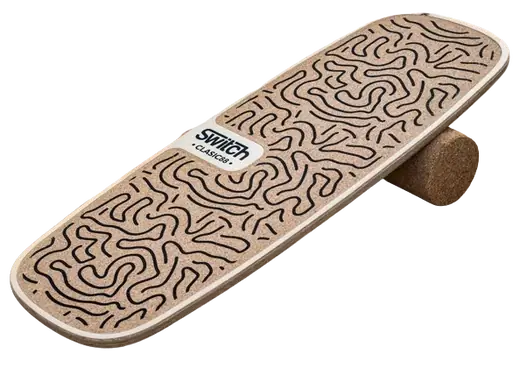
A balance board uses a hard top on a round base. This creates a highly loose surface. It tips fast in all ways.
You stand on the flat top. The round bottom rocks back and forth. This forces your core to work very hard to stay upright.
Ease of Use
These boards take a lot of effort to control. Stepping on and off can feel very scary.
You need strong ankles just to stand still. This steep learning curve is tough for many older folks. It requires fast brain reactions.
Key Strengths
- Challenges the deep core muscles quickly.
- Great for advanced sports training.
- Builds very fast physical reaction times.
- Made from tough, long-lasting wood or hard plastic.
- Easy to wipe clean with a damp rag.
Potential Drawbacks
- Very high risk of tipping over.
- Hard top can hurt bare feet.
- Too tough for most older adults to start with.
- Slips easily on smooth wood or tile floors.
- Can cause sharp ankle pain if you slip.
Balance Pads: A Closer Look at Features
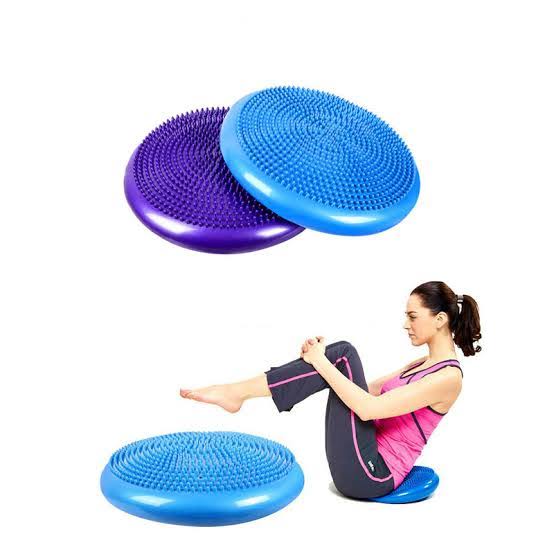
A balance pad is a thick block of dense foam. It sinks down slightly when you step on it.
This creates a mild, safe wobble. It feels just like walking on a thick gym mat. You stay very close to the flat ground.
Ease of Use
These foam blocks are very easy to use. You just step onto the flat foam on the floor.
You do not need to center your weight perfectly. It feels safe and calm right away. You can step off easily if you feel tired.
Key Strengths
- Very low risk of taking a bad fall.
- Soft foam is kind to old knees and weak ankles.
- Extremely easy to step on and step off.
- Works very well for seated chair drills.
- Lightweight and simple to store away.
Potential Drawbacks
- Foam can tear if you wear sharp shoes.
- May not challenge elite athletes enough.
- Can slide on bare floors without a yoga mat underneath.
- Edges can wear down or flatten over many years.
- Pets might chew or scratch the foam material.
Ease of Use for Seniors
Ease of use is a major deal when picking home fitness gear. Let us look at how simple each tool is to use daily.
Here is how both tools compare for simple actions.
| Action Area | Balance Board | Balance Pad |
| Getting On | Hard and tips fast | Easy and flat |
| Standing Up | Needs fast reflexes | Needs slight shifts |
| Storing Away | Can be very bulky | Slides under beds |
The foam block wins for simple home use. You do not need perfect form just to get on it.
You just step up and start moving. This builds quick confidence. You will use it more often because it feels so simple.
Performance Comparison
Both items help train your body to stay upright. They force your muscles to react to odd ground.
The hard board forces fast, sharp movements. Your ankles must work hard. They have to stop the edges from hitting the floor. This builds fast sports reflexes.
The soft pad creates a slow, squishy feel. It mimics walking on soft sand. It mimics walking on thick grass. This builds real-world walking safety. It trains the brain smoothly without sudden panic.
Comfort, Accessibility, and Senior-Friendly Design
Joint comfort is a huge deal as we age. A fitness tool should never cause foot or knee pain.
“A good fitness tool builds strength without putting sudden stress on sensitive joints.”
The wooden or plastic boards are very rigid. They can send a sharp shock into your knees. Standing on hard plastic can also make the bottoms of your feet ache.
The dense foam blocks act like shock absorbers. They cushion your feet. They protect your joints while you train. You can even use the foam block while sitting on a chair to gently wake up your leg muscles.
Features Comparison
Here is a breakdown of the basic design features. You can expect these traits from each choice.
This table shows the physical differences clearly.
| Design Trait | Balance Board | Balance Pad |
| Build Material | Wood or hard plastic | Dense soft foam |
| Base Shape | Curved dome or roller | Flat on the floor |
| Item Weight | Often 3 to 5 pounds | Usually under 1 pound |
The light foam design makes the pad much easier to move. You can carry it around the house with zero strain.
The flat shape also means it will not roll away when you try to step onto it.
Price, Maintenance, and Long-Term Value
Cost and daily care matter for long-term value. Let us look at how these tools hold up over time.
Here is a quick look at cost and lifespan.
| Value Factor | Balance Board | Balance Pad |
| Average Cost | Twenty to fifty dollars | Twenty to forty dollars |
| Daily Care | Just wipe with a cloth | Wipe gently, avoid sharp shoes |
| Lifespan | Lasts for many years | Can compress after a few years |
Both tools are quite cheap. They usually cost under fifty dollars. Boards last a very long time. They are hard plastic or solid wood. They rarely break down.
Pads can wear out over the years. Foam can tear if you wear street shoes. Heavy use can flatten the foam.
Yet, the true value of the foam pad is much higher for seniors. You get better value from a tool you actually use. You will not use a board if it scares you.
Who Should Choose a Balance Board?
This tool is not for everyone. It is meant for a specific type of active user.
- Choose a board if you are highly active and fit.
- Choose a board if a therapist tells you to use one.
- Choose a board if you have great ankle strength.
- Choose a board if you train for extreme sports.
- Choose a board if you want a massive core muscle test.
Who Should Choose a Balance Pad?
This is the far better choice for daily home fitness. It fits the needs of most older folks perfectly.
- Choose a pad if you want a safe, low step.
- Choose a pad if you worry about falling down.
- Choose a pad if your knees or feet tend to ache.
- Choose a pad if you are a total fitness beginner.
- Choose a pad if you want to exercise safely in bare feet.
Final Verdict
When looking at a balance board vs balance pad, the foam pad wins. It is the clear choice for older adults.
- Best for most seniors: Balance Pad
- Best for joint comfort: Balance Pad
- Best for advanced users: Balance Board
- Best total value: Balance Pad
The soft pad gives you great results with very low risk. It is the smartest and safest buy for home use.
Scoring Summary
Here is how we rate both tools for older adults. We use a simple ten-point scale.
These scores focus purely on senior needs.
| Category Test | Balance Board | Balance Pad |
| Basic Safety | 3/10 | 9/10 |
| Joint Comfort | 4/10 | 9/10 |
| Ease of Use | 4/10 | 10/10 |
| Senior Value | 4/10 | 9/10 |
The soft foam pad scores much higher in safety. It easily beats the hard board for gentle senior care.
How We Evaluate Products
We look closely at what real older adults need daily. We do not focus on extreme sports or heavy gym use.
Instead, we look closely at fall risks. We look at joint impact. We check daily comfort levels.
We want to know if a product is truly safe to use alone at home. Safety is always our main guide for seniors. We favor tools that build confidence rather than fear.
Senior-Specific Buying Considerations
Keep these thoughts in mind before you buy. They will help you make a smart choice for your home.
- Physical Effort: Can you step onto the tool without holding a wall?
- Joint Pain: Will a hard surface hurt your bare feet or weak knees?
- Item Storage: Is the item light enough to pick up easily without hurting your back?
- Floor Type: Will the item slip on your slick wood or tile floors?
- Foam Density: Is the foam thick enough to hold your weight without going flat?
Common Buying Mistakes
Avoid these simple errors when shopping for stability gear. Many people make these bad choices.
- Buying a hard board just because it looks fun on television.
- Forgetting to check the total weight limit on the foam pad.
- Using the soft foam block with sharp outdoor street shoes.
- Ignoring the need for a non-slip yoga mat underneath the pad.
- Buying a pad that is too small for wide feet to stand on comfortably.
Safety
Safety is the most important part of any fitness routine. You must protect yourself from bad falls at all times.
Always place your training tool near a sturdy heavy chair. You can also place it next to a blank wall. You want something heavy to grab if you happen to slip.
Never use a hard rocker board if you are prone to falls. If you feel dizzy or weak, stop at once. Talk to a doctor before starting a new fitness plan.
Proper footwear is also key. Bare feet work very well on soft foam. Clean rubber sneakers are also fine. Never wear slick dress socks on either tool.
Conclusion
The choice between a balance board vs balance pad is simple. The foam pad is the best bet for most older adults.
The thick foam block gives you a safe, gentle wobble. This helps you build deep strength over time. It protects your joints. It is easy to slide under a bed when you are done.
Hard wooden boards are just too risky for daily home use. Stick to the soft foam option. It will keep your joints happy. It will help you walk with much more confidence every single day.
