
Archcare Senior Life Pace Harlem


LED Clip Reading Light

Electric Recliner Lift Chair

Cane with LED Light
Archcare Senior Life Pace Harlem is a vital Program of All-Inclusive Care for the Elderly (PACE) serving eligible seniors in Harlem and surrounding areas. It provides a coordinated, comprehensive suite of medical, social, and support services designed to help participants live independently in their homes for as long as possible, often avoiding nursing home placement. The program is uniquely tailored to the cultural and logistical needs of the Harlem community, integrating with local healthcare networks and social resources.
Imagine a single phone call that connects you or your loved one to a doctor, a pharmacist, a physical therapist, a nutritionist, and a social worker—all working from the same playbook. That’s the reality for participants in Archcare Senior Life Pace Harlem. For many families navigating the complex world of senior care in New York City, the term “PACE” might be unfamiliar, but the concept is revolutionary. In 2026, as healthcare costs rise and the desire to age in place grows stronger, programs like this are not just an option; they are becoming a necessity for thousands of Harlem seniors. This guide will walk you through everything you need to know, from the history of Archcare’s mission to the nitty-gritty details of enrollment and a day in the life of a participant.
Let’s start with the acronym. PACE stands for Program of All-Inclusive Care for the Elderly. It’s a federal and state initiative that provides an alternative to nursing home care. The core philosophy is simple but powerful: with the right support, most seniors who would otherwise qualify for a nursing home can live safely and thrive at home. Archcare Senior Life Pace Harlem is the local manifestation of this philosophy, operated by Archcare, a respected non-profit healthcare organization with deep roots in serving New York’s diverse communities. Their Harlem program specifically addresses the unique needs of one of the city’s most historic and vibrant neighborhoods.
Key Takeaways
- PACE is a comprehensive alternative: Archcare Senior Life Pace Harlem is not just another health plan; it’s an all-inclusive program that covers virtually all Medicare and Medicaid services, plus additional supports like transportation and meals, under one coordinated umbrella.
- Community-focused care model: The program is deeply embedded in Harlem, understanding the specific cultural, linguistic, and socioeconomic factors that affect health outcomes and access to care for its senior residents.
- Eligibility is specific but clear: To qualify, you must be 55 or older, live in the service area (Harlem), be able to live safely at home with support, and be certified as needing a nursing home level of care but able to remain home with PACE services.
- Costs are predictable for dual-eligibles: For those eligible for both Medicare and Medicaid (dual-eligibles), there is typically no monthly premium, co-pay, or deductible for PACE services. For others, costs are based on a sliding scale but are still all-inclusive.
- It’s a team-based approach: Participants have an interdisciplinary care team—including doctors, nurses, social workers, therapists, and dietitians—who create and manage a single, personalized care plan.
- Goal is independence and quality of life: The ultimate measure of success for Archcare Senior Life Pace Harlem is keeping seniors healthy, engaged, and living in their own homes and communities, which often leads to better health outcomes and satisfaction.
- Transportation is a cornerstone service: Reliable, scheduled transportation to and from the Archcare PACE center for medical appointments, therapies, and social activities is a critical, provided service that removes a major barrier to care.
📑 Table of Contents
- What Exactly is a PACE Program? Demystifying the Model
- The Archcare Difference: Serving Harlem Since [Year]
- Inside the Day-to-Day: Services in Action
- Eligibility and Enrollment: Are You a Candidate?
- Understanding the Costs: What Will You Pay?
- The Tangible Benefits: Why Families Choose PACE
- Challenges and Considerations: A Balanced View
- The Future of Archcare Senior Life Pace Harlem in 2026 and Beyond
What Exactly is a PACE Program? Demystifying the Model
Before diving into the Harlem specifics, it’s crucial to understand the PACE model itself. Think of it as a healthcare “village” built around one person. Instead of a senior having to coordinate between multiple specialists, pharmacies, and therapy offices—often with conflicting advice and duplicate medications—the PACE program becomes the central hub. All services are managed by an interdisciplinary team (IDT) that meets regularly to discuss each participant’s progress.
The All-Inclusive Promise: What’s Covered?
The “all-inclusive” part is a major selling point. Once you’re enrolled, you receive a comprehensive benefits package that includes:
- All Medicare-covered services: Doctor visits (primary and specialty), hospital care, lab tests, X-rays.
- All Medicaid-covered services: Nursing home level care if needed, home health aide services.
- Plus, extra services PACE provides: Prescription drugs, dental care, vision care (including glasses), hearing services (including hearing aids), podiatry, mental health services, substance abuse treatment, meals (at the center and sometimes home-delivered), occupational, physical, and speech therapy, social services, and crucially, transportation.
There are no deductibles, co-pays, or premiums for dual-eligible participants (those on both Medicare and Medicaid). For others, there may be a monthly premium, but it’s often far less than the combined cost of these services purchased separately. This financial predictability is a game-changer for families on fixed incomes. If you’re exploring other financial safety nets, you might also look into affordable life insurance for seniors to cover final expenses, but that’s separate from the medical care PACE provides.
Who Runs the Show? The Interdisciplinary Team (IDT)
At the heart of Archcare Senior Life Pace Harlem is the IDT. This isn’t just a billing term; it’s the engine of the program. Your team typically includes:
- Primary Care Physician (PCP): Usually a geriatrician or family doctor familiar with complex chronic conditions.
- Registered Nurse (RN): Manages day-to-day health monitoring and education.
- Social Worker: Connects you with community resources, counseling, and helps with social determinants of health like housing or food security.
- Therapists (PT, OT, ST): Focus on maintaining mobility, independence in daily activities, and safe swallowing/communication.
- Dietitian/Nutritionist: Manages dietary needs, which is critical for conditions like diabetes or heart failure.
- Pharmacist: Conducts medication reconciliation to prevent dangerous interactions.
- Home Care Liaison: Coordinates any needed in-home support.
This team meets weekly (or more often) to review every participant’s chart. You, the participant, and your family are central to this process. The result is a single, unified care plan that everyone follows. This is the opposite of the fragmented care many seniors experience, where a cardiologist changes a medication without telling the primary doctor, leading to problems.
The Archcare Difference: Serving Harlem Since [Year]
Archcare isn’t a new player. It’s an organization with a long-standing mission to provide compassionate, high-quality care to New Yorkers, particularly those from underserved communities. Their entry into the PACE space was a natural extension of this mission. The Harlem location was strategically chosen to address documented disparities in healthcare access and outcomes for older Black and Latino residents.
Visual guide about Archcare Senior Life Pace Harlem
Image source: shnawards.com
A Program Built on Cultural Competence
What sets Archcare Senior Life Pace Harlem apart is its intentional cultural tailoring. This isn’t just about offering translation services (though they do). It’s about understanding cultural contexts:
- Dietary Respect: The meal program at the PACE center respects religious and cultural food preferences, from kosher and halal options to traditional soul food prepared with health in mind.
- Trusted Messengers: Staff, from receptionists to clinicians, are recruited from and reflect the community. This builds immediate trust, which is essential for adherence to care plans.
- Holistic View of Health: The program acknowledges that health isn’t just physical. Social isolation, financial stress, and spiritual well-being are integrated into assessments and care plans. They often partner with local churches, senior centers, and community gardens.
For a senior who might be wary of “the system,” walking into a PACE center where staff greet them by name in familiar dialects can be the first step toward engaging in their own care. This community integration is something many other senior services strive for but rarely achieve this deeply. You can see a similar, though different, emphasis on holistic living in programs like Hearts At Home Senior Care, which optimizes the home environment for wellness.
The Harlem PACE Center: A Home Away From Home
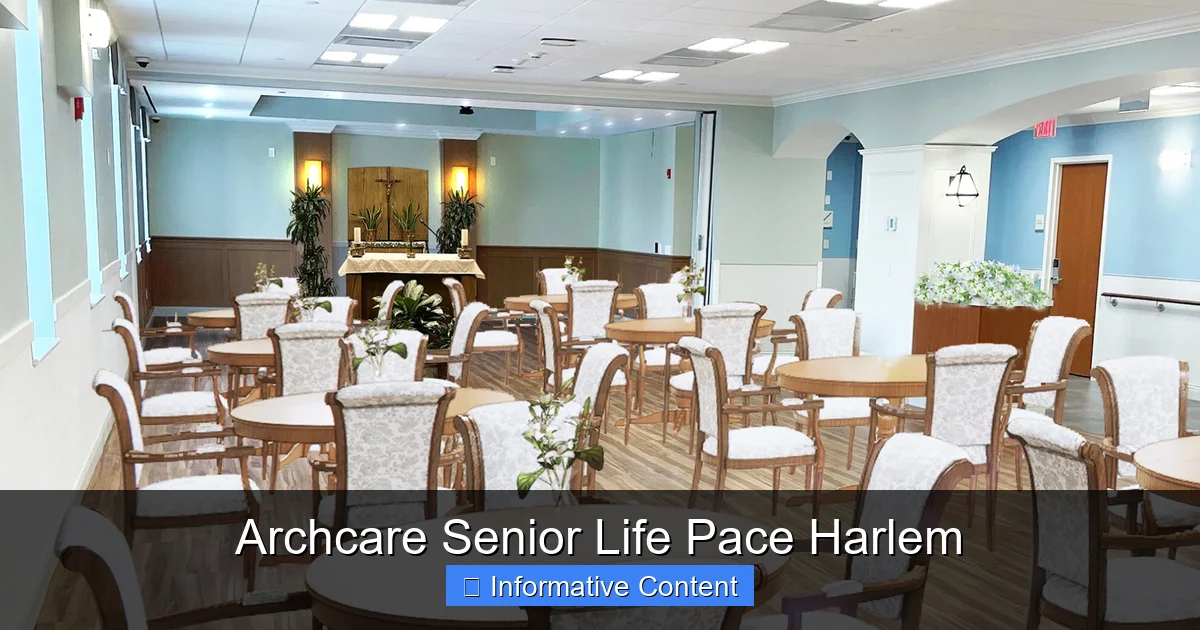
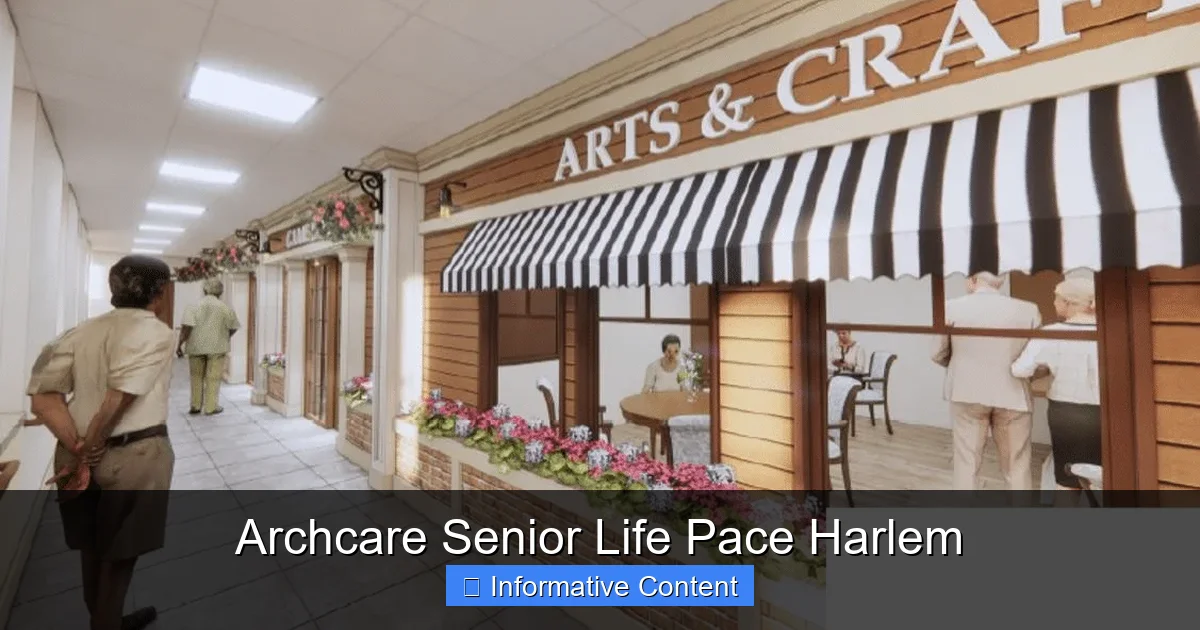
The physical center is more than a medical clinic; it’s a community hub. Designed with accessibility in mind (no slippery floors, plenty of seating, clear signage), it buzzes with activity. In the morning, you might see small groups doing chair yoga in a bright room. In the afternoon, a social worker might lead a discussion on managing medications or a local chef might give a cooking demo on healthy, flavorful meals. The center provides a safe, structured, and engaging environment during the day, which is a huge relief for working family caregivers. It’s a stark contrast to the isolation that can come with staying home alone.
Inside the Day-to-Day: Services in Action
The theory of PACE is great, but what does it look like on a Tuesday for Mrs. Rodriguez, a 78-year-old Harlem resident with diabetes, hypertension, and mild arthritis? Let’s follow her.
Visual guide about Archcare Senior Life Pace Harlem
Image source: archcare.org
The Morning Routine & Transportation
At 8:30 AM, a Archcare van pulls up to her apartment building. The driver, a trained care aide, knows her name, helps her with her walker, and confirms she has her morning medications. The ride to the PACE center is social; she chats with other participants from her building. This reliable transportation is the program’s backbone. Without it, getting to multiple appointments would be a logistical nightmare requiring family time off work or expensive taxis.
At the Center: Medical and Therapeutic Care
By 9:30 AM, she’s at the center. Her first stop is the nursing station for a quick blood pressure and blood sugar check. The RN notes a slightly elevated reading and consults with her care plan. Later, she has a 45-minute physical therapy session in the gym to work on leg strength and balance, aiming to prevent falls. After a nutritious, culturally appropriate lunch (today: baked salmon, quinoa, and steamed greens), she sees the on-site podiatrist to trim her toenails—a simple task that, if neglected, can lead to serious infections for someone with diabetes. The dentist checks her for gum disease, a common issue for seniors. Every provider updates the central electronic health record in real-time.
Social Engagement and the Afternoon
Afternoon might include an art class or a presentation by a local historian about Harlem’s legacy. This social engagement is prescribed as seriously as her physical therapy because loneliness is a known health risk factor for seniors. At 2:00 PM, she’s seen by the center’s geriatrician for a follow-up on her recently adjusted heart medication. The doctor has already reviewed notes from the PT, nurse, and dietitian before the visit. The visit is unhurried. At 3:30 PM, she’s driven home, stopping at the pharmacy if needed—but the pharmacy is likely the center’s own, so prescriptions are ready before she leaves. That evening, a home health aide might visit for two hours to help with bathing and light housework, all coordinated through the same Archcare team.
This seamless integration is the magic. For families considering more sporadic in-home help, it’s worth exploring options like Life At Home Senior Care to understand the spectrum of available services, but PACE offers a much more comprehensive, coordinated package.
Eligibility and Enrollment: Are You a Candidate?
This is the most common question, and the rules are specific but straightforward. To enroll in Archcare Senior Life Pace Harlem, you must meet all four criteria:

Visual guide about Archcare Senior Life Pace Harlem
Image source: archcare.org
The Four Pillars of Eligibility
- Age 55 or Older.
- Live in the Service Area. For the Harlem PACE, this means residing in specific zip codes in Central and West Harlem, Washington Heights, and sometimes adjacent areas. You must be able to get to the center in a reasonable amount of time (usually within the service radius).
- Be Able to Live Safely at Home. This is key. PACE is for people who do not yet need 24/7 nursing home care but require significant support. The program’s goal is to provide that support to keep you at home. A home assessment is part of the process.
- Certified as “Nursing Home Level of Care.” This is a clinical determination made by the state, often based on an assessment tool. It means that without the comprehensive services of PACE, you would need to live in a nursing home. However, with PACE services, you can live at home.
The Enrollment Process: Step-by-Step
If you think you might qualify, the process is designed to be supportive, not intimidating:
- Initial Inquiry & Screening: A simple phone call to the Archcare PACE Harlem office. They’ll ask basic questions about age, address, and general health to do a preliminary eligibility check.
- Comprehensive Assessment: A nurse or social worker will visit your home to conduct a detailed assessment of your medical, functional (ability to bathe, dress, etc.), and social needs. This is your chance to ask questions and express your goals.
- IDT Review & Care Plan Development: The team reviews the assessment and, if you’re eligible, drafts an initial care plan. You and your family are invited to a care plan meeting to discuss and approve it.
- Consent & Enrollment: You sign consent forms. Archcare then handles the paperwork with Medicare and Medicaid to officially disenroll you from your current plans and enroll you in the PACE program. You receive your new member ID card.
- First Visit & Orientation: Your first trip to the center includes an orientation to the facility, staff introductions, and a schedule for your first week of services.
Important Note: You can disenroll from a PACE program at any time and return to traditional Medicare/Medicaid. However, if you disenroll and later want to rejoin, you must go through the eligibility certification process again, which can take weeks. It’s a decision to be made with full information.
Understanding the Costs: What Will You Pay?
The financial structure of PACE is one of its most attractive features, but it can be confusing. The key distinction is your Medicaid eligibility status.
For Dual-Eligibles (Medicare & Medicaid)
If you qualify for both programs and are certified as needing a nursing home level of care, there is no cost to you for any PACE service. No monthly premium. No co-pays. No deductibles. Everything is covered. This is the ideal scenario and the one PACE was designed for. For many Harlem seniors on fixed incomes, this is a life-changing financial relief.
For Medicare-Only or Private Pay Participants
If you are not Medicaid-eligible, you can still join PACE if you meet the other criteria. However, you will pay:
- A Monthly Premium: This is set by Archcare and approved by the state. It covers the Medicaid-covered services you wouldn’t otherwise get. The premium is often significantly lower than the combined cost of a Medicare Advantage plan, a Medigap policy, and separate long-term care insurance or out-of-pocket payments for home care.
- Medicare Co-Pays: You will be responsible for standard Medicare Part A and Part B co-pays for certain services (like hospital stays), just as you would be in traditional Medicare. However, PACE negotiates with providers and often these costs are lower than in the traditional fee-for-service system.
Archcare’s financial counselors will provide a clear, written estimate during the enrollment process. The all-inclusive nature makes budgeting much easier than paying for each therapy session or home health aide hour separately.
For those navigating the complexities of senior healthcare financing, understanding how PACE interacts with other programs is vital. Resources on medical insurance for senior citizens can provide broader context, but PACE aims to be a one-stop solution.
The Tangible Benefits: Why Families Choose PACE
So, beyond the convenience, what are the real-world outcomes? Studies on PACE programs nationwide show impressive results:
Improved Health Outcomes & Reduced Hospitalizations
Because care is proactive and coordinated, issues are caught early. The nurse’s weekly check-ins, the pharmacist’s medication review, and the dietitian’s monitoring prevent small problems from becoming hospitalizations. Data consistently shows PACE participants have lower rates of hospital admissions and readmissions compared to similar seniors in traditional Medicare. This is better for the senior’s health and dramatically reduces out-of-pocket costs.
Delayed or Avoided Nursing Home Placement
This is the core mission. By providing robust in-home supports, therapy to maintain mobility, and management of chronic conditions, PACE allows seniors to stay in the homes they love. For many, this is priceless. The program’s financial model is actually cheaper for Medicaid than paying for a nursing home, making it a win-win for the participant and the state.
Reduced Caregiver Burden
Family caregivers—often adult children—are the invisible backbone of the long-term care system. They experience immense stress, burnout, and financial loss from taking time off work. Archcare Senior Life Pace Harlem lifts this burden significantly. The transportation alone is a massive help. Knowing your loved one is engaged at the center during the day, receiving medical care and socializing, allows caregivers to work, rest, and tend to their own families. The care team also becomes a source of support and education for the family caregiver.
Enhanced Quality of Life & Social Connection
Health metrics are important, but so is happiness. The social aspect of the PACE center cannot be overstated. It combats the isolation that plagues homebound seniors. Participants form friendships, share meals, and participate in activities. They feel seen and valued as individuals, not just as a list of medical conditions. This psychosocial well-being is a critical component of overall health.
Challenges and Considerations: A Balanced View
No program is perfect, and PACE has its limitations. A transparent review includes these points:
Service Area Limitations
You must live within the defined geographic radius of the Harlem center. If your loved one lives in an outlying area or in a borough without a PACE center, this option isn’t available. You cannot “commute” long distances; the transportation model relies on proximity.
Choosing Your Providers
When you enroll in PACE, you generally must use the doctors, specialists, and hospitals within the PACE network (with some exceptions for emergency care). If you have a long-standing, trusted specialist who is not in the Archcare network, you would need to transition to a network provider. This can be a difficult adjustment for some.
The “Lock-In” Effect
While you can disenroll, doing so is a significant hassle and may disrupt your care. It’s a commitment. You are also giving up your traditional Medicare and Medicaid benefits for the duration of enrollment, trusting that the PACE program will meet all your needs. For the vast majority of participants, this trust is rewarded. But it’s a decision that requires confidence in the specific PACE provider—in this case, Archcare’s Harlem program.
Capacity and Wait Lists
Popular PACE programs can have wait lists for enrollment due to capacity limits at their centers. It’s important to inquire about current wait times. The assessment process itself can take 2-4 weeks from initial call to full enrollment.
The Future of Archcare Senior Life Pace Harlem in 2026 and Beyond
Looking ahead, Archcare Senior Life Pace Harlem is poised for growth and innovation. The lessons learned from the COVID-19 pandemic have accelerated telehealth integration, allowing for more virtual check-ins with the care team when in-person visits aren’t necessary. There’s also a growing focus on addressing social determinants of health more aggressively—perhaps through partnerships that provide subsidized internet access for telehealth or home-delivered groceries.
Furthermore, as the demographic wave of the Baby Boomer generation continues to age, demand for PACE will skyrocket. Advocacy at the state and federal levels for increased PACE funding and expansion of service areas is critical. Archcare, with its established reputation, is likely to be a leader in these conversations. The model itself is being watched nationally as a potential solution to the long-term care crisis. For Harlem, it represents not just a medical program, but a community investment in its elders, allowing them to age with dignity, support, and connection right where they have lived their lives.
If you are a Harlem resident or have a loved one who is, and you’re facing the daunting question of “what next?” as care needs increase, a call to Archcare Senior Life Pace Harlem should be a top priority. It represents one of the most complete, person-centered, and financially sensible solutions available in the senior care landscape today. It turns the overwhelming task of coordinating multiple services into a single, manageable partnership focused on one goal: helping you live your best life at home, for as long as possible.
Frequently Asked Questions
Is Archcare Senior Life Pace Harlem only for very sick seniors?
No. It’s for seniors who are certified as needing a nursing home level of care, meaning their needs are significant. However, the program’s goal is to provide enough support to keep them at home. Many participants have multiple chronic conditions like diabetes, heart disease, or arthritis, but are not terminally ill. The focus is on managing conditions to maintain function.
Can I keep my own doctor if I join the PACE program?
Generally, you must use the doctors and specialists within the Archcare PACE network to have your care covered. However, the program has a wide network of providers. During enrollment, you can discuss your current providers. If they are not in-network, the care team will help you transition to a qualified network provider who can take over your care seamlessly.
What happens if I need emergency care, like going to the hospital?
In an emergency, you should always call 911 or go to the nearest emergency room, just like anyone else. The PACE program will be notified and will coordinate your follow-up care and discharge planning to ensure a smooth transition back home or to the PACE center, often avoiding a lengthy hospital stay.
How is the program funded? Is it a government handout?
PACE is a joint federal (Medicare) and state (Medicaid) program. For dual-eligible participants, the funding comes from these entitlement programs. It’s not a “handout”; it’s a prepaid, managed care model. The government pays Archcare a set monthly amount per participant to provide all necessary services, which is often less costly than paying for a nursing home or fragmented fee-for-service care.
What if my health improves and I no longer need the PACE level of care?
If your condition improves and you are re-certified as no longer needing a nursing home level of care, you would be disenrolled from PACE. You would then return to your original Medicare (and Medicaid, if applicable) coverage. The Archcare team would work with you to ensure a smooth transition and provide referrals to other community-based services if needed.
How do I get more information or start the eligibility process?
The best first step is to call the Archcare Senior Life Pace Harlem admissions office directly. Their number is available on the Archcare website. A friendly staff member will conduct an initial screening over the phone, answer your questions, and schedule a no-obligation home assessment if you appear potentially eligible. There is no cost for the assessment process.
