
Anthology Senior Living Pittsburgh Photos


Sock Aid for Seniors

Motion Sensor Night Lights

Bathtub Grab Bar
Choosing the right senior living community is a big decision, and photos are often your very first glimpse into daily life. This guide cuts through the marketing to show you exactly what to look for in Anthology Senior Living Pittsburgh photos, from authentic resident spaces to staged marketing shots. We’ll teach you how to evaluate images critically, understand what they reveal (and what they hide), and leverage modern virtual tools to feel confident before you ever step foot on campus. By the end, you’ll know how to use photos as a powerful tool to narrow your options and prepare for meaningful in-person visits.
Let’s be honest. When you start researching senior living for yourself or a loved one, where do you click first? The photo gallery. We all do it. A picture really is worth a thousand words, especially when you’re trying to imagine a new home. But in the world of senior living marketing, not all photos are created equal. Some are warm, inviting, and real. Others are sleek, empty, and about as personal as a hotel lobby. This is your ultimate, no-nonsense guide to navigating the Anthology Senior Living Pittsburgh photos you’ll find online in 2026. We’ll help you separate the signal from the noise, so you can look at an image and know exactly what story it’s telling—and what it might be leaving out.
Think of this as your personal photo forensic toolkit. We’ll walk through what makes a photo trustworthy, what specific details to zoom in on (literally and figuratively), and how to use those images to ask better questions. Whether you’re exploring independent living, assisted living, or memory care options at Anthology’s Pittsburgh-area communities, the ability to read between the pixels is a superpower. We’ll also touch on how modern tech like interactive tours changes the game and why, sometimes, the most important photo is the one that isn’t on the website at all.
Key Takeaways
- Authenticity Over Polish: Look for photos with natural light, personal resident items, and lived-in details rather than perfectly staged, empty rooms.
- Photos Reveal Community Culture: Images of common areas, dining, and activities show the true vibe—is it vibrant and social or quiet and reserved?
- Technology is Your Friend: In 2026, seek out 360-degree photos, virtual tours, and recent video updates to get a dynamic sense of space and light.
- Compare Side-by-Side: Review photos from multiple communities, like The Orchard Senior Living Apartments, to benchmark floor plans, finishes, and amenity quality.
- Ask for the Unseen: Don’t hesitate to request photos of specific areas like laundry rooms, guest suites, or basement corridors to get the full picture.
- Resident-Generated Content is Gold: Check the community’s social media for unfiltered, real-life moments that official galleries often omit.
📑 Table of Contents
- Why Photos Matter More Than Ever in 2026
- A Virtual Tour: Decoding Anthology Senior Living Pittsburgh Photos
- How to Critically Evaluate: Your Photo Forensic Checklist
- Leveraging Technology: Virtual Tours and 360° Photos
- Comparing Communities: Using Photos as a Benchmarking Tool
- Your Action Plan: From Browsing to Decision
- Conclusion: Your Vision, Validated
Why Photos Matter More Than Ever in 2026
In an increasingly digital world, your first—and sometimes only—interaction with a senior living community might happen through a screen. High-quality photography isn’t just about looking nice; it’s about building initial trust and setting expectations. For families in Pittsburgh and beyond, browsing Anthology Senior Living Pittsburgh photos is a critical step in the shortlisting process. It helps you visualize scale, style, and atmosphere in a way that descriptions alone cannot.
The Psychology of the First Glance
Within seconds, a photo triggers an emotional response. A bright, sun-drenched common area with residents laughing at a game feels welcoming. A sterile, wide-angle shot of an empty corridor can feel institutional and cold. Communities know this. That’s why the investment in professional photography has skyrocketed. Your job is to become a savvy consumer of these images. Ask yourself: Does this feel like a home or a showroom? Are people using the spaces, or are they just props? The answers start with careful observation.
From Static Images to Immersive Experiences
Gone are the days of simple JPEG galleries. In 2026, forward-thinking communities are integrating 360-degree photography, interactive floor plans with embedded photos, and even short video walkthroughs directly into their websites. When you find these features on the Anthology Senior Living Pittsburgh site, use them! A 360-degree photo of a club room lets you see the flow, the light from all windows, and the proximity to other spaces—things a single flat photo can’t convey. This technology bridges the gap between online browsing and the in-person feel, making your eventual tour more targeted and efficient.
A Virtual Tour: Decoding Anthology Senior Living Pittsburgh Photos
Now, let’s apply our critical eye to the specific types of photos you’ll encounter. We’ll break down the common categories and what authenticity looks like in each.
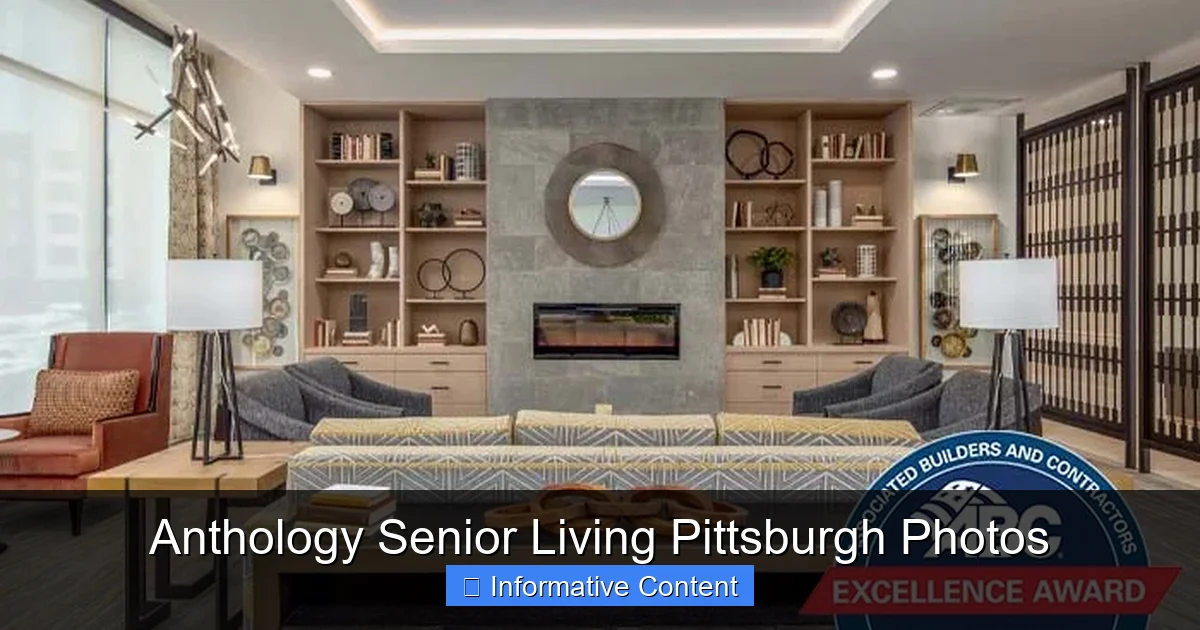
Visual guide about Anthology Senior Living Pittsburgh Photos
Image source: wallworksinc.com
Residential Apartments: The Heart of the Home
This is the most important gallery. Look for photos that show apartments with personality. Is there a favorite armchair by the window? A few books on a shelf? A family photo on a nightstand? These are signs of a lived-in space, even if staged. Be wary of apartments that are completely barren except for the furniture set. Also, scrutinize the details:
- Windows and Light: Do photos show the actual view from the window? A blank wall or a staged tree outside can be a red flag. Natural light is huge for resident wellbeing.
- Storage: Are closets and cabinets shown? How deep are they? A photo that only shows the main living area might be hiding inadequate storage.
- Bathrooms: Look for grab bars, shower seats, and whether the photo shows the entire bathroom. Is it a full bath or a shower-only? Safety features should be visible, not tucked away.
- Layout: Does the photo give you a true sense of the room’s shape and size? Wide-angle lenses can make small spaces look vast. See if there are multiple photos of the same room from different angles.
When comparing, you might pull up photos from a community like The Orchard Senior Living Apartments to see how different developers approach apartment layouts and finish packages. This helps you understand if Anthology’s offerings are typical, above, or below the market standard in terms of space and design.
Dining and Nutrition: More Than Just a Cafeteria
Food is a cornerstone of senior living satisfaction. In dining room photos, look for:
- Table Settings: Are tables set with real plates, glasses, and cutlery? Or are they empty and bare? A set table suggests an actual meal service.
- Menu Display: Is there a visible menu board or daily specials listed? This indicates a focus on variety and choice.
- Resident Interaction: Do you see residents talking together, or is everyone isolated? The best photos show community and conversation over meals.
- Kitchen Visibility: Can you see into the kitchen or serving area? Transparency about food preparation is a positive sign for quality and safety.
Pay attention to the time of day depicted. A breakfast photo with bright light feels different than a dinner photo with softer lighting. Both should feel inviting.
Wellness and Recreation: The Activity Engine
These galleries promise an active lifestyle. Be critical here:
- Diverse Offerings: Do you see photos of different activity types? Fitness (chair yoga, walking clubs), creative (art, music), social (parties, clubs), and spiritual? A community focused only on bingo and movies might not cater to all interests.
- Genuine Engagement: Are residents genuinely engaged in the activity, or are they just posing? Look for focused expressions, smiles of concentration, and interaction with each other and the leader.
- Space Quality: Is the activity room well-lit, with good equipment? A dimly lit room with worn-out craft supplies tells a different story than a bright, organized studio.
- Outdoor Activities: Are there photos of outdoor programs? Gardening, walking paths, patio gatherings? Access to fresh air is non-negotiable for many.
Memory Care: Sensitivity and Safety in Imagery
If you’re looking at memory care, the photo approach is often more curated for privacy and safety. You might see:
- Calming Environments: Soft lighting, clear wayfinding (like color-coded hallways), secure but home-like outdoor gardens.
- Specialized Spaces: Photos of sensory rooms, secure wandering paths, and quiet lounges.
- Staff-to-Resident Ratio Clues: While hard to capture in a photo, observe if images show staff engaged with residents in small groups or one-on-one, not just overseeing large crowds.
- Absence of Over-Stimulation: The design should feel peaceful, not chaotic or overly decorated.
For a comparison of how different providers present memory care, you might review the imagery from a community like Brightview Woodmont Senior Assisted Living Memory Care. Notice the differences in design philosophy and how they translate into photographic storytelling.
Common Areas and Curb Appeal: First Impressions Count
Lobbies, libraries, lounges, and exterior shots set the tone. Here’s your checklist:
- Maintenance: Is the landscaping neat? Are floors, furniture, and walls clean and well-kept in the photos? This suggests overall maintenance standards.
- Comfort:
- Functionality: Does the layout make sense? Can you see where the reception desk is? Are there clear paths to major amenities? A confusing floor plan is a red flag.
- Resident Presence: The most telling common area photos have residents using the space naturally—reading, chatting, playing games. Empty, showroom-perfect lobbies are less reassuring.
How to Critically Evaluate: Your Photo Forensic Checklist
Now that you know what to look for in each category, let’s build a systematic approach. Grab a notebook or open a notes app on your phone. As you browse the Anthology Senior Living Pittsburgh photos, ask these questions:
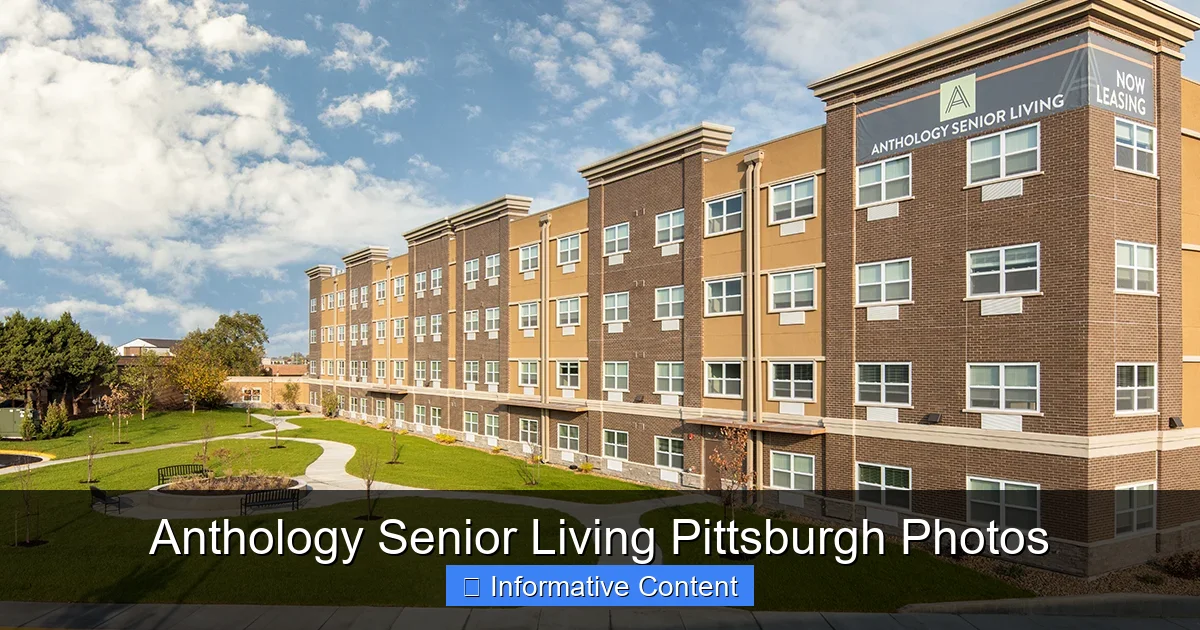
Visual guide about Anthology Senior Living Pittsburgh Photos
Image source: leopardo.com
The “Who” and “When” Test
First, check the photo metadata if available (sometimes listed in captions or EXIF data). When was the photo taken? A community renovates. A photo from 2019 might not reflect a 2024 kitchen remodel. Second, who is in the photo? Are they residents (with varied ages and abilities) or models? Real residents have real faces, with character and lived-in expressions. Stock-photo models often look uniformly happy and stylized. If you can’t tell, that’s a concern.
Spotting the “Staged” vs. the “Lived-In”
Staged photos have telltale signs: everything is too perfect, symmetrically arranged, and spotless. There are no personal items, no clutter, no signs of daily life. A lived-in photo might have a half-finished puzzle on a table, a sweater draped over a chair, a coffee cup on a side table. It feels human. It feels like someone actually lives there. Prioritize communities whose galleries show more lived-in shots. They are demonstrating confidence in the real, daily experience.
Analyzing Composition and Camera Work
Professional photography uses wide-angle lenses to capture more space. This is standard. But be alert if every single photo uses an extreme wide-angle that distorts proportions (making ceilings look higher, corners seem rounded). This can be deceptive. Look for a mix: some wide shots to show the space, and some tighter shots that show details and textures. Also, note the lighting. Harsh, direct flash can create unflattering shadows. Soft, natural-looking light is more representative of a pleasant environment.
The “Missing Room” Syndrome
What’s not shown is often as important as what is. If a community has dozens of photos of the dining room and theater but only one, distant shot of a resident apartment, ask why. Are the apartments less impressive? Smaller? Less updated? A transparent community will give you a full, balanced tour of all key areas. Make a mental list of rooms you expect to see (studio, one-bedroom, bathroom, main common area, dining, activity room, salon, etc.) and see if each has dedicated, clear photos.
Leveraging Technology: Virtual Tours and 360° Photos
In 2026, a static photo gallery is the baseline. The gold standard is an interactive experience. When you find a 360-degree photo or a clickable virtual tour on the Anthology Senior Living Pittsburgh website, treat it like a mini-visit.

Visual guide about Anthology Senior Living Pittsburgh Photos
Image source: burns-scalo.com
How to Navigate a 360° Photo Like a Pro
Don’t just click and look around randomly. Have a mission:
- Check the Corners: Pan your view to the corners of the room. This is where you see the true shape and any clutter or maintenance issues that a straight-on photo might crop out.
- Assess Light Sources: Look up. Where are the windows? How much natural light enters? Click to different times of day if the tour offers it. A room that feels dark at 2 PM will feel very different at 10 AM.
- Measure in Your Mind: Use known objects as a scale. A standard door is about 80 inches tall. A dining table for four is about 30×60 inches. Gauge the room’s size relative to these benchmarks.
- Listen: Some 360 tours have ambient sound. Is there a constant, distracting hum from HVAC? Or can you hear distant conversation and activity, suggesting a lively community?
Video Walkthroughs: The Motion Picture Difference
A short video (60-90 seconds) is incredibly revealing. Watch for:
- Camera Stability: A shaky, amateur video might indicate low investment in digital presentation. Smooth, stable footage suggests professionalism.
- Pacing: Is the video rushed, or does it linger to let you absorb details? The latter is more respectful of your observation.
- Soundtrack and Narration: Is there cheerful music drowning out ambient sound? Or do you hear real life—chatter, clinking dishes, music from an activity? The latter is authentic.
- Staff Interaction: Do you see staff members in the video? Are they interacting with residents, or just walking past? Their engagement level is visible.
Comparing Communities: Using Photos as a Benchmarking Tool
This is where your research pays off. Don’t evaluate Anthology Senior Living Pittsburgh photos in a vacuum. Pull up photo galleries from 2-3 other top-tier communities you’re considering. This comparative analysis is invaluable.
Creating Your Comparison Spreadsheet
Open a simple spreadsheet. List communities down the side (Anthology Pittsburgh, Community B, Community C). Across the top, list criteria: Apartment Size (sq ft), Number of Floor Plans, Bathroom Safety Features, Common Area Variety, Dining Room Ambiance, Outdoor Space Quality, Activity Room Equipment. Then, as you browse photos, jot down observations. “Anthology: 1-br apts show large walk-in shower with fold-down seat, photos show residents gardening in raised beds.” “Community B: Apartments look smaller in photos, fewer personal items, no outdoor garden photos.” This objective record prevents you from relying on memory and emotion alone.
What Different Photo Styles Reveal About Culture
Notice the overall style. Pacifica Senior Living Green Valley, for example, might emphasize resort-style pools and grand lobbies in their photos, signaling a luxurious, resort-like positioning. Another community might focus on cozy library nooks and small-group activities, signaling a more intimate, home-like culture. What is the dominant aesthetic in Anthology Senior Living Pittsburgh photos? Is it modern and sleek? Warm and traditional? Does it match the lifestyle you or your loved one envisions? The photo gallery’s theme is the community’s intentional brand message.
Your Action Plan: From Browsing to Decision
You’ve done the online deep dive. Now what? Your photo analysis should directly inform your next steps.
Crafting Your In-Person Tour Agenda
Don’t just schedule a generic tour. Use your photo findings to request a specific agenda. Based on your review, you might say: “We were very interested in the assisted living apartment floor plans we saw online. Could we specifically see the one-bedroom model with the walk-in shower again, and also see the laundry room on that floor? We also noted the beautiful art studio in your photos—could we see that space during our visit, ideally when an activity is happening?” This shows you’ve done your homework and allows you to verify what you saw online.
The “Ask to See” List: What Photos Might Hide
There are certain areas communities rarely photograph. Politely ask to see these during your tour. It’s a fair request:
- The “Back of House”: Staff break rooms, laundry facilities, maintenance areas. Cleanliness here reflects operational standards.
- All Corridor Types: Not just the main, beautiful hallways. Ask to see a typical resident hallway, especially in memory care. Is it well-lit? Are doors clearly marked? Is there a sense of calm or clutter?
- Storage Areas: Where do residents store seasonal items, extra furniture, or large possessions?
- Guest Accommodations: If your family visits, where do they stay? Is there a guest suite or comfortable sofa bed area?
Verifying with Resident and Family Conversations
During your tour, ask the sales counselor: “We saw some lovely photos of the gardening club. Could we speak with a resident who participates in that?” Or, “The photos of the dining room look great. Do families often join for meals, and what is that experience like?” The goal is to connect the visual promise of the photos with the verbal testimony of current residents. If the reality described matches the imagery, that’s powerful validation. If there’s a disconnect—”Oh, that garden photo is from our other campus” or “We don’t do that activity anymore”—that’s a major red flag.
Conclusion: Your Vision, Validated
Browsing Anthology Senior Living Pittsburgh photos is more than a passive scroll. It’s an active investigation. You are the detective, and every image is a clue about daily life, values, and attention to detail. By learning to decode these clues—distinguishing authentic lived-in moments from polished marketing sets, leveraging 360-degree technology, and comparing benchmarks—you transform from a passive viewer into an empowered decision-maker.
The ultimate goal of all this photo analysis is simple: to ensure that the first impression you get online aligns as closely as possible with the thousand impressions you’ll get during a visit. It’s about minimizing surprise and maximizing confidence. When you finally walk through the front door of Anthology Senior Living Pittsburgh, you shouldn’t feel like you’re seeing it for the first time. You should feel like you’re coming home to a place you already know, because you’ve seen its true character in the quiet moments captured between the posed shots. Use photos as your preliminary guide, but always, always let the in-person experience—the smell of the coffee, the sound of laughter in the hall, the feel of a sunny window seat—be your final verdict.
Frequently Asked Questions
Are the photos on the Anthology Senior Living Pittsburgh website recent?
Not always. Always check for photo dates or captions. Communities update galleries after major renovations, which can be every 3-5 years. If dates aren’t listed, ask the community directly how recent the photos are. In 2026, many communities also use “stock” photography for generic shots, so be sure to ask, “Is this a photo of your Pittsburgh location specifically?”
How can I tell if a senior living photo is staged or shows real resident life?
Look for humanizing details: personal items like family photos, books, or mementos. Notice if residents in the photo have natural, unposed expressions. Check for signs of daily life—a half-empty coffee cup, a puzzle in progress, a sweater on a chair. Perfectly symmetrical, spotless rooms with no personal belongings are often staged. Real life has a little bit of beautiful clutter.
Can I request additional photos of specific areas before I visit?
Absolutely, and you should. Any reputable community will accommodate reasonable requests. Ask for photos of a specific floor plan type, the laundry room on a particular floor, the outdoor garden in different seasons, or the memory care common area at a typical time of day. Their willingness and speed in providing these are an early test of their customer service and transparency.
What should I look for in photos of resident apartments?
Focus on functionality and safety: grab bars in the bathroom, shower seats, non-slip flooring, ample lighting, and easy-to-reach storage. Also, assess natural light from windows and the actual view. Look for multiple photos of the same room from different angles to gauge true size. Be wary if only one, ultra-wide-angle shot is provided for each apartment type.
How do interactive virtual tours compare to looking at static photos?
They are vastly superior for understanding space and light. A 360-degree tour lets you control your view, check corners, and get a sense of room proportions that a single photo can distort. You can “stand” in a room and see how it flows into the next. Video walkthroughs add sound and motion, giving you a feel for the atmosphere. Always prioritize communities that offer these interactive tools.
Are there any community-specific photo resources besides the main website?
Yes. Check the community’s official Facebook and Instagram pages. These often feature unfiltered, recent photos and videos from activities, resident birthdays, and daily life posted by staff. This is often the best source for seeing the genuine, un-staged culture. Look at the frequency and content of these posts—consistent, happy resident engagement is a strong positive signal.