
Angels Senior Living at Palm Harbor


Automatic Pill Dispenser

Lap Desk for Reading

Electric Jar Opener
Angels Senior Living at Palm Harbor is a renowned senior care community in Florida offering a spectrum of services from independent living to memory care. This guide provides an in-depth look at its 2026 offerings, costs, and resident experience to help families make informed decisions.
Choosing a senior living community is one of the most significant and heartfelt decisions a family can make. It’s about finding a place that feels like home, provides safety, and offers the right level of support for your loved one’s unique journey. In the vibrant Tampa Bay area of Florida, Angels Senior Living at Palm Harbor has established itself as a cornerstone of compassionate care and vibrant senior living. As we look ahead to 2026, this community continues to evolve, integrating the latest in wellness programming and senior care best practices while maintaining its foundational promise of treating every resident like family. This comprehensive guide will walk you through everything you need to know, from the daily rhythms of life there to the financial considerations, helping you see if this is the perfect fit.
Palm Harbor itself is a gem on Florida’s Gulf Coast. It’s known for its beautiful parks, quiet neighborhoods, and a slightly less frenetic pace than nearby downtown St. Petersburg or Tampa. For seniors, this translates to a serene environment that’s still rich with opportunity. Residents at Angels Senior Living at Palm Harbor can enjoy the year-round sunshine and mild winters that Florida is famous for, which is a major draw for those looking to escape harsher northern climates. The community’s location provides convenient access to top-tier medical centers like Mease Dunedin Hospital and various specialty clinics, which is a critical factor for families prioritizing health security. It’s a balance of peaceful retirement living with the reassurance of being near comprehensive healthcare resources.
Key Takeaways
- Understanding angels senior living at palm harbor: Provides essential knowledge
📑 Table of Contents
- A Community Built on Care: Understanding the Levels of Service
- The Palm Harbor Lifestyle: Amenities, Dining, and Engagement
- Navigating Costs and Financial Planning for 2026
- What to Expect on a Tour: A Family’s Checklist
- Is Angels Senior Living at Palm Harbor the Right Fit? Final Considerations
- Conclusion: A Partner in Your Loved One’s Next Chapter
A Community Built on Care: Understanding the Levels of Service
One of the primary advantages of a community like Angels Senior Living at Palm Harbor is its continuum of care model. This means your loved one can transition between different levels of support without the upheaval of moving to an entirely new facility. It provides incredible peace of mind for families. The main tiers typically include:
Independent Living: Freedom with a Safety Net
This is for active, self-sufficient seniors who want to downsize and enjoy a maintenance-free lifestyle. Residents live in private apartments or cottages, often with kitchenettes, and have access to a full calendar of social events, fitness classes, and communal dining. Housekeeping, landscaping, and utility services are included, allowing residents to focus on hobbies, travel, and social engagement. It’s the perfect blend of autonomy and community. For those considering this option, it’s helpful to understand the general age at which people begin exploring these lifestyles; a good resource is our article on at what age you are considered a senior citizen, which provides context on typical transition timelines.
Assisted Living: Support for Daily Living
As needs change, Assisted Living provides personalized help with Activities of Daily Living (ADLs) such as bathing, dressing, medication management, and mobility. At Angels Senior Living at Palm Harbor, this is not a one-size-fits-all approach. Trained caregivers are available 24/7, and care plans are tailored. The environment remains residential and dignified, encouraging as much independence as possible. Residents still enjoy their own apartments and participate in community activities. This level of care is ideal for individuals who are finding daily tasks increasingly challenging but do not require the constant medical supervision of a nursing home.
Memory Care: Specialized Support for Cognitive Challenges
For residents living with Alzheimer’s disease or other forms of dementia, the community offers a dedicated, secure Memory Care neighborhood or wing. This area is designed with safety and orientation in mind—using color-coded hallways, clear signage, and secure outdoor gardens. Staff receives specialized training in dementia care, focusing on validation therapy, structured routines, and creating moments of joy. Programs are designed to engage residents at their specific cognitive stage, promoting dignity and reducing anxiety. The secure environment prevents wandering, a common and serious concern for families.
Respite & Short-Term Stays
This is a valuable, often underutilized service. Whether a caregiver needs a break (caregiver respite) or a senior is recovering from a hospital stay (short-term rehab), Angels Senior Living at Palm Harbor offers temporary stays. This allows the individual to experience the community firsthand and gives families a crucial breather. It’s also an excellent way to “test drive” the community before committing to a long-term move.
The Palm Harbor Lifestyle: Amenities, Dining, and Engagement
A senior living community is more than just care; it’s a lifestyle. The philosophy at Angels Senior Living at Palm Harbor centers on holistic wellness—nurturing the body, mind, and spirit. This is evident in the breadth of amenities and programs designed to keep residents active, connected, and fulfilled.
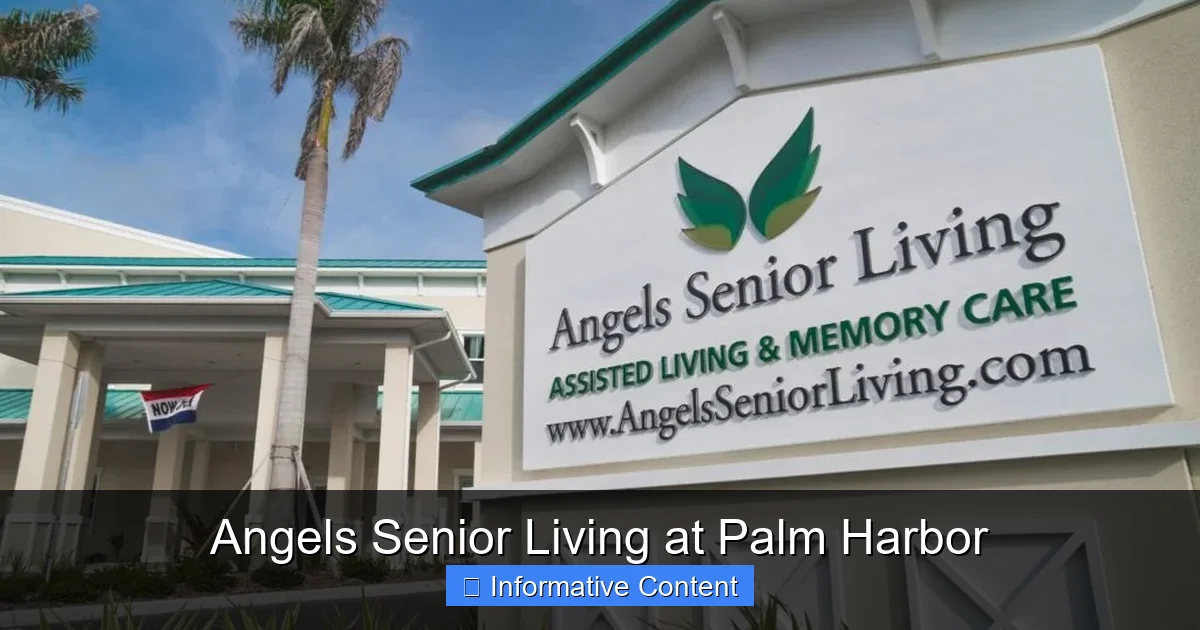
Visual guide about Angels Senior Living at Palm Harbor
Image source: angelsseniorliving.com
Dining: More Than Just Meals
Forget the stereotype of bland, institutional food. The dining experience here is a highlight. A professional culinary team prepares chef-inspired, nutritious meals that are also delicious. Menus often rotate seasonally and can accommodate various dietary needs—low sodium, diabetic-friendly, texture-modified diets. Meals are served in an elegant, restaurant-style dining room, encouraging social interaction. The act of sharing a meal is a fundamental social ritual, and the community fosters this beautifully. Residents often cite the quality and variety of the food as a top reason for their satisfaction.
Activity & Wellness Calendar
boredom is a non-starter. The activity director crafts a robust, daily calendar with options for every interest and ability level. This might include:
- Fitness: Low-impact aerobics, chair yoga, water aerobics (if a pool is available), walking clubs, and balance classes to maintain mobility and prevent falls.
- Learning & Creativity: Guest lectures, book clubs, art classes, computer workshops, and gardening in community plots.
- Social & Recreational: Happy hours, movie nights, bus trips to local shopping or cultural sites, holiday celebrations, and intergenerational programs with local schools.
- Spiritual & Emotional: On-site chaplain services, meditation sessions, and support groups.
The goal is to provide purpose and engagement, which are directly linked to improved quality of life and even cognitive health for seniors.
Outdoor & Common Spaces
The physical environment is designed to be both beautiful and functional. Secure, landscaped courtyards with walking paths, shaded seating areas, and gardens allow residents to enjoy Florida’s sunshine safely. Indoor common areas—like a cozy library, a game room, a salon/barber shop, and a fitness center—are hubs of activity. These spaces are intentionally designed to encourage spontaneous social interaction and provide quiet corners for reflection.
Navigating Costs and Financial Planning for 2026
Understanding the financial structure is a critical part of the decision-making process. Senior living is a significant investment in your loved one’s well-being. At Angels Senior Living at Palm Harbor, as with most communities, costs are typically structured as follows:
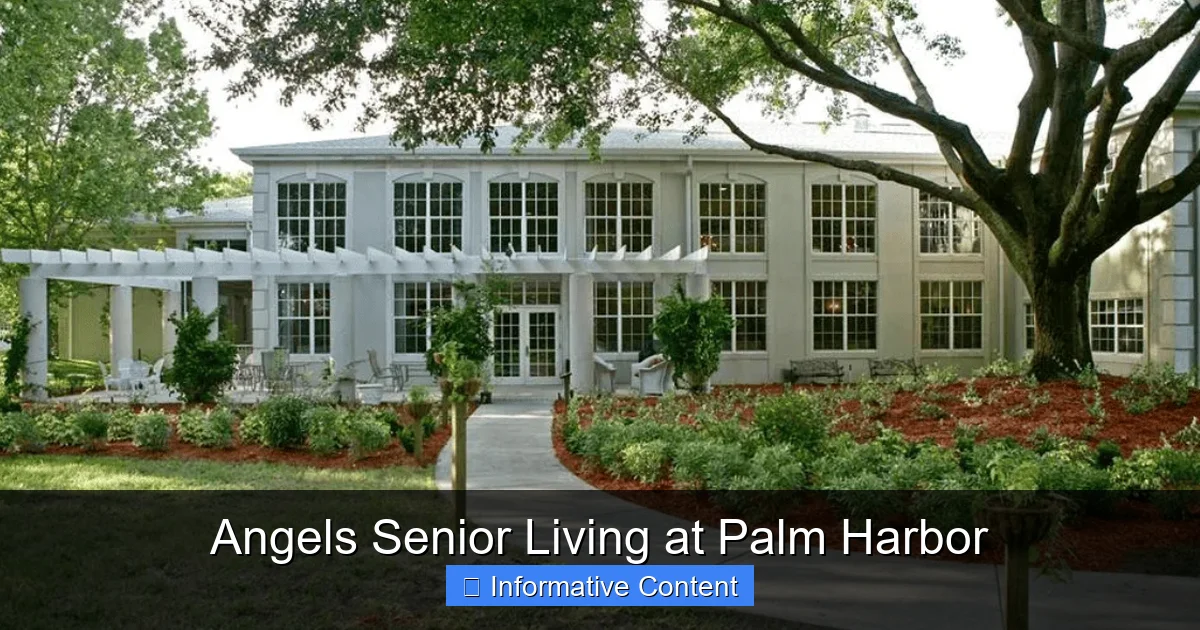
Visual guide about Angels Senior Living at Palm Harbor
Image source: payingforseniorcare.com
Base Monthly Rate
This is the foundational cost that covers the apartment (size and type determine price), three daily meals, utilities (except phone/TV), weekly housekeeping and linen service, access to all common areas and amenities, and basic social programming. For Independent Living, this is often the primary cost. For Assisted Living and Memory Care, this base rate is the starting point before care fees are added.
Care & Service Fees
This is where personalization comes in. Upon move-in, a comprehensive assessment is conducted by nursing staff to determine the level of assistance required. Based on this, a personalized care plan is created with a corresponding monthly fee. This fee scales with the number and type of services needed (e.g., number of baths per week, medication management reminders, extensive mobility assistance). It’s important to get this estimate in writing. Memory Care often has an all-inclusive monthly rate that bundles specialized care and security into one price, simplifying budgeting.
Other Potential Costs
These can include:
- Move-in/Community Fee: A one-time, often non-refundable fee that covers administrative costs and may include initial setup.
- Personal Item Expenses: Costs for personal hygiene products, clothing, etc.
- Extra Services: Laundry beyond the weekly service, private transportation outside scheduled community runs, beauty salon services, or guest meals.
For 2026, pricing in Florida’s senior living market continues to see modest annual increases due to inflation, staffing costs, and rising real estate expenses. It’s crucial to ask the community for their current rate sheet and any planned increases for the upcoming year. Always inquire about what happens if a resident’s care needs increase—how and when will the care fee be adjusted?
Financial Assistance Options
Private pay is the most common method, but families should explore all avenues:
- Long-Term Care Insurance: If your loved one has a policy, it may cover a significant portion of assisted living costs.
- Veterans Benefits: The Aid and Attendance benefit can help eligible veterans and their spouses cover senior living costs. This is a valuable but underutilized resource.
- Medicaid: Unfortunately, Medicaid does not typically cover assisted living in Florida, but it may cover the medical component of care in some specific waiver programs. Eligibility is complex and state-dependent.
- Life Insurance & Annuities: Some policies can be converted or leveraged to pay for care.
Consulting with a financial advisor who specializes in elder care is highly recommended. You might also compare the bundled cost of living here with the potential costs of staying at home with in-home care, which includes mortgage/rent, utilities, home maintenance, and paid caregiver wages, to get a true apples-to-apples comparison.
What to Expect on a Tour: A Family’s Checklist
Scheduling a personal tour is non-negotiable. Photos and videos can’t capture the feeling, smell, sound, and energy of a community. When you visit Angels Senior Living at Palm Harbor, go in with a keen eye and a list of questions. Here’s a practical checklist:
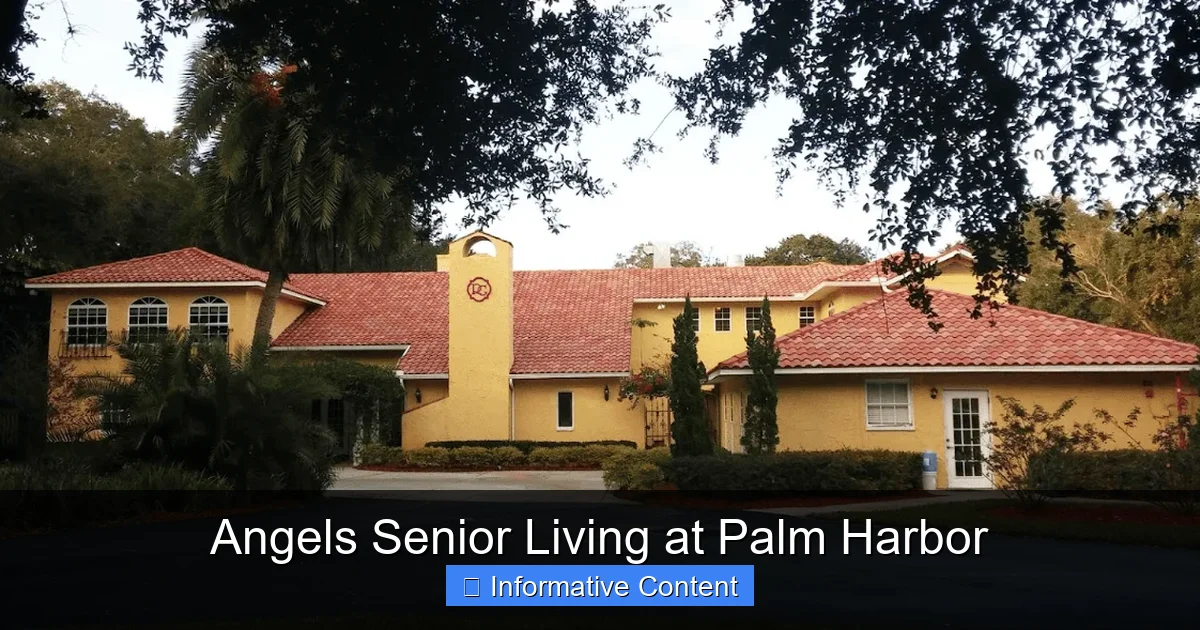
Visual guide about Angels Senior Living at Palm Harbor
Image source: payingforseniorcare.com
First Impressions & Atmosphere
Drive up. Is the exterior well-maintained? Walk in. What does it smell like? It should smell clean—like lemon or linen—not of disinfectant or food. Is the lighting bright and cheerful? Do staff members greet you warmly and make eye contact? Do residents seem engaged and content, or are they listlessly sitting in chairs? Your gut feeling about the overall vibe is important.
Ask About Staffing
This is the heart of care quality. Ask: What is the staff-to-resident ratio for each care level, day and night? What are the qualifications and training requirements for caregivers? How are staff scheduled? Is there always a nurse on-site or on-call? High turnover can be a red flag; you can ask about their average staff tenure. Observe the interaction between staff and residents during your tour—are they respectful, patient, and friendly?
Examine the Apartments & Common Areas
Are the apartments a comfortable size? Is there ample natural light? What safety features are standard (grab bars in bathrooms, emergency call buttons, no-threshold showers)? Can residents bring their own furniture? Check the common areas—are they clean, well-decorated, and inviting? Is there outdoor space, and is it secure and accessible?
Sample the Food
Always ask to see a menu and, if possible, stay for a meal. You are essentially hiring this community to feed your loved one daily. Is the food appetizing and varied? Does it look and smell fresh? Observe the dining room setup—are tables small and intimate to encourage conversation, or large and cafeteria-style?
Talk to Residents & Families
This is your best source of unfiltered information. If the tour guide allows it, ask to speak with a current resident or two. Simple questions like, “What do you like most about living here?” and “Is there anything you wish were different?” can be very revealing. Also, ask the community if they can provide references from families. A reputable community will be happy to connect you.
Is Angels Senior Living at Palm Harbor the Right Fit? Final Considerations
After touring and gathering information, weigh the pros and cons against your loved one’s specific needs, preferences, and budget. Consider their personality—are they social and would thrive on a busy activity calendar, or are they more private and would prefer a quieter corner of the community? Assess their current and projected care needs. Does the community have a strong reputation and long-standing presence in the Palm Harbor area? Check online reviews (on sites like Care.com for senior care reviews or Google) but read them critically, looking for recurring themes rather than isolated incidents.
Remember, the “best” community is subjective. It’s the one where your loved one feels safe, respected, engaged, and happy. Angels Senior Living at Palm Harbor offers a compelling package for many families: a desirable Florida location, a full continuum of care, robust amenities, and a focus on person-centered care. The key is to ensure that their specific operational model, staffing, and culture align with your family’s expectations for 2026 and beyond.
Conclusion: A Partner in Your Loved One’s Next Chapter
The search for senior living is ultimately a search for peace of mind—for both the senior and their family. Angels Senior Living at Palm Harbor represents a model of modern senior care that prioritizes dignity, engagement, and personalized support. By providing a seamless continuum from independent living to specialized memory care, it removes the fear of future moves. Its Palm Harbor location offers the best of Florida living with essential nearby medical resources. While costs require careful planning, the value lies in the holistic package of safety, nutrition, social connection, and professional care. Take the time to visit, ask tough questions, and trust your instincts. The right community won’t just be a place where your loved one lives; it will be a place where they truly thrive in their next chapter.
Frequently Asked Questions
What is the average monthly cost at Angels Senior Living at Palm Harbor in 2026?
Costs vary significantly by care level and apartment size. For 2026, Independent Living typically ranges from $2,500 to $4,000+, Assisted Living from $4,000 to $6,500+, and Memory Care from $5,500 to $7,500+ per month. These are estimates; the community provides personalized quotes based on individual needs and apartment selection.
What is the difference between Assisted Living and a Nursing Home?
Assisted Living provides help with daily activities and some medical oversight in a residential, apartment-style setting. It is not licensed to provide 24/7 skilled nursing care. A Nursing Home (or Skilled Nursing Facility) provides a higher level of medical care and is for individuals with complex, ongoing medical needs requiring constant professional nursing intervention.
Can residents bring their own furniture and pets?
Yes, residents are encouraged to personalize their apartments with their own furniture and cherished belongings to create a familiar, homelike environment. Most communities have pet-friendly policies with size and breed restrictions, often with a pet deposit. Always confirm the specific pet policy during your tour.
How are medical emergencies handled?
The community has 24/7 staff trained in first aid and CPR. Each apartment is equipped with an emergency call system. For medical emergencies, staff will call 911 and accompany the resident to the hospital. The community maintains strong relationships with local hospitals and ambulance services for swift response.
What happens if my loved one’s care needs increase over time?
This is the benefit of a continuum of care community. As needs change, the resident can transition to a higher level of care within the same community. Their apartment may change to one better suited for increased mobility needs, and their care plan and monthly fee will be adjusted accordingly after a new assessment.
Is there a minimum length of stay?
Most communities, including Angels Senior Living at Palm Harbor, require a minimum lease or residency agreement, often for 12 months for apartment-style living. However, Respite and Short-Term Stays are available for periods as short as a few days to several weeks, providing flexibility for trial stays or caregiver breaks.
