
Active Senior Communities in Maryland


Toilet Safety Rails

Automatic Jar Opener

Adjustable Walker with Wheels
Maryland’s active senior communities blend comfort with excitement, offering everything from waterfront recreation to lifelong learning. These thoughtfully designed neighborhoods prioritize wellness, connection, and purpose for residents aged 55+ who refuse to slow down.
Maryland isn’t just known for its rich history or scenic Chesapeake Bay views—it’s also becoming a top destination for active senior communities. From bustling Baltimore suburbs to quiet Eastern Shore towns, retirees across the state are trading passive living for dynamic, socially rich environments where fitness, friendship, and fun go hand in hand. Whether you’re looking to downsize your home, relocate closer to grandchildren, or simply enjoy more time doing what you love, these communities offer something truly special: a place where aging doesn’t mean slowing down.
What sets Maryland apart? It’s not just about the climate—though four distinct seasons do help. It’s the way communities here blend resort-style amenities with genuine neighborly spirit. Picture morning yoga by the pool, afternoon bridge games in a sunlit lounge, evening concerts under starry skies, and next-day trips to Annapolis or Ocean City organized by the community itself. And best of all? You don’t have to choose between comfort and activity. In Maryland’s active senior communities, you get both.
Key Takeaways
- Maryland offers diverse active senior communities across urban, suburban, and coastal settings—perfect for every lifestyle preference.
- Resort-style amenities are standard, including pools, fitness centers, golf courses, and walking trails tailored to older adults.
- Social engagement drives community design, with clubs, classes, and volunteer opportunities that foster lasting friendships.
- Healthcare access is integrated, often within walking distance or on-site, ensuring peace of mind without sacrificing independence.
- Affordability varies widely, with options ranging from luxury move-in fees to low-income senior housing programs.
- Transportation services enhance mobility, connecting residents to cultural events, medical appointments, and local attractions.
- Pet-friendly policies encourage companionship, allowing furry family members to stay part of the active lifestyle.
📑 Table of Contents
- Why Choose an Active Senior Community in Maryland?
- Top Locations for Active Seniors in Maryland
- Amenities That Make Active Living Possible
- Cost Considerations and Financial Options
- How to Choose the Right Community
- Community Life: More Than Just Activities
- The Future of Active Senior Living in Maryland
Why Choose an Active Senior Community in Maryland?
Let’s face it—many traditional retirement setups focus on safety over stimulation. But today’s seniors aren’t settling for quiet isolation or cookie-cutter routines. They want vibrancy, choice, and control. That’s exactly what Maryland’s active adult communities deliver.
Take Howard County near Baltimore, for example. Here, residents at places like The Villages at Cherry Grove enjoy weekly farmers’ markets, art workshops, and even pickleball tournaments—all steps from their front doors. Or consider Ocean City, where coastal charm meets active living. Communities there might include kayaking excursions, beach volleyball leagues, or seasonal festivals that bring generations together.
But it’s not all fun and games (well, mostly fun). These communities also recognize that health matters. Many partner with nearby clinics or offer on-site wellness centers featuring physical therapy, nutrition counseling, and chronic disease management. Plus, emergency response systems and accessible floor plans ensure everyone can live safely and independently.
Another big draw? The sense of belonging. Unlike nursing homes or assisted living facilities, active senior communities welcome people as they are—curious, social, and eager to contribute. Want to start a book club? A gardening group? A tech tutoring program for younger neighbors? Chances are, someone else has already done it—or will join you if you ask!
The Benefits Beyond the Amenities
While pools and pickleball courts are fantastic, the real magic happens in the daily moments: a shared laugh over coffee, a helping hand after surgery, or a quiet chat by the fireplace when the weather turns chilly. These connections build resilience, reduce loneliness, and even improve mental clarity.
Studies show that socially engaged seniors tend to live longer, recover faster from illness, and report higher overall satisfaction. In Maryland’s active senior communities, those benefits come naturally because relationships are woven into the fabric of daily life.
Plus, maintenance-free living means no more shoveling snow, mowing lawns, or fixing leaky faucets. That frees up time for hobbies, travel, volunteering—whatever lights you up. And since most communities include utilities, landscaping, and housekeeping in monthly fees, budgeting becomes simpler too.
Top Locations for Active Seniors in Maryland
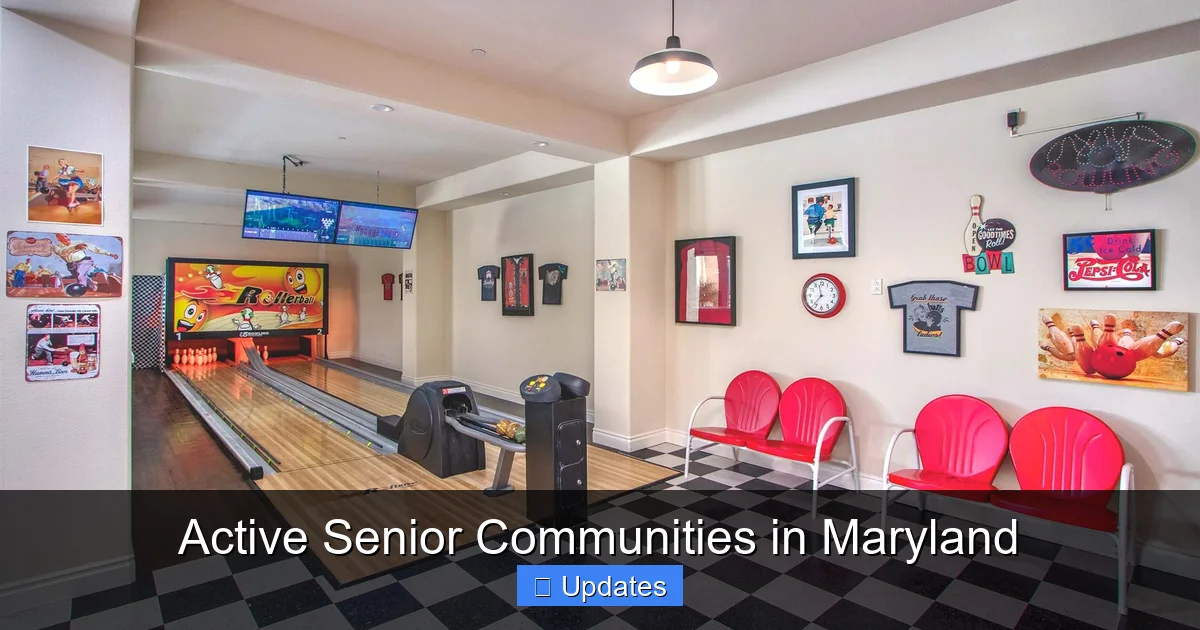
Visual guide about Active Senior Communities in Maryland
Image source: southcoastdesigngroup.com
Maryland’s geography gives retirees access to wildly different lifestyles within easy driving distance. Let’s explore some standout regions:
Baltimore & Suburbs – Urban Energy Meets Suburban Comfort
Just outside Baltimore, communities like Bellerive at Catonsville offer urban convenience with a peaceful setting. Residents here can walk to grocery stores, pharmacies, and cultural venues like the B&O Railroad Museum. The community itself features indoor/outdoor pools, fitness studios, and regular trips to the Inner Harbor.
Nearby, The Reserve at White Marsh caters specifically to active adults who want proximity to shopping malls, theaters, and major highways—but still crave green spaces and quiet streets. Their calendar includes wine tastings, ballroom dancing, and even intergenerational storytelling nights with local school kids.
Annapolis & Surrounding Areas – Historic Charm with Modern Convenience
For those who adore colonial architecture, sailing culture, and maritime history, Annapolis is hard to beat. Communities here often feature nautical themes, waterfront decks, and easy access to sailing regattas or sunset cruises.
One such spot is Sailors Cove Retirement Community, which blends historic charm with modern amenities. Weekly outings might include visits to the Naval Academy, lectures on local history, or picnics at Quiet Waters Park. Pet owners especially appreciate the dog park and walking paths along the Severn River.
Ocean City & Coastal Regions – Beach Life Without the Hassle
If sun, sand, and sea call your name, Maryland’s Eastern Shore offers incredible options. In Ocean City, Bayview Estates provides ocean-view villas with private balconies, heated pools, and direct beach access. Residents can join surf lessons, shell-collecting walks, or seasonal crab feasts hosted by the community.
Even better? No need to worry about storm damage repairs or winterizing your second home. Maintenance is handled by the association, so you can enjoy coastal living year-round—even during blustery November days.
Frederick & Western Maryland – Mountains, Trails, and Small-Town Warmth
Not everyone wants to be near water. For mountain-lovers, Frederick offers rolling hills, hiking trails, and charming downtown shops. Here, Hilltop Commons sits atop Catoctin Mountain, offering panoramic views and outdoor recreation galore.
From birdwatching excursions to pottery classes, residents stay busy without feeling rushed. And with nearby hospitals and specialists, healthcare access remains strong despite the rural vibe.
Amenities That Make Active Living Possible
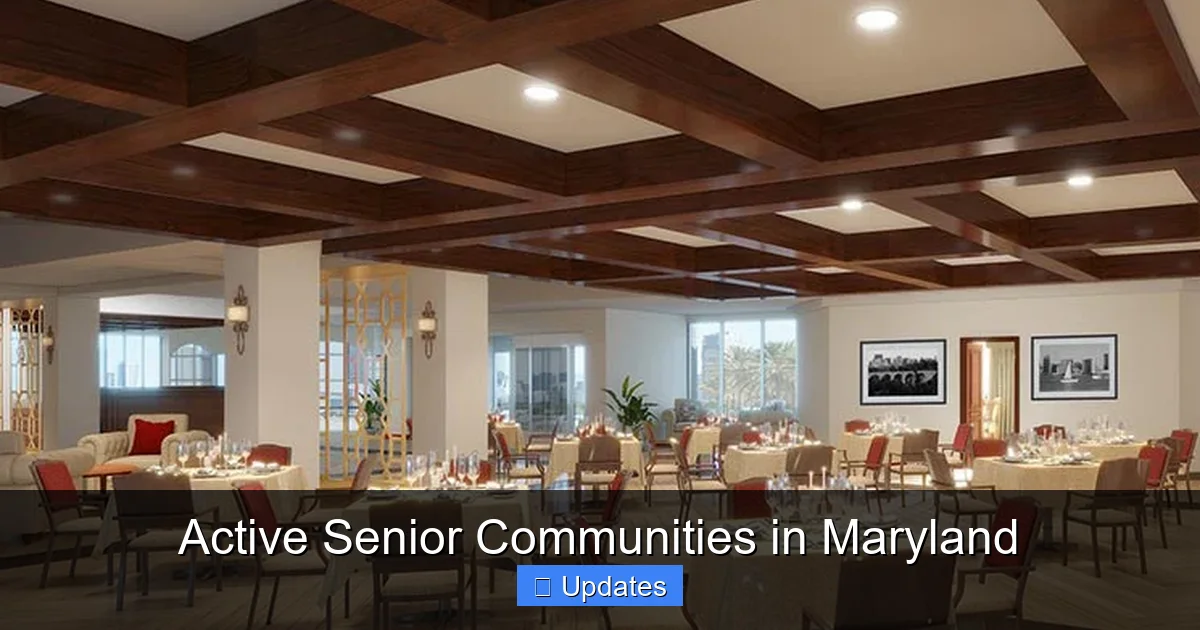
Visual guide about Active Senior Communities in Maryland
Image source: southcoastdesigngroup.com
So what makes these communities truly “active”? It starts with intentional design. Every facility is built to encourage movement, interaction, and joy—not just convenience.
Fitness and Wellness Centers
Forget boring gyms with outdated equipment. Today’s active senior communities feature state-of-the-art fitness centers staffed by certified trainers who specialize in senior wellness. Classes range from low-impact aerobics and tai chi to strength training using resistance bands and light weights.
Many also offer hydrotherapy pools for arthritis relief or balance issues. Yoga studios host sunrise sessions overlooking gardens, while meditation rooms provide quiet corners for reflection.
Recreation and Social Spaces
Lounge areas aren’t just for watching TV—they’re hubs for conversation and creativity. Think board game cafes, craft rooms stocked with supplies, and libraries with best-selling novels and audiobooks.
Outdoors, expect splash pads for cooling off in summer, putting greens, shuffleboard courts, and gazebos perfect for impromptu jam sessions with neighbors.
Dining Experiences
Gone are the days of institutional cafeteria food. Most communities feature multiple dining venues—from casual bistros serving fresh salads to formal restaurants hosting themed dinners. Some even let residents order specialty meals via app, delivered right to their doorsteps.
Dietary needs? Handled easily. Gluten-free, diabetic-friendly, vegetarian—you name it. Chefs work closely with nutritionists to create menus that taste great and support long-term health.
Travel and Outings
One of the biggest perks? Organized excursions. Whether it’s a day trip to Washington D.C., a weekend getaway to Virginia Beach, or a multi-day cruise through the Bahamas, transportation and planning are taken care of.
These aren’t rushed tour buses either—they’re flexible, inclusive adventures led by friendly guides who know how to pace activities for mixed abilities.
Cost Considerations and Financial Options
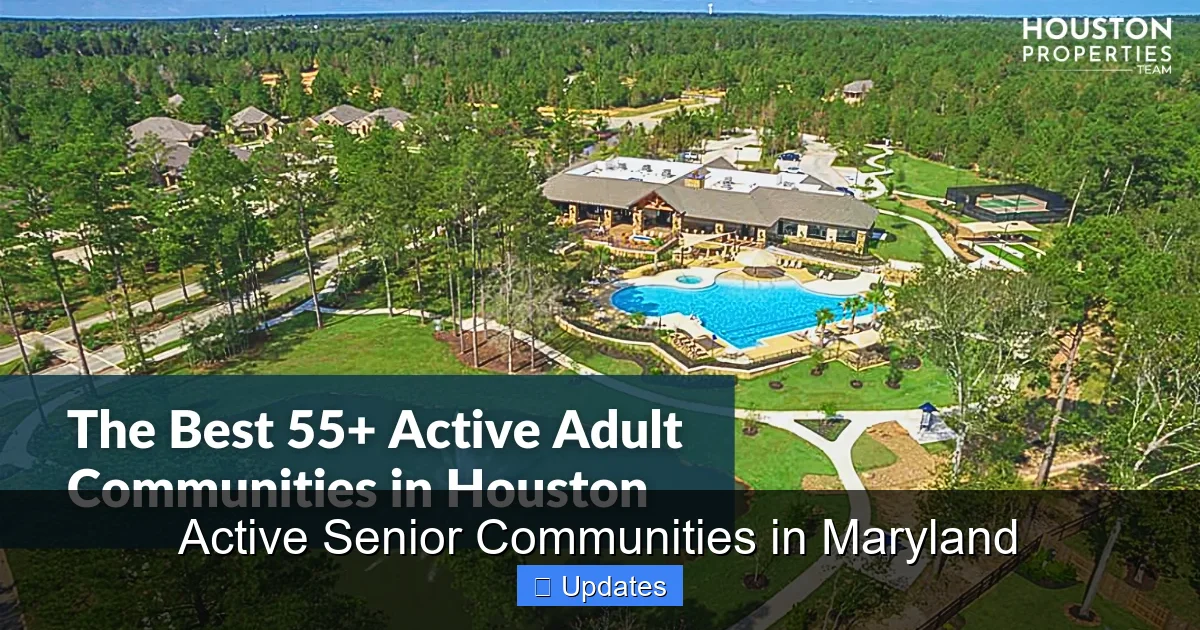
Visual guide about Active Senior Communities in Maryland
Image source: media-www.houstonproperties.com
Now, let’s talk money—because affordability is key when choosing where to spend your golden years.
Entry costs vary dramatically. At luxury communities like those in Bethesda or Potomac, entrance fees can run $300,000+, plus monthly maintenance fees starting around $1,500. But don’t assume that’s the norm.
In contrast, mid-range communities in Salisbury or Hagerstown may charge as little as $75,000 upfront with $800/month fees. Even better, Maryland offers several programs supporting lower-income seniors.
For instance, low-income senior housing in Fort Collins (while not in MD) illustrates how government-subsidized units exist nationwide—and similar options operate right here in Maryland through HUD-approved developments. Always ask about waitlists and eligibility during tours.
Also worth noting: many communities offer financing plans, rent-back agreements (great if you’re selling your current home), or even resale guarantees. Be sure to clarify ownership type—whether it’s a condominium, cooperative, or leasehold estate—before signing anything.
Hidden Costs to Watch For
Even with transparent pricing, watch out for add-on charges:
- Parking permits (sometimes mandatory)
- Guest fees beyond a few days per month
- Special assessments for pool renovations or roof repairs
- Pet deposits or breed restrictions
Reading the fine print during contract review pays off big time. If possible, bring a trusted friend or advisor to meetings.
How to Choose the Right Community
With so many excellent choices, narrowing things down takes research. Start by making a list of non-negotiables: Is ocean view essential? Do you need wheelchair accessibility? Will you bring your dog?
Then schedule visits. Walk the grounds at different times of day—morning light, lunch rush, evening ambiance—to get a true feel. Talk to current residents, not just sales staff. Ask about noise levels, management responsiveness, and how conflicts are resolved.
Don’t skip checking online reviews on sites like Caring.com or SeniorAdvisor.com. Pay attention to recurring complaints—especially about staffing shortages or delayed maintenance.
Finally, trust your gut. Does this place feel like *your* home? Can you see yourself laughing with neighbors over dinner? If yes, you’ve likely found a keeper.
Pro Tips for Prospective Residents
- Bring your own furniture—most units are unfurnished, but allow space for personal touches.
- Ask about pet policies early—some limit weight, breed, or number of animals.
- Inquire about technology support—do they offer help setting up smart TVs or video calls?
- Check parking availability—first-come-first-served spots can be tricky during peak hours.
And remember: most communities welcome trial stays or short-term rentals before committing. Take advantage!
Community Life: More Than Just Activities
At their heart, active senior communities are about people—not just buildings or brochures. Look for cultures where residents take pride in contributing back.
Maybe there’s a resident-led garden project feeding local food banks. Perhaps veterans organize poppy drives for Memorial Day. Or maybe tech enthusiasts teach seniors how to use tablets for virtual grandkids visits.
These grassroots initiatives make communities thrive. They create legacy, purpose, and deep-rooted belonging.
Also pay attention to diversity. Are people from different backgrounds welcomed equally? Is there programming reflecting varied interests—art, science, faith, politics? A truly inclusive environment enriches everyone’s experience.
Lastly, observe how staff interact with residents. Genuine kindness goes a long way. When caregivers treat people with dignity and respect, it sets the tone for whole community.
The Future of Active Senior Living in Maryland
As baby boomers continue aging, demand for high-quality active senior communities will only grow. Expect innovations like:
- Smart home integrations (voice-controlled lighting, fall detection sensors)
- On-demand telehealth consultations via tablets
- Virtual reality travel experiences for those unable to leave campus
- Intergenerational mentorship programs pairing seniors with youth volunteers
Maryland’s forward-thinking developers are already embracing these trends. For example, some new builds include memory care wings adjacent to independent living sections—allowing seamless transitions as needs change.
Sustainability is another rising priority. Solar panels, rainwater harvesting, and native plant landscapes aren’t just eco-friendly; they’re cost-effective too.
Above all, the future belongs to communities that put residents first—offering flexibility, choice, and humanity in equal measure.
Frequently Asked Questions
What age qualifies for active senior communities in Maryland?
Most communities require residents to be at least 55 years old. Some may accept 50+, but policies vary by property. Always confirm age requirements during inquiries.
Are pets allowed in active senior communities?
Yes! Nearly all Maryland communities welcome pets, though size, breed, and number restrictions apply. Expect pet parks, grooming stations, and cleanup stations on-site.
Do these communities offer healthcare services?
While not full-service medical facilities, many partner with nearby clinics, pharmacies, and home health agencies. On-site wellness centers often provide fitness assessments, vaccinations, and health screenings.
Can I visit before moving in?
Absolutely. Reputable communities encourage prospective residents to tour, attend events, or even stay overnight. This helps ensure compatibility before committing financially.
How much does it cost to live in an active senior community?
Entry fees range from $50,000 to over $400,000 depending on location and amenities. Monthly fees typically run $700–$2,500 covering utilities, maintenance, and social programming.
What happens if my needs change over time?
Look for communities offering tiered care options—from independent living to assisted living or memory care—within the same campus. Transitioning internally is often smoother than relocating.