
Low Income Senior Housing in Fort Collins


Bed Rail for Seniors

Audiobook Player

Motion Sensor Night Lights
Finding low income senior housing in Fort Collins is possible with the right guidance and resources. This guide covers affordable options, eligibility, application steps, and local support services to help seniors secure safe, comfortable housing.
Key Takeaways
- Affordable housing exists: Fort Collins offers several subsidized and income-based senior housing communities designed for older adults with limited incomes.
- Income and age requirements apply: Most programs require applicants to be 62 or older and meet specific income limits based on household size.
- Waitlists are common: Due to high demand, many properties have waiting periods ranging from several months to over a year.
- Support services are available: Many facilities offer on-site assistance like meal programs, transportation, and wellness activities.
- Apply early and stay organized: Gather documents like ID, income proof, and medical records ahead of time to speed up the process.
- Local nonprofits can help: Organizations like Neighbor to Neighbor and Larimer County Human Services provide application assistance and housing counseling.
- Explore both public and private options: HUD programs, nonprofit developments, and privately managed affordable properties all serve Fort Collins seniors.
📑 Table of Contents
- Understanding Low Income Senior Housing in Fort Collins
- Types of Low Income Senior Housing Available
- Eligibility Requirements and How to Qualify
- How to Apply for Low Income Senior Housing
- Support Services and Community Resources
- Challenges and How to Overcome Them
- Success Stories: Real Seniors in Fort Collins
- Looking Ahead: The Future of Senior Housing in Fort Collins
Understanding Low Income Senior Housing in Fort Collins
As we age, housing costs can become one of the biggest concerns—especially for seniors living on fixed incomes like Social Security or pensions. In Fort Collins, Colorado, a growing number of older adults are seeking safe, affordable places to live that meet their needs without breaking the bank. That’s where low income senior housing comes in. These are specially designed communities and apartments that offer reduced rent based on income, often with added support services to help seniors live independently and comfortably.
But what exactly qualifies as “low income senior housing”? In simple terms, it refers to rental housing where the cost is tied to a senior’s income—typically no more than 30% of their monthly earnings. These units are funded through a mix of federal programs like HUD (U.S. Department of Housing and Urban Development), state initiatives, and local nonprofit organizations. The goal is to ensure that older adults aren’t forced to choose between paying rent, buying groceries, or covering medical expenses.
Why Fort Collins?
Fort Collins is a vibrant, welcoming city known for its quality of life, outdoor recreation, and strong sense of community. But like many desirable places to live, housing costs have risen in recent years. According to the U.S. Census Bureau, the median home price in Fort Collins exceeds $500,000, making homeownership out of reach for many seniors. Rent prices have also climbed, putting pressure on older adults who rely on fixed incomes.
That’s why affordable senior housing is so important here. Fort Collins has responded by supporting a range of housing options—from government-subsidized apartments to nonprofit-run communities—that prioritize accessibility, safety, and dignity for older residents. Whether you’re a lifelong local or new to the area, knowing where to look and how to apply can make all the difference.
Types of Low Income Senior Housing Available
Not all affordable senior housing is the same. In Fort Collins, you’ll find several types of housing models, each with its own features, eligibility rules, and application processes. Understanding these differences can help you choose the best fit for your lifestyle and needs.
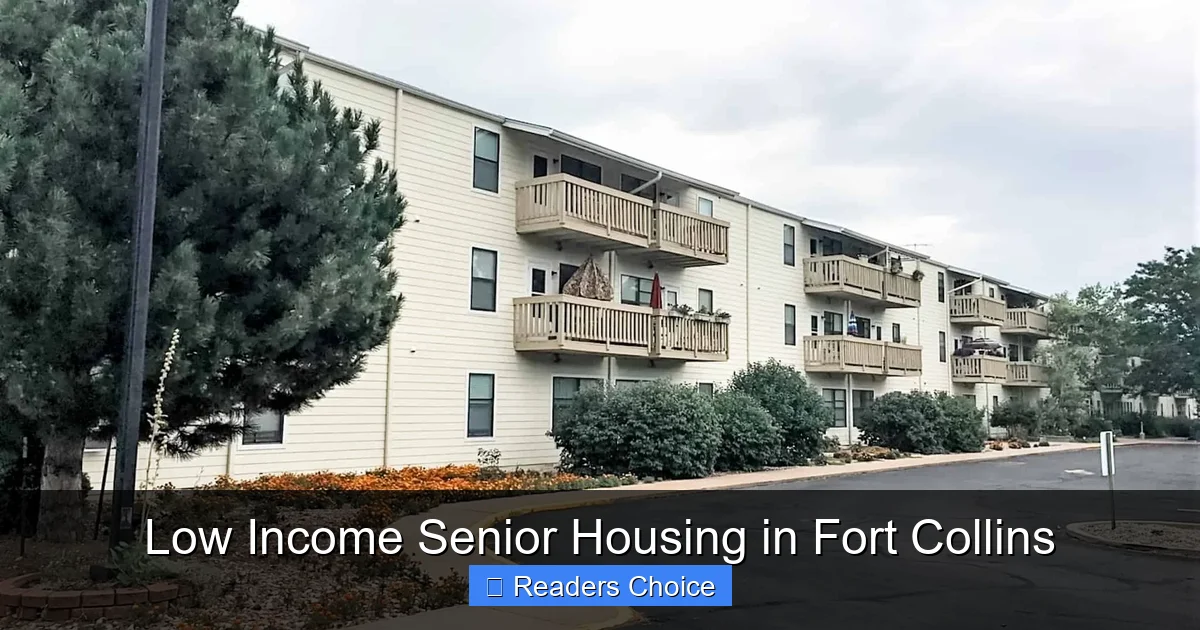
Visual guide about Low Income Senior Housing in Fort Collins
Image source: lowincomehousing.us
HUD-Subsidized Senior Housing
One of the most common forms of low income senior housing is funded by the U.S. Department of Housing and Urban Development (HUD). These are typically apartment complexes managed by private owners but subsidized by federal dollars to keep rents affordable. To qualify, seniors must be at least 62 years old and meet income limits set by HUD for Larimer County.
For example, in 2024, a single-person household earning less than $38,000 per year would likely qualify for HUD-assisted housing. These properties often include amenities like community rooms, laundry facilities, and emergency call systems. Some even offer meal programs or transportation services. Examples in Fort Collins include Hilltop Village and Sunset Village, both managed by private companies under HUD contracts.
Nonprofit and Community-Based Housing
Several local nonprofits operate senior housing developments in Fort Collins. These organizations often focus on holistic support, combining affordable rent with services like health screenings, social activities, and case management. One standout is Neighbor to Neighbor, a nonprofit that helps low-income residents find and maintain stable housing. They offer rental assistance, eviction prevention, and direct referrals to senior housing programs.
Another example is Larimer County Housing Authority, which manages public housing units for seniors and people with disabilities. These properties are income-based and often have shorter waitlists than private developments. They also partner with local agencies to provide on-site support, such as home health aides or meal delivery through Meals on Wheels.
Continuing Care Retirement Communities (CCRCs) with Affordable Options
While many CCRCs are expensive, some in the Fort Collins area offer income-based units or sliding scale fees. These communities provide a range of care levels—from independent living to assisted living and memory care—all on one campus. For seniors who want long-term security, a CCRC can be a smart choice, especially if they qualify for financial assistance.
One local option is The Green House at Columbine Health Systems, which offers small, home-like environments for seniors needing support. While not exclusively low income, they do accept Medicaid and have partnerships with local agencies to help cover costs for qualifying residents.
Shared Housing and Co-Ops
For seniors open to non-traditional living arrangements, shared housing or housing cooperatives can be an affordable alternative. In these setups, multiple seniors live together in a single home or apartment, splitting rent and utilities. Some co-ops are formally organized with bylaws and shared responsibilities, while others are informal arrangements between friends or family.
Fort Collins has a growing interest in intergenerational and co-housing models. Organizations like CoHousing Solutions help match seniors with compatible housemates and provide resources for setting up shared living agreements. This option works best for those who value community and don’t mind shared spaces.
Eligibility Requirements and How to Qualify
Getting into low income senior housing isn’t just about wanting it—you need to meet specific criteria. Each program has its own rules, but most follow similar guidelines around age, income, and residency.
Visual guide about Low Income Senior Housing in Fort Collins
Image source: lowincomehousing.us
Age Requirements
Almost all low income senior housing programs require applicants to be at least 62 years old. Some properties may accept younger residents with disabilities, but the majority are reserved for older adults. Be sure to check the age policy of each community you’re interested in.
Income Limits
Income is the biggest factor in determining eligibility. Programs use the Area Median Income (AMI) for Larimer County to set thresholds. For 2024, here’s a general breakdown:
- One-person household: Up to $38,000/year
- Two-person household: Up to $43,400/year
- Three-person household: Up to $48,800/year
These numbers can change annually, so always verify with the housing provider. Income includes Social Security, pensions, retirement accounts, and any other regular payments. Assets like savings or property may also be considered, depending on the program.
Residency and Citizenship
Most programs require applicants to be U.S. citizens or legal residents. Some may also prefer or require that you live in Larimer County or Colorado. Documentation like a driver’s license, birth certificate, or Social Security card will be needed to prove identity and status.
Background and Credit Checks
While not all properties conduct credit or criminal background checks, many do—especially those receiving federal funding. A history of eviction, violent crime, or drug-related offenses could disqualify you. However, minor issues or past mistakes may be overlooked, particularly if you can show rehabilitation or improved circumstances.
Health and Mobility Considerations
Some housing options are designed for seniors who can live independently, while others offer support for those with health challenges. If you need help with daily tasks, look for properties with on-site staff or partnerships with home health agencies. Be honest about your needs during the application process—this helps match you with the right level of care.
How to Apply for Low Income Senior Housing
The application process can feel overwhelming, but breaking it down into steps makes it manageable. Here’s a practical guide to help you navigate the system and increase your chances of success.
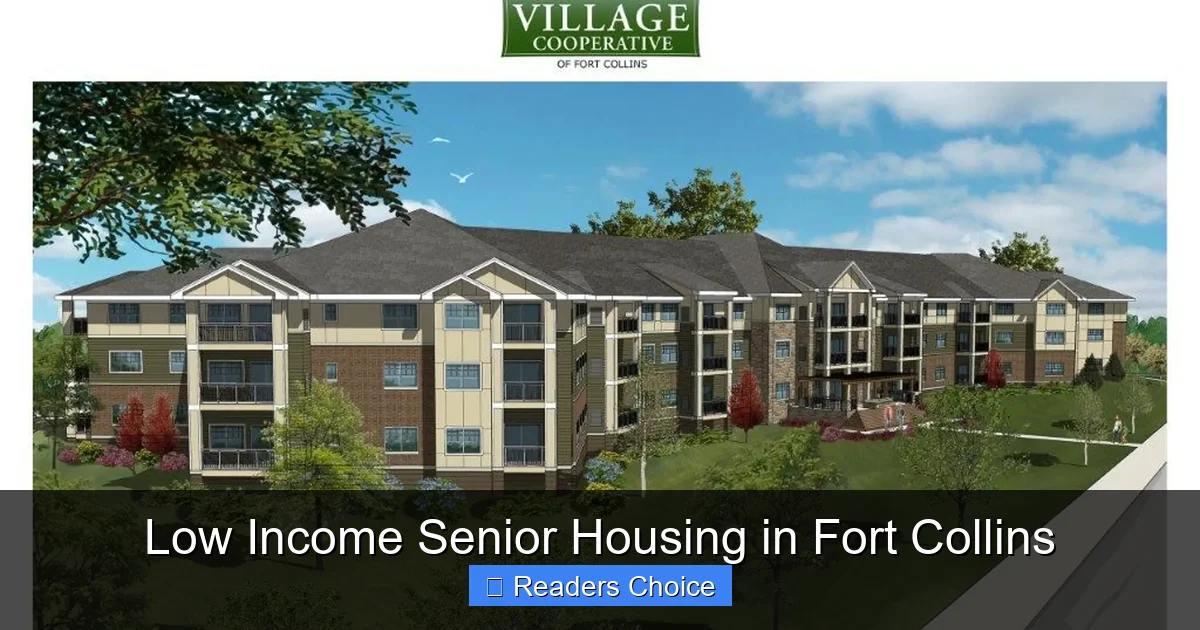
Visual guide about Low Income Senior Housing in Fort Collins
Image source: gannett-cdn.com
Step 1: Research Available Options
Start by making a list of senior housing communities in Fort Collins that accept low-income residents. Use resources like the HUD Resource Locator, Colorado Housing Search, or local nonprofits to find up-to-date listings. Pay attention to location, amenities, wait times, and application deadlines.
Step 2: Gather Required Documents
Most applications will ask for the following:
- Government-issued ID (driver’s license, passport)
- Social Security card
- Proof of income (Social Security award letter, pension statements, tax returns)
- Bank statements or asset documentation
- Medical records (if applying for supportive housing)
- Rental history or references
Having these ready ahead of time saves stress and speeds up the process.
Step 3: Submit Applications Early
Waitlists for affordable senior housing in Fort Collins can be long—sometimes over a year. Don’t wait until you’re in crisis mode. Apply as soon as you know you’ll need housing in the next 6–12 months. You can often submit applications online, by mail, or in person.
Step 4: Follow Up Regularly
After applying, stay in touch with the housing provider. Ask about your position on the waitlist and whether any additional information is needed. Some organizations send periodic updates, but it’s wise to check in every few months.
Step 5: Consider Multiple Options
Don’t put all your hopes on one property. Apply to several places to increase your odds. Even if you’re accepted somewhere, you can always decline if a better option becomes available later.
Step 6: Seek Help if Needed
If the process feels confusing, reach out for support. Organizations like Larimer County Human Services and Senior Voice offer free housing counseling. They can help you fill out forms, understand your rights, and advocate on your behalf.
Support Services and Community Resources
Affordable housing is just one piece of the puzzle. Many seniors also need access to healthcare, transportation, meals, and social connection. Fortunately, Fort Collins has a strong network of support services designed to help older adults thrive.
Health and Wellness Programs
Many low income senior housing communities partner with local health providers to offer on-site clinics, wellness checks, and fitness classes. For example, Salud Family Health Centers operates a clinic in Fort Collins that accepts Medicaid and offers sliding scale fees. They also provide transportation to appointments for qualifying patients.
Transportation Assistance
Getting around can be a challenge for seniors who no longer drive. Fort Collins offers several transit options, including Transfort, the city’s public bus system, which provides reduced fares for seniors. There’s also Senior Ride, a volunteer-based program that offers free rides to medical appointments, grocery stores, and social events.
Food and Nutrition Support
Access to healthy food is essential. Programs like Meals on Wheels deliver hot meals to homebound seniors, while Food Bank for Larimer County operates senior-specific food pantries. Some housing communities also host communal dining rooms where residents can enjoy low-cost or free meals.
Social and Recreational Activities
Loneliness and isolation are real risks for older adults. That’s why many affordable housing sites offer social events, game nights, art classes, and outings. The Fort Collins Senior Center is a hub for activities, offering everything from dance lessons to technology workshops. Participating in these programs can improve mental health and build a sense of belonging.
Legal and Financial Counseling
Seniors may face challenges with benefits, debt, or estate planning. Free or low-cost legal aid is available through Colorado Legal Services, which helps with issues like tenant rights, Medicare disputes, and wills. Financial counselors can also assist with budgeting, debt management, and maximizing income from benefits.
Challenges and How to Overcome Them
While low income senior housing in Fort Collins offers real solutions, it’s not without challenges. Understanding these obstacles—and how to address them—can help you stay prepared and resilient.
Long Waitlists
The biggest hurdle for many seniors is the wait time. With high demand and limited supply, it’s common to wait 6–18 months for an opening. To manage this, apply early, stay on multiple waitlists, and explore temporary housing options like short-term rentals or staying with family while you wait.
Limited Availability in Desired Locations
Some seniors want to live near family, medical providers, or favorite activities. But affordable housing may not be available in every neighborhood. Be flexible with location, or consider nearby towns like Loveland or Wellington, which may have shorter waitlists and lower costs.
Stigma Around Affordable Housing
Unfortunately, some people still view subsidized housing negatively. But these communities are filled with proud, independent seniors who value safety, affordability, and community. Focus on the benefits—lower stress, better health outcomes, and more financial freedom—and don’t let outdated stereotypes hold you back.
Navigating Bureaucracy
Government programs can be complex, with confusing forms and changing rules. Don’t hesitate to ask for help. Many housing providers have staff dedicated to guiding applicants through the process. Bring a friend, family member, or advocate to appointments if it helps you feel more confident.
Success Stories: Real Seniors in Fort Collins
Behind every housing application is a real person with a story. Here are a few examples of how low income senior housing has made a difference in Fort Collins:
Martha, 74: After retiring from a career in education, Martha lived on a fixed pension. Rising rent forced her to consider moving out of Fort Collins—until she found a HUD-subsidized apartment at Hilltop Village. “I was worried I’d lose my independence,” she says. “But here, I have my own space, great neighbors, and even a garden plot. I feel safe and supported.”
James, 68: James struggled with mobility after a stroke and needed a place with accessibility features. He applied to a Larimer County Housing Authority property and was accepted within eight months. “The ramp, grab bars, and emergency alert system give me peace of mind,” he shares. “Plus, the staff checks in regularly. I’m not alone anymore.”
Elena, 71: Elena moved to Fort Collins to be near her daughter but couldn’t afford market-rate rent. Through Neighbor to Neighbor, she learned about a shared housing co-op. Now she lives with two other women in a three-bedroom home, splitting costs and sharing meals. “It’s like having built-in friends,” she laughs. “We even take turns cooking!”
Looking Ahead: The Future of Senior Housing in Fort Collins
As the population ages, the need for affordable senior housing will only grow. Fort Collins is responding with new developments, policy changes, and community partnerships. The city’s Age-Friendly Fort Collins initiative aims to make the community more inclusive for older adults, with goals like expanding housing options, improving transportation, and increasing access to services.
New projects are in the works, including mixed-income developments that combine market-rate and subsidized units. These models promote diversity and reduce stigma while increasing overall housing supply. Advocacy groups are also pushing for more state and federal funding to support low-income seniors.
For now, the message is clear: if you’re a senior in Fort Collins facing housing challenges, you’re not alone—and help is available. With persistence, the right resources, and a little support, you can find a safe, affordable place to call home.
Frequently Asked Questions
What is the income limit for low income senior housing in Fort Collins?
In 2024, the income limit for a single-person household is approximately $38,000 per year. Limits vary by household size and program, so check with specific housing providers for the most accurate numbers.
How long is the waitlist for senior housing in Fort Collins?
Waitlists typically range from 6 months to over a year, depending on the property and demand. Applying early and to multiple locations can improve your chances.
Can I apply for senior housing if I have a disability but am under 62?
Some programs accept younger applicants with disabilities. Contact the housing provider or Larimer County Human Services to explore your options.
Do I need to be a U.S. citizen to qualify?
Most programs require U.S. citizenship or legal residency. Documentation like a green card or visa may be accepted depending on the provider.
Are pets allowed in low income senior housing?
Pet policies vary. Some communities allow small pets with a deposit, while others have restrictions. Always ask about pet rules before applying.
What if I’m denied housing? Can I appeal?
Yes, you can usually appeal a denial. Contact the housing provider for their appeals process, or seek help from Colorado Legal Services for guidance.