
Rubber Cane Grip Explained: Comfort & Safety


Page Magnifier Sheet

Electric Kettle with Auto Shutoff
Electric Heating Pad
Quick Answer
A rubber cane grip is a handle covering or gripping surface made from rubber or a rubber-like material. It gives the hand a contact surface for holding and controlling a walking cane. Depending on its shape, softness, texture, and fit, it may improve comfort and grip, but it cannot compensate for an incorrectly fitted or damaged cane.
A walking cane handle is the part you hold every time you take a step. Its material can affect how comfortable the cane feels, how securely you can grasp it, and how much pressure your hand experiences during use.
A rubber cane grip is one option for people who want a practical, easy-to-hold handle. However, not every rubber grip feels the same. Some are firm and smooth, while others have a textured surface or a softer, cushioned feel.
What Is a Rubber Cane Grip?
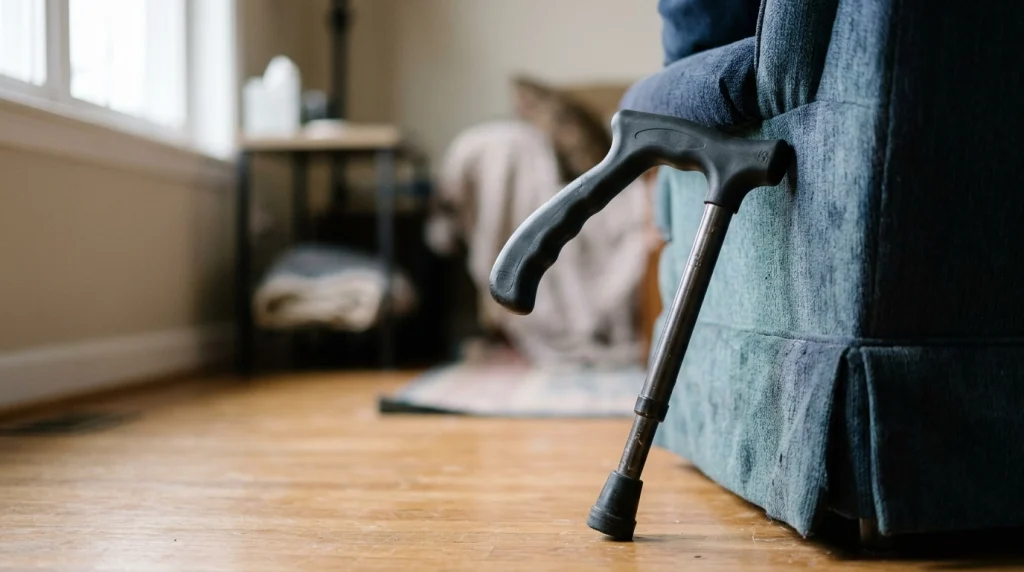
A rubber cane grip is the part of a walking cane handle that provides a gripping surface for the user’s hand. Depending on the cane design, it may be a molded handle, a rubber covering over a supporting handle, or a replacement grip fitted to the cane.
Rubber-like materials can be shaped into different contours and textures. Manufacturers may use them to create a firmer holding surface or a softer-feeling handle, depending on the intended design.
The term describes the gripping material, not one specific handle shape. A rubber grip can appear on an offset cane, a straight-handled cane, or another design that accommodates the material.
To understand how the grip fits into the whole mobility aid, see our guide to what a walking cane is and how its main components work.
How Does a Rubber Cane Grip Help During Walking?
A rubber grip provides a surface through which your hand holds and guides the cane. Its usefulness depends on the material’s texture, firmness, shape, and compatibility with your hand.
It provides a holding surface
A suitably textured grip may feel more secure than a smooth, slippery handle. This can be useful when your hands become damp or when you find a hard, polished surface difficult to grasp. Actual traction varies by material and surface condition, so rubber should not be assumed to prevent every slip.
It can improve hand comfort
Some rubber grips are designed with cushioning or contours that distribute contact across a larger area of the hand. A comfortable shape may reduce the feeling of concentrated pressure during ordinary cane use.
However, rubber alone does not guarantee cushioning. A firm rubber handle can feel quite different from a soft foam grip, and an unsuitable shape may still cause discomfort.
It helps you control the cane
The handle is the connection between your hand and the cane. A grip that fits your hand comfortably can make it easier to maintain a natural holding position while guiding the shaft.
Control also depends on the cane’s height, the user’s walking technique, and the condition of the shaft and ground-contact tip. A comfortable handle cannot make an unstable or incorrectly sized cane safe by itself.
What Are the Main Advantages and Limitations?
A rubber cane grip may be useful when its material and shape match your needs. Consider both the benefits and the limitations before choosing one.
- Practical grip: A textured rubber surface may provide a reassuring holding feel.
- Different shapes: Molded rubber can be incorporated into several handle designs.
- Comfort options: Some grips include softer surfaces or contours intended to improve hand contact.
- Replacement possibilities: Certain cane designs allow a worn grip to be replaced separately.
- Material differences: Rubber compounds vary in softness, texture, durability, and feel.
There are limitations, too. A rubber grip may feel too firm, too bulky, or too small for a particular hand. Material can deteriorate, become sticky, crack, or loosen over time, depending on its composition, use, and storage conditions.
It is also important to distinguish the handle grip from the rubber tip at the bottom of the cane. The handle is held in the hand; the bottom tip contacts the floor and helps provide traction. Replacing one does not repair the other.
Is a Rubber Cane Grip Better Than Foam or Plastic?
There is no universally best handle material. The right choice depends on how the grip feels in your hand, how easily you can hold it, and whether its design suits your mobility needs.
The following comparison describes general material characteristics, not guaranteed performance. Individual products can differ substantially.
| Material | Typical feel | What to consider |
|---|---|---|
| Rubber | Firm to moderately cushioned | Texture, softness, and grip size |
| Foam | Often soft and compressible | Compression, tearing, and wear |
| Hard plastic | Firm and relatively rigid | Shape, surface finish, and pressure points |
| Cushioned composite | Varies by construction | Padding thickness and long-term condition |
The practical takeaway is that the material name alone cannot predict comfort. A well-shaped firm grip may suit one person better than a soft grip, while another person may prefer additional cushioning.
Who May Benefit From a Rubber Cane Grip?
A rubber grip may suit people who prefer its texture, firmness, or molded shape. It can also be a reasonable option for someone replacing a damaged handle, provided the replacement is compatible with the cane.
Consider these situations:
- You prefer a textured handle: Compare the surface and holding feel with other materials.
- Your existing grip is deteriorating: Check whether the manufacturer provides a compatible replacement.
- You want a particular handle shape: Evaluate the shape separately from the material.
- You have difficulty closing your fingers: A larger or specially contoured grip may be easier to hold than a narrow handle.
- Your hand becomes painful or numb: Do not assume that changing to rubber will solve the problem. Grip size, cane fit, pressure, and the cause of the symptoms all matter.
People with arthritis, reduced hand strength, limited finger movement, or altered sensation may need a more individualized choice. The most comfortable material is not necessarily the one that offers the best control for every user.
If grasping a standard handle is difficult, ask a physical therapist or occupational therapist to assess suitable handle shapes and cane fit. A different mobility aid may be more appropriate when a cane does not provide enough support.
How Can You Tell Whether a Rubber Cane Grip Fits Properly?
A suitable grip should allow you to hold and control the cane without excessive squeezing, painful pressure, or an awkward wrist position. The handle should remain securely attached and should not rotate or slide during normal use.
- Hold the cane naturally. Your fingers should wrap around the handle as comfortably as the design allows, without forcing your hand into an uncomfortable position.
- Check the grip size. If the handle feels too narrow, too bulky, or difficult to close your hand around, try an appropriate alternative.
- Notice pressure points. Pay attention to discomfort in the palm, thumb, fingers, or wrist rather than judging the grip by softness alone.
- Check attachment. Look for movement between the grip and the handle or shaft. Do not use a loose handle until it has been properly repaired.
- Check the complete cane fit. With your arm hanging naturally at your side, the handle should generally be near wrist-crease height, with a slight bend in your elbow when holding it.
The Mayo Clinic’s guidance on choosing and using canes explains why handle comfort and correct cane height matter. If the cane makes you lean sideways or your hand hurts during use, have its fit and suitability reassessed.
Tip
When comparing grips, assess the handle while holding the cane in a natural standing position. A soft grip that feels comfortable in your hand while seated may still be awkward to use when you walk.
How Do You Clean and Maintain a Rubber Cane Grip?
Regular inspection and gentle cleaning can help you identify damage before it affects the way you hold the cane. Follow the cane manufacturer’s care instructions because rubber compounds and coatings do not all respond to the same cleaning products.
- Inspect the surface. Look for cracks, splits, sticky patches, unusual hardening, or areas where the material is peeling away.
- Check the attachment. Make sure the grip does not slide, spin, or lift away from its supporting handle.
- Clean gently. Use a soft cloth and a mild cleaning solution compatible with the manufacturer’s instructions.
- Remove residue. Wipe away cleaning residue and allow the grip to dry fully before using the cane.
- Recheck before walking. Confirm that the handle is dry, secure, and comfortable to grasp.
Avoid soaking the cane or applying solvents, oils, or harsh chemicals unless the manufacturer specifically approves them. These products may damage some materials or leave a slippery residue.
There is no single replacement interval that applies to every rubber grip. Replace it when it becomes damaged, loses a secure attachment, or can no longer be held comfortably and reliably. If the supporting handle or shaft is also damaged, replacing only the grip may not be enough.
When Should You Replace a Rubber Cane Grip?
Replace a grip when wear affects its security, integrity, or usability. Visible deterioration is more important than the amount of time you have owned the cane.
Signs that warrant attention include:
- Cracks, tears, or pieces breaking away from the surface.
- A grip that rotates, slips, or moves on its support.
- Material that has become unusually sticky, brittle, or hard.
- Damage that creates sharp edges or uncomfortable pressure points.
- A change in grip shape that makes the cane harder to control.
Use a replacement designed for the exact cane model or one confirmed by its manufacturer to be compatible. A grip that looks similar may not have the correct internal diameter, attachment system, or handle shape.
Do not rely on loose tape, improvised padding, or adhesive as a substitute for a secure structural attachment. If the handle cannot be restored according to the manufacturer’s instructions, seek a suitable replacement or have the cane assessed by a mobility-aid professional.
Also inspect the rubber tip at the bottom of the cane. The MedlinePlus instructions for using a cane cover proper positioning and safe use, while worn ground-contact tips should be replaced to maintain traction.
What Should You Remember Before Choosing One?

A rubber cane grip is a practical handle option, not a complete safety solution. Its value depends on whether the material, shape, size, and attachment work well for the person using the cane.
Start by identifying the problem with your current handle. If it is slippery, compare surface textures. If it creates pressure, consider a different shape or cushioning level. If it is loose or cracked, prioritize a compatible replacement rather than adding an improvised covering.
Finally, check the entire cane. A comfortable grip cannot compensate for an unsuitable height, a damaged shaft, or a worn rubber tip. If you remain unsteady or experience persistent pain, numbness, or difficulty controlling the cane, seek professional help to determine whether a different grip or mobility aid is needed.
Related Product
Replacement Rubber Cane Grips
A compatible replacement grip may help restore a secure, comfortable holding surface when the original handle covering is worn or damaged. Check your cane’s design and measurements before choosing one.
As an Amazon Associate, we earn from qualifying purchases.
Frequently Asked Questions
1. Is a rubber cane grip the same as a rubber cane tip?
No. The grip is the handle section held in your hand, while the rubber tip is attached to the bottom of the cane and contacts the ground. They serve different purposes and require separate inspections.
2. Does a rubber cane grip prevent your hand from slipping?
It may improve grip depending on its texture, material, and condition, but it cannot guarantee a slip-free hold. Keep it clean and dry, and choose a surface you can grasp securely.
3. Is rubber or foam more comfortable for a walking cane?
Neither material is automatically more comfortable for everyone. Rubber may feel firmer, while foam often feels softer. Handle shape, grip size, hand strength, and personal comfort all influence the choice.
4. Can you replace the rubber grip on an existing cane?
Some cane handles accept replacement grips, while others are molded as a single component or require a model-specific replacement. Check the manufacturer’s instructions and confirm compatibility before removing the original handle.
5. Can a rubber cane grip help with arthritis or weak hands?
A suitably sized or contoured grip may make holding a cane easier for some people, but rubber alone does not treat arthritis or guarantee better control. A therapist can help identify a handle shape that matches your hand function.
6. How often should you replace a rubber cane grip?
There is no universal replacement schedule. Inspect it regularly and replace it when it cracks, becomes slippery or sticky, loosens, or causes difficulty holding the cane securely.
Conclusion
A rubber cane grip provides the hand-contact surface used to hold and control a walking cane. Depending on its texture, shape, and firmness, it may improve comfort and make the cane easier to grasp, but the best option depends on the user’s needs.
Choose a grip that fits your hand, stays securely attached, and allows comfortable control. Inspect it for wear, clean it according to the manufacturer’s instructions, and replace it when damage affects its usability. Remember to check the cane’s height, shaft, and bottom tip as well. If the cane causes pain or leaves you feeling unstable, have the complete mobility aid assessed rather than relying on a grip change alone.