
Rocker Knife vs Adaptive Knife: Senior Guide


Adult Coloring Book

Folding Walking Cane

Button Hook Dressing Aid
Choosing between a Rocker Knife vs Adaptive Knife can make a huge difference at the dinner table. Both tools help older adults enjoy meals with less pain. They help seniors keep their dignity during family dinners. However, they serve very different physical needs.
A standard dining knife is hard to hold if you have weak hands. A thin metal handle causes hand cramps. Understanding the difference between these two tools helps you pick the right one. Let us look at how these two special utensils compare.
Quick Comparison
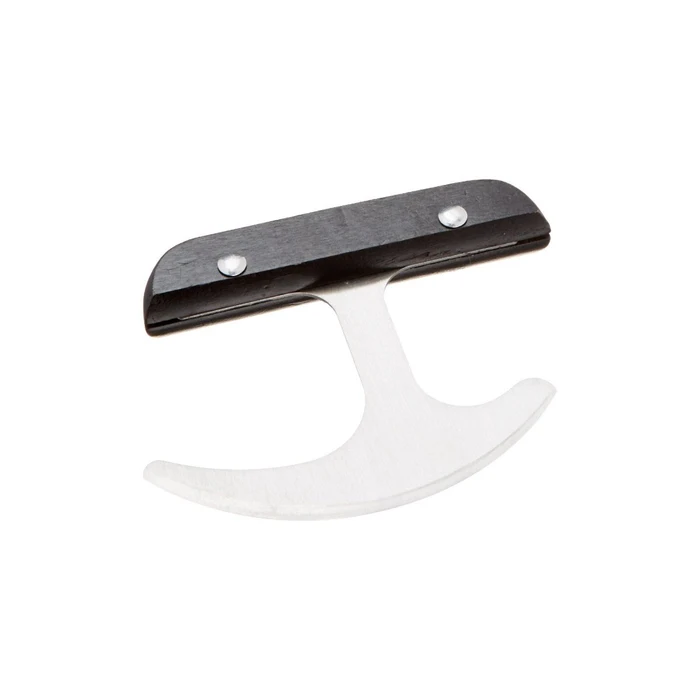
The rocker knife is best for seniors who only use one hand. It is also great for severe hand weakness. You cut food using a simple downward rocking motion. It does not require you to saw back and forth.
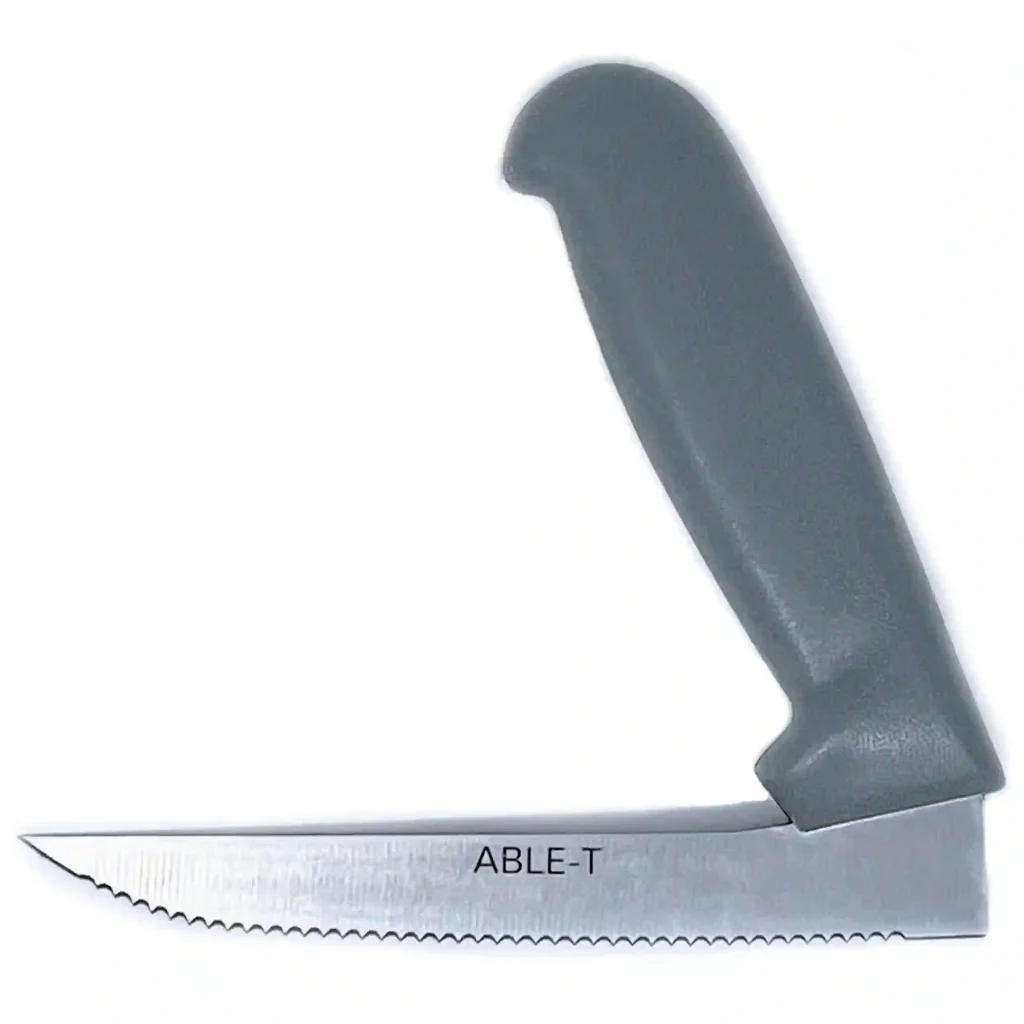
A standard adaptive knife has a thick, easy-to-hold handle. It looks much more like a normal table knife. It is ideal for seniors with mild arthritis. It works well if you still use two hands to eat but need a better grip.
At A Glance Comparison
Here is a quick look at how these two dining aids compare for daily use.
| Feature | Rocker Knife | Adaptive Knife |
| Use Style | One-handed rocking | Two-handed slicing |
| Grip Type | Upright or T-bar | Thick, soft, or ribbed |
| Best For | Stroke recovery, severe pain | Mild arthritis, hand tremors |
The Rocker Knife For Seniors Review
A rocker knife uses a curved blade to slice through food. You hold the knife from the top. You press down and rock the blade back and forth.
This design changes how you cut your food. It shifts the work from the wrist to the arm. It is a very clever tool for those with limited mobility.
Ease of Use
It requires very little wrist movement. You do not need to pull the blade across the plate. You just push down. The weight of your arm does the hard work.
Key Strengths
- Allows for true one-handed cutting.
- Reduces wrist strain and hand pain.
- Uses arm weight for cutting force.
- Great for stroke recovery.
Potential Drawbacks
- Can feel bulky in the hand.
- Looks like a medical tool.
- Needs some arm strength to press down.
- Blade must stay very sharp.
The Adaptive Knife For Seniors Review
An adaptive knife looks much like a normal piece of silverware. The main difference is the handle. It features a special thick grip.
This thick handle makes the knife much easier to hold. It stops stiff fingers from cramping. Many models use soft rubber to prevent slipping.
Ease of Use
It feels very natural to use. You use a standard sawing motion to cut food. The large grip stops the hand from cramping during a long meal. It requires very little learning to use.
Key Strengths
- Looks like normal flatware.
- Thick grip prevents hand cramping.
- Often weighted to help reduce tremors.
- Blends in at public restaurants.
Potential Drawbacks
- Still requires the use of both hands.
- Can be too heavy for very weak wrists.
- Needs normal wrist movement to slice.
- Does not help with one-handed eating.
Which Is Easier for Seniors to Use?
The right choice depends on your hand strength. It also depends on your arm mobility. The rocker knife is much easier if you cannot grip a thin handle. You simply hold the top bar. You use your body weight to push down. It makes tough meals easy.
The adaptive knife is easier if you just need a better grip. It is perfect if you suffer from mild joint pain. You hold it just like a normal knife. You do not have to learn a new way to eat. It feels very familiar.
Performance Comparison
Both tools cut through standard meals very well. The rocker knife excels at cutting thick items. It cuts meat and thick vegetables with ease. The downward pressure does the hard work for you. The curved blade slices cleanly.
An adaptive knife performs better for delicate tasks. It is great for spreading butter on toast. It works well for cutting soft fish or eggs. It allows for more precise control. You can guide the blade easily across the plate.
Comfort, Accessibility, and Senior-Friendly Design
Comfort at the table means eating without pain. It also means eating without frustration. Many rocker knives feature a T-shaped handle. This handle sits across the flat palm. This makes it highly accessible for severe arthritis. You do not have to close your fingers tightly.
Adaptive knives focus on a thick grip. They often use ribbed rubber. This cushions stiff fingers. It absorbs the shock of cutting. It keeps the knife from slipping out of wet hands.
“The best dining aid is the one that lets a senior eat independently and with confidence.”
Features Comparison
Reviewing the main features helps clarify which design fits your exact needs.
| Feature Area | Rocker Knife | Adaptive Knife |
| Blade Shape | Curved half-moon | Straight with teeth |
| Handle Design | Upright T-bar or U-shape | Thick, straight, non-slip |
| Motion Needed | Downward push and rock | Standard back and forth |
Price, Maintenance, and Long-Term Value
Both options are very affordable. Most models cost between ten and thirty dollars. They usually last for many years. Both types are widely available in safe materials. You can wash most of them in a dishwasher.
A rocker knife may need occasional sharpening. A dull rocker knife is hard to use. An adaptive knife rarely needs sharpening. The serrated edges stay sharp for a long time. Both tools offer excellent long-term value for the low cost.
Who Should Choose the Rocker Knife?
- Choose this if you only have the use of one hand.
- Choose this if you suffer from severe wrist pain.
- Choose this if you lack the grip strength to hold a handle.
- Choose this if you have very stiff wrists.
- Choose this if you want to use your arm weight to cut.
Who Should Choose the Adaptive Knife?
- Choose this if you have mild to moderate arthritis.
- Choose this if you want a tool that looks normal.
- Choose this if you have hand tremors.
- Choose this if you need a heavy handle to steady your hand.
- Choose this if you can still use two hands to eat.
Final Verdict
The choice comes down to your daily mobility limits. Both tools provide excellent support for older adults. They just solve different physical problems.
Best for most seniors: Adaptive Knife
Best for one-handed use: Rocker Knife
Best for hand tremors: Adaptive Knife
Best for severe arthritis: Rocker Knife
Scoring Summary
Here is how these two tools score across key daily dining categories.
| Category | Rocker Knife | Adaptive Knife |
| One-Handed Use | 10/10 | 3/10 |
| Grip Comfort | 8/10 | 9/10 |
| Normal Look | 4/10 | 9/10 |
| Cutting Power | 9/10 | 7/10 |
How We Evaluate Products
We compare senior dining aids based on real daily struggles. We look at grip size and total weight. We look at the ease of motion. We also check the safety of the blade. We consider how much dignity the product offers during a shared meal. Practical daily use matters most.
Senior-Specific Buying Considerations
Keep these factors in mind before making a final purchase.
Physical Effort
Will the knife require hard pressing? Think about arm strength.
Controls and Grip
Does the handle fit well in a stiff hand? Check the grip material.
Maintenance
Can it be washed in the dishwasher? Hand washing sharp blades can be risky.
Storage
Does it fit in a normal drawer? Tall handles take up more space.
Safety
Does it come with a safe cover? Exposed sharp blades are a hazard in drawers.
Common Buying Mistakes
- Buying a knife that is too heavy for weak wrists.
- Choosing a complex tool when a simple thick handle is enough.
- Ignoring the blade sharpness on a curved knife.
- Forgetting to check if the handle is non-slip.
- Buying a rocker knife for someone who just needs a wider grip.
- Focusing only on price instead of daily dining comfort.
Safety
Kitchen tools must be handled with care. Rocker knives are very sharp. They require safe storage in a drawer. Always use a blade guard if one is provided. Always ensure the grip is dry before use. A wet grip causes slips.
Do not press down too hard on thin glass plates. The pressure can break the dish. If hand weakness is severe, ask for help. You may want to discuss adaptive tools with an occupational therapist. They can guide you to the safest choice.
Conclusion
A rocker knife and an adaptive knife both offer excellent support. They make mealtime much easier. They help older adults eat without asking for help. This boosts confidence at the dinner table.
The rocker knife is the clear winner for one-handed use. It is best for severe wrist pain. The adaptive knife is perfect for those who just need a thicker grip. Choose the tool that best matches your daily mobility needs.
