
HEPA Filter vs Air Purifier: Which Is Better?


Slow Cooker Crock Pot

Easy Grip Knife Set

Upright Walker
HEPA Filter vs Air Purifier is a useful comparison if you want cleaner air at home. But these two options are not quite the same. A HEPA filter traps tiny airborne particles, while an air purifier is a device that cleans air as it passes through its filters.
For older adults, the best choice depends on the room, the type of pollution, and how easy the device is to maintain. The good news is that many air purifiers use HEPA filters, so you may not need to choose between them.
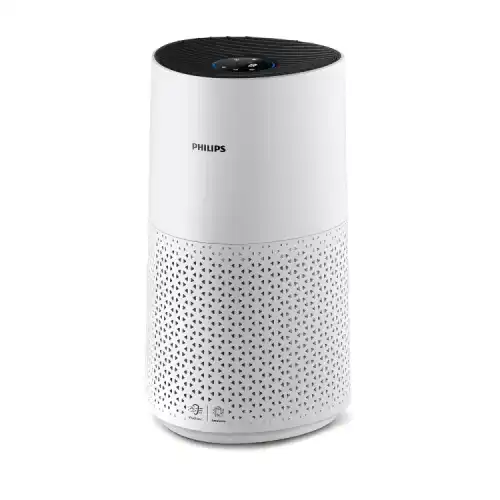
HEPA Filter vs Air Purifier at a Glance
A HEPA filter is one part of an air-cleaning system. An air purifier is the complete device. Here is how they compare.
| Feature | HEPA Filter | Air Purifier |
|---|---|---|
| Main purpose | Traps airborne particles | Cleans air using one or more technologies |
| Dust and pollen | Captures particles | Depends on the filter and design |
| Ease of use | May need installation | Often needs only a power outlet |
| Noise | Depends on the system | Depends on fan speed and design |
| Maintenance | Cleaning or replacement as specified | Filter replacement and unit cleaning |
| Odor removal | Not its main purpose | May help with activated carbon |
| Best use | Filtering particles in a compatible system | Cleaning air in a room or area |
The key point: A HEPA filter is a filtration component. An air purifier is a device that may contain one.
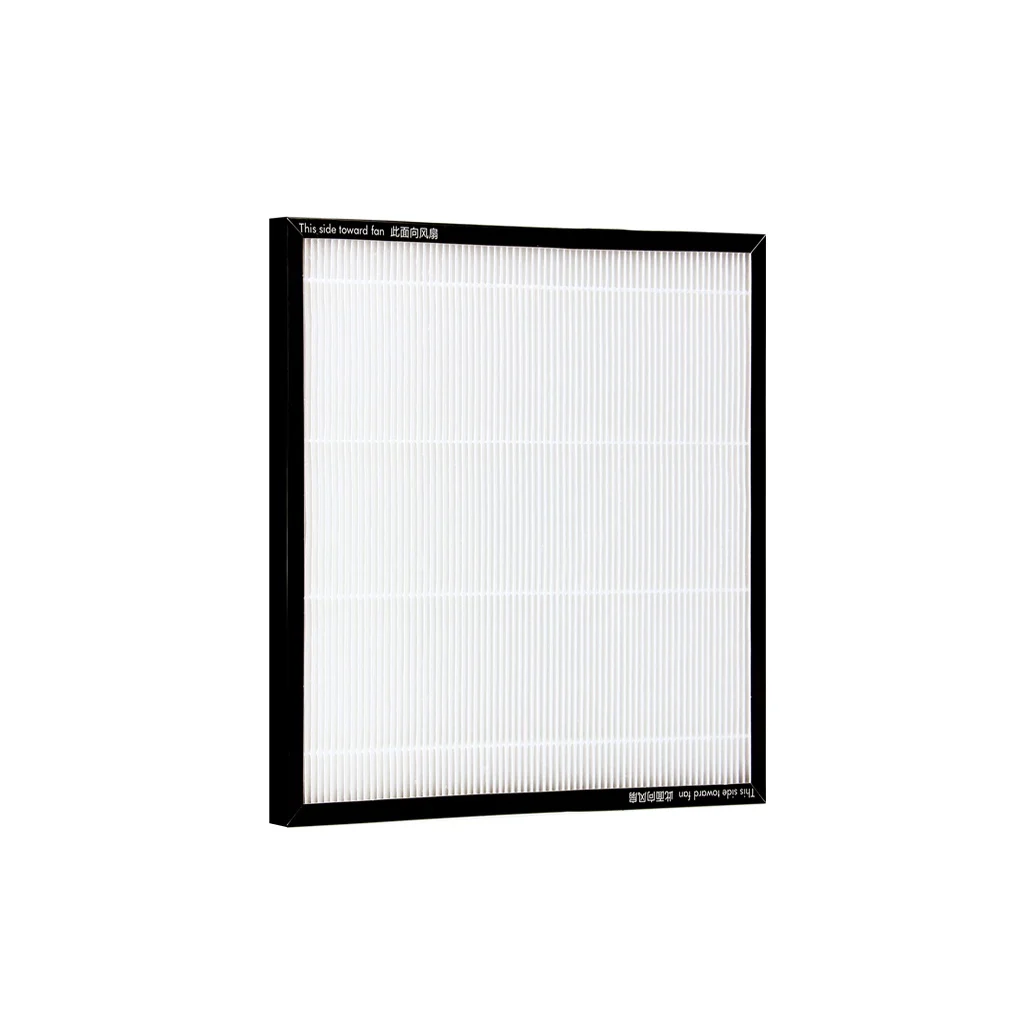
What Is a HEPA Filter?
A HEPA filter is a high-efficiency air filter designed to trap very small airborne particles. It is commonly used in portable air purifiers and some other air filtration systems.
A properly rated HEPA filter can theoretically capture at least 99.97% of particles measuring 0.3 microns under the specified test conditions. These particles can include dust, pollen, and other airborne material.
Ease of Use
A replacement HEPA filter is usually not a stand-alone air-cleaning device. It needs a compatible purifier or filtration system to move air through it.
For older adults, the main concern is the replacement process. Some filters are easy to remove, while others require lifting a unit, opening a panel, or reaching into a tight space.
Key Strengths
- Efficient filtration of airborne particles.
- Useful for dust, pollen, and similar particles.
- Available in many compatible air-cleaning systems.
- Can support indoor air filtration without fragrances.
Potential Drawbacks
- A filter alone does not circulate room air.
- Replacement filters must fit the correct device.
- HEPA filtration alone is not designed to remove every gas or odor.
- Filter replacement costs vary by system.
What Is an Air Purifier?
An air purifier is a device that draws in room air and passes it through filters or other cleaning technologies. Many models use HEPA filtration, while others use different types of particle filters or additional technologies.
Some air purifiers also include activated carbon to help reduce certain odors and gases. Their performance depends on the filter system, airflow, and room size.
Ease of Use
Many portable air purifiers are simple to operate. You plug in the unit, choose a fan speed, and let it run.
For seniors, useful features may include clear controls, a simple filter-change process, low noise, and a stable design. Automatic settings can help, but they are not essential for everyone.
Key Strengths
- Cleans air as the device circulates it.
- Can provide filtration in a bedroom or living room.
- Some models combine particle filtration with activated carbon.
- May offer simple controls and filter-change indicators.
Potential Drawbacks
- The unit needs electricity to operate.
- Fan noise may be distracting at higher speeds.
- Replacement filters add ongoing costs.
- A small unit may not clean a large room effectively.
Which Is Easier for Seniors to Use?
An air purifier with a simple control panel is often the easier choice for everyday use. A HEPA filter is easier to manage when it is part of a well-designed system with a simple replacement process.
Consider these practical differences.
| Senior Need | HEPA Filter | Air Purifier |
|---|---|---|
| Daily operation | Depends on the host system | Often simple |
| Filter replacement | Depends on access | Depends on the model |
| Portability | Not usually a complete device | Varies by size and weight |
| Noise control | Depends on the fan system | Often has speed settings |
| Independent use | Requires a compatible system | Many models are self-contained |
If bending or lifting is difficult, choose a purifier that is easy to access and maintain. A caregiver may also help with filter changes when needed.
Performance Comparison
Both options can play a role in reducing airborne particles, but they work at different levels.
A HEPA filter provides particle filtration. An air purifier provides the airflow and housing needed to clean room air. A purifier with a suitable HEPA filter can combine both functions.
For the best results, check the clean air delivery rate (CADR) and the recommended room size. A higher CADR generally means the unit can deliver more cleaned air. The result also depends on the fan speed and how long the purifier runs.
Neither option removes every indoor pollutant. To reduce odors and some gases, look for a purifier with an appropriate activated carbon filter.
Comfort, Accessibility, and Senior-Friendly Design
The best setup should fit the person’s daily routine.
For a bedroom, consider a quiet purifier that can run without disturbing sleep. For a living room, check the room-size rating and make sure the unit can sit where its airflow will not be blocked.
Look for these features:
- Clear, easy-to-read controls.
- Simple filter access.
- A stable base and manageable weight.
- A low-noise setting.
- A visible filter replacement indicator, if available.
- A power cord that can be placed safely out of walking paths.
A large purifier may offer higher airflow but can be harder to move. A compact model may be easier to handle but may not suit a large room.
Features Comparison
The features that matter most depend on the type of filter and the purifier model.
| Feature | HEPA Filter | Air Purifier |
|---|---|---|
| Particle filtration | Depends on its verified rating | Depends on the installed filter |
| Activated carbon | Not a standard HEPA function | Available on some models |
| Fan and airflow | Requires a compatible system | Built into most portable models |
| Automatic operation | Depends on the host system | Available on some models |
| Room coverage | Depends on the host system | Depends on CADR and design |
Do not assume that every purifier contains a HEPA filter. Check the exact model specifications before buying.
Price, Maintenance, and Long-Term Value
A replacement filter may cost less than a complete purifier, but it cannot replace the device that moves air through it. If you already own a compatible purifier, replacing its filter may be the most practical option.
If you need a new setup, compare the total cost of the purifier and its replacement filters.
| Cost Factor | HEPA Filter | Air Purifier |
|---|---|---|
| Initial cost | Usually the replacement part cost | Device purchase cost |
| Ongoing cost | Replacement filters | Replacement filters and electricity |
| Maintenance | Follow filter instructions | Clean the unit and replace filters |
| Best value | When replacing a compatible filter | When a complete room-cleaning device is needed |
Check filter availability before buying. A low-cost purifier may be less economical if its replacement filters are expensive or hard to find.
Who Should Choose a HEPA Filter?
A HEPA filter may be the right choice if:
- You already own a compatible air purifier.
- Your current filter needs replacement.
- You want to improve particle filtration in an existing HVAC or air-cleaning system.
- You know the exact filter size and model required.
- You want to maintain an existing filtration setup rather than buy another device.
Who Should Choose an Air Purifier?
An air purifier may be the better choice if:
- You need a complete device for a bedroom or living room.
- You do not already have a compatible filtration system.
- You want a unit with simple controls and adjustable fan speeds.
- You need a combination of particle filtration and odor control.
- You want a portable system that can be placed in the room you use most.
For particle removal, consider a purifier with a genuine HEPA filter and a suitable CADR for your room.
HEPA Filter vs Air Purifier — Final Verdict
Best for replacing an existing filter: HEPA filter.
Best for cleaning air in a room: Air purifier.
Best for simple daily use: A well-designed air purifier with clear controls.
Best for particle filtration: A suitable air purifier with a properly rated HEPA filter.
There is no universal winner because these options serve different purposes. In many homes, the practical solution is an air purifier that uses a HEPA filter.
Scoring Summary
A direct score out of 10 would be misleading because a filter and a complete device are not equivalent products.
| Category | Better Option |
|---|---|
| Complete room-cleaning setup | Air purifier |
| Replacement for an existing filter | HEPA filter |
| Daily operation | Air purifier |
| Particle filtration | Depends on the full system |
| Long-term value | Depends on existing equipment and running costs |
The right decision depends on the system you already own and the results you need.
How We Evaluate These Options
This comparison focuses on practical use, filtration, maintenance, accessibility, and long-term value. It does not rely on personal product testing.
Actual performance depends on the filter rating, device design, airflow, room size, and maintenance. Check the manufacturer’s specifications before making a purchase.
Senior-Specific Buying Considerations
Before buying, consider these four factors.
Physical Effort
Choose a unit that can be installed and maintained without frequent heavy lifting. Check its weight and filter access.
Controls
Look for clear buttons and simple settings. An automatic mode may be helpful, but easy manual controls can be just as useful.
Maintenance
Check how often the filter needs replacement and whether it is easy to obtain. Follow the manufacturer’s cleaning instructions.
Room Size
Choose a purifier with enough airflow for the room. A filter’s efficiency alone does not tell you how much air the complete device can clean.
Common Buying Mistakes
Avoid these mistakes when comparing filters and purifiers.
- Confusing the two: A HEPA filter alone does not clean room air without airflow.
- Ignoring room size: A small purifier may be inadequate for a large space.
- Choosing by price alone: Check replacement filter costs as well.
- Assuming all purifiers use HEPA filters: Verify the model’s specifications.
- Ignoring odors: Particle filters and gas filters serve different purposes.
- Forgetting maintenance: A dirty or overloaded filter may perform poorly.
Safety Considerations
Place the purifier where its airflow is not blocked. Keep its cord away from walking paths to reduce trip hazards, and follow the manufacturer’s electrical and cleaning instructions.
Avoid air cleaners that intentionally produce ozone. Ozone can irritate the airways and is not a safe substitute for effective particle filtration.
If air quality is a concern because of a medical condition, discuss specific needs with a healthcare professional. An air purifier can support indoor air quality, but it does not replace medical care.
Frequently Asked Questions
Is a HEPA filter better than an air purifier?
Not directly. A HEPA filter is a component, while an air purifier is a complete device. A purifier with a suitable HEPA filter can provide both airflow and particle filtration.
Does every air purifier have a HEPA filter?
No. Air purifiers use different filtration technologies. Check the product specifications to confirm the filter type and rating.
Can a HEPA filter remove odors?
A HEPA filter is designed mainly to trap particles, not gases. A purifier with a suitable activated carbon filter may help reduce certain odors.
Is a HEPA air purifier good for a bedroom?
It can be a useful option. Choose a unit sized for the room, check its noise rating, and place it where airflow will not be blocked.
How often should a HEPA filter be replaced?
It depends on the filter and the system. Follow the manufacturer’s replacement schedule and check the filter as instructed.
Should seniors buy a HEPA filter or a complete purifier?
If you already have a compatible system, replacing its HEPA filter may be enough. If you need to clean the air in a room and have no suitable device, a complete air purifier may be the better choice.
Conclusion
The main difference in the HEPA Filter vs Air Purifier comparison is simple. A HEPA filter traps airborne particles, while an air purifier moves air through a cleaning system.
For most people who need a stand-alone room-cleaning solution, an air purifier with a suitable HEPA filter is a practical option. If you already own a compatible system, replacing its filter may be all you need. Consider room size, noise, ease of maintenance, and replacement costs before deciding.
