
Walk-In Shower vs Bathtub for Seniors


Automatic Pill Dispenser

Bathtub Grab Bar

Indoor Security Camera
Walk-In Shower vs Bathtub is an important choice for seniors who want a bathroom that is easy to use every day. The main difference is how you enter, sit, bathe, and leave the space.
For many older adults, a walk-in shower can make entry easier because there is no deep tub wall to step over. A bathtub may still work well for people who enjoy soaking or prefer a familiar bathing setup.
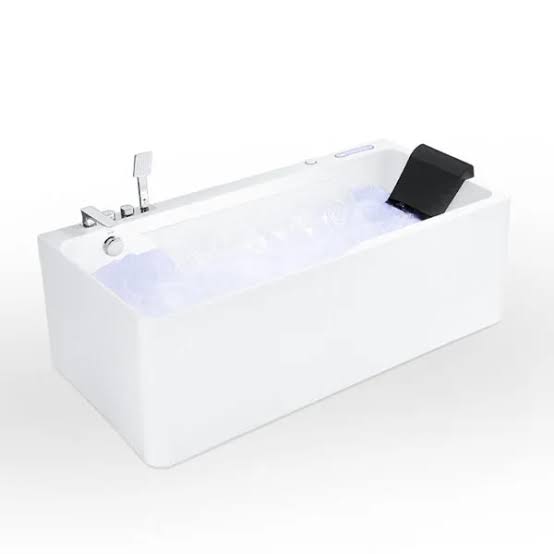
Quick Comparison
A walk-in shower is often easier for seniors who want simple entry and exit. It can also work well with a shower chair, handheld showerhead, and grab bars.
A bathtub may be better for seniors who enjoy soaking and can safely get over the tub wall. The right choice depends on mobility, bathroom space, bathing habits, and the planned safety features.
The bathroom design matters almost as much as the choice between a shower and a tub.
Walk-In Shower vs Bathtub At a Glance
The table below focuses on practical factors that can affect everyday senior use.
| Feature | Walk-In Shower | Bathtub |
|---|---|---|
| Entry | Usually easier | Requires stepping over tub wall |
| Showering | Excellent | Good |
| Soaking | Limited | Excellent |
| Sitting | Shower chair can be added | Tub provides a seated bathing option |
| Cleaning | Usually easier | More bending may be needed |
| Accessibility | Highly customizable | Can be harder to access |
| Fall concerns | Still needs safety features | Tub entry can be challenging |
| Caregiver access | Often easier | Can be more difficult |
| Installation | Can be costly | Often simpler in some bathrooms |
Walk-In Shower: A Practical Senior Option
A walk-in shower gives you a low-entry bathing area instead of a traditional tub wall. This can make daily entry simpler.
It is also easy to customize. A shower can include a built-in seat, grab bars, handheld showerhead, nonslip flooring, and easy-to-reach controls.
Ease of Use
The main advantage is entry.
A senior does not usually need to lift a leg over a deep tub wall. This may help people who have trouble with balance, bending, or lifting their legs.
A shower chair can also allow the user to bathe while seated. A handheld showerhead makes it easier to direct water without standing for the whole shower.
Key Strengths
- Easier entry for many users
- Works well with a shower chair
- Easy to add grab bars
- Handheld showerheads are widely available
- Good option for daily showers
- Can be designed around accessibility needs
- Often gives caregivers more room to assist
Potential Drawbacks
- Does not provide the same soaking experience as a bathtub
- Installation can require major bathroom work
- Poor drainage can cause water to spread onto the floor
- A shower still needs nonslip surfaces and suitable support
- Some designs may have a higher installation cost
Bathtub: A Familiar Bathing Choice
A bathtub can be a good fit for seniors who enjoy long baths and can safely enter and leave the tub.
It also provides a deep sitting position for bathing. However, getting into that position requires more movement than simply walking into a shower.
Ease of Use
The biggest issue is the tub wall.
A user must step over it to enter and leave. For someone with good balance and leg strength, this may not be a problem. For someone with limited balance or difficulty lifting a leg, it can be harder.
A grab bar can provide support. A bath seat or transfer bench can also change how the user enters and sits in the tub.
Key Strengths
- Excellent for soaking
- Familiar design
- Useful for homes where a tub is already installed
- Can work with bath seats and transfer benches
- May suit users who prefer baths over showers
Potential Drawbacks
- Higher step-over entry
- Getting out can require more effort
- Wet surfaces can become slippery
- Caregiver assistance may be harder
- Cleaning may require more bending and reaching
Which Is Easier for Seniors to Use?
For many seniors, the walk-in shower has the simpler entry.
A bathtub requires a step over the tub wall. A walk-in shower can use a low threshold or another accessible entry design.
This does not mean every senior should choose a shower. Someone who has good balance and strongly prefers baths may find a bathtub perfectly practical.
The important point is to match the bathroom to the person’s actual abilities.
| Senior Need | Walk-In Shower | Bathtub |
|---|---|---|
| Easy entry | Strong advantage | More difficult |
| Seated showering | Easy with shower chair | Possible with bath seat |
| Soaking | Limited | Strong advantage |
| Caregiver assistance | Often easier | Can be harder |
| Minimal stepping | Better fit | Less suitable |
The National Institute on Aging recommends bathroom safety features such as grab bars and nonslip surfaces in tubs and showers.
Performance Comparison
These products perform different jobs, so performance depends on how you bathe.
A walk-in shower is designed mainly for quick and practical showering. It can also support seated bathing with the right accessories.
A bathtub is better if soaking is a major priority.
| Performance Area | Walk-In Shower | Bathtub |
|---|---|---|
| Daily showering | Excellent | Good |
| Soaking | Poor | Excellent |
| Seated use | Excellent with seat | Good with bath seat |
| Water control | Easy | Easy |
| Quick bathing | Excellent | Good |
| Caregiver access | Often better | Often harder |
For a senior who mainly takes showers, a walk-in shower usually fits the daily routine more directly.
Comfort, Accessibility, and Senior-Friendly Design
A comfortable bathroom should not force the user to make difficult movements.
A walk-in shower can be designed with a built-in seat, handheld showerhead, grab bars, and controls placed within easy reach.
A bathtub can also be made safer. A transfer bench can reduce the need to step directly into the tub, while a bath seat can provide support.
Nonslip surfaces are important in both designs. The NIA recommends grab bars in tubs and showers and nonskid surfaces in areas that may get wet.
Features Comparison
The best features depend on the user’s needs rather than the number of features included.
| Feature | Walk-In Shower | Bathtub |
|---|---|---|
| Grab bars | Easy to include | Easy to include |
| Shower seat | Common option | Bath seat available |
| Handheld showerhead | Very useful | Useful |
| Low entry | Major advantage | Usually unavailable |
| Transfer bench | Sometimes useful | Very useful |
| Deep soaking | No | Yes |
For either option, controls should be easy to reach and understand.
Price, Maintenance, and Long-Term Value
There is no single price that applies to every walk-in shower or bathtub project. Costs can change based on the bathroom layout, plumbing, materials, labor, demolition, and accessibility features.
A simple replacement can be very different from a full bathroom renovation.
Walk-in showers can require changes to flooring, drainage, walls, and plumbing. Bathtub replacements may also involve demolition and plumbing work.
Long-term value should therefore include more than the initial installation cost.
Consider:
- Installation work
- Grab bars
- Shower or bath seats
- Handheld showerheads
- Nonslip flooring
- Cleaning needs
- Future accessibility
- Replacement parts
- Ease of caregiver assistance
A cheaper installation may not be the better value if it creates access problems later.
Who Should Choose a Walk-In Shower?
A walk-in shower may make more sense if:
- Easy entry is a top priority.
- The user mainly takes showers.
- A shower chair would be useful.
- The user wants a handheld showerhead.
- Caregiver access matters.
- The bathroom should support future accessibility.
- Stepping over a tub wall is uncomfortable or difficult.
Who Should Choose a Bathtub?
A bathtub may be a better fit if:
- The user enjoys soaking.
- The user can safely step over the tub wall.
- The existing bathroom already has a suitable tub.
- A bath seat or transfer bench can provide enough support.
- Showering is not the main bathing preference.
- The household wants to keep a bathtub for other users.
Walk-In Shower vs Bathtub — Final Verdict
For ease of entry and everyday showering, a walk-in shower has a clear practical advantage for many seniors.
For soaking and traditional bathing, the bathtub is the better fit.
There is no universal winner. The best choice depends on how the person enters the bathroom, how they bathe, and what support features can be installed.
Scoring Summary
A fixed 10-point score is not especially useful for this comparison because the result depends heavily on bathroom design and the user’s needs.
| Category | Walk-In Shower | Bathtub |
|---|---|---|
| Ease of Entry | Strong advantage | More demanding |
| Soaking | Limited | Strong advantage |
| Accessibility | Highly customizable | Can be customized |
| Daily Showering | Strong advantage | Good |
| Caregiver Access | Often easier | Can be harder |
| Long-Term Practicality | Depends on design | Depends on user |
How We Evaluate Products
For this comparison, the focus is on practical senior needs rather than brand claims.
The main factors are:
- Ease of entry
- Accessibility
- Comfort
- Safety
- Daily usability
- Maintenance
- Caregiver access
- Long-term practicality
- Installation considerations
The comparison does not assume personal hands-on testing.
Senior-Specific Buying Considerations
Before choosing between a walk-in shower and bathtub, look at the entire bathing routine.
Physical Effort
Think about stepping, bending, sitting, standing, and getting out of the bathing area.
If getting over a tub wall is difficult, a low-entry shower may be easier.
Controls
Controls should be easy to reach and simple to operate.
A handheld showerhead can also reduce the need to move around while bathing.
Maintenance
Look at how much bending and reaching will be needed for cleaning.
Smooth, accessible surfaces may make routine cleaning easier.
Storage
Keep soap, shampoo, towels, and other items within easy reach.
Avoid designs that require frequent stretching or bending.
Setup
Think about the full installation, not just the fixture.
Drainage, flooring, plumbing, doors, seats, and grab bars can all affect the final result.
Safety
Wet bathroom surfaces can create fall hazards. Grab bars and nonslip surfaces can help improve bathroom safety.
If the user has significant balance or mobility concerns, it can be useful to discuss the bathroom setup with an appropriate healthcare or rehabilitation professional.
Common Buying Mistakes
Avoid these mistakes when choosing between a walk-in shower and bathtub:
- Choosing based only on appearance
- Ignoring the entry height
- Forgetting about grab-bar placement
- Focusing only on installation cost
- Not planning for a shower or bath seat
- Ignoring future accessibility needs
A bathroom may look attractive but still be difficult to use.
Safety
Both options can be made safer, but neither is automatically risk-free.
A wet floor can become slippery around either a shower or bathtub. The NIA recommends nonskid mats or strips on surfaces that may get wet and grab bars near tubs and showers.
Good lighting also matters. Keep the bathroom easy to see at night and avoid loose rugs that can become trip hazards.
For users with major balance problems, the bathing setup should be planned around their specific needs rather than relying on a single safety accessory.
Conclusion
Walk-In Shower vs Bathtub comes down to access, bathing style, and future needs. A walk-in shower is often easier for seniors who want simple entry, seated showering, and easy access to safety features.
A bathtub remains useful for seniors who enjoy soaking and can safely manage the tub wall. Before remodeling, consider not only how the bathroom works today but also how easy it may be to use several years from now.
