
Fitness Tracker vs Pedometer for Seniors

Medical Alert System

Weekly Pill Organizer

LED Magnifying Glass
Fitness Tracker vs Pedometer is a useful comparison for seniors who want to track daily walking and activity. Both can count steps, but they are designed for different levels of tracking.
A pedometer keeps things simple. A fitness tracker can offer steps plus other activity data, exercise tracking, sleep information, and sometimes heart-rate features or GPS. The better choice depends on how much information the user actually wants.
Quick Comparison
For most seniors who want more than a daily step count, a fitness tracker offers more useful features. It can provide a wider view of daily activity and may reduce the need to use several separate tools.
A pedometer may be easier for seniors who want simplicity. It usually focuses on walking and step counting without the extra apps, notifications, charging routines, and settings that can come with a wearable tracker.
Fitness Tracker vs Pedometer At a Glance
The biggest difference is not step counting. It is how much information and technology comes with the step count.
| Feature | Fitness Tracker | Pedometer |
|---|---|---|
| Step Counting | Yes | Yes |
| Activity Tracking | Broad | Mainly walking |
| Heart Rate | Many models | Usually no |
| Sleep Tracking | Many models | Usually no |
| GPS | Some models | Usually no |
| App Support | Common | Usually limited |
| Simplicity | Moderate | High |
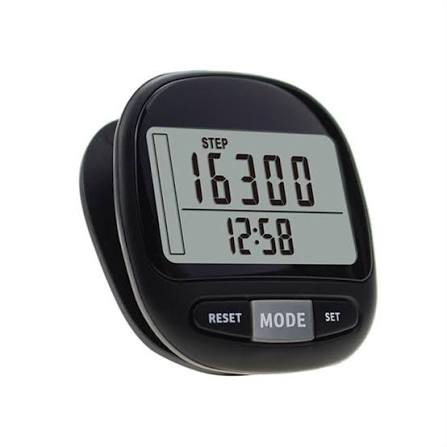
A traditional pedometer can be carried in a pocket or clipped to clothing. Some models also track distance, calories, or other walking measures.
Fitness Tracker for Everyday Senior Use
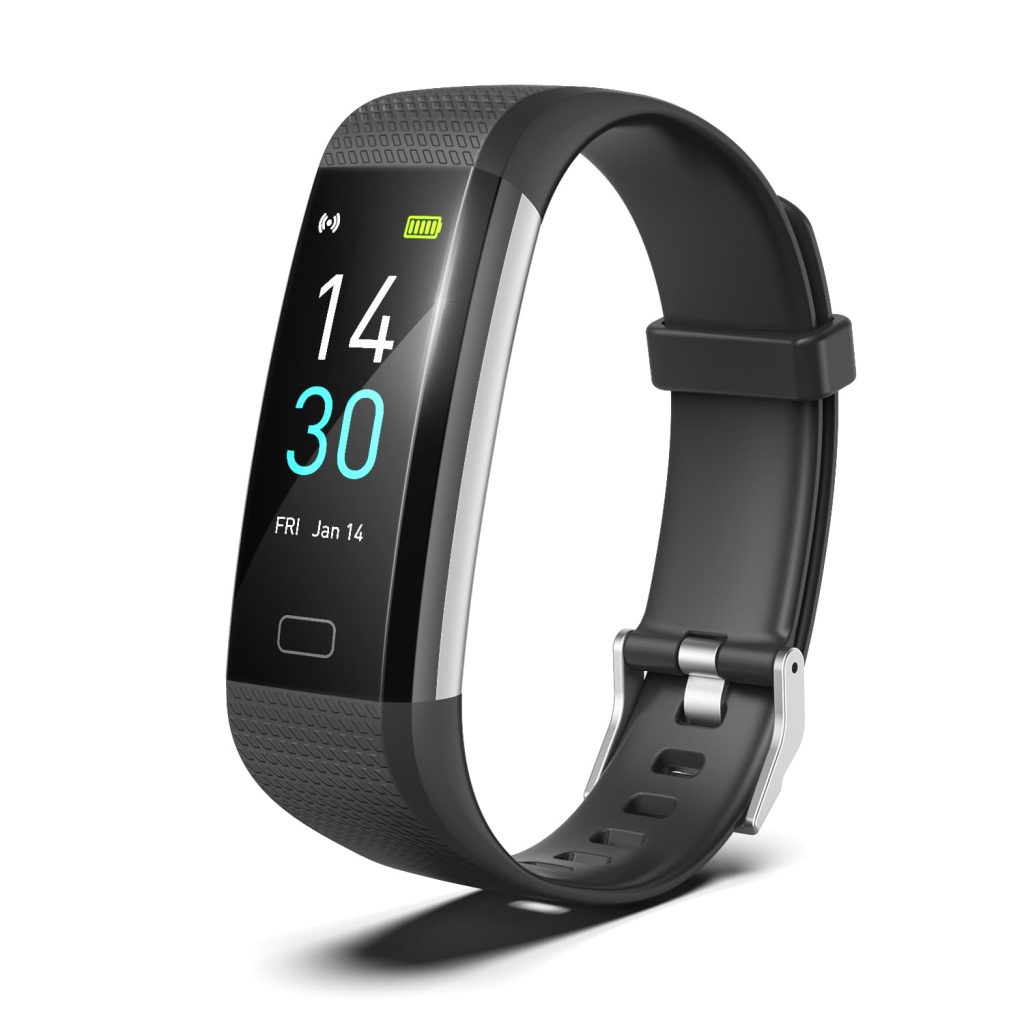
A fitness tracker is designed for people who want a broader picture of their daily activity. It normally works as a wearable device and may connect with a phone app.
Ease of Use
A fitness tracker can be simple once it is set up, but the initial setup may take more work than a basic pedometer.
Depending on the model, the user may need to:
- Charge the device
- Pair it with a phone
- Install an app
- Adjust settings
- Learn how to read the display
- Set activity goals
Some trackers show steps directly on the wrist, which can be convenient. More advanced models may also show exercise information and other measurements. Current Fitbit devices and services, for example, can combine activity data with phone-based health and fitness information.
Key Strengths
- Tracks more than basic steps
- Easy access to activity information
- Some models track heart rate
- Some models track sleep
- Some models offer GPS
- Can provide reminders and activity goals
- Useful for people who enjoy monitoring trends
Potential Drawbacks
- More setup than a basic pedometer
- Requires charging
- Phone apps may add complexity
- Extra features may be unnecessary for some users
- A small screen may be harder for some people to read
Pedometer for Simple Step Tracking
A pedometer is a more focused tool. Its main job is to count steps, making it suitable for someone who wants a simple way to monitor walking.
Ease of Use
This is where a basic pedometer can have a clear advantage.
Many pedometers are designed to be carried in a pocket, attached to clothing, or placed on a belt. Some models use a simple display and physical buttons rather than requiring a smartphone app.
That can make a pedometer appealing to seniors who do not want another device to manage.
Key Strengths
- Simple purpose
- Usually easy to understand
- No complicated app may be required
- Useful for tracking walking
- Can be small and portable
- Often uses a replaceable battery
- Good for users who want fewer features
Potential Drawbacks
- Limited activity information
- Usually lacks advanced health tracking
- Often has no smartphone ecosystem
- May provide less detailed long-term data
- Some models can miscount steps during unusual movement
Which Is Easier for Seniors to Use?
For basic step counting, a pedometer is usually simpler.
There is less to learn. The user can often attach it to clothing, walk, and check the number on the display.
A fitness tracker can still be easy to use, especially after setup. But it introduces more steps into the process. Charging, pairing, app settings, and notifications may all become part of daily use.
A senior who enjoys technology may prefer the extra information. Someone who only wants to know how much they walked may prefer the simpler device.
The simplest device is not always the least useful. It depends on what the user actually wants to track.
Performance Comparison
Both devices can track steps, but their broader capabilities can be very different.
A basic pedometer is focused on walking activity. Some models can also estimate distance and calories and store several days of activity.
Fitness trackers can go much further. Depending on the model, they may track exercise, heart rate, sleep, activity goals, and GPS-based distance or routes.
| Performance Area | Fitness Tracker | Pedometer |
|---|---|---|
| Walking Steps | Excellent | Excellent |
| Activity Detail | High | Basic |
| Exercise Tracking | Often available | Limited |
| Health Metrics | Model dependent | Limited |
| Walking Simplicity | Good | Excellent |
Neither device should be treated as perfectly accurate in every situation. Step counts can be affected by how a device is worn or carried and by unusual movement.
Comfort, Accessibility, and Senior-Friendly Design
Comfort matters because the device may be used every day.
A fitness tracker is normally worn on the wrist. This makes the display convenient to access, but some users may not like wearing a band all day or charging it regularly.
A pedometer can be kept in a pocket or clipped to clothing. That may feel less intrusive for someone who does not like wrist wearables.
Display size also matters. A small wearable screen can be difficult for some users to read. A simple pedometer with a clear physical display may be easier in some situations.
The best choice depends on personal comfort rather than age alone.
Features Comparison
The feature gap becomes larger when comparing a basic pedometer with a modern fitness tracker.
| Feature | Fitness Tracker | Pedometer |
|---|---|---|
| Step Goal | Common | Common |
| Heart Rate | Many models | Usually unavailable |
| Sleep Data | Many models | Usually unavailable |
| Phone App | Common | Limited or unavailable |
| Notifications | Some models | Rare |
| GPS | Some models | Rare |
For example, Fitbit documentation describes trackers with features such as heart-rate tracking, exercise information, sleep data, reminders, and GPS on selected models.
More features do not automatically mean a better experience. They only matter if the user will actually use them.
Price, Maintenance, and Long-Term Value
A pedometer usually has a simpler ownership model. There may be no charging dock, smartphone app, or recurring service involved.
Fitness trackers can cost more because they offer additional hardware and software. Some ecosystems may also offer optional paid services or subscriptions, depending on the device and service.
Maintenance is another difference.
A pedometer may mainly need a battery replacement and occasional cleaning. A fitness tracker may need regular charging, band care, software updates, and occasional replacement of the band or charging accessory.
| Cost Factor | Fitness Tracker | Pedometer |
|---|---|---|
| Initial Cost | Usually higher | Usually lower |
| Charging | Usually required | Often not |
| App | Common | Usually not needed |
| Accessories | Possible | Few |
| Maintenance | Moderate | Low |
The better value depends on whether the additional features will be used.
Who Should Choose a Fitness Tracker?
Choose a fitness tracker if:
- You want more than step counting.
- You want to monitor several activity measures.
- You like seeing progress in a phone app.
- You want exercise tracking.
- You may benefit from sleep or heart-rate features.
- You are comfortable charging a wearable.
- You want one device for several types of tracking.
Who Should Choose a Pedometer?
Choose a pedometer if:
- You mainly care about daily steps.
- You want a simple device.
- You do not want to manage a smartphone app.
- You prefer physical buttons and a basic display.
- You want something that can be clipped to clothing or carried.
- You want minimal charging or maintenance.
- You do not need advanced activity features.
Fitness Tracker vs Pedometer — Final Verdict
Best for broader activity tracking: Fitness Tracker
Best for simple step counting: Pedometer
Best for fewer features and less setup: Pedometer
Best for people who want more activity data: Fitness Tracker
There is no single choice that fits every senior. A fitness tracker makes more sense when the user wants several types of information. A pedometer makes more sense when the goal is simply to count walking steps without extra technology.
Scoring Summary
Scores are not included here because both categories contain products with very different designs and feature sets. Giving every fitness tracker or pedometer the same numerical score would create a false sense of precision.
Instead, the practical comparison is:
| Category | Better Fit |
|---|---|
| Simple step counting | Pedometer |
| Advanced activity tracking | Fitness Tracker |
| Minimal setup | Pedometer |
| Broader features | Fitness Tracker |
| Low-maintenance use | Pedometer |
| App-based tracking | Fitness Tracker |
How We Evaluate Products
This comparison focuses on factors that matter in everyday senior use.
The main areas are ease of use, accessibility, comfort, practical features, maintenance, safety, and long-term value.
The goal is not to reward a product simply because it has more technology. A feature is useful only when it helps the person using the device.
Senior-Specific Buying Considerations
Before choosing between a fitness tracker and a pedometer, think about how the device will actually be used.
Controls
Check whether the buttons, screen, or menus are easy to understand.
A simple pedometer may be preferable when complicated menus would create frustration.
Display
Make sure the numbers are easy to see. A device with many features is less useful if the important information is difficult to read.
Charging
Consider whether the user is comfortable charging a wearable regularly.
A pedometer with a replaceable battery may require less attention.
Setup
Think about whether phone pairing and app setup will be helpful or unnecessary.
Maintenance
Consider cleaning, battery replacement, charging, and accessory replacement before buying.
Common Buying Mistakes
Avoid these common mistakes:
- Choosing a fitness tracker only because it has more features
- Buying a pedometer when advanced tracking is actually needed
- Ignoring display readability
- Forgetting about charging requirements
- Assuming every fitness tracker needs the same phone or app setup
- Choosing based only on price
Safety
Fitness trackers can provide health-related measurements, but those measurements should not automatically be treated as medical diagnoses.
If a device is being considered for monitoring a medical condition or making health decisions, discuss the appropriate use with a healthcare professional.
Also check the manufacturer’s instructions for wearing, charging, cleaning, and battery care.
Conclusion
The main difference between a fitness tracker and a pedometer is the amount of information they provide. A pedometer keeps the focus on walking and step counting, while a fitness tracker can provide a much broader view of activity and, depending on the model, other health and exercise data.
For seniors who want simplicity, a pedometer may be the better fit. For those who want more detailed activity tracking and are comfortable with wearable technology, a fitness tracker can provide more useful information. The right choice is the one that matches the user’s needs without adding unnecessary complexity.
