
Smartwatch vs Fitness Tracker for Seniors


Electric Jar Opener

Adaptive Eating Utensils

Arthritis Gloves
Smartwatch vs Fitness Tracker is a useful comparison for seniors who want to track daily activity, sleep, heart rate, or workouts. Both can help users stay aware of their daily movement, but they serve different needs.
A smartwatch usually does more. It can handle calls, messages, apps, notifications, and many health features. A fitness tracker usually keeps things simpler. It often focuses on steps, sleep, heart rate, and activity with fewer distractions.
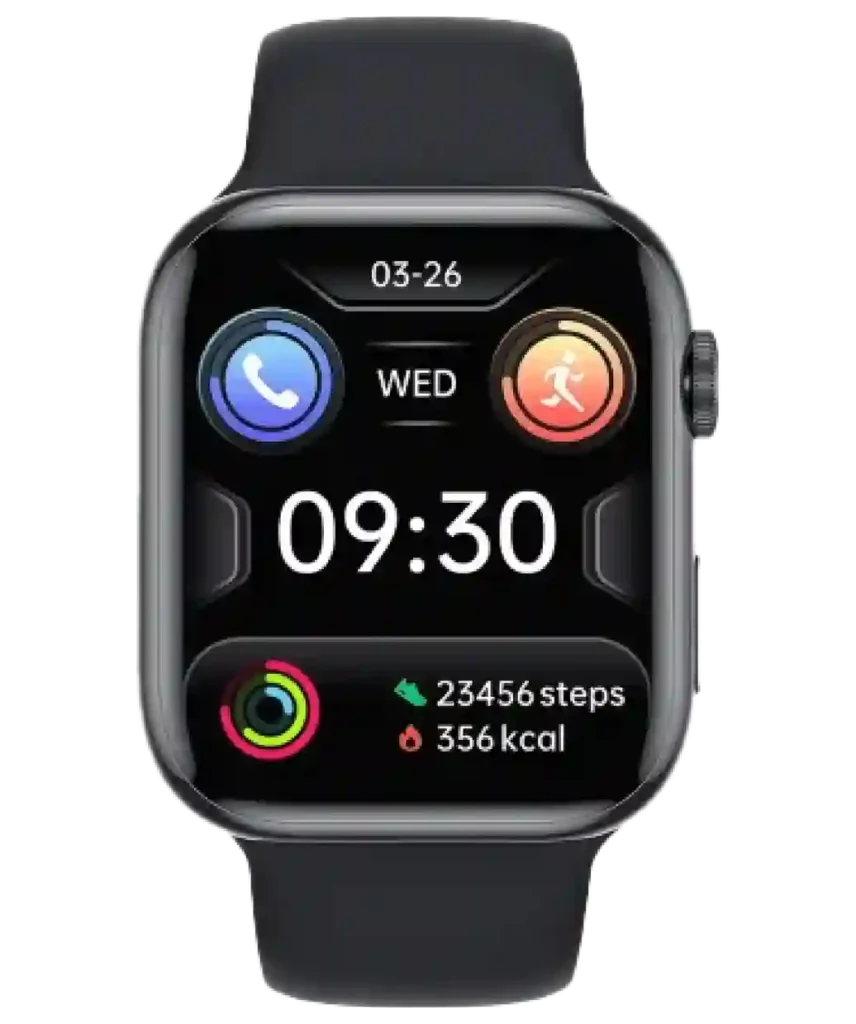
Quick Comparison
For seniors who want a simple device for daily health and activity tracking, a fitness tracker may be easier to use. It usually has fewer functions and can feel less busy.
A smartwatch may be better for seniors who want more than fitness tracking. Calls, messages, apps, maps, emergency features, and richer health tools can make it more useful for some users.
The key difference is simple: a fitness tracker focuses more on tracking, while a smartwatch combines tracking with smart features.
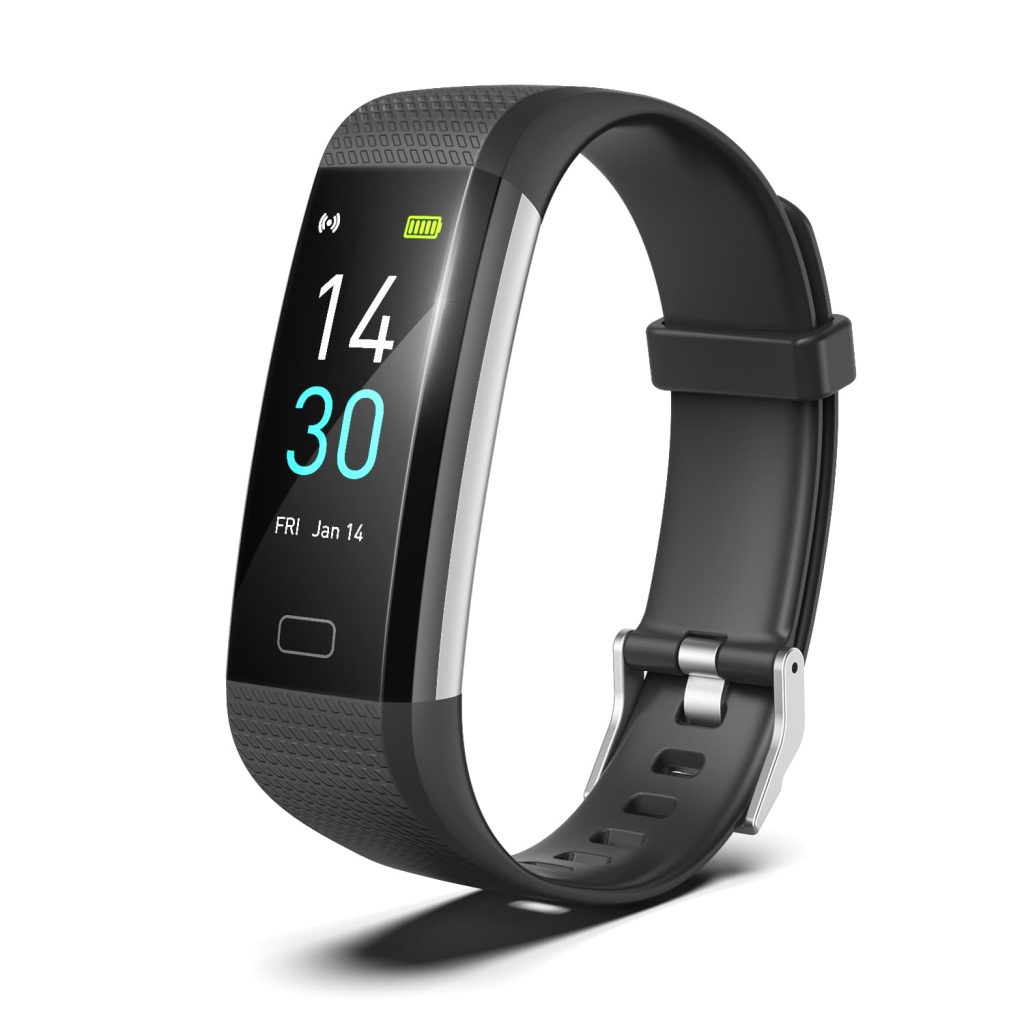
Smartwatch vs Fitness Tracker At a Glance
The right choice depends more on daily needs than age alone.
| Feature | Smartwatch | Fitness Tracker |
|---|---|---|
| Ease of use | More features to learn | Usually simpler |
| Health tracking | Broad range on some models | Strong focus on core metrics |
| Notifications | Usually extensive | Usually more limited |
| Calls and messages | Available on some models | Limited or unavailable |
| Battery | Often shorter | Often longer |
| Display | Usually larger | Usually smaller |
| Apps | Many models support apps | Usually limited |
| Daily activity | Strong | Strong |
| Sleep tracking | Common | Common |
| Distractions | More | Fewer |
Smartwatch Review for Senior Use
A smartwatch is more like a small computer worn on the wrist. Modern models can combine health tracking with communication and daily tools.
For example, Apple Watch includes activity, workout, sleep, heart-related features, and other health tools. Samsung Galaxy Watch models also combine health tracking with exercise and smart functions.
Ease of Use
The main advantage of a smartwatch is flexibility. A larger screen can make information easier to see. Touch controls can also make navigation simple once the user learns the basic menus.
The downside is the number of options. A senior who only wants step and sleep tracking may not need several apps, menus, alerts, and settings.
Key Strengths
- Large screen on many models
- Notifications and communication
- Wide range of health and fitness features
- More apps and smart functions
- Useful tools beyond exercise
- Some models offer safety-related features
Potential Drawbacks
- More features can create a learning curve
- Battery charging may be more frequent
- Some models cost more
- Advanced health features may need a compatible phone
- Small on-screen controls can still be difficult for some users
Fitness Tracker Review for Senior Use
A fitness tracker is built around a narrower goal. It usually focuses on activity, sleep, heart rate, and other fitness information.
Garmin describes the vívosmart 5 as an easier alternative to a smartwatch, with health and activity tracking in a smaller band design. Fitbit Charge 6 also includes activity and health sensors, built-in GPS, and vibration alerts.
Ease of Use
A fitness tracker may suit someone who wants fewer distractions. The simpler design can make it easier to focus on steps, exercise, sleep, and daily goals.
That simplicity can be helpful for seniors who do not want to manage many apps or notifications.
Key Strengths
- Simple fitness-focused design
- Often lighter and smaller
- Fewer distractions
- Good for daily activity tracking
- Often longer battery life
- Easy to wear throughout the day
Potential Drawbacks
- Smaller screens on many models
- Fewer smart features
- Limited communication tools
- Some advanced functions may require a phone
- Less useful for people who want a full smartwatch experience
Which Is Easier for Seniors to Use?
A fitness tracker often has the simpler learning curve.
That does not mean every senior will find it easier. A senior who already uses a smartphone may quickly understand a smartwatch. A senior who wants only basic activity information may prefer a simpler tracker.
| Usability Area | Smartwatch | Fitness Tracker |
|---|---|---|
| Learning curve | Moderate | Usually lower |
| Screen size | Usually larger | Usually smaller |
| Menus | More complex | Simpler |
| Notifications | More | Fewer |
| Daily charging | More common | Often less frequent |
| Basic activity tracking | Easy | Easy |
For fewer steps and settings, a fitness tracker has a clear advantage. For more functions in one device, a smartwatch offers more flexibility.
Performance Comparison
Both types can track common fitness data. The exact sensors and features depend on the model.
Smartwatches can provide detailed workout tracking and health information. Apple Watch, for example, supports multiple workout types and tracks metrics such as heart rate and cardio fitness. Samsung Galaxy Watch models also support many workout and health features.
Fitness trackers focus more on everyday activity. Steps, sleep, heart rate, calories, and exercise tracking are common features.
For a senior who mainly walks, monitors daily movement, and wants sleep information, a fitness tracker may provide enough data.
Comfort, Accessibility, and Senior-Friendly Design
Comfort matters because these devices are often worn for many hours.
A smaller fitness tracker may feel less noticeable during sleep or daily activities. A smartwatch can offer a larger display, which may help users who prefer to read information directly from the wrist.
| Senior Need | Smartwatch | Fitness Tracker |
|---|---|---|
| Simple interface | Depends on model | Usually strong |
| Easy-to-read screen | Often better | Depends on model |
| Lightweight feel | Depends on model | Often strong |
| Fewer distractions | Moderate | Strong |
| More wrist functions | Strong | Limited |
The best fit depends on the person’s eyesight, dexterity, phone habits, and comfort preferences.
Features Comparison
The biggest difference is not basic health tracking. Both product types can track common health and fitness information.
The difference is how much the device can do beyond tracking.
| Feature | Smartwatch | Fitness Tracker |
|---|---|---|
| Steps | Yes | Yes |
| Sleep tracking | Common | Common |
| Heart rate | Common | Common |
| Workout tracking | Strong | Strong |
| Notifications | Broad | More limited |
| Calls | Some models | Usually limited |
| Apps | Many models | Limited |
| GPS | Common on many models | Model dependent |
Health features vary widely by model and region. They should not be treated as medical diagnosis tools. Samsung, for example, states that several Samsung Health features are intended for general wellness and fitness purposes.
Price, Maintenance, and Long-Term Value
Price varies greatly between models, so a simple “cheaper is better” rule does not work.
A fitness tracker can offer good value when the user mainly needs activity and sleep tracking. There is little reason to pay for smart features that will not be used.
A smartwatch can offer better value when it replaces several everyday functions. Notifications, communication, navigation, fitness tracking, and health tools can all live on one device.
Battery needs also matter. Charging frequency depends on the model and how features are used. A user who dislikes frequent charging may prefer a tracker designed for longer battery life.
Who Should Choose a Smartwatch?
- Choose a smartwatch if you want calls or messages on your wrist.
- Choose one if you want a larger screen.
- Choose one if you want many health and fitness tools.
- Choose one if you already use a compatible smartphone.
- Choose one if apps and smart features matter to you.
- Choose one if you want one device for both fitness and everyday tasks.
Who Should Choose a Fitness Tracker?
- Choose a fitness tracker if simplicity matters most.
- Choose one if you mainly track steps, sleep, and activity.
- Choose one if you prefer fewer notifications.
- Choose one if a smaller device feels more comfortable.
- Choose one if longer battery life is important.
- Choose one if you do not need smartwatch apps or wrist-based communication.
Smartwatch vs Fitness Tracker — Final Verdict
Best for a simple experience: Fitness tracker
Best for communication and smart features: Smartwatch
Best for fewer distractions: Fitness tracker
Best for an all-in-one wrist device: Smartwatch
Best value: Depends on which features you will actually use.
There is no single choice for every senior. A smartwatch makes more sense when smart functions are useful. A fitness tracker makes more sense when the main goal is simple health and activity tracking.
Scoring Summary
Scores are broad usability ratings for the product categories, not scores for one specific model.
| Category | Smartwatch | Fitness Tracker |
|---|---|---|
| Ease of Use | 8/10 | 9/10 |
| Senior-Friendly Design | 8/10 | 9/10 |
| Performance | 9/10 | 8/10 |
| Smart Features | 10/10 | 6/10 |
| Simplicity | 7/10 | 10/10 |
| Value | 8/10 | 9/10 |
These scores can change when specific models are compared. A basic smartwatch and an advanced fitness tracker may have very different designs and features.
How We Evaluate These Devices
This comparison focuses on practical factors that can affect daily senior use.
We look at ease of use, accessibility, comfort, tracking features, battery needs, smart functions, maintenance, and long-term value.
The goal is not to reward the device with the most features. A feature is useful only when the person can understand and use it.
The best device is often the one that gives you useful information without making daily use harder.
Senior-Specific Buying Considerations
Physical Comfort
Check the size and weight before buying. A device worn all day should feel comfortable during walking, sleeping, and normal household activities.
Controls
Look at the screen and controls. Large text and simple menus may help some users.
Battery
Think about how often the device needs charging. A simple charging routine is easier to maintain.
Phone Compatibility
Check whether the watch or tracker works with the user’s phone. Some features depend on a specific phone platform.
Health Features
Do not assume that a health sensor makes a device a medical device. Health features can vary by model and region.
Common Buying Mistakes
- Buying a smartwatch when only step tracking is needed
- Choosing a tracker without checking screen readability
- Ignoring phone compatibility
- Focusing only on the number of health features
- Forgetting about charging needs
- Paying for features the user will rarely use
Safety
Smartwatches and fitness trackers contain batteries and electronic components. Use the supplied charger or an approved charging method, and follow the manufacturer’s instructions.
Health readings should not replace professional medical advice. If someone is considering a wearable because of a medical concern, it is sensible to discuss the relevant feature with a healthcare professional.
Also check regional limits. Some health features are not available on every model or in every country. Apple and Samsung both note that feature availability can vary by model or region.
Conclusion
Smartwatch vs Fitness Tracker comes down to one main question: Does the user want a smart device or mainly a simple activity tracker?
A smartwatch is a better fit for seniors who want communication, apps, a larger display, and broader features. A fitness tracker is a better fit for those who want simple activity and health tracking with fewer distractions.
For many users, the simplest device that meets their needs will be the easiest one to keep using every day.
