
CPAP vs BiPAP: Which Is Better for Seniors?


Raised Toilet Seat

Adjustable Walker with Wheels

Button Hook Dressing Aid
CPAP vs BiPAP is an important comparison for older adults who need positive airway pressure during sleep. Both use a mask and pressurized air, but they deliver that pressure differently.
CPAP provides one continuous pressure. BiPAP provides one pressure when you breathe in and another when you breathe out. The right option depends on the breathing problem, prescribed settings, comfort, and guidance from a healthcare professional.
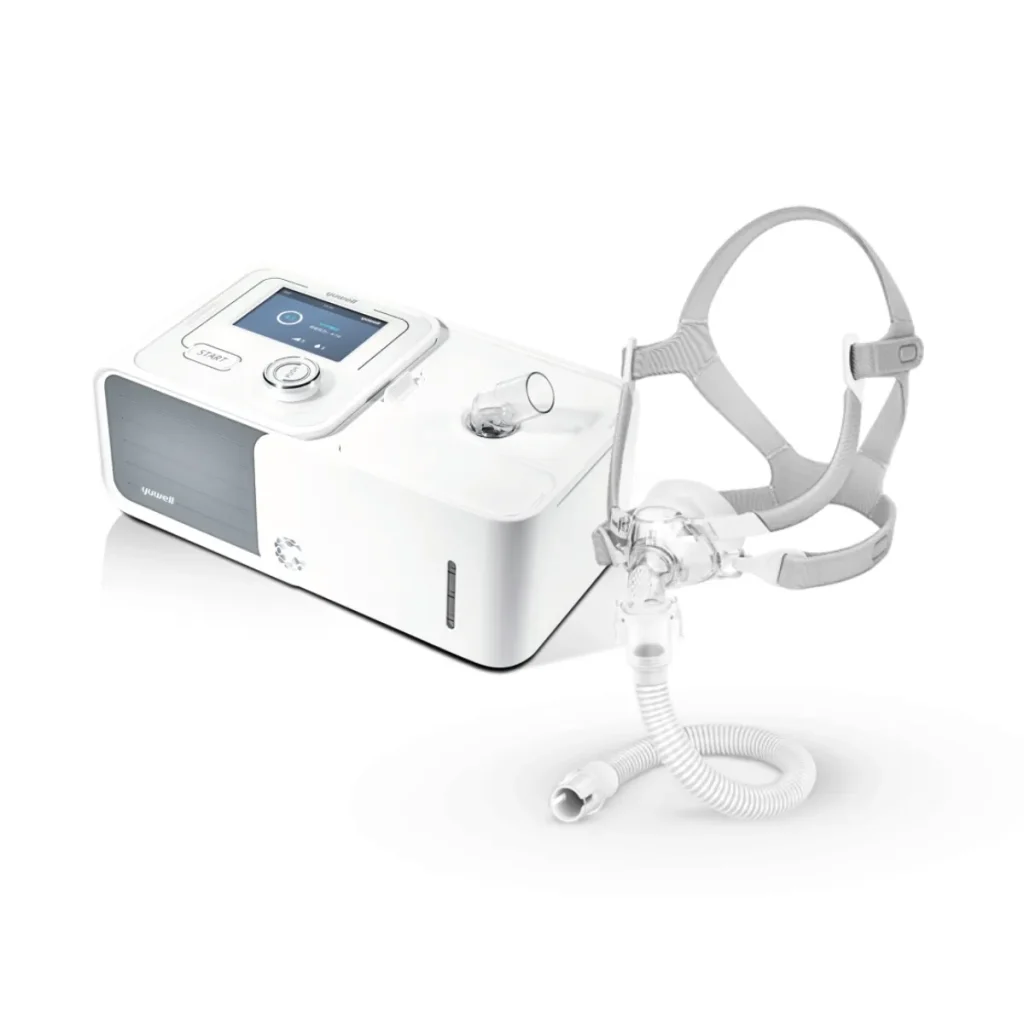
Quick Comparison
CPAP is commonly used for obstructive sleep apnea and provides steady pressure to help keep the airway open. For many people starting PAP therapy, its simpler pressure approach can be easier to understand.
BiPAP uses two pressure levels and may be used when a person needs more breathing support or has difficulty with a single continuous pressure. It can be useful in certain respiratory conditions, but it is not simply an upgraded CPAP for everyone.
The better choice is usually the one that matches the person’s prescribed therapy and can be used comfortably and consistently.
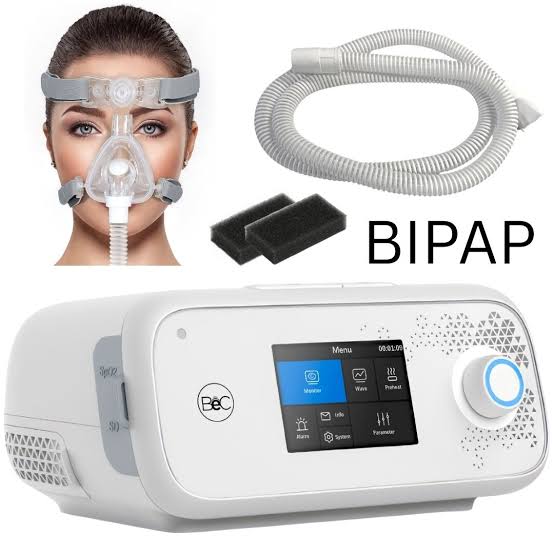
CPAP vs BiPAP At A Glance
Both devices use a mask, tubing, and a machine to provide positive airway pressure. The main difference is how pressure changes during breathing.
| Feature | CPAP | BiPAP |
|---|---|---|
| Pressure | One continuous pressure | Two pressure levels |
| Inhaling | Same set pressure | Higher pressure |
| Exhaling | Same set pressure | Lower pressure |
| Common use | Obstructive sleep apnea | Selected breathing conditions |
| Setup | Usually simpler | More settings may be involved |
| Comfort | May suit many users | May feel easier for some users who struggle with higher continuous pressure |
| Maintenance | Mask, tubing, filters and other parts | Similar equipment care |
| Prescription | Healthcare provider determines settings | Healthcare provider determines settings |
CPAP: A Practical Choice for Many Seniors
CPAP is designed to deliver continuous positive airway pressure while a person sleeps. A typical system includes a machine, tubing, mask, and straps. The pressure helps keep the airway open.
Ease of Use
CPAP has a relatively straightforward concept. The machine delivers one continuous pressure rather than switching between separate inhalation and exhalation pressures.
For a senior who is comfortable with the prescribed pressure and mask, this can make nightly use easier to understand.
The mask still needs to fit properly. Leaks, dry mouth, nasal symptoms, or discomfort can make therapy harder to tolerate. A healthcare provider can help with mask selection and pressure adjustments.
Key Strengths
- Simple pressure concept
- Commonly used for obstructive sleep apnea
- Many mask styles are available
- Routine equipment care is well established
- Can be used during sleep and naps as prescribed
Potential Drawbacks
- Continuous pressure may feel uncomfortable for some users
- Mask leaks can reduce comfort
- Dry mouth or nasal irritation may occur
- Getting used to nighttime use can take time
- Pressure settings should not be changed casually
BiPAP: Two Pressure Levels for Different Needs
BiPAP, also called bilevel PAP or BPAP, uses a higher pressure when breathing in and a lower pressure when breathing out. This difference can make breathing against the machine feel easier for some people.
Ease of Use
BiPAP can involve more individualized settings than basic CPAP. That does not necessarily make it difficult for the user, because the machine can be configured by the healthcare team.
For a senior who needs bilevel therapy, the extra pressure flexibility may be more important than having the simplest possible machine.
Key Strengths
- Provides separate inhalation and exhalation pressures
- May be useful when different pressure levels are needed
- Can be used in certain respiratory conditions
- Lower exhalation pressure may feel more comfortable for some users
Potential Drawbacks
- May involve more complex settings
- Not automatically appropriate simply because it has more features
- The correct pressure needs professional guidance
- May not provide an advantage for every person with obstructive sleep apnea
Which Is Easier for Seniors to Use?
For basic operation, CPAP may be easier to understand because it uses one continuous pressure. However, comfort matters more than having fewer settings.
A senior who finds continuous pressure difficult may find the lower exhalation pressure of BiPAP more comfortable. On the other hand, someone who does well with CPAP may have no reason to move to bilevel therapy.
Mask fit is also important. A poorly fitting mask can leak air or cause discomfort with either system. NHLBI recommends working with a healthcare provider when problems such as mask leaks, difficulty sleeping, dry mouth, or nasal symptoms occur.
Performance Comparison
The meaningful difference is not simply that one machine has “more power.”
CPAP maintains a continuous pressure. BiPAP changes pressure between inhalation and exhalation. This makes BiPAP useful in situations where different pressure support is needed.
| Performance Area | CPAP | BiPAP |
|---|---|---|
| Airway support | Continuous pressure | Variable pressure |
| Breathing in | Continuous set pressure | Higher pressure |
| Breathing out | Same pressure | Lower pressure |
| Pressure flexibility | Lower | Higher |
| Typical OSA use | Common | May be used in selected cases |
| Respiratory support | Depends on therapy | Can provide different pressure levels |
BiPAP may be used for conditions involving decreased air exchange or breathing muscle weakness, among other situations. The appropriate device depends on the person’s medical needs.
Comfort, Accessibility, and Senior-Friendly Design
Comfort can determine whether a person can maintain nightly PAP therapy.
For seniors, the most useful features may include an appropriately fitted mask, manageable tubing, understandable controls, and settings that match the prescribed treatment.
CPAP can be comfortable when the prescribed pressure is well tolerated. BiPAP may feel more natural to some people because the pressure decreases during exhalation.
Neither machine should be judged only by the number of settings. A simpler machine that a person can comfortably use every night may be more practical than a more complicated system that is difficult to tolerate.
Features Comparison
The machines share many basic components, so the pressure system is the most important difference.
| Feature | CPAP | BiPAP |
|---|---|---|
| Pressure system | Continuous | Bilevel |
| Exhalation pressure | Same set pressure | Lower than inhalation pressure |
| Mask | Required | Required |
| Tubing | Required | Required |
| Humidification | Available on some systems | Available on some systems |
| Pressure adjustment | Provider-directed | Provider-directed |
PAP equipment also requires routine care. Masks, tubing, and filters may need cleaning and replacement at appropriate intervals.
Price, Maintenance, and Long-Term Value
The purchase price can vary greatly by machine, model, supplier, insurance coverage, and prescribed equipment. Because of that, a fixed price comparison would quickly become outdated.
Maintenance is similar in several important ways. Both systems use a mask and tubing, and both require regular equipment care.
| Cost Factor | CPAP | BiPAP |
|---|---|---|
| Machine cost | Varies by model and coverage | Varies by model and coverage |
| Mask | Required | Required |
| Tubing | Required | Required |
| Filters | May require replacement | May require replacement |
| Cleaning | Required | Required |
| Long-term value | Depends on successful use | Depends on successful use and medical need |
The best value is not necessarily the machine with the lowest purchase price. A device that matches the prescribed therapy and can be used consistently may provide greater practical value.
Who Should Choose CPAP?
CPAP may be worth discussing with a healthcare professional if:
- The prescribed treatment calls for continuous positive airway pressure.
- The main issue is obstructive sleep apnea.
- The user is comfortable with one continuous pressure.
- A simpler pressure system is preferred.
- The user can comfortably maintain the mask and equipment.
CPAP is commonly used for obstructive sleep apnea, but the appropriate PAP type should be determined by the person’s healthcare provider.
Who Should Choose BiPAP?
BiPAP may be considered when:
- The healthcare provider prescribes bilevel therapy.
- Different inhalation and exhalation pressures are needed.
- The person has difficulty tolerating continuous pressure.
- There is a respiratory condition for which bilevel support is appropriate.
- Additional breathing support is medically indicated.
BiPAP may be used in certain cases involving respiratory failure, COPD, central sleep apnea, heart failure, or breathing muscle weakness, but those conditions require individualized medical assessment.
CPAP vs BiPAP — Final Verdict
Best for many people with obstructive sleep apnea: CPAP may be appropriate when continuous pressure is prescribed and well tolerated.
Best for selected breathing needs: BiPAP may be appropriate when separate inhalation and exhalation pressures are medically needed.
Best for ease of understanding: CPAP has the simpler pressure concept.
Best for pressure flexibility: BiPAP provides two pressure levels.
There is no universal winner. CPAP and BiPAP serve different therapeutic needs, and choosing between them should be based on the prescribed treatment, comfort, breathing condition, and response to therapy.
Scoring Summary
A numerical score would be misleading for this comparison because the “better” device depends heavily on the person’s medical indication and prescribed pressure needs.
| Category | CPAP | BiPAP |
|---|---|---|
| Simplicity | Strong fit for simpler pressure therapy | More pressure flexibility |
| Pressure flexibility | Lower | Higher |
| Obstructive sleep apnea | Common option | Selected cases |
| Exhalation comfort | Depends on user | May suit users needing lower exhalation pressure |
| Maintenance | Routine PAP care | Routine PAP care |
| Medical suitability | Depends on prescription | Depends on prescription |
How We Evaluate Products
For health-related equipment, the comparison focuses on practical usability rather than marketing claims.
Key factors include:
- Ease of use
- Comfort
- Pressure system
- Maintenance
- Accessibility
- Everyday practicality
- Safety
- Appropriate medical use
No hands-on testing is claimed in this comparison. The discussion is based on established descriptions of PAP therapy and practical user considerations.
Senior-Specific Buying Considerations
Physical Effort
Consider whether the user can comfortably put on and remove the mask, manage the tubing, and handle the equipment at night.
Controls
The machine should be understandable to the person using it. Settings should not be changed without appropriate professional guidance.
Maintenance
Check whether the user can clean the mask, tubing, and other components regularly. A caregiver may help when needed.
Setup
Ask whether the machine, mask, tubing, and humidification system can be set up comfortably beside the bed.
Comfort
Mask fit, pressure tolerance, dryness, congestion, and air leaks can all affect the experience of PAP therapy.
Safety
PAP therapy is medical treatment. The prescribed pressure and machine type should match the person’s needs. Anyone experiencing significant breathing problems or difficulty tolerating therapy should contact their healthcare professional.
Common Buying Mistakes
- Choosing BiPAP simply because it sounds more advanced
- Assuming CPAP is suitable for every type of breathing problem
- Focusing only on machine price
- Ignoring mask fit and comfort
- Changing pressure settings without professional guidance
- Forgetting the ongoing need for equipment cleaning and replacement
Safety
CPAP and BiPAP are medical breathing devices, so the machine type and settings matter.
Do not choose a PAP system based only on comfort or feature count. A healthcare professional should determine the appropriate therapy, particularly when a person has COPD, central sleep apnea, respiratory failure, heart failure, or another significant breathing condition.
If the mask causes persistent problems, the machine becomes difficult to tolerate, or symptoms do not improve, discuss the issue with the healthcare provider rather than simply changing pressure settings yourself.
Frequently Asked Questions
Is BiPAP better than CPAP for seniors?
Not necessarily. BiPAP may be more appropriate for some people who need different inhalation and exhalation pressures, while CPAP may be appropriate for many people with obstructive sleep apnea.
Can an older adult use CPAP?
Yes. CPAP is used by adults of different ages. The important factors are the prescribed therapy, appropriate mask fit, comfort, and consistent use.
Is BiPAP harder to use than CPAP?
BiPAP can have more pressure settings, but the user does not necessarily need to manage those settings themselves. The healthcare team can configure the prescribed therapy.
Does BiPAP use lower pressure when breathing out?
Yes. BiPAP provides a higher pressure during inhalation and a lower pressure during exhalation.
Can you switch from CPAP to BiPAP?
A healthcare professional may recommend a different PAP mode when the current therapy is not suitable or when the person’s breathing needs call for another approach. The change should be medically guided.
Do CPAP and BiPAP need regular cleaning?
Yes. PAP equipment needs proper cleaning and routine replacement of components such as masks, tubing, and filters according to the equipment instructions and care plan.
Conclusion
CPAP vs BiPAP is less about finding one universally better machine and more about matching the therapy to the person. CPAP uses continuous pressure and is commonly used for obstructive sleep apnea, while BiPAP provides separate inhalation and exhalation pressures for selected needs.
For seniors, comfort, mask fit, ease of routine use, maintenance, and the prescribed therapy all matter. When the choice involves a medical condition or a change in PAP treatment, the safest approach is to discuss the options with the healthcare professional managing the therapy.
